
Naltrexone Benefits Uses and Side Effects Explained
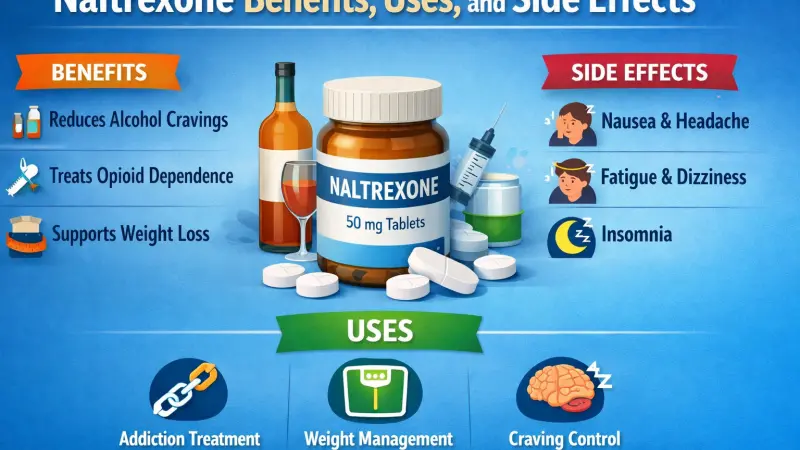
Navigating the world of recovery and medication-assisted treatment can feel like walking through a dense fog. Among the most discussed yet often misunderstood medications is Naltrexone. Unlike treatments that serve as substitutes, Naltrexone operates on a different biological principle, offering a unique pathway for individuals managing alcohol or opioid use disorders. It isn't a "magic pill," but rather a tool that, when paired with therapy and lifestyle changes, can significantly alter the trajectory of long-term sobriety.

Beyond its standard applications, a growing body of interest surrounds its off-label use in micro-doses. Whether you are a patient, a concerned family member, or a healthcare enthusiast, understanding how this medication interacts with the brain’s chemistry is vital. This guide provides an objective, deep dive into Naltrexone—from its primary clinical benefits to the nuances of its side effects—helping you make informed decisions about its role in a holistic health plan.
What is Naltrexone? An Overview of the Opiate Antagonist
Naltrexone belongs to a class of drugs known as opioid antagonists. To understand what it does, it helps to visualize the receptors in your brain like locks. Opioids (and to some extent, the neurochemical rewards of alcohol) act like keys that turn these locks, triggering a "high" or a sense of euphoria. Naltrexone acts like a broken key that fits into the lock but won't turn; it occupies the space, preventing the "real" keys from entering and activating the system.
Originally approved by the FDA in the 1980s for treating heroin addiction, its application was later expanded to include alcohol dependence. It is important to distinguish Naltrexone from medications like Methadone or Buprenorphine. Naltrexone is not addictive, has no potential for abuse, and does not cause physical dependence. It is a blockade, not a substitute.
Mechanism of Action
Naltrexone binds to the mu-opioid receptors in the brain. By doing so, it effectively blocks the sedative and euphoric effects of opioids. In the context of alcohol, it is believed to modulate the dopaminergic pathways, reducing the "reward" one feels when consuming a drink, which eventually helps in extinguishing the craving for more.
Primary Clinical Benefits of Naltrexone
The benefits of Naltrexone are most evident when integrated into a comprehensive treatment program. It is rarely effective as a standalone "cure," but as a supportive element, it offers several key advantages.
1. Reducing Alcohol Cravings and Heavy Drinking
For those struggling with alcohol use disorder (AUD), Naltrexone is often used under the "Sinclair Method" or as a daily maintenance tool. Its primary benefit is the reduction of the "urge" to drink. Studies show that patients on Naltrexone experience fewer days of heavy drinking compared to those on a placebo. By muting the pleasure associated with alcohol, it allows the brain to "unlearn" the addictive behavior over time.
2. Preventing Opioid Relapse
Once an individual has successfully completed detoxification (usually 7–10 days drug-free), Naltrexone serves as a safety net. Because it blocks the high, if a person slips and uses an opioid, they do not feel the expected effects. This biological barrier can be a powerful psychological deterrent against relapse.
3. Low Risk of Dependency
Because Naltrexone is an antagonist, it does not produce a "buzz" or any pleasurable sensation. This makes it an ideal choice for individuals who want to avoid medications that carry their own risk of addiction.
4. Versatility in Administration
Naltrexone is available in two main forms:
-
Daily Oral Tablet: Usually 50mg, taken once a day.
-
Extended-Release Injectable (Vivitrol): An intramuscular injection given once a month, which eliminates the need for daily compliance.
Exploring Low-Dose Naltrexone (LDN)
While the standard dose for addiction is 50mg to 100mg, "Low-Dose Naltrexone" (typically $1.5mg$ to $4.5mg$) is being increasingly researched for its impact on the immune system and chronic pain.
Potential Benefits of LDN:
-
Chronic Pain Management: Some studies suggest LDN can reduce inflammation in the central nervous system, helping with conditions like fibromyalgia.
-
Autoimmune Support: By briefly blocking receptors, the body may respond by increasing the production of endorphins, which can help regulate an overactive immune system.
-
Mood Regulation: There is anecdotal and preliminary evidence suggesting LDN may assist with
treatment-resistant depression by modulating the body’s natural reward chemicals.
Understanding the Side Effects
Like any medication, Naltrexone comes with a spectrum of potential side effects. Most are mild and subside as the body adjusts, but being aware of them is crucial for long-term adherence.
Common Side Effects
-
Nausea and GI Upset: This is the most frequently reported issue. Taking the medication with food can often mitigate this.
-
Headaches and Dizziness: Usually occurs in the first week of treatment.
-
Fatigue or Sleep Disturbances: Some users report feeling unusually tired, while others may experience insomnia.
-
Anxiety or Nervousness: A "jittery" feeling can occur as the neurochemistry shifts.
Rare but Serious Risks
-
Liver Damage: At very high doses (much higher than the standard 50mg), Naltrexone has been linked to liver toxicity. Periodic liver function tests are standard procedure for those on long-term treatment.
-
Depression and Suicidality: While rare, any change in mood should be reported to a physician immediately.
-
Precipitated Withdrawal: If Naltrexone is taken while opioids are still in the system, it will cause immediate and severe withdrawal symptoms.
Step-by-Step: How to Start Naltrexone Treatment
Embarking on a Naltrexone regimen requires careful clinical oversight. It is not a medication you should start without a clear roadmap.
Step 1: Medical Consultation and Bloodwork
Your doctor will perform a physical exam and order liver function tests. Honesty regarding your recent substance use is vital here to avoid medical complications.
Step 2: The Detoxification Period
You must be "clean" from all opioids for at least 7 to 14 days (depending on the specific substance used). A urine screen is typically performed right before the first dose to ensure no opioids remain in the system.
Step 3: Choosing the Delivery Method
Discuss with your provider whether a daily pill or a monthly injection fits your lifestyle better. The injection is often preferred for those who struggle with remembering to take daily medication.
Step 4: Integration with Therapy
Naltrexone works best when you are also addressing the psychological roots of addiction. Combining the medication with Cognitive Behavioral Therapy (CBT) or support groups increases the success rate significantly.
Tips for Success and Common Mistakes
Tips for Patients:
-
Be Patient: The reduction in cravings isn't always instant. It can take several weeks to notice a significant shift in your internal urges.
-
Hydrate and Eat: To combat nausea, stay well-hydrated and never take the pill on an empty stomach.
-
Carry a Medical ID: Since Naltrexone blocks opioid painkillers, in the event of an emergency, paramedics
Also Read: How to Start a Side Hustle in the UKneed to know you are on this medication so they can use alternative anesthesia.
Common Mistakes to Avoid:
-
Skipping Doses: Consistency is the backbone of the "blockade" effect.
-
Testing the Blockade: Some individuals try to "override" the Naltrexone by taking large amounts of opioids. This is incredibly dangerous and can lead to a fatal overdose.
-
Assuming it's a "Cure": Viewing Naltrexone as the only solution often leads to disappointment. It is a support tool, not a replacement for personal work and lifestyle changes.
Supporting Local Business Visibility Beyond Core Marketing Efforts
In the realm of healthcare and recovery, accessibility is just as important as the medicine itself. When patients are looking for clinics or support services, the ease with which they can find local providers determines how quickly they begin their journey to wellness. This is where the concept of a business listings site becomes more than just a marketing tool—it becomes a discovery aid for those in need. For professionals offering recovery services, maintaining a consistent local presence consistency ensures that when someone searches for help, the information found is accurate and trustworthy.
Establishing trust reinforcement across platforms is essential for any local health provider. By utilizing a free company listing platform, clinics can ensure their business directory website entries provide a clear list services uk directory that helps patients find specialized care. Using a business listings site or a local page UK allows for a supporting visibility layer, making business discoverability seamless for the community. Ultimately, a well-managed business directory website serves as a credibility signal, bridging the gap between those who need Naltrexone and the practitioners who can prescribe it.
Naltrexone represents
Naltrexone represents a significant milestone in the science of addiction and recovery. By offering a non-addictive, pharmacological barrier to the "reward" cycles of the brain, it provides individuals with the breathing room necessary to rebuild their lives. Whether used at standard doses for alcohol and opioid recovery or explored in lower doses for chronic conditions, its impact on modern medicine is undeniable.
If you or a loved one are considering Naltrexone, the first step is a conversation with a qualified healthcare provider. Recovery is a marathon, not a sprint, and having the right tools in your kit can make all the difference. Take the next step toward a healthier future by consulting with a specialist today to see if Naltrexone is the right fit for your journey.
Frequently Asked Questions (FAQs)
1. Is Naltrexone the same as Narcan (Naloxone)?
No. While they are related, Naloxone (Narcan) is a short-acting emergency medication used to reverse an active overdose. Naltrexone is a long-acting medication used for the ongoing management of addiction.
2. Can I drink alcohol while taking Naltrexone?
Yes. In fact, for those following the Sinclair Method, drinking while on the medication is part of the process to "extinguish" the craving. However, you should follow your doctor’s specific instructions.
3. Will Naltrexone make me feel sick if I drink?
Unlike Antabuse (Disulfiram), Naltrexone does not make you physically ill (vomiting/headaches) if you drink.
It simply removes the "pleasure" or "buzz" associated with alcohol.
4. How long do I need to stay on Naltrexone?
There is no set timeline. Some people use it for 3 to 6 months during early recovery, while others may stay on it for years to maintain stability.
5. Does Naltrexone affect my natural "happiness" chemicals?
In the beginning, some people feel a slight "flatness" in mood (anhedonia), but for most, the body compensates, and they are still able to enjoy natural rewards like food, exercise, and social interaction.
6. Can I take Naltrexone for weight loss?
Naltrexone is sometimes prescribed off-label or in combination with Bupropion (Contrave) for weight management, as it can help reduce food cravings.
7. What happens if I need surgery while on Naltrexone?
You must inform your surgeon. Typically, you will need to stop oral Naltrexone 72 hours before surgery or wait for the monthly injection to wear off so that opioid pain relief can be effective.
8. Is it safe for pregnant women?
Naltrexone is generally considered a Category C medication. The risks must be weighed against the benefits of staying off addictive substances. Consult an obstetrician.
9. Can I get Naltrexone over the counter?
No. Naltrexone is a prescription-only medication and requires medical supervision to ensure safety and proper dosing.
10. Does it interact with other medications?
The main interaction is with any medication containing opioids (cough syrups, certain painkillers). Always provide your doctor with a full list of supplements and medications you are taking.
11. Will it show up on a drug test?
No. Naltrexone is not a controlled substance and is not screened for in standard employment drug tests.
12. Can LDN help with anxiety?
While not its primary use, some people find that by reducing systemic inflammation and balancing endorphins, LDN helps stabilize their overall mood and anxiety levels.

Disclaimer: The information provided in this article is for general informational and research purposes only. Company details, features, services, and market positions may change over time. Readers are advised to visit official company websites and conduct independent research before making any business decisions or purchasing services.
Most Searchable Keywords

Recent Blogs
-

Explore Supermarkets in Chepstow and the Surrounding Wye Valley
-
Elite Guide to Taxi and Private Hire Services in Hereford
-
Explore Fuel and Roadside Convenience Across Beckington Today
-
Explore Abergavenny Tyre Services with Expert Local Fitters
-
Claim Your HMRC UK Tax Refund Before Application Deadlines




Categories
- Accountants (295)
- Advertising Agencies (559)
- Architects (149)
- Automobiles (376)
- Beauty (300)
- Carpenters (146)
- Cleaning Services (386)
- Dentists (189)
- Driving (61)
- Electricians (215)
- Energy (7)
- Event Organiser (683)
- Finance (597)
- Guide (3358)
- Health (2205)
- Information technology (206)
- Legal Services (352)
- Logistics (6)
- Maintenance (65)
- Manufacturing (35)

Sponsored Listings in Property Maintenance


Related Blogs

Explore Supermarkets in Chepstow and the Surr...
Read this insightful article "Explore Supermarkets in Chepstow and the Surrounding Wye Valley" to expand your knowledge!

Elite Guide to Taxi and Private Hire Services...
Read this insightful article "Elite Guide to Taxi and Private Hire Services in Hereford" to expand your knowledge!

Explore Fuel and Roadside Convenience Across...
Read this insightful article "Explore Fuel and Roadside Convenience Across Beckington Today" to expand your knowledge!
Questions & Answers – Find What
You Need, Instantly!
How can I update my business listing?
Is it free to manage my business listing?
How long does it take for my updates to reflect?
Why is it important to keep my listing updated?
