
New recombinant mpox strain detected in UK and India, WHO urges continued monitoring
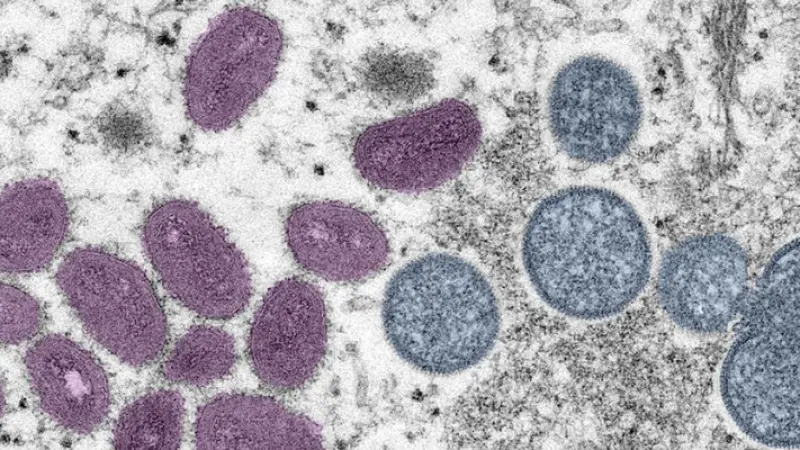
The World Health Organization (WHO) has officially confirmed the detection of a newly identified recombinant mpox virus. This strain, which contains genetic material from two distinct known clades, underscores the critical need for global health systems to maintain rigorous genomic surveillance. Despite this discovery, the UN health agency noted on Saturday that the overall global public health risk assessment remains unchanged.

Understanding the New Recombinant Strain
WHO confirmed that two cases of this specific recombinant strain—a combination of genomic elements from clade Ib and clade IIb of the monkeypox virus (MPXV)—have been identified so far. The cases were reported in the United Kingdom and India.
Key Findings:
Both patients had recent travel histories.
Neither individual experienced severe illness.
Contact tracing efforts have, thus far, detected no secondary cases.
Recombination occurs naturally when two related viruses infect the same host simultaneously and exchange genetic material. According to WHO analysis, the two individuals fell ill several weeks apart with the same recombinant strain, indicating that there may be additional undetected cases currently in circulation.
What is Mpox?
Mpox is an infectious disease caused by the monkeypox virus (MPXV), a member of the Orthopoxvirus genus. This genus also includes the virus responsible for smallpox.
Transmission and Symptoms:
Spread: Primarily through close physical contact, including sexual contact, and occasionally through respiratory droplets or contaminated materials.
Symptoms: Common signs include fever, swollen lymph nodes, and the development of a rash or painful lesions.
Details of the UK and India Cases
The UK case was detected in December 2025 in a traveler returning from the Asia Pacific region. While initial tests suggested a clade Ib infection, whole genome sequencing revealed the hybrid nature of the virus.
Indian health authorities reclassified a September 2025 case—initially thought to be clade II—as the same recombinant strain, making it the earliest known detection.
WHO emphasized that due to the limited data, conclusions regarding the transmissibility or clinical severity of this recombinant strain are premature.
Global Risk Assessment and Recommendations
WHO’s risk assessment remains moderate for high-risk groups (such as sex workers and men who have sex with men with multiple partners) and low for the general population.
A significant challenge noted by health officials is that standard clade differentiation PCR tests may not reliably identify recombinant strains. Consequently, genomic sequencing is the only definitive method for detection. WHO urges all nations to remain alert, continue epidemiological surveillance, and prioritize vaccination for at-risk groups. No travel or trade restrictions are recommended at this time.
Content Source: UN News
Stay Connected with Your Community
For more localized updates, community news, and health alerts tailored to your region, visit Local Page. We specialize in connecting people with the latest buzz and essential information across the United Kingdom, ensuring you stay informed about the events and developments that impact your local neighborhood.

Disclaimer: The information provided in this article is for general informational and research purposes only. Company details, features, services, and market positions may change over time. Readers are advised to visit official company websites and conduct independent research before making any business decisions or purchasing services.
Most Searchable Keywords

Recent Blogs
-

Explore Supermarkets in Chepstow and the Surrounding Wye Valley
-
Elite Guide to Taxi and Private Hire Services in Hereford
-
Explore Fuel and Roadside Convenience Across Beckington Today
-
Explore Abergavenny Tyre Services with Expert Local Fitters
-
Claim Your HMRC UK Tax Refund Before Application Deadlines




Categories
- Accountants (295)
- Advertising Agencies (559)
- Architects (149)
- Automobiles (376)
- Beauty (300)
- Carpenters (146)
- Cleaning Services (386)
- Dentists (189)
- Driving (61)
- Electricians (215)
- Energy (7)
- Event Organiser (683)
- Finance (597)
- Guide (3358)
- Health (2205)
- Information technology (206)
- Legal Services (352)
- Logistics (6)
- Maintenance (65)
- Manufacturing (35)

Sponsored Listings in Property Maintenance



Related Blogs

Explore Supermarkets in Chepstow and the Surr...
Read this insightful article "Explore Supermarkets in Chepstow and the Surrounding Wye Valley" to expand your knowledge!

Elite Guide to Taxi and Private Hire Services...
Read this insightful article "Elite Guide to Taxi and Private Hire Services in Hereford" to expand your knowledge!

Explore Fuel and Roadside Convenience Across...
Read this insightful article "Explore Fuel and Roadside Convenience Across Beckington Today" to expand your knowledge!
Questions & Answers – Find What
You Need, Instantly!
How can I update my business listing?
Is it free to manage my business listing?
How long does it take for my updates to reflect?
Why is it important to keep my listing updated?
