
NHS Clinics Explained: Services, Referrals & Patient Pathways
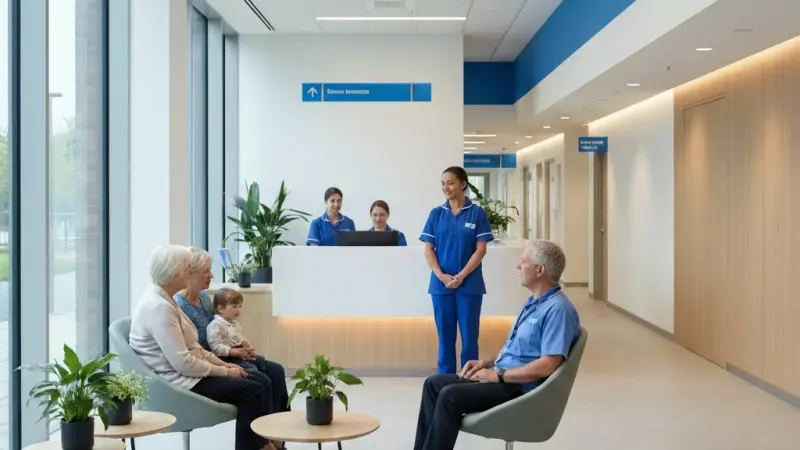
The United Kingdom’s National Health Service (NHS) is more than just a public utility; it is a cornerstone of the British identity and a critical engine of the national economy. Within this vast infrastructure, the "Clinics – N.H.S." sector represents the frontline of community health, encompassing everything from General Practice (GP) surgeries to highly specialised outpatient units. As we navigate the mid-2020s, the economic importance of these clinics has never been more pronounced. They serve as the primary gatekeepers to secondary care, managing millions of patient interactions weekly and significantly reducing the burden on acute hospital wards.

Economically, the NHS contributes roughly 11% to the UK’s GDP, with community and clinical services accounting for a substantial portion of this expenditure. Beyond direct healthcare delivery, these clinics support a massive supply chain of medical equipment, pharmaceutical services, and facilities management. For entrepreneurs and service providers, understanding this sector is vital for growth. Whether you are a medical professional or a support service provider, navigating the uk online business directory can help you understand the competitive landscape and the sheer scale of the network required to keep the nation healthy.
The shift towards "Integrated Care Systems" (ICS) has further elevated the role of local clinics. By focusing on preventative care and local management of chronic conditions, these clinics save the Treasury billions by avoiding expensive emergency admissions. They are hubs of local employment, driving social value in every constituency from Cornwall to the Highlands. As the system evolves to meet the challenges of an ageing population, the synergy between public health goals and private sector efficiency becomes increasingly vital.
The Landscape of Clinics – N.H.S. in the UK
The current landscape of NHS clinics is defined by a massive effort to clear post-pandemic backlogs and a rapid shift towards community-based diagnostics. As of 2024/25, the UK private healthcare market, which often works in tandem with the NHS through outsourcing, is valued at approximately $14.3 billion. This hybrid model has seen NHS trusts double their spending on outsourced private care to over £3 billion annually. This evolution has created a fertile ground for any uk small business directory listing that focuses on healthcare support, from specialist cleaning to medical tech maintenance.
Geographically, activity is most concentrated in high-density urban centres like London, Birmingham, and Manchester, but there is a deliberate "levelling up" of clinical services in the regions. The government has established over 170 Community Diagnostic Centres (CDCs) across the country, aiming to provide elective care closer to home. These centres represent a significant shift from the traditional hospital-centric model to a "neighbourhood health model." This decentralisation means that local visibility is now paramount for clinics; being listed in a uk local business directory is no longer optional but a strategic necessity for regional providers.
Post-pandemic, the industry has undergone a digital metamorphosis. Telemedicine, which was once a peripheral service, is now a core component of patient pathways. Virtual wards and "hospital at home" initiatives are being scaled up to manage capacity. This evolution has not only changed how patients interact with clinicians but has also opened up new B2B opportunities for tech providers, cybersecurity firms, and logistical experts. The resilience of the sector is evidenced by its ability to adapt to record-level inflation and industrial action while maintaining a trajectory toward a more agile, digitally-integrated future.
Comprehensive Services Breakdown
The services offered within the NHS clinic niche are incredibly diverse, spanning the entire spectrum of human health. At the base of the pyramid are Primary Care services, primarily delivered through GP clinics. These units handle initial consultations, vaccinations, and minor surgeries. However, the niche extends far into specialised community health. This includes sexual health clinics, mental health hubs (increasingly part of the "Improving Access to Psychological Therapies" or IAPT programme), and musculoskeletal (MSK) clinics.
A significant growth area is Community Diagnostics. Modern clinics now house advanced imaging equipment like MRI and CT scanners, which were previously the exclusive domain of large hospitals. Furthermore, "Intermediate Care" clinics provide a bridge for patients who are too well for a hospital bed but not quite ready for full independence at home. For those managing such facilities, ensuring they are listed in a business listing uk can significantly improve their ability to attract the right staff and local partners.
Specialist services such as ophthalmology, podiatry, and community dentistry also form a vital part of the clinical landscape. Each of these sub-sectors requires specific accreditations and equipment. For instance, eye health services are currently seeing a "sprint" in investment to meet waiting list targets. Providers in these fields must maintain high standards of clinical governance while managing the logistical challenges of a high-volume patient throughput. Understanding the nuances of these services is essential for any business aiming to provide support, whether that be through medical supplies or specialist waste management.
How to Choose the Right Service Provider
For patients and B2B partners alike, choosing a clinic or a service provider within the NHS framework requires a rigorous evaluation process. The primary benchmark is the Care Quality Commission (CQC) rating.
A provider must be "Good" or "Outstanding" to demonstrate a commitment to safety and effectiveness. Beyond regulatory oversight, look for specific accreditations relevant to the service—such as ISO standards for diagnostic labs or professional body memberships for individual clinicians.
Reputation in the digital age is heavily influenced by "Patient Choice" and online feedback. Platforms that offer uk service listings with verified reviews provide a transparent view of the patient experience. Insurance is another critical factor; private providers operating under the NHS umbrella must have robust clinical negligence indemnity. For local businesses, the "Local Reputation" is often built through years of consistent service and community engagement, which is why appearing in a uk top rated local businesses list is so influential.
When evaluating a provider, consider their integration with the wider NHS network. Does the clinic use interoperable IT systems that allow for seamless referral and data sharing? A "disjointed" service is a major red flag. In the current climate, efficiency in the "Referral to Treatment" (RTT) pathway is the ultimate metric of success. Choosing a provider that demonstrates a clear, time-bound pathway from the initial GP consultation to the final clinical outcome is essential for ensuring patient safety and satisfaction.
Industry Challenges & Future Outlook
The NHS clinic sector faces a "triple threat" of challenges: workforce shortages, aging infrastructure, and the necessity of the "Green NHS" transition. Staffing remains the most acute issue, with many trusts relying heavily on temporary agency staff to fill gaps. However, the future outlook is optimistic, driven by the "Three Big Shifts" outlined in the government’s 10-year plan: moving from hospital to community, analogue to digital, and sickness to prevention.
Sustainability is no longer a "nice to have" but a central pillar of clinical operations. By 2025, every NHS trust is expected to have a "Green Plan" in place, focusing on zero-emission ambulances, reducing single-use plastics, and improving the energy efficiency of clinical buildings. This presents a massive opportunity for green tech providers to offer their business listing uk to the healthcare market, highlighting their eco-friendly credentials.
Technologically, the integration of AI in diagnostics and the rollout of the "Single Patient Record" will revolutionise how clinics operate. AI can now assist in spotting abnormalities in X-rays or predicting patient "no-shows," allowing for better resource allocation. As we move towards 2030, the focus will shift towards genomics and personalised medicine, where clinics will use a patient’s genetic profile to tailor treatments. The industry is moving toward a proactive rather than reactive model, ensuring the NHS remains sustainable for future generations.
Business Tips for Clinics – N.H.S. Professionals
For professionals operating in this space, visibility is the currency of growth. Even within a public system like the NHS, "selling" your services to Integrated Care Boards (ICBs) or attracting self-pay patients requires a sophisticated marketing strategy. The first step is establishing a robust online presence. A professional, mobile-friendly website that clearly outlines your USP—whether it’s rapid access or specialist expertise—is non-negotiable.
Local SEO is the most powerful tool in your arsenal. Most patients and referrers start their search with "clinics near me." Therefore, maintaining an accurate and detailed presence on local business listings uk is vital. You should also focus on inbound marketing: creating high-value content such as whitepapers on digital health or blogs on managing chronic conditions. This establishes you as a "Thought Leader" in your specific niche.
Networking within the "NHS Family" is equally important. Engage with local GPs, optometrists, and physiotherapists who serve as your primary referral sources. Provide them with clear, concise feedback on their patients to build trust. Finally, don't ignore the power of social proof. Case studies that demonstrate a clear Return on Investment (ROI) or significant improvements in patient outcomes are your best weapons during a tender process. In the B2B world, being easily discoverable via a uk professional services listings platform can open doors to partnerships that traditional marketing cannot reach.
Wrapping Up & Local Page Integration
The NHS clinic sector is a resilient and essential part of the UK’s social and economic fabric. As it undergoes a historic transformation toward community-based, digital-first care, the need for clear communication and visibility between providers, patients, and businesses has never been greater.
For any UK business involved in healthcare, from a local physiotherapy clinic to a national medical supply firm, being part of a trusted network is the key to navigating this complex landscape.
This is where Local Page UK steps in as the premier solution. By offering a comprehensive business directory uk online, we bridge the gap between high-quality local services and the people who need them. Whether you are looking to find a specialist clinic or want to promote your own healthcare-related business, our platform provides the tools to ensure you are seen by the right audience at the right time.
Boost Your Visibility with Local Page UK
In the competitive world of UK healthcare and clinical services, "being there" is only half the battle; "being found" is what drives success. For professionals in the Clinics – N.H.S. sector, digital visibility is the bridge to new referrals and stronger community ties. We invite all UK service providers to claim their business listing uk today. Join the thousands of businesses already benefiting from our platform and ensure your clinic is the first choice for local patients and partners.
Frequently Asked Questions (FAQs)
1. What is an Integrated Care System (ICS)?
An Integrated Care System (ICS) is a partnership of organisations that come together to plan and deliver joined-up health and care services across a specific geographical area. The goal is to improve the health of the local population and reduce inequalities by ensuring that different parts of the system—such as hospitals, GP clinics, and social care—work together seamlessly. This model moves away from fragmented care towards a more holistic approach focused on the patient's entire journey through the health system.
2. How do I get a referral to a specialist NHS clinic?
Usually, the first step is to book an appointment with your General Practitioner (GP). They will assess your symptoms and determine if specialist intervention is required. If a referral is necessary, the GP will send a letter or electronic request to the relevant clinic. Under the "NHS e-Referral Service," patients often have the "Right to Choose" which clinic or hospital they attend for their first outpatient appointment, allowing for greater control over their care pathway.
3. What is the difference between primary and secondary care?
Primary care is the first point of contact for patients and is typically provided by GPs, pharmacists, and community clinics. It focuses on general health and the management of long-term conditions. Secondary care is more specialised and is usually provided in a hospital setting or a specialist clinic following a referral from a primary care provider. This includes elective surgeries, advanced diagnostics, and treatment for acute illnesses that cannot be managed at the community level.
4. Are there any costs associated with NHS clinic appointments?
The majority of NHS clinical services are free at the point of use for UK residents. This includes consultations, surgeries, and diagnostic tests. However, there are some exceptions, such as prescription charges (in England), dental treatment costs, and optical care, unless the patient is exempt due to age, income, or specific medical conditions. Private clinics operating alongside the NHS may offer "self-pay" options for those wishing to bypass waiting lists.
5. Can I see my medical records from a local clinic?
Yes, under the Data Protection Act 2018 and GDPR, you have the right to access your medical records. Most NHS clinics now offer digital access through the NHS App or their own patient portals.
If you require a physical copy or more detailed information, you can submit a "Subject Access Request" (SAR) to the specific clinic or your GP surgery. For help finding the contact details of a local provider, using a platform like Localpage can be very helpful.
6. What should I look for in a clinic's CQC report?
The Care Quality Commission (CQC) inspects clinics based on five key questions: Are they safe, effective, caring, responsive to people's needs, and well-led? When reading a report, look for the overall rating (e.g., "Good" or "Outstanding") and pay close attention to any "Areas for Improvement" or "Enforcement Actions." A transparent clinic will often display their CQC rating prominently on their website or in their reception area to build patient trust.
7. How long are the current waiting lists for NHS clinics?
Waiting times vary significantly depending on the specialty and the region. The national target for non-urgent (elective) consultant-led treatments is that 92% of patients should start treatment within 18 weeks of referral. However, post-pandemic pressures have caused significant backlogs in areas like orthopaedics and ophthalmology. You can check the "My Planned Care" website for real-time data on waiting times at specific trusts across the country.
8. What are Community Diagnostic Centres (CDCs)?
Community Diagnostic Centres are a relatively new initiative designed to provide various diagnostic tests—such as X-rays, MRIs, and blood tests—outside of the traditional large hospital setting. By locating these centres in accessible community locations, the NHS aims to speed up the diagnostic process, improve patient outcomes through earlier intervention, and reduce the number of people having to travel to busy acute hospitals for routine tests.
9. How does a clinic ensure patient data privacy?
NHS clinics must adhere to strict data protection regulations, including the "Caldicott Principles" and the "Data Security and Protection Toolkit." This involves using encrypted systems, ensuring staff are trained in confidentiality, and only sharing data with other health professionals when it is necessary for the patient's care. Patients also have the option to "opt-out" of their data being used for research and planning purposes through the National Data Opt-Out service.
10. Can I change my clinic if I am unhappy with the service?
Yes, you have the right to request a change of provider if you are dissatisfied with your care. This usually involves discussing your concerns with your GP, who can facilitate a new referral. However, it is important to note that moving to a different clinic may result in a new waiting period. You can also provide feedback or make a formal complaint through the "Patient Advice and Liaison Service" (PALS) located at most NHS trusts.
11. What is a "Social Prescribing" clinic?
Social prescribing is a way for GPs and other clinical staff to refer patients to a range of local, non-clinical services to support their health and wellbeing. This might include exercise classes, gardening clubs, or debt advice services. "Link Workers" based in or near clinics help patients find the right community resources. This approach recognises that health is often determined by social and economic factors rather than just biological ones.
12. How do private clinics support the NHS?
Many private clinics take on "NHS-funded" patients to help reduce waiting lists, a process often referred to as "outsourcing" or "insourcing." In these cases, the treatment is still free for the patient, and the private provider is paid by the NHS at a standard tariff. This partnership allows the NHS to access additional capacity and specialist equipment that may not be available in every local hospital, ensuring patients get treated more quickly.
13. What is the "Green NHS" initiative?
The "Green NHS" or "Net Zero" initiative is the NHS's commitment to becoming the world's first net-zero national health service. For clinics, this means reducing carbon emissions from buildings, switching to electric vehicle fleets, and minimising clinical waste. It also involves "green prescribing," such as encouraging active travel or using lower-carbon inhalers. This transition is essential for mitigating the health impacts of climate change, which disproportionately affect the most vulnerable in society.
14. Are virtual appointments as effective as face-to-face ones?
While not suitable for every condition, virtual appointments (via video or phone) have proven to be highly effective for follow-up consultations, mental health therapy, and the management of chronic conditions.
They offer greater convenience for patients and help clinics manage their physical space more efficiently. However, if a physical examination or a diagnostic test is required, a face-to-face appointment will always be necessary to ensure clinical safety.
15. How can I find the best local clinics in my area?
The best way to find reputable local clinics is to combine a search on the official NHS website with a browse through a trusted business directory. Look for providers that have high ratings and verified patient feedback. For a comprehensive list of healthcare providers and support services in your region, visiting a professional platform like Local page is an excellent starting point for discovering verified businesses that meet your specific needs.

Disclaimer: The information provided in this article is for general informational and research purposes only. Company details, features, services, and market positions may change over time. Readers are advised to visit official company websites and conduct independent research before making any business decisions or purchasing services.
Most Searchable Keywords

Recent Blogs


Related Listings
Categories
- Accountants (295)
- Advertising Agencies (559)
- Architects (149)
- Automobiles (377)
- Beauty (300)
- Carpenters (146)
- Cleaning Services (386)
- Dentists (189)
- Driving (62)
- Electricians (215)
- Energy (8)
- Event Organiser (685)
- Finance (599)
- Guide (3365)
- Health (2207)
- Information technology (206)
- Legal Services (353)
- Logistics (6)
- Maintenance (65)
- Manufacturing (35)

Sponsored Listings in Locksmith Services


Related Blogs

Gen Z Political Reporters and News Creators i...
Read this insightful article "Gen Z Political Reporters and News Creators in the UK" to expand your knowledge!

Famous Female Social Media Influencers Across...
Read this insightful article "Famous Female Social Media Influencers Across the UK" to expand your knowledge!
Your UK Sponsor Licence 2026 Step by Step Gui...
Read this insightful article "Your UK Sponsor Licence 2026 Step by Step Guide" to expand your knowledge!
Questions & Answers – Find What
You Need, Instantly!
How can I update my business listing?
Is it free to manage my business listing?
How long does it take for my updates to reflect?
Why is it important to keep my listing updated?
