
Oriental Carpets & Rugs Buying Guide: Authenticity & Care Tips
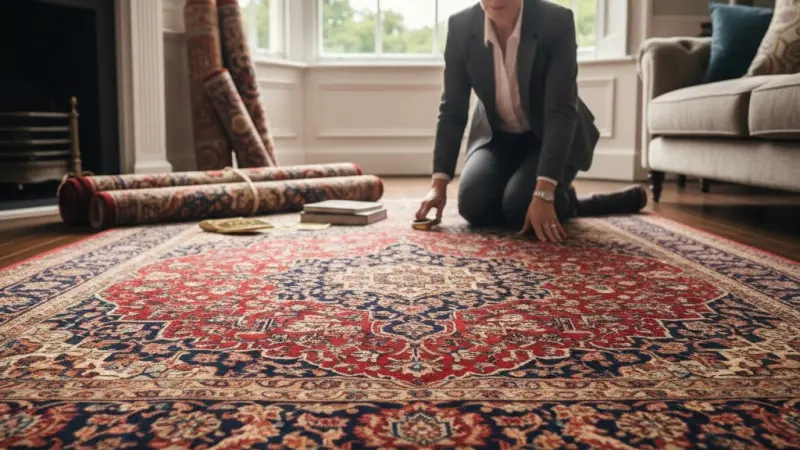
The Oriental carpet and rug sector in the United Kingdom represents a sophisticated intersection of global heritage and high-end interior design. Far from being a mere furnishing niche, the trade in "Carpets & Rugs – Oriental" is an essential pillar of the UK’s luxury retail and artisanal services economy. Historically, Britain has served as a primary hub for the international rug trade, with London’s Bond Street and the historic warehouses of the East End serving as gateways for masterpieces arriving from Persia, Anatolia, the Caucasus, and Central Asia. In the contemporary market, these items are viewed as "functional art"—assets that often appreciate in value while providing unparalleled aesthetic warmth to British homes.
Economically, the sector is revitalized by a growing consumer interest in "slow fashion" and sustainable interiors. Unlike mass-produced floor coverings, hand-knotted Oriental rugs are durable, biodegradable, and repairable, aligning perfectly with modern ecological values. For the UK economy, this sector supports a diverse ecosystem of stakeholders, from specialized importers and high-street boutique owners to highly skilled restoration experts and specialized cleaning technicians. As consumers increasingly look to find local businesses uk that offer authentic, ethically sourced products, the industry has shifted toward a model of transparency and digital accessibility. The resilience of this market lies in its ability to marry ancient craftsmanship with modern British commerce, ensuring that these timeless pieces remain a staple of luxury living and a significant contributor to the UK’s retail turnover.
The Landscape of Carpets & Rugs – Oriental in the UK
The current market landscape for Oriental carpets in the UK is characterized by a blend of traditional expertise and digital transformation. While the market saw a contraction during the initial phases of the pandemic, the subsequent "home improvement" boom led to a surge in demand. British homeowners, spending more time in their domestic spaces, sought out items that offered longevity and a sense of history. Today, the market size is estimated in the hundreds of millions of pounds, buoyed by the high transactional value of antique Persian and Afghan pieces.
Key regions of activity remain concentrated in London, specifically within the "Rug Quarter" and high-end design districts like Chelsea and Mayfair. However, significant hubs have also flourished in regional cities such as Bath, Edinburgh, and Manchester, where a wealthy demographic seeks out specialist retailers. The post-pandemic evolution has been marked by a move away from the traditional "hidden warehouse" model toward high-visibility digital presence. Consumers are no longer wandering blindly into shops; they are utilizing a uk business directory website to research provenance, read reviews, and compare collections before ever setting foot in a showroom.
Furthermore, the industry has seen a rise in the "hybrid" buyer—someone who appreciates the physical tactile experience of a rug but expects a seamless online browsing journey. This has forced many traditional dealers to modernize, adopting high-resolution photography and virtual consultations to bridge the gap. The integration of these businesses into a wider uk local business directory has become essential for maintaining visibility in an increasingly crowded digital marketplace. As we move further into the 2020s, the landscape is defined by this balance: the age-old beauty of a hand-knotted wool pile and the modern necessity of a robust online footprint.
Comprehensive Services Breakdown
The "Carpets & Rugs – Oriental" industry in the UK is not limited to sales alone; it encompasses a wide range of highly technical services that ensure the longevity of these investments. Understanding these services is vital for any collector or homeowner.
1. Procurement and Valuation
The primary service is the sourcing of authentic pieces. This includes "Tribal" rugs (nomadic origins), "City" rugs (highly intricate, workshop-produced), and "Village" rugs. Specialist dealers offer valuation services for insurance and probate, often requiring a deep knowledge of knot counts, dye types (natural vs. synthetic), and historical motifs. For those looking to list their own professional appraisal services, a business listing uk can provide the necessary exposure to clients requiring expert certifications.
2. Specialist Cleaning and Restoration
Oriental rugs require "immersion cleaning" rather than standard domestic steam cleaning, which can ruin the delicate wool or silk fibers. Professional cleaners provide dusting (removing deeply embedded grit), hand-washing, and flat-drying services. Restoration is equally important, involving "re-piling" worn areas, repairing "fringes" and "selvedges," and treating moth damage. These crafts are rare and highly sought after in the UK.
3. Consultation and Interior Design Integration
Many providers now offer "Home Trial" services, where several rugs are brought to a client’s property to see how they interact with local lighting and existing furniture. This bespoke service is a hallmark of the British trade. Professionals in this space often find that a business listing uk helps them connect with local interior designers who require reliable subcontractors for high-end projects.
How to Choose the Right Service Provider
Selecting a provider for an Oriental rug—whether for purchase or maintenance—requires due diligence.
Unlike mass-market retailers, the Oriental rug trade relies heavily on trust and specialized knowledge.
Accreditations and Reputation
Look for dealers who are members of recognized trade bodies, such as BADA (The British Antique Dealers' Association) or LAPADA. These memberships signal a commitment to ethical trading and authenticity. When searching for a provider, using a platform that features uk verified business listings ensures that you are dealing with a legitimate entity rather than a fly-by-night operation.
Reviews and Local Standing
In the age of social proof, client testimonials are invaluable. However, look beyond the stars; read the comments regarding the dealer’s knowledge of provenance and their after-sales care. A provider with a strong presence in a uk home services directory will often have a history of transparent interactions within their local community.
Insurance and Guarantees
Always verify that a restorer or cleaner has comprehensive insurance. Oriental rugs are high-value items; if a rug is damaged during a "wash," the provider must be able to cover the replacement cost. Furthermore, a reputable dealer should offer a certificate of authenticity detailing the rug’s age, origin, and material composition. Choosing from a list of uk top rated local businesses often mitigates the risk of dealing with uninsured or inexperienced handlers.
Industry Challenges & Future Outlook
The Oriental rug industry faces several modern challenges, ranging from ethical sourcing to technological disruption. One of the most significant shifts is the move toward sustainability. Consumers are now asking about "Fair Trade" certifications (such as Rugmark or GoodWeave) to ensure that no child labor was involved in the weaving process.
Sustainability also extends to the materials used. There is a growing rejection of "chemically washed" rugs in favor of those using traditional vegetable dyes. This "green" initiative is a major selling point for UK businesses. However, the cost of genuine natural dyes and hand-spun wool is rising, leading to a gap in the market between high-end authentic pieces and "Oriental-style" machine-made replicas.
Technology is also playing a role through blockchain provenance tracking, where a rug's entire history—from the loom in Shiraz to a living room in Surrey—is recorded digitally. For businesses to stay ahead of these trends, they must utilize a business listing uk to highlight their modern credentials and ethical stances. The future outlook remains positive, provided that the industry continues to educate the public on the difference between a disposable floor covering and a heritage investment. As the market becomes more transparent, those who provide a business listing uk will find it easier to communicate their unique value propositions to a discerning, eco-conscious audience.
Business Tips for Carpets & Rugs – Oriental Professionals
For professionals operating in this niche, local visibility is the engine of growth. While the product is ancient, the marketing must be cutting-edge.
1. Digital Visibility and SEO
You may have the finest Isfahan silk rug in the country, but if a customer searches for "Oriental rug specialists near me" and you don't appear, the sale is lost. It is imperative to be listed where the customers are looking. Ensuring your company appears in local business listings uk is the first step in a "Local SEO" strategy. This helps Google associate your business with specific geographic locations like London, Cotswolds, or Cheshire.
2. Educational Content Marketing
The Oriental rug world is intimidating to many. By writing guides on "How to spot a fake" or "How to remove a wine stain from wool," you position yourself as an authority. Share this content via your profile on a uk local trades directory to build trust before the customer even calls you.
3. Networking and B2B Connections
Don't just target the end consumer. Build relationships with estate agents, architects, and high-end cleaning companies. Often, a customer will ask their cleaner for a rug recommendation.
Being visible in a uk professional services listings area allows these B2B partners to find and vet you easily. Digital visibility isn't just about ads; it's about being part of the verified fabric of the British business community.
Wrapping Up & Local Page Integration
The world of Oriental carpets and rugs is one of beauty, complexity, and enduring value. For the UK consumer, these pieces represent a bridge to a rich cultural past; for the UK economy, they represent a vibrant, high-value trade sector that rewards expertise and integrity. Whether you are a buyer looking for that perfect centerpiece or a professional offering specialized restoration, the key to success is connection.
In an era where the digital and physical worlds are inextricably linked, having a reliable way to navigate the market is essential. For consumers, this means having a trusted source to find experts. For businesses, this means being visible exactly when and where a customer starts their journey. Local Page UK serves as the premier solution for this need. By acting as a comprehensive uk b2b business directory, it empowers local specialists to stand out. As we look forward, the tradition of the Oriental rug will undoubtedly continue to flourish in the UK, supported by the modern infrastructure of a robust uk online business directory.
Boost Your Visibility with Local Page UK
In the competitive Carpets & Rugs – Oriental sector, your expertise deserves to be seen. In a marketplace where authenticity is everything, being part of a verified, high-authority network is your greatest asset. Don't let your craftsmanship go unnoticed by local collectors and interior designers. To reach more customers and solidify your digital presence, we encourage you to claim your business listing uk today. Join the ranks of the UK's most trusted professionals and ensure your business is the first choice for discerning clients in your area.
Frequently Asked Questions (FAQs)
1. What is the difference between a hand-knotted and a hand-tufted rug?
A hand-knotted rug is made by individually tying knots to the warp threads, a process that can take months or years. It is incredibly durable and typically increases in value. A hand-tufted rug is made by pushing yarn through a fabric backing with a "tufting gun" and securing it with glue. These are much cheaper, do not last as long, and are not considered authentic Oriental rugs.
2. How can I tell if a rug uses natural or synthetic dyes?
Natural dyes (from plants and minerals) tend to have more "abrash" (subtle color variations) and age gracefully over time. Synthetic dyes can sometimes look "flat" or overly bright. A common test is to rub a damp white cloth on the rug; if the color bleeds easily, it might be a poor-quality synthetic dye, though some high-quality natural dyes can also "crop" slightly.
3. How often should I professionally clean my Oriental rug?
For most homes, a professional deep clean every 3 to 5 years is sufficient. However, rugs in high-traffic areas or homes with pets may require cleaning every 1 to 2 years. Regular vacuuming (without a beater bar) and rotating the rug 180 degrees every year will help extend the time between professional cleanings.
4. Are Oriental rugs a good financial investment?
High-quality, antique, or rare hand-knotted rugs often appreciate in value, much like fine art. However, "investment grade" rugs require careful selection based on provenance, condition, and rarity.
Always consult a specialist found via a reputable business directory to ensure you are buying an authentic piece.
5. Why is my rug shedding so much wool?
New hand-knotted rugs often shed "latent" wool fibers left over from the shearing process. This is normal and should subside after a few months of regular vacuuming. If an older rug begins shedding excessively, it may be a sign of dryness or moth damage, and you should contact a specialist via Localpage immediately.
6. Can a badly torn Oriental rug be repaired?
Yes, highly skilled restorers can re-weave holes, fix tears, and even replace missing sections of the rug. They match the original wool type, dye color, and knotting technique to make the repair almost invisible. The cost of repair should be weighed against the rug's sentimental or market value.
7. What is "Abrash" in a Persian rug?
Abrash refers to the natural variations in color found within a single hue in a rug. This occurs because different batches of hand-spun wool absorb vegetable dyes differently. In the world of Oriental rugs, abrash is considered a sign of authenticity and artisanal beauty, not a defect.
8. How do I protect my rug from moth damage?
Moths are the greatest enemy of wool rugs. They prefer dark, undisturbed areas (like under a sofa). Regular vacuuming, moving furniture occasionally, and using a moth repellent can help. If you suspect an infestation, seek professional "moth-proofing" services from a verified local provider.
9. Should I use a rug pad or underlay?
Absolutely. A high-quality rug pad prevents the rug from sliding (safety), reduces friction between the rug and the floor (longevity), and provides extra cushioning. It also allows the rug to "breathe," preventing the buildup of moisture or fine grit underneath the pile.
10. What does the "Knot Density" or KPSI mean?
KPSI stands for Knots Per Square Inch. Generally, a higher KPSI indicates a more detailed design and a more labor-intensive production process. While KPSI is an indicator of quality, it is not the only factor; the quality of the wool, the beauty of the design, and the age of the piece are equally important.
11. Can I use a steam cleaner on my silk rug?
No. Never use steam or hot water on a silk rug, as it can permanently damage the delicate fibers and cause colors to run. Silk rugs should only be handled by specialists who use dry-cleaning or very specific low-moisture hand-washing techniques designed for protein fibers.
12. What is the "Serafian" signature found on some rugs?
A signature woven into the edge of a rug usually denotes a master workshop. "Serafian" is one of the most famous Isfahan workshops. While a signature adds value, be cautious, as signatures are sometimes faked on lower-quality rugs to inflate the price. Always verify provenance.
13. Is it normal for the fringes of my rug to wear out?
Fringes are the exposed ends of the warp threads and are often the first part of a rug to show wear. They can be "secured" to prevent further unravelling or completely replaced by a restorer. Never use a vacuum cleaner directly over the fringes, as the suction can tear them.
14. How should I store an Oriental rug if I’m moving house?
The rug should be cleaned, treated for moths, and rolled (never folded) with the pile facing inwards. Wrap it in a breathable material like Tyvek
or cotton sheets—never plastic, which can trap moisture and cause rot. Store it in a dry, elevated place away from direct sunlight.
15. How do I find a reliable rug dealer in my local area?
The best way to find a trustworthy professional is to use a dedicated platform that verifies businesses. By checking local listings and reading customer reviews, you can ensure the dealer has a proven track record. For the most reliable results in the UK, consult the Local page directory.
Disclaimer: The information provided in this article is for general informational and research purposes only. Company details, features, services, and market positions may change over time. Readers are advised to visit official company websites and conduct independent research before making any business decisions or purchasing services.
Most Searchable Keywords
Recent Blogs


Related Listings
Categories
- Accountants (295)
- Advertising Agencies (559)
- Architects (149)
- Automobiles (377)
- Beauty (300)
- Carpenters (146)
- Cleaning Services (387)
- Dentists (189)
- Driving (62)
- Electricians (215)
- Energy (8)
- Event Organiser (686)
- Finance (602)
- Guide (3375)
- Health (2207)
- Information technology (206)
- Legal Services (354)
- Logistics (6)
- Maintenance (65)
- Manufacturing (35)
Sponsored Listings in Entertainment Services


Related Blogs

Step-by-Step Guide to Claiming a TV Licence D...
Read this insightful article "Step-by-Step Guide to Claiming a TV Licence Discount or Exemption" to expand your knowledge!

Meet the Fair Work Agency Changing UK Work Ru...
Read this insightful article "Meet the Fair Work Agency Changing UK Work Rules in 2026" to expand your knowledge!

Collective Redundancy Errors Now Carry Higher...
Read this insightful article "Collective Redundancy Errors Now Carry Higher 2026 Penalties" to expand your knowledge!
Questions & Answers – Find What
You Need, Instantly!
How can I update my business listing?
Is it free to manage my business listing?
How long does it take for my updates to reflect?
Why is it important to keep my listing updated?
