
Professional Carpet, Curtain & Upholstery Cleaning Services Explained
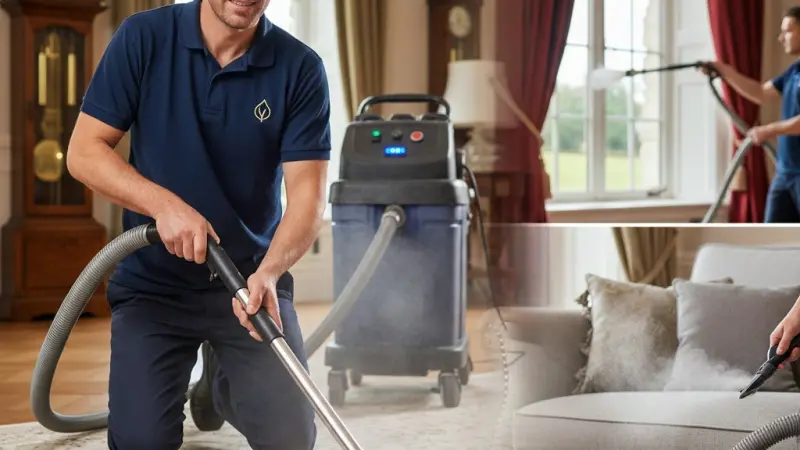
The soft furnishing maintenance sector is a cornerstone of the UK’s domestic and commercial service economy. Encompassing professional carpet, curtain, and upholstery cleaning, this industry plays a vital role in maintaining the hygiene, aesthetic appeal, and longevity of British interiors. In a country where heavy rainfall and high humidity are frequent, the accumulation of allergens, dust mites, and moisture-related issues makes professional cleaning not just a luxury, but a health necessity.
Economically, the sector is comprised of thousands of micro-businesses, independent contractors, and large-scale franchises. These professionals contribute significantly to the UK’s GDP, providing essential services to residential homeowners, letting agents, and the corporate hospitality sector. As the "Build-to-Rent" market expands across major UK cities, the demand for "end-of-tenancy" cleaning services has surged, placing the carpet and upholstery specialist at the heart of the property cycle.
Furthermore, the industry is increasingly viewed through the lens of asset management. High-quality wool carpets, designer linen curtains, and velvet upholstery represent substantial financial investments for UK households. Professional cleaners act as custodians of these assets, employing advanced chemistry and mechanical expertise to prevent premature wear. To navigate this competitive market, many consumers turn to a uk business directory website to identify reputable local specialists who possess the necessary training and equipment to handle delicate fabrics.
The Landscape of Carpet, Curtain & Upholstery Cleaners in the UK
The UK market for specialized cleaning services has undergone a profound transformation over the last decade. Currently valued at several hundred million pounds, the industry is characterized by its resilience. While the broader "cleaning" sector is vast, the niche of soft furnishings requires higher technical proficiency and specialized machinery, creating a barrier to entry that protects established professionals.
Key regions of activity include London and the South East, where a high density of premium residential properties and corporate offices creates a constant cycle of demand. However, Northern hubs like Manchester, Leeds, and Birmingham have seen a significant rise in professional cleaning activity due to urban regeneration and the proliferation of high-end apartment living. In these regions, the competitive landscape is fierce, and businesses often rely on a business listing uk to gain a foothold against larger national franchises.
Post-pandemic, the industry has evolved significantly. The COVID-19 era shifted the consumer focus from "visual cleanliness" to "microbial hygiene." This led to a boom in antiviral sanitisation services, which many carpet cleaners integrated into their standard steam cleaning packages. We have also seen a shift in consumer behavior; the "stay-at-home" trend meant that soft furnishings were subjected to more wear and tear, leading to a 20% increase in domestic booking frequencies in 2022 and 2023. This evolution has forced many traditional "man-and-van" operations to modernise their digital presence to remain relevant in a tech-savvy market.
Comprehensive Services Breakdown
The modern cleaning professional offers far more than a simple "shampoo." The services are dictated by the science of the fabric and the nature of the soilage.
1. Carpet Cleaning Technologies
Hot Water Extraction (HWE): Often mistakenly called steam cleaning, this is the industry gold standard. It involves injecting pressurized hot water and eco-friendly detergents into the carpet pile and immediately extracting it with high-suction vacuums.
Very Low Moisture (VLM): Ideal for commercial environments where fast drying times are essential. This method uses encapsulation polymers that trap dirt in a crystal form, which is then vacuumed away.
2. Upholstery and Delicate Fabric Care
Upholstery cleaning is a high-risk, high-reward service. Unlike carpets, sofas have various fillings and structural components that can be damaged by over-wetting. Professionals must identify the fabric (natural, synthetic, or blended) before choosing between wet extraction or dry solvent cleaning.
3. Curtain and Drapery Cleaning
Curtains are the largest "filters" in a home, trapping dust and airborne pollutants. Many UK specialists now offer "in-situ" cleaning, allowing curtains to be cleaned while hanging.
This avoids the risk of shrinkage often associated with traditional dry cleaning. To find a specialist who offers these advanced onsite services, consumers frequently browse uk local business search platforms to compare local expertise.
4. Specialised Stain Removal and Protection
Beyond general cleaning, the application of fluorochemical protectors (such as Scotchgard alternatives) is a high-margin service. These treatments provide an invisible barrier against oil and water-based spills, extending the time between professional cleans.
How to Choose the Right Service Provider
For the British consumer, the abundance of choice can be overwhelming. However, several key indicators separate the professionals from the amateurs.
Accreditations and Training: Look for members of the NCCA (National Carpet Cleaners Association). This is the only UK trade body dedicated to this sector. Members must undergo formal training and hold adequate insurance.
Insurance: A professional must have public liability insurance and, crucially, "treatment risk" insurance. Standard liability often does not cover the item being worked upon; if a cleaner ruins a £5,000 silk sofa, treatment risk insurance is what protects the homeowner.
Reviews and Reputation: In the digital age, social proof is paramount. Consumers should look for detailed reviews that mention punctuality, professionalism, and the removal of specific stains. Verified platforms like uk top rated local businesses provide a layer of trust that anonymous reviews cannot match.
Equipment: A true professional rarely uses a "Rug Doctor" or a small domestic machine. Look for high-powered portable extractors or "truck-mount" systems that are powered by a van’s engine, providing superior heat and suction.
Industry Challenges & Future Outlook
The UK cleaning industry faces a dual challenge: rising operational costs and the urgent need for sustainability. Fuel prices and the cost of professional-grade chemicals have risen by nearly 30% in the last two years, squeezing the margins of smaller operators.
Sustainability and Green Initiatives: There is a massive shift toward "Green Cleaning." Modern British consumers are wary of harsh chemicals, especially those with young children or pets. The industry is responding with plant-based, biodegradable detergents and "carbon-neutral" cleaning processes. Businesses that adopt these practices often highlight them on a business listing uk to attract the eco-conscious demographic.
Technology Shifts: We are seeing the introduction of AI-integrated scheduling and robotic vacuuming for large-scale commercial carpet maintenance. However, the specialized nature of stain removal and upholstery care remains a deeply human skill that technology has yet to replicate.
Regulatory Changes: While the industry is currently self-regulated, there are calls for mandatory licensing to ensure chemical safety and waste-water disposal compliance. This will likely lead to a "flight to quality," where only the most professionalized businesses survive.
Business Tips for Cleaning Professionals
For those operating in this sector, marketing is no longer just about flyers in letterboxes.
Digital visibility is the lifeline of a modern cleaning business.
Local SEO: Most searches for cleaning services are "near me" searches. It is essential to optimize your Google Business Profile and ensure you are listed in a reputable uk service listings directory. This builds "NAP" (Name, Address, Phone Number) consistency, which is a major ranking factor.
Content Marketing: Don't just sell cleaning; sell expertise. Write blog posts on "How to handle a red wine spill" or "Why your curtains smell like dust." This establishes you as an authority in your local area.
Lead Generation: High-quality leads come from being where the customers are looking. Participating in a uk b2b business directory can open doors to lucrative commercial contracts with offices and hotels, while residential directories handle the B2C side.
Wrapping Up & Local Page Integration
The carpet, curtain, and upholstery cleaning industry is a vital component of the UK's service infrastructure. From preserving historical drapes in stately homes to ensuring the carpets in a London high-rise are allergen-free, these professionals provide a service that impacts health, comfort, and property value.
As the industry becomes more digitized, the gap between "invisible" businesses and "visible" ones grows. For any UK cleaning professional, the most important step is ensuring that local customers can find you at the exact moment they need your services. Local Page UK serves as the premier bridge between these skilled trade professionals and the British public. By providing a platform where reputation and locality meet, it empowers small businesses to compete on a level playing field.
Boost Your Visibility with Local Page UK
In the competitive world of home services, your skills are only half the battle; the other half is being discovered. For professionals in the carpet and upholstery sector, digital presence is your 24/7 shop front. We encourage all UK cleaning specialists to claim their business listing uk today. By joining our network, you place your business in front of thousands of local customers actively seeking your expertise. Don't let your competitors take the lead—verify your business and start growing your local reputation now.
FAQ
1. Why should I hire a professional instead of renting a machine?
Professional machines provide significantly higher suction and heat than rental units. This ensures that detergents are fully extracted and that the carpet is not left over-wet, which can lead to mould and browning. Professionals also have the chemistry knowledge to treat specific stains without causing permanent damage.
2. How often should carpets be professionally cleaned in the UK?
For most households, an annual clean is recommended. However, homes with pets, smokers, or allergy sufferers should consider a professional service every 6 months to maintain indoor air quality and hygiene.
3. Can you clean curtains while they are still hanging?
Yes, many specialists offer in-situ curtain cleaning using specialized hand tools and low-moisture methods. This prevents the hassle of
taking them down and the risk of the fabric shrinking in a traditional dry cleaning plant.
4. Is professional upholstery cleaning safe for all fabrics?
Most fabrics can be cleaned, but a pre-inspection is vital. A professional will perform a "fibre ID test" and a "colourfastness test" to determine the safest method, whether it be wet extraction or dry cleaning.
5. Where can I find a reliable local cleaning service in my area?
The best way to find verified and reputable trade professionals is to use a high-quality Localpage directory which allows you to filter by location and service type.
6. How long does it take for carpets to dry after cleaning?
Depending on the method used and the ventilation in the room, drying times usually range from 2 to 6 hours. High-powered professional equipment removes 90% of the moisture during the process.
7. Do professional cleaners guarantee the removal of all stains?
No honest professional can guarantee 100% stain removal, as some substances can permanently dye the fibres. However, they have a much higher success rate than DIY attempts due to advanced professional spotting agents.
8. Are the cleaning chemicals used safe for children and pets?
Most modern UK professionals use eco-friendly, non-toxic, and biodegradable solutions. Always ask your provider for their "green" credentials or if they use detergent-free cleaning options.
9. What is the NCCA and why does it matter?
The National Carpet Cleaners Association (NCCA) is the UK's only trade body for the sector. Hiring an NCCA-accredited cleaner ensures they are trained, insured, and abide by a strict code of practice.
10. Can cleaning my carpets help with my allergies?
Absolutely. Carpets act as a filter for dust, pollen, and pet dander. Over time, this filter becomes "full." Professional cleaning removes these trapped allergens, significantly improving indoor air quality.
11. Does professional cleaning remove the "pet smell" from sofas?
Yes, professionals use enzymatic cleaners that break down the proteins in pet urine and dander, effectively neutralising the odour at its source rather than just masking it with fragrance.
12. Should I vacuum before the cleaner arrives?
While most professionals include a thorough industrial vacuum as part of their service, a quick pre-vacuum to remove surface debris is always appreciated and allows the technician to focus on deep cleaning.
13. What is "End of Tenancy" carpet cleaning?
This is a specific service required by many UK tenancy agreements. It provides a receipt of professional cleaning to ensure the tenant receives their full deposit back from the landlord or letting agent.
14. How do I know if my upholstery is "Dry Clean Only"?
You should check the care label on your furniture. A "W" means wet cleaning is fine,
an "S" means solvent/dry clean only, and an "X" means only vacuuming is permitted.
15. Is it worth listing my cleaning business online?
Yes, appearing in a reputable Local page helps you build local authority, improves your search engine rankings, and makes it easier for customers in your specific town to find and book your services.
Disclaimer: The information provided in this article is for general informational and research purposes only. Company details, features, services, and market positions may change over time. Readers are advised to visit official company websites and conduct independent research before making any business decisions or purchasing services.
Most Searchable Keywords
Recent Blogs


Related Listings
Categories
- Accountants (295)
- Advertising Agencies (559)
- Architects (149)
- Automobiles (377)
- Beauty (300)
- Carpenters (146)
- Cleaning Services (387)
- Dentists (189)
- Driving (62)
- Electricians (215)
- Energy (8)
- Event Organiser (686)
- Finance (602)
- Guide (3373)
- Health (2207)
- Information technology (206)
- Legal Services (353)
- Logistics (6)
- Maintenance (65)
- Manufacturing (35)
Sponsored Listings in Travel Agencies


Related Blogs

Explore Dog Friendly Walks in the Cotswolds f...
Read this insightful article "Explore Dog Friendly Walks in the Cotswolds for 2026" to expand your knowledge!

How Much Do UK Actors Really Earn Full Indust...
Read this insightful article "How Much Do UK Actors Really Earn Full Industry Breakdown" to expand your knowledge!

Blue Light Card UK 2026 Check Eligibility and...
Read this insightful article "Blue Light Card UK 2026 Check Eligibility and Claim" to expand your knowledge!
Questions & Answers – Find What
You Need, Instantly!
How can I update my business listing?
Is it free to manage my business listing?
How long does it take for my updates to reflect?
Why is it important to keep my listing updated?
