
Refurbishment & Restoration Contractors: A Property Owner’s Guide
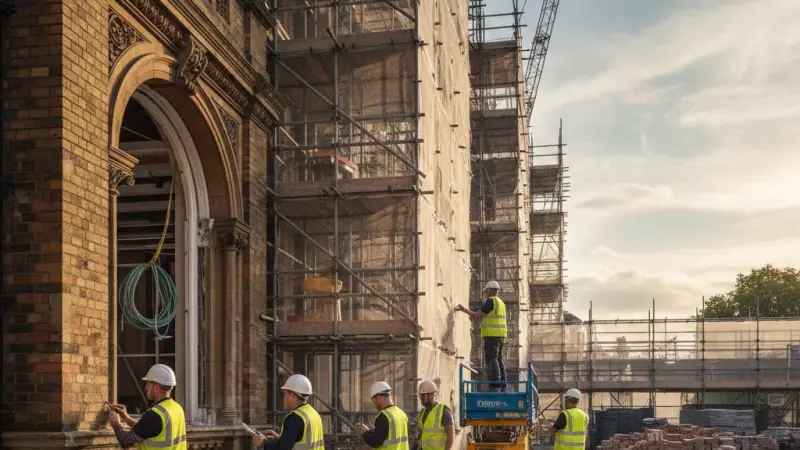
The United Kingdom is a nation defined by its architecture. From the timber-framed structures of the Tudor era to the grand Victorian terraces and the sleek, brutalist lines of the mid-century, our built environment is a living history. However, maintaining this heritage while meeting modern living standards requires a specialized workforce. This is where Refurbishment & Restoration Contractors become indispensable. As of 2026, the sector has transitioned from a supporting role in the construction industry to a primary driver of economic growth and urban regeneration.
For property owners—whether residential homeowners, commercial landlords, or public sector estate managers—understanding the nuances of this sector is vital. Refurbishment focuses on the renovation, improvement, and modernization of existing structures. Restoration, conversely, is a meticulous process of returning a building to its former state, often using traditional materials and techniques to preserve historical integrity. Together, these services ensure that the UK’s aging building stock remains safe, efficient, and aesthetically pleasing.
The economic importance of this sector cannot be overstated. With the UK government’s stringent "Net Zero" targets, the focus has shifted heavily toward "retrofitting" rather than rebuilding. Demolishing old structures and building new ones is carbon-intensive; therefore, restoring and refurbishing existing buildings is the most sustainable path forward. This shift has created a high demand for skilled contractors who can bridge the gap between historical craftsmanship and 21st-century technology. Navigating this market requires a reliable uk business directory website to identify specialists capable of handling complex projects.
In this guide, we will explore the landscape of the UK refurbishment market, delve into the specific services offered, provide a framework for choosing the right contractor, and look toward the future of an industry that is quite literally reshaping the face of the British Isles.
The Landscape of Building Refurbishment & Restoration Contractors in the UK
The UK refurbishment and restoration market has undergone a significant transformation over the last five years. Currently, the market is valued at several billion pounds, representing a substantial portion of the total construction output. Post-pandemic, the industry has seen a "flight to quality." As people spent more time at home, the demand for residential refurbishments skyrocketed, while commercial sectors saw a massive pivot as office spaces were repurposed into residential or mixed-use developments.
Geographically, activity remains highest in London and the South East, driven by high property values and a dense concentration of listed buildings. However, "Levelling Up" initiatives have spurred growth in Northern hubs like Manchester, Leeds, and Liverpool, where former industrial warehouses are being restored into luxury lofts and creative workspaces. In Scotland and Wales, restoration efforts are often focused on preserving heritage sites and traditional stone-built housing, requiring niche expertise.
The evolution of the industry post-pandemic has also been marked by supply chain resilience. Contractors have had to adapt to fluctuating material costs and labor shortages by becoming more efficient in their project management. This has led to a more professionalized sector where the best firms are those that leverage a uk online business directory to build robust B2B networks and source specialized subcontractors.
Furthermore, the "Green Homes Grant" legacy and subsequent schemes have permanently altered the landscape. Homeowners are no longer just looking for aesthetic upgrades; they are demanding energy performance certificates (EPC) improvements. Contractors are now as much energy consultants as they are builders, integrating heat pumps, solar glass, and advanced insulation into centuries-old structures without compromising their character.
Comprehensive Services Breakdown
The scope of work within the refurbishment and restoration sector is vast. It ranges from "light" refurbishments—such as interior redecoration and kitchen fitting—to "heavy" restoration involving structural stabilization and historical conservation.
Structural Restoration and Conservation
This is the most specialized arm of the industry. It involves working on Grade I and Grade II listed buildings where every intervention must be approved by local planning authorities and Historic England. Services include lime pointing, timber frame repairs, and the restoration of decorative plasterwork or stained glass. Professionals in this field must have a deep understanding of heritage materials to ensure that the building "breathes" as it was designed to.
Modern Refurbishment and Retrofitting
Retrofitting is the buzzword of the decade. This includes upgrading the thermal envelope of a building to reduce carbon emissions. Contractors offer services such as internal and external wall insulation, floor insulation, and the installation of smart home systems. This service is often listed under business listing uk options for newer firms specializing in eco-friendly transitions.
Commercial to Residential Conversions
With the changing nature of high streets and office culture, many contractors now specialize in PDR (Permitted Development Rights) projects.
This involves stripping back commercial carcasses and installing the necessary plumbing, electrical, and life-safety systems to create modern apartments.
Common Services Table
| Service Type | Key Focus | Common Tasks |
|---|---|---|
| Damp Proofing | Moisture Control | Tanking, DPC injection, timber treatment |
| Roofing Restoration | Weatherproofing | Slate replacement, leadwork, chimney repairs |
| Joinery | Woodwork | Sash window repair, bespoke cabinetry |
| M&E Upgrades | Utility Efficiency | Rewiring, plumbing, HVAC installation |
How to Choose the Right Service Provider
Selecting a contractor is the most critical decision a property owner will make. A poorly executed restoration can lead to structural damage and a significant loss in property value. To ensure success, owners should consult a uk home services directory to find vetted professionals.
Accreditations and Memberships
Look for contractors who are members of recognized trade bodies. The Federation of Master Builders (FMB) and the Guild of Master Craftsmen are excellent indicators of quality. For heritage work, check if the contractor is on the Conservation Officers' list or a member of the Society for the Protection of Ancient Buildings (SPAB).
Insurance and Guarantees
Never hire a contractor without verifying their Public Liability Insurance and Employers' Liability Insurance. Furthermore, for large-scale refurbishments, ask about Insurance Backed Guarantees (IBGs). This ensures that if the company ceases trading, your warranty remains valid.
Local Reputation and Reviews
In the UK, local reputation is king. A contractor who has worked extensively in your specific borough will understand the local soil conditions, planning nuances, and the specific architectural styles of the area. Using uk service listings allows you to read authentic reviews from previous clients in your vicinity.
Detailed Quotations
Avoid "estimates" and insist on a "fixed-price quote." A professional contractor will provide a detailed "Schedule of Works," breaking down costs for labor, materials, and waste disposal. This transparency prevents "scope creep" and budget overruns mid-project.
Industry Challenges & Future Outlook
The refurbishment sector faces several headwinds. The most pressing is the skills gap. As the older generation of stonemasons and leadworkers retires, there is a desperate need for young apprentices to take up these traditional crafts. Simultaneously, the industry must embrace digital transformation.
Technological Shifts
Building Information Modelling (BIM) is no longer just for new builds. Large-scale restoration projects now use 3D laser scanning to create digital twins of historic buildings. This allows contractors to plan interventions with millimeter precision, reducing waste and protecting fragile structures. Innovative firms often list these high-tech capabilities on a business listing uk to stand out from traditional competitors.
Regulatory Changes
The Building Safety Act 2022 has introduced more stringent oversight, particularly for multi-occupancy buildings. Contractors must now demonstrate "competency" more rigorously than ever before. Additionally, changes to Part L of the Building Regulations mean that even minor refurbishments must now meet higher energy efficiency standards.
Sustainability
The future of the industry is "Circular." We are moving toward a model where materials from stripped-back buildings are reclaimed and reused on-site. This reduces the carbon footprint of the project and maintains the material continuity of the structure. Finding suppliers for these reclaimed materials is easier through a dedicated uk business directory.
Business Tips for Building Refurbishment & Restoration Contractors Professionals
For contractors, the quality of your work is your best marketing tool, but in 2026, it isn't enough. You need a digital presence that reflects your craftsmanship.
Digital Visibility and Local SEO
Most property owners start their search online. If your business doesn't appear when they search for "restoration specialist near me," you are losing leads.
Ensuring your business is featured in uk verified business listings is a foundational step in building trust and authority.
Content Marketing
Showcase your expertise by documenting your projects. High-quality "before and after" photos and videos of your team performing specialized tasks (like lime raking or ornate cornice repair) are incredibly persuasive. Use social media to tell the story of a building’s transformation.
Networking and Partnerships
Build relationships with local architects, surveyors, and estate agents. They are the primary gatekeepers for refurbishment projects. Often, these professionals look for partners via a uk local trades directory to recommend to their clients.
Managing Your Online Reputation
Encourage satisfied clients to leave reviews. Respond to every review—even the rare negative ones—with professionalism and a focus on resolution. This shows prospective clients that you are accountable and care about customer satisfaction.
Wrapping Up & Local Page Integration
The refurbishment and restoration sector is the heartbeat of the UK’s built environment. It protects our history while making our future sustainable. For property owners, the journey of transforming a building is complex, but with the right partners, it is immensely rewarding.
For businesses operating in this space, staying competitive requires more than just a toolbox; it requires a powerful digital footprint. This is where Local Page UK comes in. As the premier uk business listings online platform, it connects skilled craftsmen with the property owners who need them most. Whether you are a solo heritage joiner or a large-scale refurbishment firm, being part of a trusted network is the key to long-term success in the British market.
Boost Your Visibility with Local Page UK
In an industry where trust and local reputation are everything, your online presence shouldn't be left to chance. For professionals in the Building Refurbishment & Restoration sector, being easily discoverable by local clients is the difference between a full pipeline and a quiet season. We invite you to claim your business listing uk today. Join the thousands of UK businesses that use our platform to showcase their expertise, collect reviews, and grow their brand.
FAQs
1. What is the difference between refurbishment and restoration?
Refurbishment generally refers to the process of cleaning, decorating, or re-equipping a building to bring it up to modern standards of comfort and efficiency. It often involves replacing old systems with new ones. Restoration, however, is specifically focused on preserving the historical character of a building. It involves using period-accurate materials and techniques to return a structure to its original state. While refurbishment focuses on the future use of the building, restoration focuses on its past heritage.
2. Do I need planning permission for internal refurbishments?
In most cases, internal refurbishments like painting, installing a new kitchen, or replacing floorboards do not require planning permission. However, if your property is a "Listed Building," you will likely need Listed Building Consent for almost any internal change.
Additionally, if the refurbishment involves structural changes, such as removing a load-bearing wall or changing the use of a room (e.g., turning a garage into a bedroom), you must comply with Building Regulations even if planning permission isn't required.
3. How do I find a specialist for a Grade II listed property?
Working on listed properties requires a contractor with specific heritage skills. You should look for firms that have experience working with lime mortar, traditional timber framing, and leadwork. A great way to find these specialists is to search through a uk professional services listings site. You should also check the "Building Conservation Directory" and ask for references from previous projects involving similar historical constraints to ensure they understand the delicate nature of the work.
4. What is the average cost of a full house refurbishment in the UK?
The cost varies wildly depending on the location, the size of the property, and the level of finish required. On average, a full refurbishment for a three-bedroom house in the UK can range from £40,000 to over £150,000. This includes new wiring, plumbing, heating systems, plastering, and mid-range kitchen and bathroom fittings. If the project involves structural restoration or high-end bespoke finishes, the costs can escalate quickly. Always get multiple quotes to understand the market rate.
5. Why is digital visibility important for local contractors?
Most customers today use their smartphones to find local services. If your business isn't listed where they are looking, you are invisible to a huge portion of the market. Being part of a reputable directory like Localpage helps improve your local search engine ranking (SEO). It provides a platform for reviews, which builds immediate trust with potential clients. In a competitive local market, having a professional online profile is just as important as having a professional-looking van.
6. What should be included in a refurbishment contract?
A solid contract should include a detailed scope of work, a clear payment schedule (avoid paying 100% upfront), start and completion dates, and a plan for waste disposal. It should also specify who is responsible for obtaining necessary permits. Additionally, ensure there is a "retention" clause where you hold back a small percentage (usually 5%) of the final payment for 3–6 months to ensure any "snags" or minor issues are fixed by the contractor.
7. How long does a typical restoration project take?
Restoration is often slower than standard construction because it requires careful handiwork and often involves waiting for specific materials or architectural approvals. A simple room restoration might take a few weeks, while a full building restoration can take 6 to 18 months. Factors like weather (especially for exterior lime work) and the discovery of unexpected structural issues during the "strip-back" phase can also impact the timeline significantly.
8. What are the current trends in sustainable refurbishment?
The biggest trend is "fabric first" retrofitting. This involves improving the insulation and airtightness of the building envelope before adding expensive renewable energy tech. Other trends include the use of natural insulation materials like sheep’s wool or hempcrete, the installation of mechanical ventilation with heat recovery (MVHR) systems, and the use of low-VOC (volatile organic compound) paints to improve indoor air quality. Many homeowners are also opting for "smart" systems to monitor energy use.
9. Can I live in my house during a major refurbishment?
While it is possible, it is often not recommended for major projects. The dust, noise, and lack of essential services like water or electricity can be highly stressful. Living on-site can also slow down the contractors, as they have to "make safe" and clean up at the end of every single day. If you must stay, try to ensure at least one "clean zone" (a bedroom and bathroom) remains fully functional throughout the duration of the work.
10. How do I verify a contractor's insurance?
Don't just take their word for it. Ask to see a copy of their insurance certificate and check the expiry date. For total peace of mind, you can contact the insurance provider directly to verify that the policy is active and covers the specific type of work being performed at your property. Ensure they have both Public Liability (covers damage to your property or injury to third parties) and Employers' Liability (covers their workers).
11. What is "damp proofing" in restoration?
Damp is a common issue in older UK buildings. In restoration, the goal is often to restore the building’s natural ability to manage moisture. This might involve removing modern cement renders that trap moisture and replacing them with breathable lime renders. It may also involve improving sub-floor ventilation. Modern "damp-proof courses" (DPC) can be injected, but in very old buildings, traditional methods are often preferred to prevent long-term damage to the masonry.
12. Are there grants available for building restoration in the UK?
There are several grants available, though they are often highly specific. Historic England provides grants for repairs to "Heritage at Risk" properties. Local authorities sometimes offer grants for the restoration of shopfronts in conservation areas. For energy-efficiency refurbishments, schemes like the "Boiler Upgrade Scheme" or various local council "Green Home" initiatives can provide financial support. It is worth checking with your local planning office to see what is currently available for your property type.
13. What is the role of a Quantity Surveyor in refurbishment?
For large projects, a Quantity Surveyor (QS) is invaluable. They manage the costs of the project from start to finish. They help in the initial budgeting phase, manage the tendering process to find the best value contractor, and monitor the work to ensure that payments made to the contractor accurately reflect the work completed. A QS can often save you more money than they cost by preventing overcharging and managing the financial risks of the project.
14. How does Brexit affect the UK refurbishment industry?
The primary impacts have been on the supply chain and labor. The cost of imported materials like timber and specialized stone has increased due to new customs procedures and fluctuating exchange rates.
Additionally, the industry has seen a reduction in the availability of skilled labor from the EU. This has led to longer lead times for projects and higher labor costs, emphasizing the need for property owners to book reputable contractors well in advance.
15. How do I choose between multiple quotes?
The cheapest quote is rarely the best. Look for the most "complete" quote. If one contractor is significantly cheaper, check if they have excluded things like waste removal, scaffolding, or VAT. Compare the level of detail provided; a contractor who takes the time to itemize the quote is likely to be more thorough on the job. Use a uk local business search to see if their past clients felt they provided good value for the price paid. Finally, go with the person you feel you can communicate with best, as you'll be working closely with them. You can find many such professionals on Local page.
Disclaimer: The information provided in this article is for general informational and research purposes only. Company details, features, services, and market positions may change over time. Readers are advised to visit official company websites and conduct independent research before making any business decisions or purchasing services.
Most Searchable Keywords
Recent Blogs


Related Listings
Categories
- Accountants (295)
- Advertising Agencies (559)
- Architects (149)
- Automobiles (377)
- Beauty (300)
- Carpenters (146)
- Cleaning Services (387)
- Dentists (189)
- Driving (62)
- Electricians (215)
- Energy (8)
- Event Organiser (686)
- Finance (602)
- Guide (3374)
- Health (2207)
- Information technology (206)
- Legal Services (354)
- Logistics (6)
- Maintenance (65)
- Manufacturing (35)
Sponsored Listings in Cleaning Services



Related Blogs

Meet the Fair Work Agency Changing UK Work Ru...
Read this insightful article "Meet the Fair Work Agency Changing UK Work Rules in 2026" to expand your knowledge!

Collective Redundancy Errors Now Carry Higher...
Read this insightful article "Collective Redundancy Errors Now Carry Higher 2026 Penalties" to expand your knowledge!

Explore Dog Friendly Walks in the Cotswolds f...
Read this insightful article "Explore Dog Friendly Walks in the Cotswolds for 2026" to expand your knowledge!
Questions & Answers – Find What
You Need, Instantly!
How can I update my business listing?
Is it free to manage my business listing?
How long does it take for my updates to reflect?
Why is it important to keep my listing updated?
