
Smart Home Device Marketing Advantages for Insurance Providers
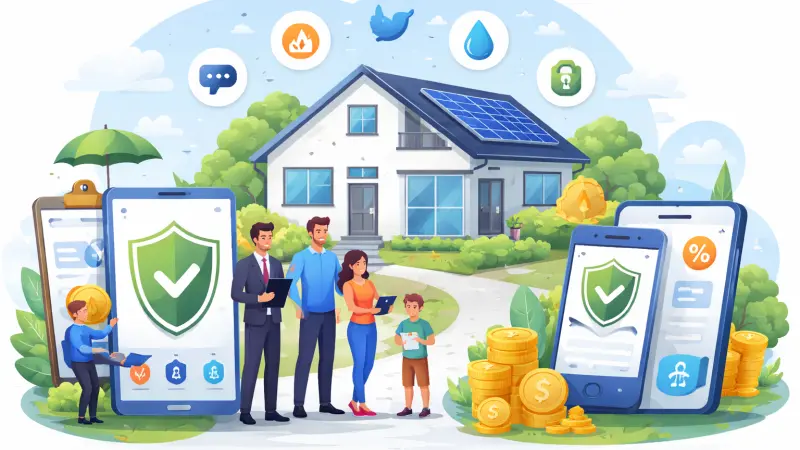
Could the very gadgets designed to make our lives more convenient also be the key to revolutionising the relationship between homeowners and their insurance providers? In the United Kingdom, the rapid adoption of Internet of Things (IoT) technology ranging from intelligent leak detectors to sophisticated security cameras is fundamentally altering the landscape of domestic risk management. For insurance companies, these devices represent far more than simple hardware; they are a gateway to unprecedented marketing advantages and operational efficiencies. By integrating smart home technology into their core offerings, UK insurers can transition from a reactive "repair and replace" model to a proactive "predict and prevent" strategy. This shift not only reduces the frequency and severity of claims but also provides a wealth of granular data that can be used to tailor marketing messages, improve customer retention, and refine risk pricing with surgical precision. As we delve into the multifaceted benefits of this technological synergy, it becomes clear that those who embrace the smart home revolution will gain a significant competitive edge in an increasingly crowded financial services market.
The Shift to Proactive Risk Mitigation
One of the most significant marketing advantages of smart home devices lies in their ability to transform the insurer’s brand image from a necessary financial burden to a helpful partner in home safety. Traditionally, an insurance provider only interacted with a customer during the annual renewal or in the unfortunate event of a claim. This creates a disconnect where the brand is associated primarily with loss and bureaucracy. However, by incentivising the use of smart water leak sensors, smoke alarms, and security systems, insurers can actively participate in the protection of the property. When a sensor detects a minor leak and alerts the homeowner via a smartphone app before a pipe bursts, the insurer has effectively saved the customer from a major headache. From a marketing perspective, this creates a powerful narrative of care and prevention. It allows providers to market "peace of mind" as a tangible service rather than an abstract concept. This proactive stance is particularly appealing to the modern UK consumer, who increasingly values utility and technological integration in their financial products.
Furthermore, the data generated by these devices allows for a more nuanced understanding of property risks. Standard actuarial models often rely on broad demographic data, such as the age of the property or the crime rate in a specific postcode. While useful, these metrics are inherently limited. Smart home devices provide real-time, property-specific information that can highlight individual responsible behaviours. For instance, a household that consistently arms its smart security system or maintains a steady temperature to prevent frozen pipes is demonstrably a lower risk than one that does not.
Marketing these "behaviour-based" discounts can attract high-value, low-risk customers who feel that traditional insurance models unfairly penalise them for the actions of their neighbours. By offering lower premiums to those who take active steps to secure their homes, insurers can create a self-selecting pool of customers that are both more profitable to insure and more loyal to the brand that recognises their efforts.
The reduction in claim severity also has a direct impact on marketing spend and profitability. Every pound saved on a large-scale flood damage claim is a pound that can be reinvested into customer acquisition or product innovation. In the UK, where escape of water remains one of the most common and expensive home insurance claim types, the marketing advantage of being "the insurer that prevents floods" cannot be overstated. By partnering with leading smart home manufacturers, insurers can offer exclusive hardware bundles as part of their policy sign-up process. This not only adds immediate perceived value to the insurance package but also creates a physical presence for the brand within the customer’s home. Every time a user checks their smart home app, they are subtly reminded of the insurance provider that helped them secure their property, fostering a continuous brand connection that is virtually impossible to achieve through traditional marketing channels alone.
Data-Driven Personalisation and Customer Engagement
In the digital age, data is the most valuable currency, and smart home devices are prolific generators of it. For insurance providers, the marketing advantages of this data are profound, particularly regarding personalisation. In a market where products are often viewed as commodities, the ability to offer a bespoke experience is a major differentiator. By analysing IoT data, insurers can gain insights into the daily routines and needs of their policyholders. For example, if data suggests a home is frequently unoccupied during certain hours, the insurer could offer targeted advice on security or specific "away-from-home" cover extensions. This level of tailored communication makes the customer feel understood and valued, significantly increasing the likelihood of policy renewal. Personalisation isn't just about the price; it's about providing the right information and protection at the right time, creating a superior customer journey that stands out in the UK’s competitive insurance sector.
Moreover, the continuous stream of data enables a shift toward more dynamic engagement models. Instead of a once-a-year touchpoint, insurers can interact with customers through regular safety reports, energy-saving tips, or alerts about local weather events that might affect their smart sensors. This constant engagement builds a relationship based on ongoing value rather than a purely transactional exchange. From a marketing standpoint, this facilitates "cross-selling" and "up-selling" in a way that feels organic rather than intrusive.
If an insurer knows a customer has installed a smart doorbell, they might offer a discounted add-on for high-value parcel delivery cover. This data-backed approach ensures that marketing offers are relevant to the customer's actual lifestyle, reducing "marketing fatigue" and improving conversion rates. In essence, the smart home acts as a platform for a more sophisticated, dialogue-based marketing strategy that aligns the interests of the insurer and the insured.
Finally, the use of smart technology can significantly streamline the claims process, which is the most critical stage of the customer lifecycle. If a claim does occur, data from smart sensors can provide an objective account of the event, such as the exact time a leak started or the point of entry during a break-in. This reduces the need for lengthy investigations and allows for faster payouts. Marketing a "frictionless claims process" powered by technology is an incredibly strong selling point. In an era where online reviews and social proof dictate brand reputation, an insurer known for rapid, data-verified claims handling will naturally attract more business. The transparency offered by IoT devices helps to build trust—a commodity that is often in short supply in the financial services industry. By leveraging technology to make the worst-case scenario as painless as possible, insurance providers can build a formidable brand reputation that drives long-term organic growth through word-of-mouth and positive digital testimonials.
Enhancing Brand Loyalty in the Digital Ecosystem
Customer retention is a perpetual challenge for UK home insurance providers, as price-comparison websites have made it easier than ever for consumers to switch for a marginally lower premium. However, smart home integration creates a "sticky" ecosystem that encourages long-term loyalty. When an insurance policy is tied to a suite of smart devices—some of which may have been provided or subsidised by the insurer—the perceived cost of switching increases.
The customer is no longer just moving a financial contract; they are potentially disrupting their home's integrated safety network. This creates a form of "product-led retention" where the utility of the hardware reinforces the value of the insurance service. Marketing strategies that highlight the seamless integration between the insurance policy and the home's digital infrastructure can effectively combat the churn driven by price-sensitive shopping habits on traditional comparison platforms.
Furthermore, the partnership between insurers and technology firms allows for the creation of unique, co-branded value propositions. For example, a UK insurer might partner with a major smart thermostat provider to offer a "Green Home" policy that rewards energy efficiency alongside traditional risks. This aligns the brand with broader social trends, such as environmental consciousness and the "smart city" movement. Such associations can enhance the brand's prestige and appeal to younger, tech-savvy demographics who are currently entering the property market. By positioning themselves at the intersection of technology and security, insurance providers can cultivate a modern, forward-thinking identity. This is a significant marketing advantage over more traditional competitors who may struggle to remain relevant in a world where the physical and digital aspects of the home are increasingly blurred and interconnected.
Lastly, the long-term marketing benefit of smart home technology lies in its ability to facilitate a "wellness" approach to property management. Just as health insurers use wearable technology to encourage better lifestyle choices, home insurers can use IoT to encourage better home maintenance. Regular reminders to check boiler pressure, test smoke alarms, or clear gutters backed by data from the devices themselves can create a virtuous cycle of care.
This not only keeps claims low but also reinforces the brand’s role as a guardian of the home. Marketing campaigns that focus on "helping you look after what you love" resonate deeply on an emotional level, fostering a sense of loyalty that transcends simple price points. In the final analysis, the insurance providers that successfully navigate the smart home landscape will be those that view technology not just as a tool for risk assessment, but as a fundamental pillar of their brand story and customer relationship management.
Frequently Asked Questions
- How do smart home devices actually lower insurance premiums?
- Insurers may offer discounts because these devices reduce the likelihood and severity of claims, such as detecting fires or leaks early.
- Will I have to share all my data with the insurance provider?
- Most schemes are voluntary, and you only share specific data related to the safety and security of your home in exchange for benefits.
- Which smart devices are most valued by UK insurers?
- Smart leak detectors, connected smoke alarms, and professionally monitored security systems are typically the most favoured.
- Can smart home technology help with the claims process?
- Yes, the data can provide clear evidence of when and how an incident occurred, often leading to faster and fairer claim settlements.
- Are these "smart" policies more expensive initially?
- While the hardware may require an upfront cost, many insurers offer subsidized kits or long-term premium savings that offset the initial investment.
- Is my privacy protected when using these integrated systems?
- UK insurers must comply with strict GDPR regulations regarding how they collect, store, and use your personal data.
In conclusion, the integration of smart technology into the insurance sector offers a transformative path forward for both providers and policyholders. By focusing on prevention, data-driven personalisation, and enhanced engagement, insurers can move beyond the traditional constraints of their industry. For businesses looking to expand their footprint and improve their digital standing in this evolving market, visibility is paramount. Utilizing a free business search directory is an excellent way for local service providers and tech installers to connect with this growing ecosystem. As the industry becomes more interconnected, appearing in a Local Page UK company directory online helps ensure that your services are discoverable by those seeking to modernise their homes. Whether you are an insurance broker or a smart home specialist, being part of a verified business directory is a vital step in maintaining relevance and improving your online presence in a competitive digital economy.
Disclaimer: The information provided in this article is for general informational and research purposes only. Company details, features, services, and market positions may change over time. Readers are advised to visit official company websites and conduct independent research before making any business decisions or purchasing services.
Most Searchable Keywords
Recent Blogs


Related Listings


Categories
- Accountants (295)
- Advertising Agencies (559)
- Architects (149)
- Automobiles (377)
- Beauty (300)
- Carpenters (146)
- Cleaning Services (387)
- Dentists (189)
- Driving (62)
- Education (1)
- Electricians (215)
- Energy (8)
- Event Organiser (686)
- Finance (602)
- Guide (3381)
- Health (2207)
- Information technology (206)
- Legal Services (359)
- Logistics (6)
- Maintenance (65)
Sponsored Listings in Home and Garden

Related Blogs

Strictly Come Dancing Pros Net Worth Salary a...
Read this insightful article "Strictly Come Dancing Pros Net Worth Salary and Personal Life" to expand your knowledge!

Britains Richest Authors Ranked for 2026 by N...
Read this insightful article "Britains Richest Authors Ranked for 2026 by Net Worth" to expand your knowledge!

Why Basel Market Risk Deadline Has Shifted to...
Read this insightful article "Why Basel Market Risk Deadline Has Shifted to 2028" to expand your knowledge!
Questions & Answers – Find What
You Need, Instantly!
How can I update my business listing?
Is it free to manage my business listing?
How long does it take for my updates to reflect?
Why is it important to keep my listing updated?
