
Smart Kitchen Automation Features Offered by Trusted Providers
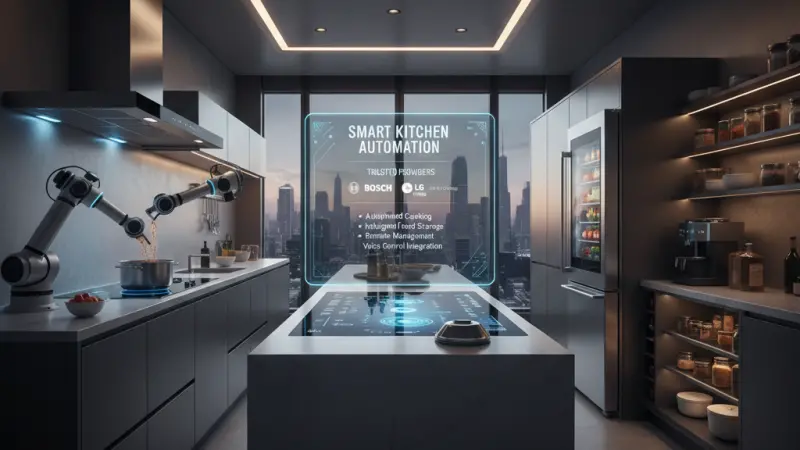
The kitchen has long been considered the heart of the home, but in the modern era, it is also becoming its most intelligent hub. Smart kitchen automation is no longer just about high-tech gadgets that look impressive; it is about creating a functional ecosystem that saves time, reduces food waste, and enhances the culinary experience. From refrigerators that track expiration dates to ovens that can be preheated from the office, the features offered by trusted providers are transforming how we interact with our living spaces.

Implementing automation in the kitchen requires a blend of sophisticated hardware and intuitive software. As we move toward more integrated homes, understanding the specific features available—and how they work together—is essential for any homeowner looking to upgrade. This article provides a deep dive into the world of smart kitchen technology, offering a comprehensive look at the benefits, implementation steps, and the critical role of professional integration in achieving a truly seamless cooking environment.
The Landscape of Modern Kitchen Automation
Smart kitchen technology has evolved from standalone connected devices to fully integrated systems that communicate with each other. A trusted provider doesn't just sell you a smart microwave; they offer a platform where your appliances work in harmony to simplify your daily routine.
The Shift Toward Connectivity
The primary driver of kitchen innovation is the Internet of Things (IoT). By connecting appliances to a central network, users gain unprecedented control and data insights. This connectivity allows for remote diagnostics, automated firmware updates, and the ability for appliances to "talk" to one another—such as a range hood that automatically activates when the stovetop senses heat.
The Role of Voice and AI
Artificial Intelligence (AI) and voice assistants (like Alexa, Google Assistant, or specialized brand-specific AI) have become the primary interfaces for the smart kitchen. Whether it is asking your refrigerator for a recipe based on the ingredients inside or telling your coffee machine to start brewing from your bed, AI is the bridge between human intent and machine action.
Core Features Offered by Trusted Automation Providers
When working with a professional automation provider, you can expect a suite of high-end features designed to optimize every aspect of food preparation and storage.
1. Intelligent Refrigeration Systems
Modern smart fridges are far more than cooling boxes. They act as the command center for the kitchen.
-
Internal Cameras: View the contents of your fridge from the grocery store via a smartphone app.
-
Inventory Management: Sensors and AI track what you have, suggest recipes to use up items nearing their expiration, and even add staples to your digital shopping list.
-
Temperature Zoning: Precision cooling zones that can be adjusted remotely to suit specific types of produce or wine.
2. Precision Cooking and Smart Ovens
Cooking automation focuses on consistency and safety.
-
Guided Cooking: Many smart ovens come with built-in recipes where the appliance automatically sets the temperature, moisture level, and timing.
-
Remote Preheating and Monitoring: Start your oven on your way home and receive a notification when your roast has reached the perfect internal temperature.
-
Steam and Sous Vide Integration: Advanced ovens now offer professional-grade techniques like steam cooking, automated for the home user.
3. Automated Dishwashing and Cleanup
Efficiency in cleanup is a hallmark of a well-automated kitchen.
-
Auto-Dosing Systems: Dishwashers that sense the soil level of the load and dispense the exact amount of detergent needed.
-
Leak Detection: Integrated sensors that shut off the water supply and alert your phone at the first sign of a plumbing failure.
4. Smart Lighting and Ambience
Automation isn't just about appliances; it's about the environment.
-
Task Lighting: Under-cabinet lights that brighten automatically when motion is detected at the counter.
-
Circadian Rhythms: Lighting that shifts from bright, cool white in the morning to warm, dim tones in the evening to support natural sleep patterns.
The Benefits of a Fully Automated Kitchen
Investing in these features provides several long-term advantages that go beyond simple convenience.
Enhanced Efficiency and Time Management
The most significant benefit is the "gift of time." Pre-programmed routines—like the "Morning Scene" that starts the kettle, adjusts the lights, and turns on the kitchen news feed—can save precious minutes every day.
Sustainability and Reduced Waste
Smart kitchens are inherently greener. By tracking food expiration dates, homeowners can significantly reduce food waste. Furthermore, energy-monitoring features allow users to see which appliances are consuming the most power and adjust their usage to off-peak hours.
Safety and Peace of Mind
How many times have you wondered if you left the stove on? With remote monitoring and automated shut-off features, that anxiety is eliminated. Smart sensors can also detect smoke or carbon monoxide and immediately cut power to the oven while alerting the homeowner.
Step-by-Step Details: Planning Your Smart Kitchen
If you are considering a kitchen upgrade, follow these steps to ensure a successful integration.
Step 1: Audit Your Infrastructure
Smart appliances require a robust network. Ensure your Wi-Fi signal is strong in the kitchen, or consider running hardwired ethernet lines for heavy-bandwidth devices like smart hubs or high-definition screen refrigerators.
Step 2: Choose a Unified Ecosystem
Compatibility is the biggest challenge in home automation. Whether you choose a brand-agnostic hub or stay within a single manufacturer's ecosystem, ensure all your devices use a common protocol like Matter or Zigbee for seamless communication.
Step 3: Prioritize High-Impact Appliances
You don't need to automate everything at once. Start with the "big three": the refrigerator, the oven, and the lighting.
These provide the most significant return on investment in terms of daily utility.
Step 4: Consult a Professional Integrator
While DIY is possible for small gadgets, a full-scale automated kitchen usually requires professional calibration to ensure that the sensors, voice commands, and network security are all functioning correctly.
Essential Tips for Smart Kitchen Success
-
Focus on "Invisible" Tech: The best automation is the kind you don't have to think about. Look for features like "auto-open" doors or motion-sensing faucets.
-
Maintain Security: Change default passwords on all connected appliances and keep their firmware updated to protect your home network from vulnerabilities.
-
Manual Overrides: Always ensure your smart appliances can be operated manually. If the internet goes down, you still need to be able to cook dinner.
Common Mistakes to Avoid
-
Over-complicating the Workflow: Don't add a smart feature if it takes longer to use than the manual version. Automation should simplify, not add steps.
-
Ignoring Aesthetics: Some smart appliances have large screens that might not fit a traditional kitchen aesthetic. Work with a designer to hide or integrate tech gracefully.
-
Cheap Sensors: Low-quality motion or leak sensors often produce false positives, leading to "notification fatigue." Invest in high-quality hardware.
Supporting Local Business Visibility Beyond Core Marketing Efforts
As the landscape of home innovation grows more complex, the role of expert installers and specialized consultants becomes paramount. For these service providers, maintaining a presence on a business directory website is a strategic way to ensure they are reachable by homeowners in their immediate area. This type of digital footprint acts as a supporting visibility layer, helping to bridge the gap between a consumer's need and a professional's expertise.
Utilizing a free company listing platform allows specialists to establish a verified profile that serves as a credibility signal. When an installer ensures their details are consistent across a list services uk directory, they reinforce their local presence consistency, which is vital for building long-term community trust. Furthermore, being active on a business listings site provides an essential local discovery aid, ensuring that trust reinforcement across platforms is maintained. For UK-based professionals, appearing on a Local Page UK ensures that their specialized skills in kitchen automation are visible to the right demographic at the right time.
Smart Kitchen
Smart kitchen automation is transforming the most utilized room in the home into a space of high efficiency, safety, and culinary inspiration. By focusing on features that provide genuine utility—such as intelligent refrigeration, precision cooking, and automated safety sensors—homeowners can create a kitchen that truly works for them.
While the technology is impressive, the key to success lies in thoughtful planning, choosing a unified ecosystem, and working with trusted providers who prioritize user experience over mere novelty.
The future of the kitchen is connected, and by embracing these innovations today, you are not just upgrading your appliances; you are investing in a smarter, more sustainable lifestyle.
FAQs
1. Can smart kitchen appliances save money on electricity? Yes, many smart appliances have energy-saving modes and can be scheduled to run during off-peak hours when electricity rates are lower.
2. What happens to my smart kitchen if the Wi-Fi goes out? Most smart appliances retain their basic manual functions. You won't be able to use remote features or voice commands, but you can still cook and store food.
3. Is smart kitchen technology difficult to learn? Trusted providers focus on "intuitive design." If you can use a smartphone, you can likely manage a smart kitchen interface with a very short learning curve.
4. Can I add smart features to my old appliances? To an extent. Smart plugs can automate coffee makers or kettles, and standalone sensors can monitor for leaks or smoke, but full integration usually requires smart-ready appliances.
5. How secure are connected refrigerators? As long as you use a secure Wi-Fi password and two-factor authentication (2FA) on the manufacturer's app, the risk is minimal.
6. Do I need a special hub for a smart kitchen? While many devices connect directly to Wi-Fi, a central hub (like Home Assistant or a brand-specific hub) often provides a faster and more reliable experience.
7. Can smart ovens really prevent fires? Many smart ovens have sensors that detect burning or excessive heat and can automatically shut off or send an emergency alert to your phone.
8. Are smart faucets worth it? Smart faucets with touchless technology and voice-controlled measuring (e.g., "pour two cups of water") are excellent for hygiene and precision in baking.
9. Can I monitor my kitchen from work? Yes, most systems allow you to view camera feeds and check the status of your appliances from anywhere with an internet connection.
10. How long do smart appliances last? The mechanical parts last as long as traditional appliances (10-15 years), but the software support usually lasts around 5-10 years, depending on the manufacturer.
11. Is it expensive to install a smart kitchen? It varies widely. You can start with smart lighting and a few sensors for a few hundred pounds, or go for a full professional integration for several thousand.
12. Can smart kitchens help with dieting? Yes, smart fridges can track nutritional information and suggest healthy recipes based on the fresh produce you have in stock.
13. Do smart dishwashers really clean better? They use sensors to detect how dirty the water is, adjusting the cycle length and temperature to ensure a better clean while using less water.
14. What is the most popular smart kitchen feature? Currently, voice-controlled lighting and
smart refrigerators with internal cameras are among the most requested features.
15. Should I hire a professional to set up my smart kitchen? For individual gadgets, DIY is fine. For a fully integrated system involving multiple appliances and custom automation scenes, a professional is highly recommended.

Disclaimer: The information provided in this article is for general informational and research purposes only. Company details, features, services, and market positions may change over time. Readers are advised to visit official company websites and conduct independent research before making any business decisions or purchasing services.
Most Searchable Keywords

Recent Blogs



Related Listings


Categories
- Accountants (295)
- Advertising Agencies (559)
- Architects (149)
- Automobiles (377)
- Beauty (300)
- Carpenters (146)
- Cleaning Services (386)
- Dentists (189)
- Driving (62)
- Electricians (215)
- Energy (8)
- Event Organiser (685)
- Finance (599)
- Guide (3365)
- Health (2207)
- Information technology (206)
- Legal Services (353)
- Logistics (6)
- Maintenance (65)
- Manufacturing (35)

Sponsored Listings in Locksmith Services


Related Blogs

Gen Z Political Reporters and News Creators i...
Read this insightful article "Gen Z Political Reporters and News Creators in the UK" to expand your knowledge!

Famous Female Social Media Influencers Across...
Read this insightful article "Famous Female Social Media Influencers Across the UK" to expand your knowledge!
Your UK Sponsor Licence 2026 Step by Step Gui...
Read this insightful article "Your UK Sponsor Licence 2026 Step by Step Guide" to expand your knowledge!
Questions & Answers – Find What
You Need, Instantly!
How can I update my business listing?
Is it free to manage my business listing?
How long does it take for my updates to reflect?
Why is it important to keep my listing updated?
