
The Complete Guide to Choosing Reliable Brake & Clutch Service Centres
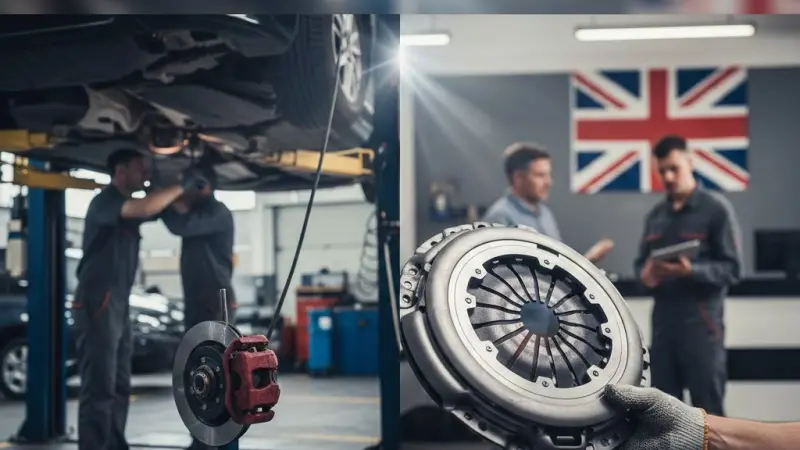
The automotive aftermarket in the United Kingdom is a cornerstone of the national economy, with the brake and clutch service sector representing one of its most critical technical niches. For British motorists, ensuring the structural integrity of these two systems is not merely a matter of vehicle maintenance but a fundamental requirement for road safety and regulatory compliance. As we navigate the mid-2020s, the importance of this sector has only intensified. With the average age of vehicles on UK roads increasing, the demand for high-quality, specialised mechanical intervention has surged.
Economically, the maintenance and repair of motor vehicles contribute billions to the UK's Gross Value Added (GVA). Within this, brake and clutch service centres provide essential employment across every region, from the industrial hubs of the Midlands to the bustling suburban reaches of the South East. These centres ensure that the logistics networks and private commuters that keep Britain moving can do so without the risk of catastrophic mechanical failure. In an era where consumers are increasingly budget-conscious yet safety-aware, the ability to find local businesses uk that offer transparent, expert services is paramount. This guide serves as the definitive resource for understanding this complex industry, ensuring both consumers and business owners can navigate the landscape with confidence and technical insight.
The Landscape of Brake & Clutch Service Centres in the UK
The UK’s automotive repair landscape is a diverse ecosystem ranging from massive multi-national franchises to independent, family-run workshops. Currently, the market for brake and clutch repairs is valued in the hundreds of millions, driven by the sheer volume of MOT requirements and the preventative maintenance cycles of modern combustion and hybrid vehicles. While newer electric vehicles (EVs) rely heavily on regenerative braking, the physical friction brakes and traditional clutch systems in manual and semi-automatic internal combustion engines (ICE) remain the dominant workload for the majority of British technicians.
Key regions of activity naturally align with population density and logistics corridors. The M6 corridor, the M4 tech belt, and the metropolitan areas of Manchester, Birmingham, and London host the highest concentration of specialist centres. However, the evolution of the industry post-pandemic has seen a significant shift. The "Staycation" boom and a move away from public transport during the early 2020s led to an increased reliance on private vehicles, many of which were older models requiring more frequent clutch replacements and brake overhauls.
Furthermore, the digital transformation of the industry has accelerated. Mechanical expertise is no longer enough to sustain a business; centres must now be visible in a uk business directory to capture the modern consumer. The rise of "near me" searches has forced traditional workshops to adopt more sophisticated online presences. Evolution has also been marked by a move toward "all-in-one" diagnostic hubs, where advanced telemetry is used to identify wear and tear long before a driver feels a "spongy" brake pedal or a "slipping" clutch.
Comprehensive Services Breakdown
The technical scope of a modern brake and clutch service centre is extensive. It is no longer restricted to simply swapping out pads or plates; it involves a deep understanding of hydraulic systems, electronic control units (ECUs), and material science.
Braking Systems
Disc and Pad Replacement: The most common service, involving the replacement of friction materials. Professionals now must choose between ceramic, semi-metallic, or organic pads depending on the vehicle's weight and performance profile.
ABS Diagnostics: Modern vehicles rely on Anti-lock Braking Systems. Specialised centres use OBD-II scanners to clear fault codes and replace faulty wheel speed sensors.
Brake Fluid Flush: Often overlooked, brake fluid is hygroscopic (absorbs water). Periodic flushes are essential to prevent vapour lock and internal corrosion.
Caliper Refurbishment: Rather than simple replacement, many high-end centres offer refurbishment of sticking calipers, a cost-effective solution for many consumers.
Clutch and Transmission Systems
Dual-Mass Flywheel (DMF) Replacement: Common in modern diesel cars, the DMF reduces vibration
but is a complex and expensive component to replace alongside the clutch.
Concentric Slave Cylinders: Integrating the slave cylinder within the gearbox housing has made clutch changes more labour-intensive, requiring high-precision tools.
Slippage Diagnosis: Identifying whether a clutch is slipping due to wear, oil contamination, or hydraulic failure is a core skill of the master technician.
For businesses looking to showcase these specialised skills, securing a business listing uk is the first step in ensuring that motorists in need of these specific technical interventions can locate their workshop efficiently.
How to Choose the Right Service Provider
Selecting a service centre is a decision that impacts both your wallet and your safety. In the UK, the absence of a "cowboy" operator is best guaranteed by looking for specific markers of quality and professionalism.
Firstly, look for accreditations. Membership in the Motor Ombudsman or the Institute of the Motor Industry (IMI) signifies a commitment to a code of conduct and ongoing staff training. These bodies provide a layer of consumer protection that unaccredited garages cannot match. Secondly, review the provider’s reputation within local business listings uk. Look for detailed feedback regarding the transparency of their quotes—does the garage explain why a DMF replacement is necessary, or do they simply add it to the bill?
Insurance is another non-negotiable factor. A reputable centre will have comprehensive public liability and professional indemnity insurance, protecting your asset while it is in their care. Finally, consider the workshop's local reputation. Often, the best indicators of quality are the longevity of the business in the community and its willingness to provide a warranty on both parts and labour. A standard 12-month or 12,000-mile warranty is the industry benchmark for reliable clutch and brake work.
Industry Challenges & Future Outlook
The UK’s transition toward Net Zero and the 2035 ban on new petrol and diesel car sales presents a dual challenge for the brake and clutch sector. While clutches may eventually become obsolete in a fully electric future, the transition period will last decades, during which technicians must maintain a "dual-skill" approach.
Sustainability is now a core regulatory driver. The disposal of brake dust, old hydraulic fluids, and heavy metal components is subject to strict environmental controls. Leading centres are adopting "green" initiatives, such as recycling metal components and using eco-friendly cleaning solvents. Furthermore, the "Right to Repair" movement continues to influence the sector, ensuring that independent garages have access to the same technical data as main dealers.
Technologically, the shift toward Brake-by-Wire (BbW) systems is the next frontier. These systems replace traditional hydraulic links with electronic signals, requiring technicians to be as proficient with a laptop as they are with a spanner. To stay ahead, garages must list themselves in a business listing uk that highlights their capacity to handle hybrid and electric vehicle components, ensuring they remain relevant as the car parc evolves.
Business Tips for Brake & Clutch Service Centres Professionals
For the independent garage owner, the challenge is often not the quality of the work, but the visibility of the business.
In a crowded marketplace, local SEO is the most powerful tool at your disposal.
Marketing a local mechanical business requires a focus on "trust signals." This includes high-quality photography of your workshop, clear pricing structures on your website, and active engagement with customer reviews. Digital visibility is no longer optional; it is the primary way customers find your doors. Many successful UK workshops now use a uk local trades directory to anchor their digital presence, providing a backlink that boosts their Google ranking for local searches.
Consistency in your NAP data (Name, Address, Phone number) across the web is crucial. If your details vary between platforms, search engines will penalize your visibility. By focusing on niche keywords like "clutch specialist" or "performance brake upgrades," you can attract high-value customers rather than just those looking for the cheapest oil change.
Wrapping Up & Local Page Integration
The brake and clutch service industry remains a vital pillar of the UK’s road safety infrastructure. As vehicle technology becomes increasingly complex, the value of a trusted, local specialist cannot be overstated. For consumers, the peace of mind that comes from expert maintenance is worth the investment. For the service providers themselves, the future belongs to those who can marry traditional mechanical excellence with modern digital savvy.
To bridge the gap between high-quality UK workshops and the customers who need them, platforms like Local Page UK have become indispensable. By serving as a premier uk local business directory, it empowers small businesses to stand toe-to-toe with national chains. Whether you are a motorist looking for a reliable repair or a garage owner looking to grow your client base, the right digital infrastructure is the key to success in the modern British economy.
Boost Your Visibility with Local Page UK
In the competitive world of automotive repairs, being the best mechanic in town isn't enough if people can't find you. Your digital footprint is your modern-day storefront. For businesses in the Brake & Clutch Service Centres sector, online discoverability is the difference between a full workshop and an empty lift. We encourage all UK service providers to claim their business listing uk today. Reach a wider local audience, build your online reputation, and ensure that when a driver in your area has a mechanical emergency, your business is the first one they see.
Frequently Asked Questions
1. How often should I have my brakes checked in the UK?
In the UK, it is recommended to have your braking system inspected at least once a year or every 10,000 to 12,000 miles. However, most motorists receive this check during their annual MOT test. If you notice any changes in performance, such as squealing noises, vibrations, or a longer stopping distance, you should consult a specialist immediately. Professional service centres will check the thickness of your pads, the condition of your discs, and the moisture level in your brake fluid. Proactive maintenance not only ensures your safety on the road but also prevents more expensive repairs, such as damaged rotors or failed calipers, which can occur if pads are allowed to wear down to the metal backing.
2. What are the signs that my clutch is failing?
A failing clutch typically presents several clear symptoms. The most common sign is "slipping," where the engine RPM increases when you press the accelerator, but the vehicle doesn't gain speed accordingly. You may also notice a "high" biting point on the pedal, difficulty shifting into gear (especially reverse or first), or a burning smell caused by the friction material overheating. In some cases, you might hear a rattling noise when the car is idling, which could indicate a failing dual-mass flywheel. If you experience any of these issues, it is vital to visit a workshop. Ignoring these signs can lead to a total loss of drive, potentially leaving you stranded in a dangerous location on the road.
3. Why is brake fluid replacement important?
Brake fluid is a hydraulic fluid that operates under high temperatures and pressures. Over time, it naturally absorbs moisture from the atmosphere because it is hygroscopic. If the water content becomes too high, the boiling point of the fluid drops significantly. Under heavy braking, the water can turn into steam, creating air bubbles in the system—a phenomenon known as vapour lock—which can lead to sudden brake failure.
Most manufacturers recommend a complete brake fluid flush every two years. A specialist centre will use a refractometer or electronic tester to check the fluid's condition. Replacing it ensures consistent pedal feel and protects internal components like the ABS master cylinder from internal corrosion and expensive damage.
4. What is a Dual-Mass Flywheel (DMF)?
A Dual-Mass Flywheel is a complex mechanical device that sits between the engine and the clutch. Unlike traditional solid flywheels, a DMF consists of two plates connected by a series of springs. Its primary purpose is to dampen the vibrations produced by modern high-torque engines, particularly diesels. This results in a smoother driving experience and protects the gearbox from stress. However, these springs can wear out over time. When replacing a clutch, most UK mechanics will recommend replacing the DMF simultaneously, as the labour required to reach it is nearly identical. Failing to replace a worn DMF can lead to increased vibration, noise, and premature failure of the new clutch kit, leading to higher costs.
5. How can I find a reliable local service centre?
Finding a reliable service centre requires a combination of digital research and checking for professional credentials. Start by searching a reputable Localpage to see which businesses operate in your immediate area. Look for garages that hold IMI (Institute of the Motor Industry) certifications or are members of the Motor Ombudsman. Customer reviews are invaluable; pay attention to how a garage handles complaints, not just their positive feedback. A reliable centre should offer a clear, written estimate before starting work and be willing to show you the old parts they have replaced. Transparency in pricing and clear communication regarding the timeline of the repair are hallmarks of a professional, high-quality British service provider.
6. Is it cheaper to repair or replace a clutch?
In almost all modern vehicles, a clutch is considered a "consumable" item that cannot be repaired once the friction material is worn or the pressure plate is damaged. Therefore, a full replacement of the clutch kit (which usually includes the friction plate, pressure plate, and release bearing) is the standard procedure. Attempting to "patch" a clutch is not a viable or safe option. While the initial cost of a full replacement can be high due to the labour involved in removing the gearbox, it is a long-term investment that restores the vehicle's drivability. Using high-quality OE-equivalent parts ensures that the new clutch will last for many thousands of miles, providing much better value than cheaper, inferior alternatives.
7. What causes brakes to squeal?
Brake squeal can be caused by several factors, ranging from minor annoyances to serious safety concerns. Most commonly, it is caused by high-frequency vibration of the brake pads against the disc or caliper. Many modern pads include a small metal "wear indicator" that intentionally creates a high-pitched noise when the pads are low, alerting the driver that a replacement is needed. However, squealing can also be caused by glazed pads (overheated friction material), dust buildup, or a lack of anti-seize lubricant on the back of the pads. If your brakes are squealing, a technician will inspect the system for wear, clean the components, and ensure everything is fitted correctly with the appropriate lubricants to eliminate noise.
8. Are performance brakes worth it for standard cars?
For the average UK commuter, standard OE (Original Equipment) brakes are perfectly adequate for daily driving. Performance brakes, such as drilled or slotted rotors and high-friction ceramic pads, are designed to dissipate heat more effectively during aggressive driving or on track days. On a standard road car, these can sometimes be counterproductive, as performance pads often require higher temperatures to reach their optimal stopping power, meaning they may be less effective during short city trips. However, if you frequently tow a caravan or drive in mountainous regions like the Peak District, upgraded pads can offer better resistance to brake fade. Always consult with a specialist to determine if an upgrade is necessary for your specific driving habits.
9. How long does a clutch replacement take?
The time required for a clutch replacement varies significantly depending on the vehicle's layout. On a simple front-wheel-drive car, an experienced technician can often complete the job in 3 to 5 hours. However, on four-wheel-drive vehicles or cars with complex engine bays where the subframe must be lowered, the process can take 8 to 10 hours or even longer. High-performance cars and certain luxury models may require even more extensive labour. When you book your car in, the service centre should be able to provide an estimated "book time" based on industry-standard data. It is often best to leave the vehicle for a full day to allow the technician to perform a thorough road test after the installation.
10. Can I drive with a grinding noise when braking?
You should absolutely not drive if you hear a grinding noise when braking. This sound typically indicates that the friction material on your brake pads has completely worn away, and the metal backing plate is now rubbing directly against the metal brake disc. This "metal-on-metal" contact significantly reduces your stopping power and causes rapid, irreparable damage to the discs. If you continue to drive, you risk the pad welding itself to the disc or the caliper piston overextending and leaking fluid, leading to total brake failure. If you hear grinding, the vehicle should be recovered to a service centre immediately to have the pads and discs replaced and the calipers inspected for damage.
11. What is the difference between a garage and a specialist centre?
A general garage provides a wide range of services, from oil changes to tyre fitting and MOTs. While many are highly skilled, a specialist brake and clutch centre focuses specifically on these complex systems. Specialists often invest in more niche tooling, such as hydraulic bleeders, flywheel locking tools, and specific alignment rigs that a general garage might not possess. Because they perform these tasks more frequently, they are often more adept at diagnosing subtle issues, such as a failing master cylinder or a subtle hydraulic leak. For complex jobs like a dual-mass flywheel replacement or ABS module coding, choosing a specialist can often save time and ensure the job is done to a higher precision standard.
12. Does a new clutch need a "run-in" period?
Yes, a new clutch should be treated with care for the first 200 to 500 miles of driving. This is known as the "bedding-in" process. During this time, the friction material on the new clutch disc is aligning itself perfectly with the surfaces of the new flywheel and pressure plate. To ensure longevity, you should avoid aggressive standing starts, heavy towing, or "slipping" the clutch excessively (such as holding the car on a hill using only the clutch). Smooth, gentle gear changes during this initial period will help the surfaces mate correctly, preventing "glazing" and ensuring the clutch provides a consistent bite and a long service life. Following this advice can significantly extend the interval between clutch changes.
13. How does cold weather affect my brakes?
Cold British winters can impact braking performance in several ways. Road salt and grit used to de-ice roads can lead to increased corrosion on brake lines and calipers, potentially causing them to seize over time. Moisture can also freeze on the surface of the discs overnight, leading to a momentary lack of "bite" when you first apply the brakes in the morning. Furthermore, if your brake fluid is old and contains water, extreme cold can theoretically cause micro-ice crystals to form, affecting hydraulic pressure. It is always wise to perform a few gentle "test" brakes when starting a journey in freezing conditions to clear any surface frost or moisture from the discs and ensure the system is operating correctly.
14. Is a spongy brake pedal dangerous?
A "spongy" or soft brake pedal is a serious symptom that should never be ignored. It usually indicates that there is air in the hydraulic system. Since air is compressible and brake fluid is not, the pressure you apply to the pedal is being used to compress the air bubbles instead of pushing the brake pads against the discs.
This results in a significant loss of braking force and a pedal that may travel all the way to the floor. Sponginess can be caused by a leak in the system, a failing master cylinder, or simply old fluid that has boiled. A technician will need to bleed the system to remove the air and identify the root cause of the problem.
15. Why should I use a business directory to find a mechanic?
Using a dedicated business directory is the most efficient way to filter through the thousands of garages in the UK to find the one that best suits your needs. Directories allow you to compare locations, read verified customer reviews, and check for specific service offerings like "clutch specialist" or "mobile brake repair." They provide a level of transparency that a simple web search often lacks. By using a platform like Local page, you are supporting the local economy and ensuring you are dealing with a legitimate, established business. This digital approach saves time and helps you avoid unregulated "backstreet" operators, ensuring that your vehicle is handled by professionals who are committed to maintaining high standards of service and safety.
Disclaimer: The information provided in this article is for general informational and research purposes only. Company details, features, services, and market positions may change over time. Readers are advised to visit official company websites and conduct independent research before making any business decisions or purchasing services.
Most Searchable Keywords
Recent Blogs


Related Listings

Categories
- Accountants (295)
- Advertising Agencies (559)
- Architects (149)
- Automobiles (377)
- Beauty (300)
- Carpenters (146)
- Cleaning Services (387)
- Dentists (189)
- Driving (62)
- Electricians (215)
- Energy (8)
- Event Organiser (686)
- Finance (602)
- Guide (3373)
- Health (2207)
- Information technology (206)
- Legal Services (353)
- Logistics (6)
- Maintenance (65)
- Manufacturing (35)
Sponsored Listings in Travel Agencies


Related Blogs

Explore Dog Friendly Walks in the Cotswolds f...
Read this insightful article "Explore Dog Friendly Walks in the Cotswolds for 2026" to expand your knowledge!

How Much Do UK Actors Really Earn Full Indust...
Read this insightful article "How Much Do UK Actors Really Earn Full Industry Breakdown" to expand your knowledge!

Blue Light Card UK 2026 Check Eligibility and...
Read this insightful article "Blue Light Card UK 2026 Check Eligibility and Claim" to expand your knowledge!
Questions & Answers – Find What
You Need, Instantly!
How can I update my business listing?
Is it free to manage my business listing?
How long does it take for my updates to reflect?
Why is it important to keep my listing updated?
