
The Complete Guide to Choosing Reliable Cladding Suppliers & Installers
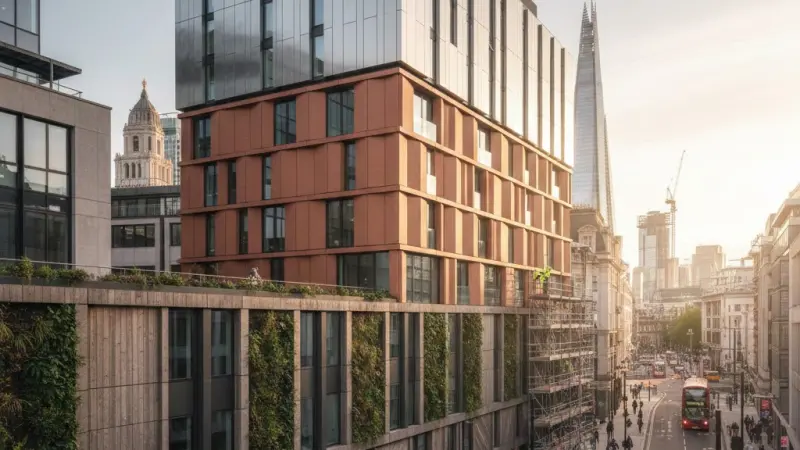
The cladding industry in the United Kingdom has undergone a paradigm shift over the last decade, transitioning from a niche construction sub-sector into one of the most scrutinized and economically significant components of the built environment. As an expert British business analyst, I have observed how cladding suppliers and installers have become the linchpins of both residential safety and commercial aesthetics. The sector is not merely about "wrapping" a building; it is a complex intersection of thermal engineering, fire safety compliance, and architectural branding.
Economically, the cladding and building envelope industry contributes billions to the UK’s GDP. With the government’s renewed focus on housing targets and the critical remediation of high-rise buildings, the demand for high-quality materials and skilled installers has never been higher. For property developers, homeowners, and facility managers, identifying a reliable partner in this space is no longer just a procurement task—it is a risk management priority. Navigating the vast uk local business directory reveals a diverse range of players, but discerning the elite from the average requires a deep understanding of the current market dynamics.
The importance of this sector extends beyond simple construction. It plays a pivotal role in the UK’s commitment to Net Zero by 2050. Cladding is the primary method for improving the fabric efficiency of existing structures, reducing carbon footprints through enhanced insulation. As we delve into this guide, we will explore why the choice of supplier and installer is the most critical decision in any modern construction or renovation project.
The Landscape of Cladding Suppliers & Installers in the UK
The UK cladding market is a robust and resilient ecosystem. Currently, the market is valued at several billion pounds, driven by a combination of new-build commercial projects, massive infrastructure investments, and the urgent residential remediation programme known as the Building Safety Fund. From the industrial hubs of the West Midlands to the high-rise skylines of London and Manchester, activity is surging.
Evolution post-pandemic has been marked by two distinct trends: supply chain diversification and a massive digital transformation. During the lockdowns, many firms realized the fragility of international logistics, leading to a resurgence in the use of a uk b2b business directory to source local, UK-manufactured materials. This shift towards "onshoring" has not only boosted the domestic economy but has also reduced the lead times that previously plagued the industry.
Furthermore, the "Building Safety Act 2022" has redefined the industry's landscape. Suppliers and installers now operate under a rigorous "Golden Thread" of information, where every material choice and installation detail must be digitally recorded and verifiable. This has led to a professionalization of the trade, where only the most sophisticated firms—those who invest in BIM (Building Information Modelling) and high-level certifications—can compete for major contracts. For those looking for these high-tier professionals, the uk online business directory remains the primary starting point for initial market research.
Key regions like the "Northern Powerhouse" (Leeds, Liverpool, Manchester) are seeing a boom in rainscreen cladding applications, while the South East remains the hotspot for premium architectural finishes and terracotta systems. The industry has moved away from a "race to the bottom" on price, focusing instead on longevity, safety, and provenance of materials.
Comprehensive Services Breakdown
The scope of services offered by modern cladding firms is vast. To understand what you are buying, you must break down the offering into three distinct categories: Material Supply, Installation Expertise, and Remediation/Maintenance.
1. Material Specialisms
Today’s suppliers offer a bewildering array of materials, each with specific performance characteristics:
ACM (Aluminium Composite Material): Now strictly regulated, high-end suppliers offer A2 fire-rated cores for maximum safety.
Stone and Terracotta: Favoured for high-end residential and public buildings due to their natural aesthetics and durability.
Timber and Fiber Cement: Popular for low-rise and domestic projects, offering a "green" aesthetic. Using a business listing uk can help smaller contractors find specialized suppliers of these sustainable materials.
Metal Systems: Zinc, Copper, and Stainless Steel remain the gold standard for contemporary architectural statements.
2. Installation and Engineering
A supplier may provide the best panels in the world, but if the installation is flawed, the building remains at risk. Expert installers provide:
Facade Engineering: Calculating wind loads and thermal expansion.
Interface Detailing: Ensuring the cladding integrates perfectly with windows, roofs, and foundations.
Fire Cavity Barrier Installation: Perhaps the most critical service, ensuring that in the event of a fire, flames cannot travel behind the cladding panels.
3. Remediation Services
With thousands of buildings across the UK requiring cladding replacement, remediation has become a niche in its own right. This involves complex "live environment" working, where residents remain in the building while the facade is stripped and replaced. This requires a sensitive approach to site management and a transparent business listing uk presence so that stakeholders can verify the company’s history and previous project success.
How to Choose the Right Service Provider
Selecting a cladding partner is a process that should be dictated by data and evidence, not just the lowest quote. When searching through uk service listings, your checklist should include four non-negotiable pillars.
1. Accreditations and Compliance
Ensure the firm is a member of the Centre for Window and Cladding Technology (CWCT) or the Association for Specialist Fire Protection (ASFP). These bodies set the standards for testing and installation. Furthermore, check if they are ISO 9001 (Quality) and ISO 14001 (Environmental) certified.
2. Insurance and Indemnity
Cladding is a high-risk trade. A reputable installer must hold significant Professional Indemnity (PI) insurance that specifically covers cladding and fire-related issues. Many firms lost their PI insurance post-Grenfell; if a firm cannot prove they have it, walk away immediately.
3. Local Reputation and Case Studies
In the UK, local reputation is everything. Use a uk local trades directory to find businesses with a track record in your specific region. Ask for the addresses of projects completed at least five years ago. This allows you to see how the cladding has weathered and if the installer's work stands the test of time.
4. Financial Stability
Given the long-term nature of cladding warranties (often 10–25 years), you need to be sure the company will exist in a decade. Check their accounts on Companies House or via a uk verified business listings service to ensure they are not a "phoenix company" with a history of liquidations.
Industry Challenges & Future Outlook
The UK cladding sector faces a "perfect storm" of challenges and opportunities. The most immediate challenge is the shortage of skilled labour. The industry is currently competing for facade engineers and qualified installers, leading to rising costs but also a significant investment in apprenticeships and training.
Technological shifts are also transforming the site. We are seeing a move toward "Off-site Manufacturing" (OSM), where cladding panels are pre-fitted to modular wall units in a factory. This improves quality control and speeds up on-site assembly. For businesses looking to pivot into these high-tech areas, a business listing uk can help them connect with modular developers and architectural firms.
Sustainability is the second major driver. "Green Cladding" or "Living Walls" are no longer just for eco-warriors; they are becoming a requirement in many urban planning applications. Moreover, the "Circular Economy" is coming to cladding—suppliers are now looking at how panels can be easily disassembled and recycled at the end of a building’s life.
Regulatory changes, particularly the tightening of Part B (Fire Safety) and Part L (Conservation of Fuel and Power) of the Building Regulations, ensure that the industry must keep innovating. To stay updated with these shifts, professionals often consult a business listing uk to find consultants specializing in facade compliance.
Business Tips for Cladding Suppliers & Installers Professionals
For professionals operating in this niche, the days of relying solely on "word of mouth" are over. While personal recommendations are vital, the modern procurement process starts on a smartphone.
1. Digital Visibility and Local SEO
If you are a cladding installer in Birmingham, you need to appear when a developer searches for "cladding installers near me." This is where uk professional services listings become invaluable. Ensuring your business is listed in a high-authority directory is a foundational step for SEO, helping your website rank higher in search results.
2. Showcase Your Expertise
Content is king. Post photos of your work, write blogs about the latest fire safety regulations, and explain the benefits of different materials. This builds trust before the first phone call is even made.
3. Leverage B2B Networking
Cladding is rarely a solo job. You need to be visible to architects, main contractors, and surveyors. Maintaining an active profile on a uk top rated local businesses platform ensures that when these professionals are looking for a reliable sub-contractor, your name is at the top of the list.
4. Transparency in Reviews
Encourage your clients to leave honest reviews. In an industry where trust was once eroded, total transparency is your greatest marketing asset. A verified review on a reputable uk local business search platform carries more weight than a thousand glossy brochures.
Wrapping Up & Local Page Integration
The UK cladding industry is at the forefront of the nation’s construction evolution. From ensuring the safety of our homes to defining the aesthetic of our cities, the role of cladding suppliers and installers is indispensable. As regulations tighten and technology advances, the gap between "cowboy" contractors and professional facade specialists will only widen.
For the property owner or developer, the message is clear: do your homework. Use the tools available to verify the credentials and history of your partners. For the business owner in this sector, the goal is to be found by those who value quality over cost.
In an increasingly crowded digital landscape, finding your place can be difficult. This is where Local Page steps in. As a premier uk business directory website, it bridges the gap between high-quality service providers and the clients who need them. By centralizing trust and visibility, it ensures that the best of British industry is only a click away.
Boost Your Visibility with Local Page UK
For businesses in the Cladding Suppliers & Installers sector, being found online is critical. Competition is fierce, and your potential clients are looking for local, reliable, and verified experts. Don't leave your growth to chance. Whether you are a large-scale manufacturer or a specialized local installer, a strong digital presence is your most powerful tool.
We encourage you to claim your business listing uk today. By joining our network, you place your business in front of developers, homeowners, and contractors specifically looking for your expertise.
Take control of your digital footprint and start reaching more customers through the UK’s most trusted business listing platform.
FAQs
1. What is the most durable type of cladding for the UK climate?
The UK climate is characterized by high humidity, frequent rain, and coastal salt spray in many regions. For maximum durability, metal systems such as zinc and copper are exceptional as they develop a natural patina that protects against corrosion. Fiber cement is another excellent, low-maintenance option that resists rot and pests. For those looking for these materials, the uk b2c business directory can help find local distributors. Ultimately, durability also depends on the quality of the installation and the ventilation behind the panels.
2. How much does professional cladding installation cost in the UK?
Costs vary significantly based on the material, building height, and location. Simple timber cladding might start at £50 per square metre, whereas premium stone or metal systems can exceed £250 per square metre. You must also factor in the cost of scaffolding, fire barriers, and waste disposal. It is always advisable to obtain multiple quotes from uk home services directory members to ensure you are getting a competitive market rate.
3. Do I need planning permission to change my building's cladding?
In many cases, yes. If the new cladding significantly changes the appearance of the building, planning permission is usually required. This is especially true in Conservation Areas or for listed buildings. However, some minor changes may fall under "Permitted Development." Always consult with a local planning officer or a professional facade consultant found on a uk local business search before commencing work.
4. What is fire-rated cladding and why is it mandatory?
Following the Grenfell Tower tragedy, the UK government banned combustible materials on the external walls of high-rise buildings (typically over 18m, and now increasingly over 11m). Fire-rated cladding is classified under the European standard EN 13501-1. Most high-rise projects now require A1 (non-combustible) or A2 (limited combustibility) rated materials to prevent the vertical spread of fire.
5. How can I verify if a cladding installer is reliable?
Reliability is proven through a combination of longevity, insurance, and third-party verification. Look for installers who have been in business for over five years and hold specific Professional Indemnity insurance. You can also check their standing on Localpage to see if they have verified contact details and a professional presence. Asking for references from projects older than three years is also a vital step in the vetting process.
6. What is rainscreen cladding?
Rainscreen cladding is a double-wall construction method. The outer layer (the cladding panels) keeps the bulk of the rain out, while a ventilated cavity behind it allows any moisture that bypasses the panels to evaporate or drain away. This system protects the building's structural frame from damp and significantly improves thermal performance.
7. Can cladding improve my home's EPC rating?
Yes, absolutely. Cladding is often installed as part of an External Wall Insulation (EWI) system. By adding a layer of high-performance insulation between the building wall and the cladding panels, you significantly reduce heat loss. This can move a property up one or two bands on the Energy Performance Certificate (EPC) scale, making it cheaper to heat and more attractive to future buyers.
8. How long does a typical cladding project take?
A standard residential house might take 1 to 2 weeks, depending on the complexity and weather. Large-scale commercial remediation projects can take several months or even years, especially if they involve the removal of hazardous materials. Timelines should always include a "buffer" for the UK's unpredictable weather, which can halt work at height for safety reasons.
9. What is the difference between A1 and A2 fire ratings?
A1 materials (like stone, concrete, and some metals) are completely non-combustible and contribute nothing to a fire. A2 materials (like some composite panels) are of "limited combustibility"; they might produce a tiny amount of smoke or heat but are still considered safe for use on high-rise buildings under current UK regulations.
10. Is timber cladding high maintenance?
It depends on the species. Softwoods like Pine require regular staining or painting every few years to prevent rot. However, hardwoods like Western Red Cedar or Larch, and thermally modified woods like Thermowood, contain natural oils and resins that allow them to weather naturally to a silver-grey without the need for chemical treatments.
11. What are the signs that my current cladding needs replacing?
Warning signs include visible warping or cracking of panels, water ingress (damp patches inside the building), loose fixings, or significant fading and chalking of the finish. For older buildings, the most urgent sign is a lack of modern fire barriers or the presence of known flammable materials like older ACM panels.
12. How does the "Golden Thread" of information affect me?
If you own or manage a high-rise building, the Golden Thread requires you to have a digital record of all building safety information. This means you must know exactly what cladding is on your building, who manufactured it, who installed it, and how it should be maintained. Professional installers found on a uk trade services listings site should be able to provide this data.
13. Can cladding be installed in the winter?
Yes, but with caveats. Certain materials, like render-based systems, require specific temperature ranges to cure correctly. However, "dry" systems like rainscreen panels can be installed year-round, provided wind speeds are low enough for safe working on scaffolding or mobile platforms.
14. What is the Building Safety Fund?
The Building Safety Fund is a UK government initiative designed to cover the costs of replacing unsafe cladding on high-rise residential buildings.
It is aimed at protecting leaseholders from the significant costs of remediation. If you suspect your building is eligible, you should consult with a specialist surveyor or solicitor.
15. Why should I use a business directory to find a supplier?
A specialized directory filters out the noise. Instead of a general search engine, a local businesses list uk provides a curated environment where businesses are categorized by their specific trade. It allows you to quickly compare local options, check for verified contact information, and ensure the company has a legitimate UK presence. For the most comprehensive results, we recommend using Local page.
Disclaimer: The information provided in this article is for general informational and research purposes only. Company details, features, services, and market positions may change over time. Readers are advised to visit official company websites and conduct independent research before making any business decisions or purchasing services.
Most Searchable Keywords
Recent Blogs


Related Listings
Categories
- Accountants (295)
- Advertising Agencies (559)
- Architects (149)
- Automobiles (377)
- Beauty (300)
- Carpenters (146)
- Cleaning Services (387)
- Dentists (189)
- Driving (62)
- Electricians (215)
- Energy (8)
- Event Organiser (686)
- Finance (602)
- Guide (3373)
- Health (2207)
- Information technology (206)
- Legal Services (353)
- Logistics (6)
- Maintenance (65)
- Manufacturing (35)
Sponsored Listings in Travel Agencies


Related Blogs

Explore Dog Friendly Walks in the Cotswolds f...
Read this insightful article "Explore Dog Friendly Walks in the Cotswolds for 2026" to expand your knowledge!

How Much Do UK Actors Really Earn Full Indust...
Read this insightful article "How Much Do UK Actors Really Earn Full Industry Breakdown" to expand your knowledge!

Blue Light Card UK 2026 Check Eligibility and...
Read this insightful article "Blue Light Card UK 2026 Check Eligibility and Claim" to expand your knowledge!
Questions & Answers – Find What
You Need, Instantly!
How can I update my business listing?
Is it free to manage my business listing?
How long does it take for my updates to reflect?
Why is it important to keep my listing updated?
