
The Complete Guide to Choosing the Best Caravan Parks for Comfort & Location
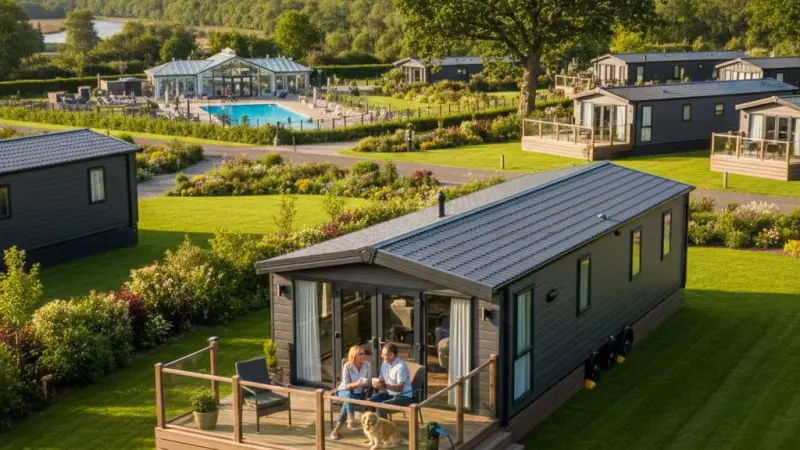
The Great British holiday has undergone a remarkable transformation over the last decade, with the caravan park sector emerging as a cornerstone of the nation’s domestic tourism economy. For many, the image of a caravan holiday was once tethered to the 1970s—modest facilities and unpredictable weather. Today, however, the industry represents a sophisticated blend of luxury, adventure, and digital connectivity. As a British business analyst, it is clear that caravan parks are no longer just "places to park"; they are multi-million-pound assets that contribute significantly to the UK's Gross Value Added (GVA).
The economic importance of this sector cannot be overstated. According to recent industry reports, holiday parks and campsites support over 170,000 jobs across the UK and contribute billions to the economy through direct spending and supply chain requirements. The shift toward "staycations" has been fueled by a desire for more sustainable travel, the rising cost of international flights, and a newfound appreciation for the UK’s diverse natural landscapes. Whether it is the rugged coastline of Cornwall or the serene peaks of the Lake District, caravan parks provide the infrastructure that allows millions of families to access the great outdoors without sacrificing comfort.
In an increasingly crowded marketplace, consumers are faced with an overwhelming array of choices. From high-end "glamping" sites to traditional touring pitches, the criteria for "the best" vary wildly depending on the demographic. For the business owner, this means that visibility is the primary currency. To thrive in this competitive environment, operators must ensure they are listed on a reputable uk local business directory to capture the surge in local search intent. This guide explores the intricate balance between comfort and location, providing a roadmap for both holidaymakers and business professionals in this vibrant sector.
The Landscape of Caravan Parks in the UK
The UK caravan park market is characterized by its geographical diversity and its resilience to economic fluctuations. Currently, there are over 3,000 holiday parks across the British Isles, ranging from small, family-run sites to sprawling resorts owned by major national corporations. Key regions of activity include the South West of England, North Wales, and the Scottish Highlands. These areas have historically been the "breadbasket" of the industry, benefiting from natural beauty and established tourism routes.
Post-pandemic, the evolution of the industry has been nothing short of spectacular. When international travel was restricted, the UK caravan sector saw a 40% increase in first-time visitors. This "COVID-bounce" has evolved into a sustained trend. The modern consumer now expects high-speed Wi-Fi, electric vehicle (EV) charging points, and high-spec interiors that rival boutique hotels. This shift has forced older parks to innovate or risk obsolescence. We are seeing a "premiumisation" of the park landscape, where investment in infrastructure is the only way to maintain market share.
For businesses operating in these regions, the digital landscape is just as important as the physical one. A park in a prime location will still struggle if it is not visible to those who find local businesses uk via digital search tools. The industry has moved away from traditional brochures toward real-time booking engines and social media-driven marketing. As the sector continues to professionalize, the gap between "lifestyle" businesses and "investment-grade" assets is widening, making strategic positioning essential for long-term survival.
Comprehensive Services Breakdown
To understand the caravan park sector, one must look at the breadth of services offered. The industry is no longer a monolith; it is a tiered ecosystem designed to cater to every budget.
Static Holiday Homes and Lodges: This is the high-margin sector of the industry. Owners purchase a holiday home on a licensed site, paying annual pitch fees. These parks offer a "home from home" experience, often featuring clubhouses, swimming pools, and organized entertainment.
Touring and Camping: The traditional heart of the sector. This caters to those with their own caravans, motorhomes, or tents. Success here depends on the quality of "hard-standing" pitches and the cleanliness of shower blocks.
Glamping: A rapidly growing niche involving pre-erected bell tents, yurts, or shepherds' huts. This attracts a younger, urban demographic looking for an "Instagrammable" experience.
Residential Parks: Distinct from holiday parks, these provide permanent housing for those over 50, regulated under the Mobile Homes Act.
For the modern park operator, offering a "free listing" isn't enough to capture a high-intent audience. Savvy professionals are looking for a business listing uk that provides enough SEO authority to compete with national booking platforms.
Beyond accommodation, parks are now diversifying into on-site retail, water sports instruction, and wellness retreats. This multi-revenue stream model is what makes the UK caravan park sector such a robust investment opportunity.
How to Choose the Right Service Provider
For the consumer, choosing a caravan park involves more than just picking a spot on a map. An authoritative choice requires looking for specific quality markers.
Accreditations: Look for the AA Pennant rating or VisitEngland stars. These provide an objective measure of quality.
Reviews: In the digital age, a park's reputation is built on platforms like TripAdvisor or Google. However, for a more curated experience, consumers often turn to uk top rated local businesses to filter out the noise.
Insurance and Safety: A reputable park will have clear public liability insurance and strictly follow fire safety regulations (especially important for LPG gas storage).
Local Reputation: Does the park support the local community? Often, the best parks are those that integrate with local pubs, shops, and attractions, creating a holistic holiday experience.
From a business perspective, being a "service provider" in this niche means managing a complex array of moving parts, from grounds maintenance to hospitality. To build trust, businesses should ensure their details are accurate on local business listings uk, as inconsistent data across the web can damage consumer confidence and SEO rankings.
Industry Challenges & Future Outlook
The future of the UK caravan industry is being shaped by three main forces: technology, sustainability, and regulation.
Sustainability: The "Green" movement is no longer optional. Parks are investing in solar arrays, rainwater harvesting, and biodiversity corridors. Consumers are increasingly choosing parks that can demonstrate a commitment to the environment. This shift is also being driven by potential tax breaks for "green" infrastructure.
Technology: The integration of IoT (Internet of Things) in holiday lodges is the next frontier. Imagine a lodge where the heating is turned on via an app 20 minutes before the guest arrives, or where water leaks are detected instantly by smart sensors. For owners, managing this requires being part of a business listing uk that understands the tech-forward nature of modern British enterprise.
Regulation: The UK government is currently reviewing the holiday let industry and business rates for caravan parks. Changes in these areas could affect the profitability of smaller operators. Staying ahead of these changes requires a strong B2B network and visibility among industry peers.
Business Tips for Caravan Parks Professionals
In a digital-first world, your park’s location is only as good as its online visibility. If your business doesn't appear when someone tries to uk local business search, you are essentially invisible to a huge portion of your target market.
Local SEO: Ensure your Google Business Profile is optimized and that you
are listed on a reputable uk online business directory.
Content Marketing: Don't just sell a pitch; sell the location. Write blogs about local hiking trails, the best nearby pubs, and hidden beaches.
Social Proof: Encourage guests to share their photos and tag your park. User-generated content is the most persuasive form of marketing.
Direct Booking: While third-party sites are great for reach, your own website should be the primary booking tool to save on commission fees.
Professionalism in the industry is often signaled by the quality of your digital footprint. High-quality images, clear pricing, and links to verified platforms help convert "lookers" into "bookers."
Wrapping Up & Local Page Integration
The UK caravan park industry is a testament to the enduring appeal of the British countryside and the innovation of its business owners. As we have seen, success in this sector requires a dual focus: providing an exceptional, comfortable physical experience and maintaining a dominant digital presence. The industry is poised for further growth, driven by a new generation of holidaymakers who value flexibility, quality, and connection.
For business owners in this sector, navigating the digital landscape can be daunting. This is where Local Page UK becomes an indispensable partner. As the premier uk local business directory, Local Page provides the visibility needed to thrive in a competitive market. By ensuring your park is listed and verified, you tap into a network of consumers actively seeking high-quality local services.
Boost Your Visibility with Local Page UK
In the Caravan Parks sector, being found online is critical for survival and growth. Whether you are a small touring site or a luxury lodge resort, your customers are searching for you online right now. Don't leave your visibility to chance. Claim your business listing uk today and join a community of verified professionals dedicated to excellence. Reach more customers, improve your SEO, and grow your brand with the most trusted business directory in the United Kingdom.
FAQ
1. What is the average cost of a caravan pitch in the UK?
The cost of a caravan pitch can vary significantly based on the season, location, and the facilities provided. On average, you can expect to pay anywhere from £20 to £60 per night. High-demand areas like the Dorset coast or the Lake District during the summer bank holidays will be at the higher end of this spectrum. Many sites also offer weekly rates which can provide better value for longer stays. It is always worth checking if the price includes electricity (electric hook-up) and access to leisure facilities, as some sites may charge these as additional extras.
2. Do I need special insurance for my caravan?
Yes, while not always a legal requirement for touring caravans (unlike motorhomes which require road insurance), it is highly recommended. Caravan insurance covers you against theft, accidental damage, and third-party liability. If your caravan is sited at a park, the park owner will often require proof of insurance as part of your pitch agreement.
This protects you if your caravan causes damage to other property or if a guest is injured on your plot. Specialist providers offer tailored policies that cover everything from storm damage to emergency recovery.
3. Can I live in a holiday caravan park year-round?
Generally, no. Holiday parks are restricted by their local authority planning permission, which usually dictates that they must close for a short period during the winter or that they cannot be used as a primary residence. If you wish to live in a park permanently, you must look for a "Residential Park" which is licensed for 12-month occupancy. Using a holiday home as your main residence can lead to legal issues with the council and potential eviction from the park, so always verify the license type before committing.
4. What are the essential items to pack for a caravan holiday?
Beyond your clothes and personal items, you should ensure you have a "startup kit." This includes a water carrier (like an Aqua-roll), a waste water container, a leisure battery, and gas cylinders. Don't forget levelling blocks to ensure your caravan stays flat on uneven ground. Many modern parks offer fully serviced pitches, which include a direct water hook-up and grey-water drainage, so check your pitch type before you pack. A good quality torch, a first-aid kit, and basic tools are also essential for any touring holiday.
5. How can I find the most reliable caravan parks near me?
Finding a reliable park involves checking multiple sources of information. You should look for sites with high ratings from official bodies like the AA or VisitEngland. Additionally, using a dedicated Localpage search can help you find verified businesses in your specific region. Look for parks that have updated photos, clear pricing, and recent positive reviews from other travellers. A well-maintained digital presence is often a good indicator of a well-maintained physical park.
6. What is an electric hook-up (EHU)?
An electric hook-up is a facility that allows you to connect your caravan’s electrical system to the park’s mains power. This allows you to use your lights, fridge, and sockets just like you would at home. Most UK parks provide a 16-amp supply, though some smaller sites may only offer 10 amps. It is important to use a proper outdoor-rated orange cable to ensure safety. Be mindful of how many appliances you run at once, as high-draw items like kettles and heaters can trip the site’s circuit breaker.
7. Are most caravan parks dog-friendly?
The majority of UK caravan parks are very welcoming to dogs, acknowledging that pets are part of the family. However, individual park rules vary. Some may have "dog-free" zones or require pets to be kept on a lead at all times. Many premium parks now offer "dog-wash" stations and dedicated exercise fields. Always check the park’s pet policy before booking, as there is often a small daily surcharge for bringing a dog, and certain breeds may be restricted by the park's insurance policy.
8. What is the difference between a static caravan and a lodge?
While the terms are sometimes used interchangeably, they refer to different levels of luxury and construction. A static caravan is typically 10 to 12 feet wide and is designed for seasonal holiday use. A lodge is usually wider (up to 20 feet), built to a higher residential standard (BS 3632), and features better insulation, double glazing, and more premium interior finishes. Lodges feel more like a traditional cabin or small house and are often located in the most scenic, quiet areas of a holiday park.
9. Do caravan parks have age restrictions?
Some parks are specifically designed for different demographics. "Family Parks" offer play areas, kids' clubs, and entertainment. In contrast, "Adult Only" parks cater to those seeking peace and quiet, often attracting couples and retirees. Residential parks frequently have a minimum age requirement, such as 50 or 55 plus. Always check the "Park Rules" section of a listing to ensure the environment matches your expectations, as a quiet retreat might not be suitable for energetic toddlers.
10. How do I drain down my caravan for winter?
Draining down is essential to prevent pipes from bursting during freezing temperatures. You must empty the water heater, open all taps (including the shower), and remove the drainage plugs. Some owners use a compressed air tool to blow out any remaining droplets. It’s also wise to remove upholstery or stand it on end to allow air circulation, preventing dampness. Many parks offer a professional drain-down service for a small fee, which is highly recommended for static caravan owners to maintain their warranty.
11. What facilities should I expect at a 5-star caravan park?
A 5-star rating indicates exceptional quality and a wide range of facilities. You should expect high-spec shower blocks with underfloor heating, landscaped grounds, on-site dining (often a bistro or high-quality pub), and perhaps a spa or indoor pool. The pitches will likely be "fully serviced," meaning they have their own water, electricity, and drainage points. Customer service will be top-tier, with a 24-hour warden or reception service available to help with any issues during your stay.
12. Is Wi-Fi usually available at caravan parks?
Most modern parks offer Wi-Fi, but the quality can vary based on the park’s location. In remote areas like the Scottish Highlands, signal strength might be limited. Some parks offer free basic Wi-Fi in the clubhouse but charge for high-speed access at your pitch. If you need to work or stream movies, check if the park has "Wi-Fi to the van" technology. Many seasoned caravanners also bring their own 4G or 5G routers to ensure they have a stable and private internet connection regardless of site facilities.
13. What is a "seasonal pitch"?
A seasonal pitch allows you to leave your caravan on a specific plot for the entire season (usually March to October). This saves you from having to tow the caravan back and forth every time you want to go on holiday. You pay a one-off fee for the season, which is often cheaper than booking individual trips. It’s a popular option for people who have a favourite park within a couple of hours' drive of their home. Note that you still cannot usually live in the caravan full-time on a seasonal pitch.
14. How do I handle waste disposal at a caravan park?
Caravan parks have dedicated areas for different types of waste. "Grey water" (from sinks and showers) is disposed of in specific drains, while "Black water" (from the chemical toilet) must be emptied at a Chemical Disposal Point (CDP) or "Elsan point." It is vital
to use the correct chemicals in your toilet tank to break down waste and control odours. Most parks also provide comprehensive recycling facilities for glass, plastic, and paper, and expect guests to follow the site's environmental guidelines.
15. Why is digital visibility important for a caravan park business?
For a business to grow in the modern UK economy, it must be easily discoverable by potential customers. Most holidaymakers start their journey with a search engine, and if your park isn't listed on a reputable platform, you are losing revenue to competitors. Being part of a verified network helps build trust before the customer even arrives. For the best results in the UK market, ensure your business is listed on Local page to maximize your local SEO and ensure that your contact details and facilities are accurately represented to the public.
Disclaimer: The information provided in this article is for general informational and research purposes only. Company details, features, services, and market positions may change over time. Readers are advised to visit official company websites and conduct independent research before making any business decisions or purchasing services.
Most Searchable Keywords
Recent Blogs


Related Listings
Categories
- Accountants (295)
- Advertising Agencies (559)
- Architects (149)
- Automobiles (377)
- Beauty (300)
- Carpenters (146)
- Cleaning Services (387)
- Dentists (189)
- Driving (62)
- Electricians (215)
- Energy (8)
- Event Organiser (686)
- Finance (602)
- Guide (3373)
- Health (2207)
- Information technology (206)
- Legal Services (353)
- Logistics (6)
- Maintenance (65)
- Manufacturing (35)
Sponsored Listings in Travel Agencies


Related Blogs
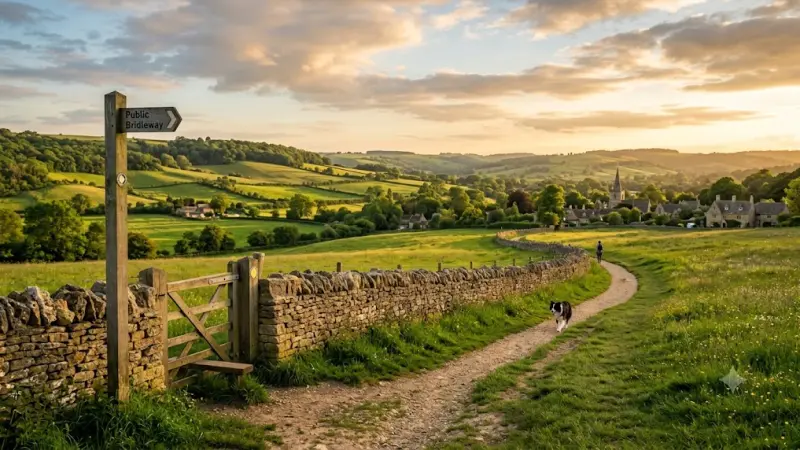
Explore Dog Friendly Walks in the Cotswolds f...
Read this insightful article "Explore Dog Friendly Walks in the Cotswolds for 2026" to expand your knowledge!

How Much Do UK Actors Really Earn Full Indust...
Read this insightful article "How Much Do UK Actors Really Earn Full Industry Breakdown" to expand your knowledge!

Blue Light Card UK 2026 Check Eligibility and...
Read this insightful article "Blue Light Card UK 2026 Check Eligibility and Claim" to expand your knowledge!
Questions & Answers – Find What
You Need, Instantly!
How can I update my business listing?
Is it free to manage my business listing?
How long does it take for my updates to reflect?
Why is it important to keep my listing updated?
