
The Pros and Cons of Air Freight vs Ocean Freight for International Shipments
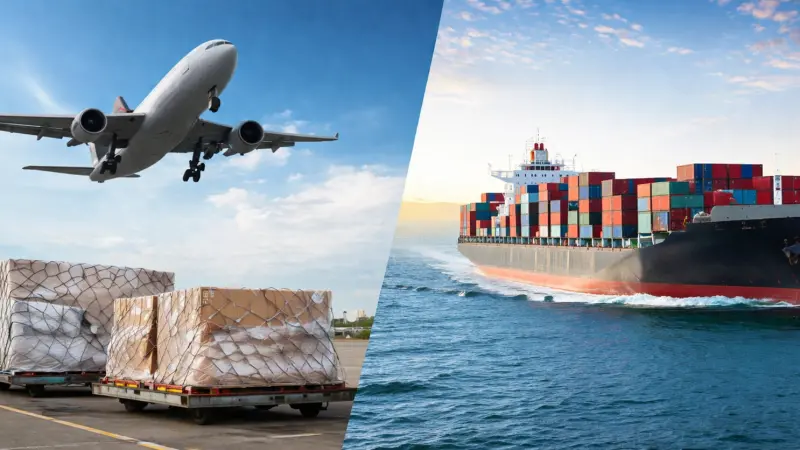
Picture this: you have a large order ready to ship from a supplier in China to a customer in Birmingham, and you need to decide how it travels. Do you book it onto a cargo plane and pay a premium for speed, or do you load it into a container and let it sail slowly but cheaply across the sea? This single decision can affect your delivery timelines, profit margins, environmental footprint, and customer satisfaction. For UK businesses engaged in international trade, understanding the difference between air freight and ocean freight is not merely useful — it is essential.
What Is Air Freight?
Air freight refers to the transportation of goods by aircraft. Shipments travel in the cargo hold of commercial passenger planes or via dedicated freighter aircraft operated by carriers such as DHL, FedEx, British Airways World Cargo, and Emirates SkyCargo. Air freight is the fastest available method for international shipping and is widely used for high-value, time-sensitive, or perishable goods.
The UK is well connected via major air cargo hubs, including London Heathrow, East Midlands Airport, and Manchester Airport, providing access to destinations across Europe, North America, Asia, and beyond.
What Is Ocean Freight?
Ocean freight, sometimes referred to as sea freight, involves shipping goods by cargo vessel across international waters. Goods are typically packed into standardised containers — either a 20-foot equivalent unit (TEU) or a 40-foot equivalent unit (FEU) — and transported on large container ships operated by carriers such as Maersk, MSC, CMA CGM, and COSCO.
The UK's major seaports — including Felixstowe, Southampton, and London Gateway — handle millions of containers annually, making ocean freight a backbone of British import and export trade. Businesses may choose between full container load (FCL) shipments, where they fill an entire container, or less-than-container load (LCL) shipments, where cargo from multiple shippers shares a single container.
Air Freight vs Ocean Freight: A Direct Comparison
1. Cost
Cost is frequently the deciding factor when choosing between the two modes of transport, and ocean freight holds a clear advantage here.
Ocean freight charges are calculated primarily based on container size (FCL) or the volume and weight of goods (LCL). For large, heavy shipments, ocean freight can be significantly cheaper — sometimes up to 80% less expensive than air freight on a cost-per-kilogram basis.
Air freight is priced according to either the actual weight or the volumetric (dimensional) weight of the shipment, whichever is greater. Rates per kilogram are substantially higher, which means air freight becomes increasingly expensive as shipment size grows.
As a rough guide for UK businesses:
- Air freight from China to the UK typically costs between £3 and £8 per kilogram.
- Ocean freight (FCL) for the same route can cost as little as £800–£2,000 for an entire 20-foot container, depending on the season and market conditions.
However, it is important to factor in all associated costs — port fees, customs clearance, inland transportation, fuel surcharges, and insurance — before drawing a final comparison.
2. Transit Time
Speed is where air freight demonstrates its most significant advantage over ocean freight.
Air freight transit times are measured in days. A shipment from Shanghai to London, for example, typically takes
two to five days by air, including handling and customs clearance at both ends.
Ocean freight transit times are measured in weeks. The same Shanghai to UK journey by sea takes approximately 25 to 35 days, depending on the shipping lane, carrier, and number of port calls along the route. Delays due to weather, port congestion, or customs hold-ups can extend this further.
For businesses with just-in-time inventory models or seasonal product launches, the speed advantage of air freight can justify the higher price.
3. Reliability and Predictability
Both modes of freight carry inherent reliability risks, though they differ in nature.
Air freight is generally more punctual. Flight schedules are frequent and consistent, and disruptions are usually shorter in duration — typically a matter of hours rather than days. That said, air cargo capacity can be limited, particularly during peak seasons or global disruptions, which may lead to shipments being bumped to a later flight.
Ocean freight is more susceptible to extended delays. Port congestion — as vividly demonstrated during the COVID-19 pandemic — can result in shipments being delayed by several weeks. Weather events, such as storms in the North Atlantic or typhoons in the South China Sea, can also affect schedules. Blank sailings (when shipping lines cancel scheduled departures) add further unpredictability to ocean freight planning.
4. Cargo Capacity and Restrictions
The type and size of goods you are shipping will influence which freight method is viable.
Ocean freight offers virtually unlimited capacity. Oversized machinery, heavy industrial equipment, vehicles, and bulk raw materials are all routinely shipped by sea. There are very few restrictions in terms of weight or dimension, provided goods are properly secured within a container or on a flat-rack.
Air freight is subject to more restrictions. Aircraft have weight limitations per flight, and certain goods are prohibited or heavily restricted on commercial flights, including lithium batteries in large quantities, certain hazardous materials, and some aerosols. The physical dimensions of cargo are also limited by aircraft door sizes and cargo hold configurations.
5. Safety and Cargo Security
Both modes of freight are generally safe, but they present different risk profiles.
Air freight benefits from shorter transit times, meaning goods spend less time in transit and in handling. Airport security protocols are stringent, and the risk of cargo theft, moisture damage, or infestation is comparatively low.
Ocean freight, due to longer transit times, exposes cargo to greater risk of moisture ingress, temperature fluctuations, and in rare cases, container damage or loss. Proper packaging and the use of desiccants or climate-controlled containers can mitigate many of these risks. Cargo insurance is highly recommended for both methods but is particularly advisable for high-value goods travelling by sea.
6. Environmental Impact
Sustainability is an increasingly important consideration for UK businesses operating under environmental, social, and governance (ESG) frameworks.
Air freight has a considerably larger carbon footprint per tonne of cargo than ocean freight. Aircraft produce significantly more CO₂ emissions per kilometre than cargo vessels, making air freight one of the most carbon-intensive methods of transportation available.
Ocean freight, whilst not without environmental impact, is far more efficient in terms of emissions per tonne-kilometre. The International Maritime Organisation (IMO) has also implemented a range of measures to reduce shipping emissions, including targets to cut the carbon intensity of international shipping by at least 40% by 2030 compared with 2008 levels.
For businesses with sustainability commitments or those seeking to reduce their Scope 3 emissions, ocean freight is generally the more environmentally responsible choice.
When to Choose Air Freight
Air freight is the right choice in a number of specific circumstances:
- Time-sensitive deliveries: New product launches, seasonal stock (such as Christmas merchandise), or urgent restocking situations where delays would have a direct commercial impact.
- High-value goods: Jewellery, electronics, pharmaceuticals, and luxury items where the cost of air freight represents a small proportion of the cargo's total value.
- Perishable goods: Fresh produce, flowers, and certain medical supplies that have a limited shelf life and cannot withstand weeks at sea.
- Small, lightweight shipments: When the shipment is compact and light enough that air freight rates remain competitive on a per-unit basis.
- Supply chain emergencies: When a critical component is needed urgently to avoid a manufacturing shutdown or to fulfil a contractual obligation.
When to Choose Ocean Freight
Ocean freight is typically the better option when:
- Shipping large volumes or heavy cargo: Bulk goods, raw materials, furniture, and machinery are far more economical to ship by sea.
- Cost is the primary concern: If your margins are tight and delivery timelines are flexible, ocean freight offers the best cost-per-kilogram rate.
- Lead times are sufficient: If you plan your inventory well in advance and can accommodate a transit time of four to six weeks, sea freight is a logical choice.
- Oversized or non-standard cargo: Items that cannot physically fit on an aircraft — such as large vehicles, industrial machinery, or construction materials — must travel by sea.
- Sustainability is a priority: Businesses committed to reducing their environmental impact will find ocean freight significantly less carbon-intensive.
Understanding Freight Forwarding
Most UK businesses work with a freight forwarder — a specialist logistics intermediary — to manage international shipments, regardless of whether they choose air or ocean freight. A freight forwarder handles the complexities of international shipping on your behalf, including booking cargo space, preparing documentation (such as bills of lading, commercial invoices, and certificates of origin), arranging customs clearance, and coordinating inland transportation.
Choosing a reputable, experienced freight forwarder with knowledge of both air and sea logistics can make a substantial difference to the efficiency and cost of your supply chain. Many UK freight forwarders are members of the British International Freight Association (BIFA), which sets professional standards for the industry.
The Role of Incoterms in Freight Decisions
When arranging international shipments, it is essential to understand Incoterms — the internationally recognised trade terms published by the International Chamber of Commerce (ICC). Incoterms define the responsibilities of buyers and sellers in a transaction, including who is responsible for freight costs, insurance, and the risk of loss or damage at each stage of the journey.
Common Incoterms used in UK international trade include:
- EXW (Ex Works): The buyer assumes responsibility from the seller's premises.
- FOB (Free On Board): The seller is responsible until goods are loaded onto the vessel at the port of origin.
- CIF (Cost, Insurance and Freight): The seller covers the cost of freight and insurance to the destination port.
- DDP (Delivered Duty Paid): The seller takes full responsibility, including customs duties and taxes, until goods are delivered to the buyer's premises.
Understanding which Incoterm applies to your shipment will clarify who bears the cost of air or ocean freight and at what point liability transfers between parties.
Combining Air and Ocean Freight: Multimodal Logistics
For some businesses, the choice is not exclusively one or the other. Multimodal logistics — combining different modes of transport within a single supply chain — can offer a strategic balance of cost and speed.
For instance, a UK importer might use ocean freight to ship the bulk of their seasonal stock from Asia several months in advance, whilst reserving air freight for smaller, urgent top-up orders when stock runs low unexpectedly. Similarly, goods might travel by air from a manufacturing hub to a regional distribution centre, then by road to their final destination.
Express sea freight services — sometimes referred to as "sea-air" freight — have also emerged as a middle-ground option. Under this model, goods travel by sea for the longest leg of the journey (for example, from Southeast Asia to a Middle Eastern hub), then by air for the final stretch to Europe. This can reduce transit times by 30–50% compared with full ocean freight, whilst costing less than full air freight.
Post-Brexit Considerations for UK Businesses
Since the United Kingdom's departure from the European Union, UK businesses engaged in international freight face additional customs requirements when trading with EU member states. Goods moving between the UK and the EU are now subject to customs declarations, and depending on the goods, import duties and VAT may apply.
This has added a layer of administrative complexity to freight decisions. Both air and ocean freight shipments to and from the EU now require proper documentation, and delays at customs can affect transit times for both modes. Working with a freight forwarder experienced in post-Brexit trade procedures is advisable for businesses new to this environment.
Key Factors to Consider When Choosing Between Air and Ocean Freight
To summarise the decision-making process, the following factors should guide your choice:
- Budget: How much can you afford to spend on freight as a proportion of your total product cost?
- Urgency: How quickly do the goods need to arrive? Is there a firm deadline?
- Cargo type: Are the goods perishable, fragile, hazardous, or oversized?
- Shipment size: Is the volume large enough to justify a full container, or is it a small consignment?
- Destination: Is the destination accessible by both air and sea? Some landlocked countries may require additional inland freight legs.
- Sustainability targets: Does your business have a carbon reduction commitment that should influence your logistics choices?
- Insurance requirements: What level of cargo protection do you require, and how does this vary between modes?
Choosing between air freight and ocean freight is rarely a straightforward decision, and the right answer will depend on the specific needs of your business, your cargo, and your customers. Air freight offers unparalleled speed and reliability for time-sensitive or high-value goods, whilst ocean freight provides a cost-effective solution for large-volume, non-urgent shipments. Many UK businesses find that a combination of both methods — tailored to the nature of each shipment — delivers the best overall supply chain performance.
As international trade continues to evolve, with shifting carrier rates, new sustainability pressures, and post-Brexit regulatory requirements, staying informed and working with trusted logistics partners has never been more important. Whether you are a small e-commerce retailer sourcing from Asia or a large manufacturer importing industrial components, making the right freight decision is a fundamental part of running a competitive and profitable business. For UK businesses looking to improve their visibility and reach more customers in the process — including those searching via a black owned business directory uk — ensuring your logistics operation is efficient and well-managed helps build the reputation and reliability that attract long-term trade.
Questions Clients Commonly Ask
Is air freight faster than ocean freight?
Yes, significantly so. Air freight typically takes two to five days for international routes such as China to the UK, whereas ocean freight on the same route can take 25 to 35 days or more. If speed is a priority, air freight is the clear choice.
Is ocean freight cheaper than air freight?
In most cases, yes. Ocean freight is considerably more cost-effective on a per-kilogram basis, particularly for large or heavy shipments. However, when factoring in the total landed cost — including port fees, inland haulage, and the opportunity cost of longer lead times — the gap can narrow in certain scenarios.
What types of goods are best suited to air freight?
Air freight is best suited to time-sensitive, high-value, or perishable goods. This includes pharmaceuticals, luxury consumer goods, electronics, fresh produce, and critical industrial components. It is also the practical choice for small, urgent shipments where the premium cost is justified by speed.
Can I ship hazardous materials by air freight?
Some hazardous materials can be transported by air, but the regulations are strict and vary by carrier and destination. Lithium batteries, flammable liquids, and certain chemicals are subject to
specific packaging, labelling, and quantity restrictions under IATA Dangerous Goods Regulations. It is essential to consult your freight forwarder and confirm compliance before booking.
How do I reduce the cost of international freight for my UK business?
Several strategies can help manage freight costs: consolidating shipments into full container loads, planning inventory well in advance to avoid urgent air freight bookings, working with a skilled freight forwarder to negotiate competitive rates, and exploring multimodal options that balance speed and cost. Regularly reviewing your supply chain and freight contracts can also yield savings over time.
Disclaimer: The information provided in this article is for general informational and research purposes only. Company details, features, services, and market positions may change over time. Readers are advised to visit official company websites and conduct independent research before making any business decisions or purchasing services.
Most Searchable Keywords
Recent Blogs


Related Listings

Categories
- Accountants (295)
- Advertising Agencies (559)
- Architects (149)
- Automobiles (377)
- Beauty (300)
- Carpenters (146)
- Cleaning Services (387)
- Dentists (189)
- Driving (62)
- Education (1)
- Electricians (215)
- Energy (8)
- Event Organiser (689)
- Finance (602)
- Guide (3492)
- Health (2207)
- Information technology (207)
- Legal Services (361)
- Logistics (6)
- Maintenance (65)
Sponsored Listings in Jewellers


Related Blogs

Creamfields Daresbury: Impact on Local Reside...
Read this insightful article "Creamfields Daresbury: Impact on Local Residents" to expand your knowledge!

UK High Street Businesses in 2026-27: Which S...
Read this insightful article "UK High Street Businesses in 2026-27: Which Sectors Are Growing?" to expand your knowledge!

Why Complete Business Listings Matter More Th...
Read this insightful article "Why Complete Business Listings Matter More Than You Think" to expand your knowledge!
Questions & Answers – Find What You Need, Instantly!
Connect with local business experts, share verified insights, and find trusted answers across the Local Page UK network.
Ask Community
Ask questions to the Local Page UK community
Share Knowledge
Share your knowledge to help out others
Find Solutions
Find answers or offer instant solutions
Some of the most popular fantasy TV shows include "Game of Thrones," known for its epic battles and political intrigue, "The Witcher," which features monster hunting and magic, and "Stranger Things," blending supernatural elements with 1980s nostalgia. Other notable mentions are "His Dark Materials," "Shadow and Bone," and "The Mandalorian," each offering unique worlds and captivating storytelling that have garnered large fan bases.
When seeking bathroom renovation providers that handle both plumbing and tiling, it's advisable to look for licensed contractors who specialize in comprehensive bathroom remodels. Companies such as Home Depot, Lowe's, and Bath Fitter offer these services, often providing a seamless experience by managing all aspects of the renovation process. Additionally, local contractors with positive reviews in platforms like Angie's List or Houzz may also offer tailored solutions for your bathroom needs.
Absolutely, there are several distributors that supply crash mats and soft play equipment to gymnastics clubs in and around Birmingham. National companies like Gymnova, S & G (Spieth Gymnastics), and Jaques of London offer a wide range of crash mats, foam pits, and soft play pieces, and they typically deliver to the Birmingham area. For more local options, you might try The Gym Equipment Company, which has a showroom in the West Midlands, or check out smaller specialist suppliers like Playtime UK. Many of these distributors cater specifically to clubs, offering high-density foam mats that meet safety standards. I'd recommend reaching out to a few to compare pricing, delivery times, and whether they offer custom sizes or installation services. It's also worth checking if any of them have a physical showroom near Birmingham so you can test the equipment before buying. Happy tumbling!
For professionals seeking a reliable sanitaryware supplier in Manchester with trade account facilities, several established merchants combine extensive product ranges, competitive pricing, and dedicated trade support. The most reputable option is Graham Plumbers Merchant, which operates multiple branches across Manchester, including Salford Quays and Oldham. They offer a dedicated trade account service with preferential pricing, priority delivery scheduling, and access to a vast inventory of leading sanitaryware brands such as Villeroy & Boch, Duravit, Ideal Standard, and Roca. Their trade accounts typically include net 30-day payment terms, online account management, and a tailored project quotation system. Similarly, City Plumbing Supplies has several Manchester-based depots (such as Ashton-under-Lyne and Stockport) that cater specifically to trade customers, providing a rapid order-and-collect service, trade-only promotions, and a loyalty programme offering rebates on repeat purchases. Their product range covers everything from basins and WCs to complete bathroom suites and brassware, with in-house technical advisors available for specification support. Another key player is Plumb Center, part of the Wolseley Group, which offers trade accounts with bespoke pricing structures, direct-to-site deliveries within the Greater Manchester area, and access to over 10,000 lines of sanitaryware, including premium brands like Grohe and Hansgrohe. Their trade portal allows for real-time stock checking and order history tracking, facilitating efficient project management. For those seeking a more specialist or high-end option, Bathroom Spares in Manchester provides trade accounts with a focus on hard-to-find sanitaryware and discontinued ranges, which can be invaluable for refurbishment projects. Additionally, independent merchants such as M&B Plumbase in Trafford Park offer flexible trade terms, personalised service, and competitive pricing on both mainstream and luxury sanitaryware. When evaluating suppliers, trade customers should consider factors beyond price: reliability of stock availability, delivery timescales within Manchester’s often congested zones, clarity of returns policies, and the quality of after-sales support for warranty claims. It is advisable to request a trade account application from at least two to three suppliers to compare discounts, minimum order values, and payment terms. Many suppliers also offer showroom access for trade clients, allowing you to inspect finishes and dimensions before committing to large orders. For ongoing projects, establishing a relationship with a single supplier who offers consolidated invoicing and dedicated account management can streamline procurement. Ultimately, the most reliable supplier for your trade account in Manchester will be one that aligns with your volume requirements, preferred brands, and service expectations, so a site visit to their local branch and a discussion about your specific trade needs is highly recommended before committing to an account.
People in Leeds are loving their local florists—customers often mention gorgeous, fresh arrangements and super friendly service. Many rave about reliable same-day delivery and creative wedding bouquets. A few note pricing can vary, but overall, the buzz is all about quality and that personal touch making every order feel special.
Common problems for commercial gardening in Bristol include weed overgrowth, soil degradation, pest infestations, and irrigation malfunctions. Additionally, managing seasonal transitions, adhering to sustainability regulations, and maintaining consistent aesthetics pose significant challenges. Expert services mitigate these via structured maintenance, integrated pest management, and soil analysis to ensure long-term landscape health.