
The Role of AI Personalisation in Simplifying Complex Policy Marketing
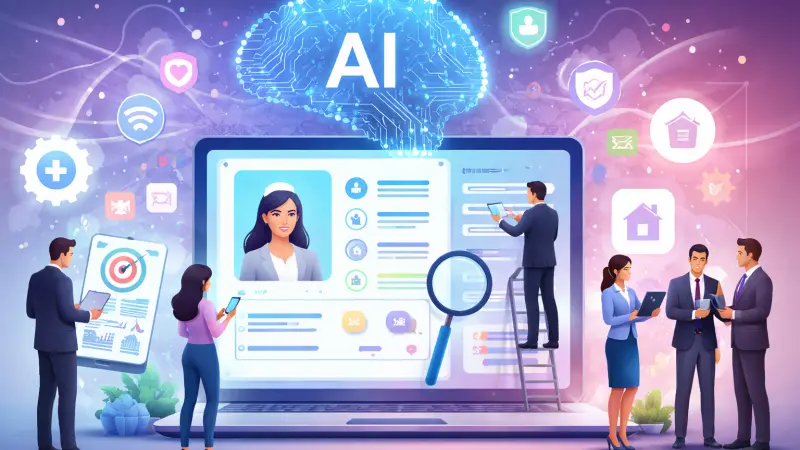
Could the traditionally opaque world of insurance terminology finally be rendered transparent through the power of machine learning? As financial products become increasingly sophisticated, the challenge for UK firms lies in effectively communicating value without overwhelming the prospect. AI personalisation is now at the forefront of this transition, moving away from "one-size-fits-all" brochures toward dynamic, data-driven interactions that adapt to an individual’s specific needs and literacy levels. By leveraging vast datasets, insurers can ensure that the right message reaches the right person at the precise moment they require it. This strategic application of technology does more than just increase efficiency; it fundamentally reshapes the relationship between the insurer and the insured, turning a complex legal contract into a personalised service that resonates with the unique life stages of a modern British consumer.
Understanding AI Personalisation in the UK Financial Sector
At its core, AI personalisation involves the use of algorithms and predictive modelling to tailor marketing content, product recommendations, and communication styles to individual users. In the context of complex policy marketing, this means moving beyond simple demographic targeting. Instead, AI analyses real-time behavioural data, such as website navigation patterns, previous interaction history, and even social sentiment, to build a comprehensive "customer twin." For a UK insurer, this allows for the delivery of highly specific information. For instance, if a user is repeatedly viewing sections of a policy document related to "pre-existing conditions," the AI can proactively serve a simplified video guide or an interactive FAQ specifically addressing that concern. This level of granular attention reduces the cognitive load on the consumer, making the daunting task of selecting a comprehensive insurance policy feel significantly more manageable and less prone to human error.
The implementation of these systems requires a robust technical infrastructure capable of processing high-velocity data. UK firms are increasingly adopting "headless" content management systems that allow AI engines to swap out text blocks, images, and calls-to-action on the fly. This ensures that a young professional seeking their first income protection policy sees a completely different interface and set of explanations compared to a seasoned business owner looking for keyman insurance. The beauty of AI personalisation lies in its ability to learn from every "click" or "bounce." If a particular explanation of "index-linked benefits" leads to a drop-off in engagement, the system can test alternative phrasing or visual aids automatically. This constant cycle of optimisation ensures that the marketing material remains a "living" entity, constantly evolving to become clearer and more effective at driving high-quality leads into the sales funnel.
Furthermore, the ethical application of AI in the UK is governed by strict data protection standards and the FCA’s focus on consumer outcomes. AI personalisation is not about manipulation; it is about relevance. By filtering out irrelevant policy options and focusing on the features that actually matter to the individual, insurers provide a valuable service that saves the consumer time. In a market where "choice overload" is a genuine barrier to purchase, the ability of AI to act as a digital concierge is revolutionary. It allows insurers to present complex information in bite-sized, digestible portions, ensuring that the customer feels informed and empowered rather than confused. This transition from "broadcasting" to "conversing" is the hallmark of modern financial marketing, where the complexity of the product is hidden behind a seamless and intuitive user experience.
Breaking Down Jargon Through Natural Language Processing
One of the most significant barriers to effective insurance marketing in the UK is the prevalence of industry-specific jargon. Terms like "indemnity," "subrogation," and "actuarial risk" often alienate potential policyholders. AI personalisation, specifically through Natural Language Processing (NLP), allows firms to bridge this linguistic gap. NLP engines can analyse the language used by a customer in search queries or chatbot interactions and then mirror that language in the marketing responses. If a customer asks about "protection for my tools" rather than "commercial equipment coverage," the AI ensures that all subsequent marketing materials and policy highlights use the customer’s preferred terminology. This subtle shift in language fosters a sense of being understood, which is critical for building the trust necessary to sell complex long-term financial products.
Beyond simple terminology swaps, NLP-driven AI can assist in the creation of personalised "policy summaries" that highlight the most pertinent clauses for a specific individual. For a small business owner in London, this might mean an AI-generated dashboard that prioritises "public liability" and "business interruption" explanations over less relevant aspects of a generic policy.
By dynamically highlighting how a policy responds to specific, local scenarios—such as a flood in a specific UK postcode or a common regional theft trend—the marketing content becomes tangibly relevant. This level of localisation, powered by AI, transforms a static document into a compelling narrative of protection. It allows the insurer to demonstrate value in a language that the customer actually speaks, rather than the legalese found in the standard "Terms and Conditions" document.
The role of AI also extends to voice and visual personalisation. With the rise of smart speakers and video content, AI can now generate personalised video messages where a virtual assistant explains the key benefits of a policy using the customer’s name and specific details. These videos can adapt their tone based on the perceived urgency or the customer's previous feedback. For example, a "calm and reassuring" tone might be used for life insurance marketing, while a more "energetic and protective" tone is applied to sports-related health coverage. This multi-modal approach to personalisation ensures that the message is not just heard, but felt. By engaging multiple senses and adapting the delivery to the individual's psychological profile, UK insurers can significantly improve the retention of complex information, leading to higher conversion rates and more satisfied, well-informed customers.
Predictive Analytics and the "Right-Time" Marketing Approach
Effective marketing of complex policies isn't just about *what* you say, but *when* you say it. Predictive analytics, a subset of AI, enables UK insurers to anticipate a customer's needs before the customer even voices them. By monitoring "life event" triggers—such as a change in marital status on a social profile, a recent home purchase recorded in public registries, or even a specific pattern of searches related to "baby car seats"—AI can trigger a personalised marketing sequence for relevant insurance products. This "just-in-time" delivery of information is far more effective than traditional mass-marketing campaigns because it aligns with a moment of genuine need. When a policy is marketed at the exact moment a consumer is contemplating a life change, the perceived complexity of the product is secondary to its perceived utility.
In the UK’s competitive mortgage and protection market, this predictive capability is a game-changer. AI can identify "propensity to buy" scores for existing customers, allowing marketing teams to focus their efforts on those most likely to need a policy upgrade or a secondary product. For instance, a customer who has held a basic car insurance policy for three years without a claim might be an ideal candidate for a personalised offer on home insurance, delivered via a bespoke email that references their loyalty and safe driving record. This contextual relevance makes the introduction of a new, complex policy feel like a natural progression of the relationship. It reduces the "sales friction" because the customer already trusts the brand and feels that the offer has been specifically curated for their current situation.
Moreover, AI can help in managing the "cadence" of marketing communications to prevent fatigue. By analysing how a customer interacts with various channels—be it SMS, email, or social media ads—the AI determines the optimal frequency and platform for each individual. If a user consistently ignores marketing emails but engages with LinkedIn posts, the system shifts its focus accordingly. This ensures that the marketing of complex policies doesn't become a nuisance, but rather a helpful, non-intrusive stream of information. In a world where consumers are bombarded with thousands of ads daily, the ability to be the "quiet, helpful voice" that appears exactly when needed is a significant competitive advantage. This strategic patience, powered by AI, ensures that when the customer is ready to make a high-stakes financial decision, the insurer is already top-of-mind as a trusted and relevant partner.
Enhancing the Customer Journey Through Interactive AI Tools
Modern marketing of complex policies often involves moving beyond static text to interactive experiences. AI-powered "needs assessment" tools are a prime example. Instead of asking a customer to read a 50-page brochure, an insurer can offer a three-minute interactive quiz. As the customer answers questions about their lifestyle, assets, and risk tolerance, the AI behind the scenes is narrowing down thousands of policy combinations to the three most relevant ones. Each recommendation is then accompanied by a personalised explanation of *why* it was chosen, linking specific customer answers to policy features. This "guided selling" process simplifies the marketing of complex policies by turning the research phase into a consultative dialogue, closely mimicking the experience of speaking with a human broker.
The data captured during these interactive sessions is gold for future personalisation. If a customer expresses a high concern for "accidental damage" but is less worried about "legal expenses," the subsequent follow-up emails and retargeting ads will focus exclusively on the accidental damage coverage. This ensures that the conversation remains focused on what the customer actually cares about, rather than a generic list of policy benefits.
In the UK, where consumer trust in financial institutions can be fragile, this transparency and focus on individual needs are essential. Interactive tools also allow insurers to "gamify" the educational aspect of insurance, using progress bars, badges, and visual comparisons to keep the user engaged throughout the learning process. This makes the marketing phase feel less like a chore and more like a proactive step toward financial security.
Furthermore, these AI tools can be integrated with external data sources to further simplify the user experience. For instance, a home insurance tool could pull data from the UK Land Registry or flood map databases to automatically populate risk sections, requiring the user only to verify the information. This reduces the "form-filling fatigue" that often leads to high abandonment rates in the insurance sector. By doing the heavy lifting for the customer, the insurer demonstrates expertise and a commitment to ease-of-use. The goal of AI in this context is to remove every possible obstacle between the customer's need and the policy's solution. When the technology handles the complexity, the marketing can focus on the core human benefit: peace of mind.
The Future of AI Personalisation and Human Synergy
While AI provides the scale and precision for personalisation, the future of complex policy marketing in the UK lies in the synergy between technology and human expertise. AI is exceptionally good at identifying patterns and delivering content, but certain complex life situations still require the empathy and nuance of a human advisor. The most successful insurers will use AI to "warm up" the lead—educating the customer, simplifying the initial options, and capturing vital data—before passing the highly informed prospect to a human expert for the final consultation. This "cyborg" approach ensures that the marketing is both hyper-efficient and deeply personal, leveraging the best of both worlds to solve the most difficult communication challenges in the financial sector.
As we look forward, the emergence of Generative AI (GenAI) will further revolutionise this space. We are moving toward a world where every single policy summary, marketing email, and social media ad is generated uniquely for the person viewing it. There will be no more "standard templates." Instead, an AI agent will look at the customer's profile and the specific complexities of the policy and "write" a custom explanation that perfectly matches the customer's reading level and interests. For UK marketing teams, this means a shift from content creation to "content orchestration," where the focus is on setting the parameters and ethical guards for the AI, rather than writing the individual words. This shift will allow for an unprecedented level of scale in personalisation, making it possible to market even the most niche and complex policies with the same ease as a basic retail product.
The ultimate role of AI personalisation is to build a "segment of one." In the UK's crowded financial marketplace, being able to treat every prospect as an individual is the only way to cut through the noise. It allows insurers to move away from being viewed as a commodity and toward being seen as a life-long partner. By simplifying the complex, humanising the data, and being present at the right moments, AI-driven marketing ensures that insurance remains a vital pillar of social security. This technological evolution is not just an operational upgrade; it is a fundamental commitment to better consumer outcomes, ensuring that every UK citizen has the opportunity to understand and access the protection they need for themselves and their families.
Frequently Asked Questions
How does AI personalisation improve insurance conversion rates?
By delivering content that is directly relevant to a customer's current life stage and specific concerns, AI personalisation reduces the friction of the buying process.
Customers are more likely to convert when they feel the product has been curated for them and when the information provided is easy to understand.
Is AI personalisation compliant with UK GDPR?
Yes, provided that the data is collected and processed with explicit consent and for specific, transparent purposes. UK insurers must ensure they have robust data governance frameworks and that their AI models are audited for bias and transparency in line with both GDPR and FCA guidelines.
Can AI help in marketing to "vulnerable" customers?
AI can actually be a powerful tool for identifying signs of vulnerability—such as changes in spending patterns or repeated interactions with specific help sections—allowing insurers to adapt their marketing and support to be more protective and supportive for those individuals.
Does AI replace the need for traditional insurance brokers?
AI doesn't replace brokers; it empowers them. By automating the initial education and data gathering phases, AI allows brokers to focus their time on providing high-value, nuanced advice for the most complex parts of a policy that require human judgment.
What is the biggest challenge in implementing AI personalisation for insurers?
The primary challenge is often "data silos." Many older UK insurers have customer data trapped in legacy systems that don't talk to each other. Integrating these sources into a unified "single customer view" is the necessary first step for any AI strategy.
Will customers find AI personalisation intrusive?
There is a fine line between "helpful" and "creepy." The key is transparency. When customers understand how their data is being used
to simplify their experience and provide better value, they generally view personalisation as a benefit rather than an intrusion.
In conclusion, the integration of intelligent systems into the financial sector is not merely a trend but a necessity for modern survival. As firms look to refine their digital strategy, ensuring a strong online presence through a Local Page UK listing can provide the essential visibility needed to attract local prospects. For businesses aiming to establish themselves as trusted entities, being featured in a company directory online is a critical step in building digital authority. By leveraging a free business search directory or a free company search directory, insurers can complement their high-tech AI marketing with foundational trust signals. Ultimately, whether through a company directory online or advanced predictive analytics, the goal remains the same: simplifying the customer's journey. Firms that manage to successfully list businesses in a meaningful way while utilising cutting-edge personalisation will undoubtedly lead the next generation of the UK insurance market.
Disclaimer: The information provided in this article is for general informational and research purposes only. Company details, features, services, and market positions may change over time. Readers are advised to visit official company websites and conduct independent research before making any business decisions or purchasing services.
Most Searchable Keywords
Recent Blogs


Related Listings


Categories
- Accountants (295)
- Advertising Agencies (559)
- Architects (149)
- Automobiles (377)
- Beauty (300)
- Carpenters (146)
- Cleaning Services (387)
- Dentists (189)
- Driving (62)
- Education (1)
- Electricians (215)
- Energy (8)
- Event Organiser (686)
- Finance (602)
- Guide (3381)
- Health (2207)
- Information technology (206)
- Legal Services (359)
- Logistics (6)
- Maintenance (65)
Sponsored Listings in Home and Garden

Related Blogs

Strictly Come Dancing Pros Net Worth Salary a...
Read this insightful article "Strictly Come Dancing Pros Net Worth Salary and Personal Life" to expand your knowledge!

Britains Richest Authors Ranked for 2026 by N...
Read this insightful article "Britains Richest Authors Ranked for 2026 by Net Worth" to expand your knowledge!

Why Basel Market Risk Deadline Has Shifted to...
Read this insightful article "Why Basel Market Risk Deadline Has Shifted to 2028" to expand your knowledge!
Questions & Answers – Find What
You Need, Instantly!
How can I update my business listing?
Is it free to manage my business listing?
How long does it take for my updates to reflect?
Why is it important to keep my listing updated?
