
Top Features to Look for When Searching for a Plumber
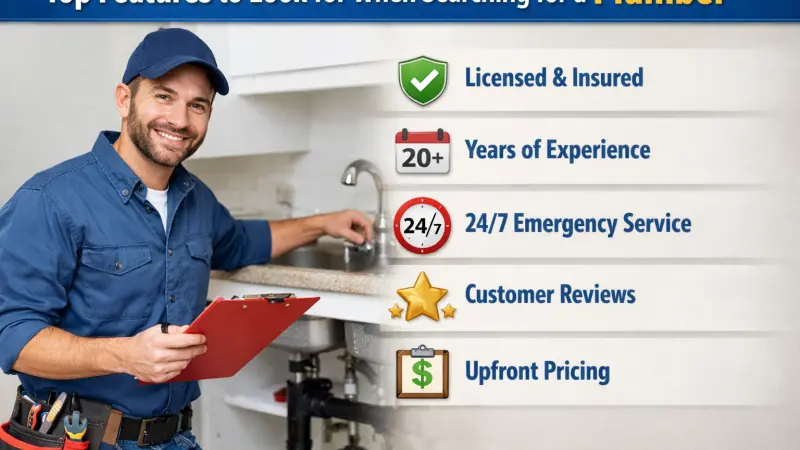
Imagine waking up in the early hours of a freezing January morning to the sound of rushing water, only to discover a burst pipe is rapidly flooding your kitchen. In a moment of sheer panic, you frantically search your phone for a professional who can immediately resolve the crisis. It is in these high-stress scenarios that homeowners often make hasty decisions, sometimes hiring the first person who answers the telephone, regardless of their credentials. However, understanding the top features to look for when searching for a plumber is absolutely essential to protecting your property, your finances, and your peace of mind. Hiring a tradesperson is not merely a transaction; it is an invitation for a specialist to work on your home’s most critical infrastructure. This comprehensive guide details the non-negotiable attributes, professional standards, and vital qualifications you must identify to ensure you employ a competent, reliable, and trustworthy plumbing expert in the UK.
Verifiable Industry Qualifications and Certifications
The foremost feature to demand from any tradesperson operating within your home is a solid foundation of professional training. The plumbing industry in the United Kingdom is highly regulated, and rightly so, given the catastrophic damage that incorrectly installed water and gas systems can inflict upon a property.
The Crucial Role of the Gas Safe Register
If the work you require involves a gas boiler, a gas fire, a gas cooker, or any central heating system directly connected to a gas supply, the engineer must, by law, be on the Gas Safe Register. This is not an optional extra; it is a strict legal requirement in the UK designed to prevent gas leaks, fires, explosions, and carbon monoxide poisoning. A premier feature of a reputable plumber is their proactive willingness to prove this registration. When the engineer arrives at your door, they should carry a Gas Safe ID card. A diligent homeowner should always check both the front of the card for the expiry date and the engineer's photo, and the back of the card to ensure they are specifically qualified for the type of gas appliance they are intending to service or install.
City & Guilds and NVQ Qualifications
For general water-based plumbing tasks—such as fixing a leaking tap, installing a new bathroom suite, or unblocking an external drain—gas qualifications are not required. However, you should still seek out individuals who have invested in their professional education. The industry standard in the UK is a Level 2 or Level 3 National Vocational Qualification (NVQ) or a Diploma from City & Guilds in Plumbing and Domestic Heating. These rigorous certifications guarantee that the plumber has completed extensive theoretical coursework and demonstrated practical competence under strict assessment conditions. A plumber who proudly displays these qualifications demonstrates a commitment to their craft and a thorough understanding of current UK building and water regulations.
Comprehensive Public Liability Insurance
Even the most experienced and meticulous professionals can occasionally make a mistake, or experience an unpredictable equipment failure. If a tradesperson accidentally drills through a hidden pipe and causes thousands of pounds worth of water damage to your flooring and ceilings, you need to know who is financially responsible.
A non-negotiable feature of a legitimate plumbing business is comprehensive Public Liability Insurance. This insurance protects you, the homeowner, ensuring that you will not be left out of pocket if the contractor causes accidental damage to your property or, worse, causes an injury while carrying out their work. The standard minimum coverage expected for a professional plumbing contractor in the UK is £2 million. Before agreeing to any substantial work, particularly major renovations, simply ask to see a copy of their insurance certificate. A reputable plumber will have this document readily available and will not be offended by your request.
Transparent Pricing and Detailed Written Estimates
Disputes over final bills are one of the most common sources of friction between homeowners and tradespeople.
A hallmark of an exceptional plumber is absolute financial transparency from the initial consultation through to the final invoice.
Understanding Call-Out Fees
Many reliable plumbing services UK charge a call-out fee. This is a standard industry practice designed to cover the cost of their travel time, fuel, and the initial diagnostic assessment of your problem. A transparent professional will clearly state their call-out fee during your initial telephone conversation. Furthermore, they should clarify whether this fee is a standalone charge or if it will be absorbed into the final cost of the repair should you choose to hire them for the job.
Quotes vs. Estimates
It is vital to understand the distinction between an estimate and a quote. An estimate is a rough, educated guess as to how much a job will cost, which is subject to change if unexpected complications arise. A quote, conversely, is a firm, binding price for the specific work outlined. For minor repairs, an hourly rate is standard. However, for significant projects like a boiler replacement or a bathroom installation, you should always insist on a detailed, written quote. This document should itemise the cost of all materials, the cost of labour, the estimated timeframe, and explicitly state whether Value Added Tax (VAT) is included. Plumbers who provide vague, verbal pricing or insist heavily on "cash-in-hand" payments without offering a formal receipt should be avoided, as this leaves you with no paper trail or legal recourse if the workmanship proves defective.
A Stellar Reputation and Verifiable Customer Reviews
In the digital age, a company’s reputation is entirely visible to the public. While a polished website is a positive sign, the true measure of a plumber’s reliability is found in the experiences of their previous clients.
When assessing a potential candidate, dedicate time to reading independent customer reviews on trusted platforms such as Trustpilot, Google Reviews, or Checkatrade. However, it is important to look beyond the overall star rating. Read the detailed narratives provided by homeowners. Look for consistent praise regarding specific features: Did the plumber arrive exactly when they promised? Did they leave the work area clean and tidy? Were they polite and respectful? Crucially, pay close attention to how the business responds to negative reviews. A professional, measured, and helpful response to a customer complaint is often a stronger indicator of good customer service than a flawless page of generic five-star ratings.
Punctuality and Clear Communication
A plumbing issue often requires taking time off work or rearranging your daily schedule to allow the tradesperson access to your property. Therefore, punctuality is a fundamental feature of a respectful and reliable professional.
If a plumber states they will arrive between 8:00 AM and 10:00 AM, they should arrive within that window. If unforeseen circumstances, such as heavy traffic or a previous job overrunning, cause a delay, a professional will always telephone you in advance to provide an updated estimated time of arrival. Furthermore, clear communication extends beyond simply turning up on time. A highly skilled plumber possesses the ability to explain complex mechanical issues in clear, concise, and jargon-free language. They should be able to physically show you the worn valve or the damaged pipe, explain exactly why it has failed, and outline the various options available for repairing it, allowing you to make an informed decision without feeling pressured.
Extensive Problem-Solving and Diagnostic Skills
Plumbing is rarely as simple as merely tightening a nut or replacing a washer. Often, the visible symptom—such as a damp patch on a
living room ceiling—is located far away from the actual source of the leak. A top-tier plumber is essentially a mechanical detective.
Look for professionals who utilise logical, step-by-step diagnostic processes rather than simply guessing and replacing parts at random at your expense. Modern, forward-thinking plumbing contractors often employ advanced diagnostic technology to assist their problem-solving. This might include using thermal imaging cameras to locate hidden hot water pipe leaks behind solid walls without the need for destructive investigation, or deploying miniature CCTV drain cameras to visually inspect underground sewage pipes for blockages, root ingress, or structural collapses. A plumber who invests in this level of equipment is demonstrating a commitment to providing an efficient, non-invasive, and highly accurate service.
Guarantees and Warranties on Workmanship
Confidence in one's own abilities is a key trait of an expert tradesperson. A reputable plumber will not hesitate to stand behind the quality of their labour. When searching for a professional, always inquire about the guarantees they offer on their workmanship.
A standard industry benchmark is a 12-month guarantee on all labour carried out. This means that if the exact same joint begins to leak again within a year due to poor installation, the plumber will return to rectify the issue free of charge. Additionally, ensure they clearly explain the manufacturer's warranties on any major parts or appliances they supply and fit, such as a new boiler, shower pump, or radiator. Having these guarantees outlined clearly in writing provides profound peace of mind and protects your financial investment.
Emergency Call-Out Capabilities and Availability
Water damage acts quickly. If a primary mains pipe ruptures, waiting until standard business hours the following Monday is simply not an option. Therefore, establishing a relationship with a local contractor who offers genuine emergency call-out plumbers services is incredibly valuable.
When vetting potential plumbers for your home's maintenance roster, ask about their out-of-hours availability. Do they operate a 24/7 emergency service? What is their average response time for urgent calls within your postcode area?
Be aware that emergency, late-night, or weekend call-outs will inevitably carry a premium hourly rate, but having a trusted contact who guarantees they will answer the phone at 2:00 AM during a crisis is an indispensable feature.
Respect for Your Property and Professional Demeanour
Inviting a stranger into your home requires a significant degree of trust. The very best tradespeople recognise this and operate with the utmost respect for your personal space and property.
Professionalism is immediately evident in a plumber's demeanour. They should arrive in a clean, branded uniform and drive a well-maintained vehicle. Before commencing work, a respectful plumber will take preventative measures to protect your home. This includes laying down heavy-duty dust sheets over your carpets and furniture, wearing protective disposable boot covers to avoid tracking mud through your hallways, and carefully moving delicate items away from the work zone. Furthermore, the hallmark of an exceptional tradesperson is their commitment to cleanliness; they should leave the work area exactly as they found it, meticulously cleaning up any debris, dust, or water spills before presenting their final invoice.
Frequently Asked Questions (FAQ)
1. Do I legally need a Gas Safe registered engineer to fix a dripping bathroom tap?
No. Standard water plumbing tasks, such as replacing a tap washer, unblocking a sink, or fitting a new toilet, do not require Gas Safe registration. However, you should still seek a professional with standard plumbing qualifications (like City & Guilds). You only strictly require a Gas Safe engineer if the work directly involves a gas boiler, gas fire, or the gas supply pipework.
2. Should I ever pay a plumber the full amount before the work is finished?
You should never pay the entire balance of a job upfront. It is entirely standard and acceptable practice for a plumber to request a deposit (typically between 10% and 25%) for large projects to cover the initial cost of ordering expensive materials, such as a new boiler unit or bespoke bathroom ceramics. However, the final, most substantial payment should only ever be handed over once the job is completed to your total satisfaction and you have received all relevant paperwork.
3. What steps should I take if a plumber accidentally damages my property?
If an accident occurs, immediately document the damage with clear photographs and notify the plumber in writing. Because you have already verified (as per feature number two) that they hold adequate Public Liability Insurance, they should contact their insurance provider to cover the cost of the necessary repairs to your property. Do not attempt to repair the damage yourself before their insurance assessor has evaluated it.
4. How many quotes should I obtain for a major plumbing installation?
For significant financial investments, such as a complete central heating system overhaul or a full bathroom renovation, the industry best practice is to obtain a minimum of three written quotes from different local contractors. This allows you to accurately gauge the average market rate in your specific area, compare the different materials being proposed, and evaluate the professionalism of the different tradespeople during the quoting process.
Conclusion and Next Steps
Identifying the right tradesperson does not have to be a game of chance. By actively seeking out these top features—ranging from strict Gas Safe accreditations and comprehensive insurance to transparent pricing structures and a proven track record of excellent customer service—you can confidently safeguard your home against shoddy workmanship and stressful financial disputes.
Taking the time to properly vet a professional before an emergency strikes ensures that when you do need assistance, you are making a single phone call to a trusted expert.
For skilled tradespeople, possessing these essential attributes is vital, but ensuring they are easily discoverable by the local community is equally important for long-term success. Many reputable contractors actively focus on improving online visibility by listing businesses on accessible platforms, such as a free company listings directory, to showcase their credentials directly to homeowners. Whether a newly qualified engineer is utilising a free startup business directory UK to build their initial client base, or a homeowner is browsing a comprehensive free service directory UK to find a vetted professional, the mutual benefits are clear. Utilising a robust local business directory in UK helps bridge the gap between reliable tradespeople and residents in need of urgent assistance. To explore a trusted platform dedicated to connecting communities with verified local professionals, visit Local Page UK.
Disclaimer: The information provided in this article is for general informational and research purposes only. Company details, features, services, and market positions may change over time. Readers are advised to visit official company websites and conduct independent research before making any business decisions or purchasing services.
Most Searchable Keywords
Recent Blogs


Related Listings
Categories
- Accountants (295)
- Advertising Agencies (559)
- Architects (149)
- Automobiles (377)
- Beauty (300)
- Carpenters (146)
- Cleaning Services (387)
- Dentists (189)
- Driving (62)
- Education (1)
- Electricians (215)
- Energy (8)
- Event Organiser (687)
- Finance (602)
- Guide (3482)
- Health (2207)
- Information technology (206)
- Legal Services (361)
- Logistics (6)
- Maintenance (65)
Sponsored Listings in Plumbers

Related Blogs

Ghost Brokers Fake Car Insurance Scam Explain...
Read this insightful article "Ghost Brokers Fake Car Insurance Scam Explained" to expand your knowledge!

UK Baby Names Fastest Rising and Falling Name...
Read this insightful article "UK Baby Names Fastest Rising and Falling Names" to expand your knowledge!

How to Claim for Pothole Damage From Your Cou...
Read this insightful article "How to Claim for Pothole Damage From Your Council" to expand your knowledge!
Questions & Answers – Find What
You Need, Instantly!
How can I update my business listing?
Is it free to manage my business listing?
How long does it take for my updates to reflect?
Why is it important to keep my listing updated?
