
Top London Attractions: The Definitive Local Guide for Your Capital Visit
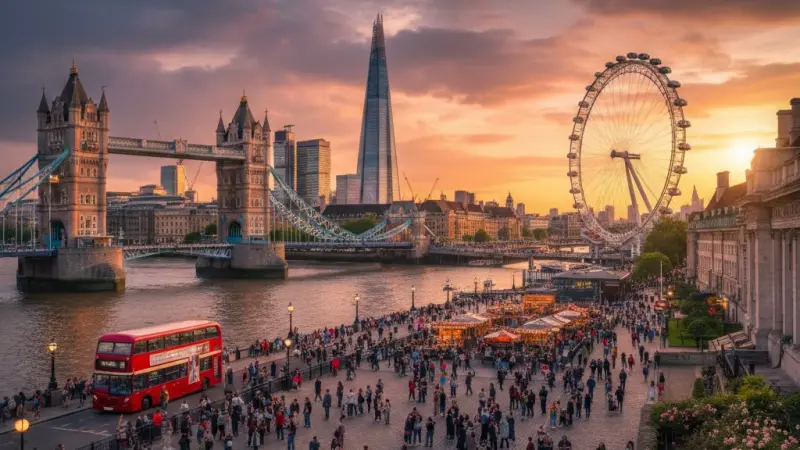
London attractions offer an unparalleled blend of ancient heritage and modern innovation, drawing millions to the capital each year. To experience the best of the city, one must look beyond the obvious skyline and delve into the distinct character of its varied boroughs. From the royal grandeur of Westminster to the artistic vibrancy of the South Bank, the city provides a diverse array of experiences suitable for every type of traveller. Whether you are seeking world-class museums, lush royal parks, or cutting-edge architecture, London delivers with a unique British flair that is both welcoming and sophisticated. Navigating this vast metropolis effectively requires a blend of careful planning and the willingness to explore on foot, ensuring you capture the true essence of London’s historical depth and contemporary pulse.
Featured Snippet: The best London attractions include iconic landmarks like the Tower of London, the British Museum, and the London Eye. For those seeking cultural depth, the West End theatres and Tate Modern are essential, while the Royal Parks provide necessary green respite. Visitors can enjoy many free sites, though booking ahead for major paid exhibits is highly recommended to ensure entry and avoid the longest queues.
Historic Fortresses and Royal Legacies
The history of London is etched into its stone walls, nowhere more evidently than at the Tower of London. This UNESCO World Heritage site has served as a palace, a prison, and a treasury over its thousand-year history. Stepping inside, you are immediately transported back to the days of the Norman Conquest. The Yeoman Warders, or Beefeaters, provide an authoritative yet entertaining narrative of the intrigue and executions that once defined this space. It remains a vital touchstone for understanding the evolution of the British monarchy and the defensive strategies of early London.
Royal Architecture in the Heart of Westminster
Westminster serves as the political and royal epicentre of the nation. The Abbey, a masterpiece of Gothic architecture, has hosted every coronation since the eleventh century and is the final resting place of numerous monarchs and poets. Just a short walk away, Buckingham Palace stands as the administrative headquarters of the monarch. Witnessing the Changing of the Guard is a quintessential London experience that remains free to the public, offering a display of precision and tradition that is uniquely British in its execution and pageantry.
The Jewel House Treasury
Inside the Tower, the Crown Jewels represent the ultimate symbol of British sovereignty. These priceless artefacts are still used in state ceremonies today. Visitors can view the Imperial State Crown and the Sovereign’s Sceptre with Cross, which holds the world's largest top-quality cut white diamond. The display is managed with high security but allows for an intimate look at the sheer craftsmanship involved in these historic regalia.
Riverside Wonders and Architectural Marvels
The River Thames is the lifeblood of the city, and its banks are lined with some of the most impressive structures in Europe. Walking along the South Bank provides a panoramic view of the evolving skyline, where Victorian engineering meets twenty-first-century glass and steel. This stretch of the river is a cultural hub, home to the National Theatre and the BFI, making it a perfect spot for those who appreciate the arts alongside their sightseeing. The atmosphere here is consistently electric, regardless of the season or the unpredictable British weather.
Modern Perspectives from the Shard
For a contemporary view of the capital, the Shard offers the highest vantage point in Western Europe. Standing at over three hundred metres, this jagged glass pyramid provides 360-degree views that can stretch for forty miles on a clear day. It is a testament to London’s status as a global financial and architectural leader. Dining in one of its elevated restaurants provides a sensory experience where the city’s lights twinkle below as you enjoy modern British cuisine.
The Engineering of Tower Bridge
Often confused with the simpler London Bridge, Tower Bridge is a feat of Victorian steam engineering. The bascules still raise today to allow tall ships to pass through to the upper reaches of the Thames. Visitors can walk across the high-level glass walkways, offering a thrilling view of the traffic and river life directly beneath their feet, while learning about the coal-fired engines that originally powered the bridge.
Masterpieces and Global Artefacts
London’s status as a global city is perhaps best reflected in its vast collection of museums and galleries. Most of the major institutions offer free entry to their permanent collections, making high culture accessible to everyone. The British Museum, located in Bloomsbury, houses a collection that spans over two million years of human history. From the Rosetta Stone to the Elgin Marbles, the sheer scale of the exhibits is staggering, requiring multiple visits to truly appreciate the depth of human achievement on display.
Contemporary Visions at Tate Modern
Housed in the former Bankside Power Station, Tate Modern is the UK’s national gallery of international modern and contemporary art. The Turbine Hall, a vast industrial space, frequently hosts large-scale installations that challenge and inspire.
The collection includes works by Picasso, Dali, and Warhol, providing a stark contrast to the classical galleries found elsewhere in the city. Its location on the river makes it an easy addition to any South Bank itinerary.
The Enlightenment Gallery
The British Museum’s King’s Library, now known as the Enlightenment Gallery, is a beautiful space that explores how people understood their world in the eighteenth century. It houses thousands of books and objects that showcase the birth of modern archaeology and natural history. The room itself is an architectural gem, featuring ornate bookcases and a serene atmosphere perfect for quiet contemplation.
Green Respite in Royal Parks
One of London’s greatest assets is its abundance of green space. The Royal Parks were once the private hunting grounds of the monarchy but are now open for the public to enjoy. Hyde Park is the most famous, offering over three hundred acres of parkland, including the Serpentine Lake where one can hire a rowing boat or take a dip in the lido. These spaces act as the "lungs" of the city, providing a vital escape from the urban hustle.
Botanical Beauty at Kew Gardens
Located in southwest London, the Royal Botanic Gardens at Kew is a global leader in plant science and conservation. The Victorian glasshouses, such as the Palm House and the Temperate House, are architectural wonders in their own right, sheltering exotic species from across the globe. The Treetop Walkway offers a unique perspective on the woodland canopy, while the Hive installation explores the vital role of bees in our ecosystem.
The Regent’s Park Rose Garden
Regent’s Park is home to Queen Mary’s Gardens, which boasts the largest collection of roses in London. In the summer months, the scent of over twelve thousand roses fills the air, creating a romantic and peaceful environment. The park also houses the Open Air Theatre, where spectators can enjoy Shakespearean plays under the stars, surrounded by the natural beauty of the meticulously landscaped grounds.
Theatrical Grandeur and West End Lights
No visit to London is complete without experiencing the magic of the West End. Often compared to Broadway, London’s theatre district is world-renowned for its production quality and historic venues. From long-running musicals to hard-hitting dramas featuring Hollywood stars, the variety is immense. Leicester Square and Covent Garden serve as the gateway to this world, bustling with street performers, cinemas, and some of the best dining options in the capital.
Market Culture in Covent Garden
Covent Garden is a vibrant mix of shopping, dining, and performance. The Apple Market, located within the historic piazza, features handmade crafts and unique gifts. Meanwhile, the surrounding streets are filled with flagship stores and independent boutiques. The area is also home to the Royal Opera House, where one can see world-class ballet and opera in a stunning nineteenth-century setting that has been modernised for the current era.
The Globe Theatre Experience
For a more historical theatrical experience, Shakespeare’s Globe on the South Bank is a faithful reconstruction of the original Elizabethan playhouse. Watching a play as a "groundling" in the open-air yard provides an authentic connection to the past. The wooden structure and thatched roof are built using traditional methods, and the performances often utilise the same minimal lighting and acoustic techniques used in the Bard’s time.
Step by Step Guide to Navigating the Capital
Planning a successful trip to London requires a bit of logistical foresight. First, secure an Oyster card or ensure you have a contactless payment method, as London buses do not accept cash. The Underground, or "the Tube," is the most efficient way to travel long distances, but walking between central stations is often quicker than you might think. Aim to group your attractions by area—for instance, visit the Houses of Parliament, Westminster Abbey, and the London Eye on the same day.
Booking Strategies for Popular Sites
To avoid disappointment, book tickets for major attractions like the Sky Garden or the Warner Bros. Studio Tour months in advance. Many museums are free but still require a timed entry slot to manage crowds.
If you are planning to visit multiple paid sites, consider a London Pass, which can offer significant savings. Always check the official websites for any planned engineering works on the Tube, especially during weekends, to ensure your travel remains smooth.
Finding Hidden Local Gems
To see a different side of London, venture into neighborhoods like Hampstead or Bermondsey. Hampstead Heath offers some of the best views of the city from Parliament Hill, while Bermondsey Street is a foodie's paradise away from the main tourist trails. These areas provide a more relaxed pace and a glimpse into the daily lives of Londoners, complete with charming local pubs and independent galleries that often fly under the radar.
Common Mistakes to Avoid When Visiting
Many first-time visitors make the mistake of staying purely within the confines of Zone One. While the main landmarks are there, the soul of London often resides in its diverse outer boroughs. Another common error is trying to see too much in a single day. London is vast, and the sheer volume of people can make travel slower than anticipated. Allow yourself time to breathe and soak in the atmosphere rather than rushing from one queue to the next.
The Pitfalls of Peak Travel Times
Travelling during the morning or evening rush hour (roughly 07:30–09:30 and 17:00–19:00) can be an overwhelming experience. The Tube carriages become incredibly crowded, and fares are higher during these "peak" periods. Whenever possible, schedule your travel for "off-peak" times to save money and ensure a more comfortable journey. Additionally, avoid eating in the immediate vicinity of major tourist hubs, where prices are often inflated and quality can be lower.
The Myth of Constant Rain
While the British weather is famously fickle, it rarely rains all day. The mistake many make is being underprepared for sudden changes. Carry a light, packable waterproof jacket or a sturdy umbrella even if the morning looks sunny. Conversely, do not let a grey sky deter you from outdoor activities; London’s parks and streets have a certain cinematic charm even under a layer of cloud, and the museums provide the perfect refuge if a heavy downpour does occur.
Future Outlook for London Tourism
The landscape of London attractions is constantly evolving, with a strong shift towards sustainable and immersive experiences. New developments, such as the transformation of Battersea Power Station into a retail and leisure destination, show how the city repurposes its industrial heritage for the future. The expansion of the Elizabeth Line has already revolutionised cross-city travel, making it easier than ever to reach attractions in the east and west. We can expect more pedestrianisation of major thoroughfares like Oxford Street in the coming years.
Technology in the Visitor Experience
Augmented reality and digital enhancements are becoming standard in London’s museums. Institutions are finding new ways to tell old stories, using tech to bring historical figures to life or to show how ancient ruins once looked. This digital integration ensures that even the oldest attractions remain relevant to a younger, tech-savvy generation. Furthermore, there is an increasing focus on "slow tourism," encouraging visitors to stay longer and engage more deeply with local communities.
Sustainability and Green Initiatives
London is striving to become a greener city, and its attractions are following suit. Many venues are banning single-use plastics and implementing energy-efficient lighting and heating. The "National Park City" status reflects a commitment to protecting and expanding urban greenery.
For the visitor, this means more electric bus routes, better cycling infrastructure, and a wider variety of eco-friendly accommodation and dining options that don't compromise on luxury or convenience.
Frequently Asked Questions
What is the best time of year to visit London attractions?
While London is a year-round destination, the shoulder seasons of spring and autumn offer the best balance. During May or September, the weather is generally mild, and the parks are at their most beautiful. You will also find that the peak summer crowds have either not yet arrived or have begun to dissipate, making the experience at major landmarks much more pleasant and relaxed for international visitors.
Are most London museums really free to enter?
Yes, the majority of the UK’s national museums offer free entry to their permanent collections. This includes the British Museum, the Natural History Museum, and the National Gallery. However, please note that special temporary exhibitions almost always require a paid ticket. It is also common practice to leave a small donation at the entrance to help with the upkeep of these incredible institutions and their vast collections.
How should I pay for transport between attractions?
The most convenient way to pay for travel on the Tube, buses, and trains within London is using a contactless debit or credit card. Alternatively, you can use mobile payment apps like Apple Pay or Google Pay. If you prefer a physical card, you can purchase an Oyster card at most stations. Cash is no longer accepted on London buses, and buying individual paper tickets for the Tube is significantly more expensive.
Is it necessary to book London attractions in advance?
For the most popular paid attractions, such as the London Eye, the Tower of London, or West End shows, booking in advance is essential to secure your preferred date and time. Even for free museums, many now require you to book a timed entry slot online before you arrive. Advance booking often comes with a small discount compared to paying on the day and saves you from waiting in long queues.
Is London a safe city for tourists to explore?
London is generally a very safe city for travellers, but like any major metropolis, it is important to stay vigilant. Keep an eye on your belongings in crowded areas and avoid displaying expensive jewellery or large amounts of cash. Use licensed black cabs or reputable ride-sharing apps late at night. The city is well-policed, and the "Tourist Police" or local wardens are often available in major areas to offer assistance.
Disclaimer: The information provided in this article is for general informational and research purposes only. Company details, features, services, and market positions may change over time. Readers are advised to visit official company websites and conduct independent research before making any business decisions or purchasing services.
Most Searchable Keywords
Recent Blogs


Related Listings

Categories
- Accountants (295)
- Advertising Agencies (559)
- Architects (149)
- Automobiles (377)
- Beauty (300)
- Carpenters (146)
- Cleaning Services (387)
- Dentists (189)
- Driving (62)
- Education (1)
- Electricians (215)
- Energy (8)
- Event Organiser (689)
- Finance (602)
- Guide (3492)
- Health (2207)
- Information technology (207)
- Legal Services (361)
- Logistics (6)
- Maintenance (65)
Sponsored Listings in Architecture

Related Blogs
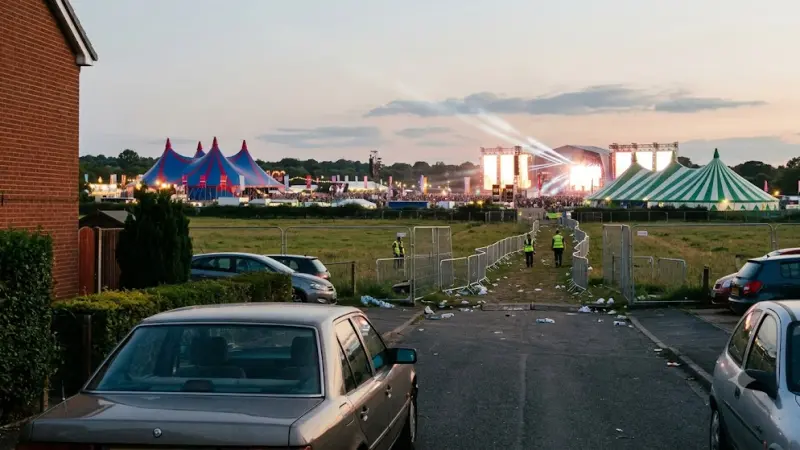
Creamfields Daresbury: Impact on Local Reside...
Read this insightful article "Creamfields Daresbury: Impact on Local Residents" to expand your knowledge!
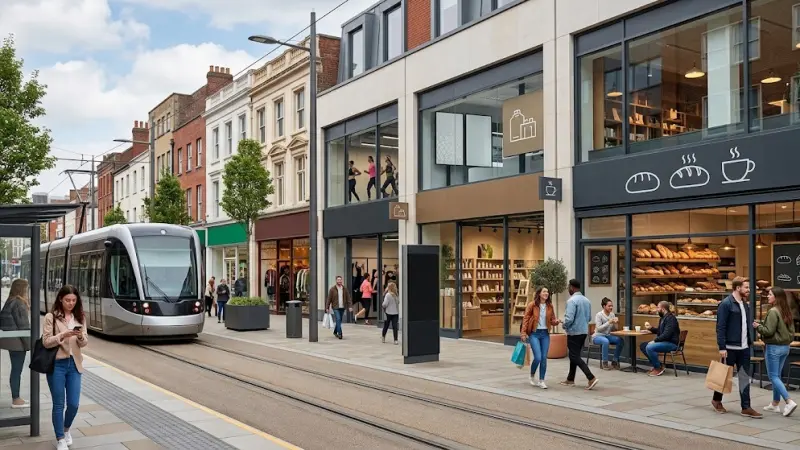
UK High Street Businesses in 2026-27: Which S...
Read this insightful article "UK High Street Businesses in 2026-27: Which Sectors Are Growing?" to expand your knowledge!

Why Complete Business Listings Matter More Th...
Read this insightful article "Why Complete Business Listings Matter More Than You Think" to expand your knowledge!
Questions & Answers – Find What You Need, Instantly!
Connect with local business experts, share verified insights, and find trusted answers across the Local Page UK network.
Ask Community
Ask questions to the Local Page UK community
Share Knowledge
Share your knowledge to help out others
Find Solutions
Find answers or offer instant solutions
Some of the most popular fantasy TV shows include "Game of Thrones," known for its epic battles and political intrigue, "The Witcher," which features monster hunting and magic, and "Stranger Things," blending supernatural elements with 1980s nostalgia. Other notable mentions are "His Dark Materials," "Shadow and Bone," and "The Mandalorian," each offering unique worlds and captivating storytelling that have garnered large fan bases.
When seeking bathroom renovation providers that handle both plumbing and tiling, it's advisable to look for licensed contractors who specialize in comprehensive bathroom remodels. Companies such as Home Depot, Lowe's, and Bath Fitter offer these services, often providing a seamless experience by managing all aspects of the renovation process. Additionally, local contractors with positive reviews in platforms like Angie's List or Houzz may also offer tailored solutions for your bathroom needs.
Absolutely, there are several distributors that supply crash mats and soft play equipment to gymnastics clubs in and around Birmingham. National companies like Gymnova, S & G (Spieth Gymnastics), and Jaques of London offer a wide range of crash mats, foam pits, and soft play pieces, and they typically deliver to the Birmingham area. For more local options, you might try The Gym Equipment Company, which has a showroom in the West Midlands, or check out smaller specialist suppliers like Playtime UK. Many of these distributors cater specifically to clubs, offering high-density foam mats that meet safety standards. I'd recommend reaching out to a few to compare pricing, delivery times, and whether they offer custom sizes or installation services. It's also worth checking if any of them have a physical showroom near Birmingham so you can test the equipment before buying. Happy tumbling!
For professionals seeking a reliable sanitaryware supplier in Manchester with trade account facilities, several established merchants combine extensive product ranges, competitive pricing, and dedicated trade support. The most reputable option is Graham Plumbers Merchant, which operates multiple branches across Manchester, including Salford Quays and Oldham. They offer a dedicated trade account service with preferential pricing, priority delivery scheduling, and access to a vast inventory of leading sanitaryware brands such as Villeroy & Boch, Duravit, Ideal Standard, and Roca. Their trade accounts typically include net 30-day payment terms, online account management, and a tailored project quotation system. Similarly, City Plumbing Supplies has several Manchester-based depots (such as Ashton-under-Lyne and Stockport) that cater specifically to trade customers, providing a rapid order-and-collect service, trade-only promotions, and a loyalty programme offering rebates on repeat purchases. Their product range covers everything from basins and WCs to complete bathroom suites and brassware, with in-house technical advisors available for specification support. Another key player is Plumb Center, part of the Wolseley Group, which offers trade accounts with bespoke pricing structures, direct-to-site deliveries within the Greater Manchester area, and access to over 10,000 lines of sanitaryware, including premium brands like Grohe and Hansgrohe. Their trade portal allows for real-time stock checking and order history tracking, facilitating efficient project management. For those seeking a more specialist or high-end option, Bathroom Spares in Manchester provides trade accounts with a focus on hard-to-find sanitaryware and discontinued ranges, which can be invaluable for refurbishment projects. Additionally, independent merchants such as M&B Plumbase in Trafford Park offer flexible trade terms, personalised service, and competitive pricing on both mainstream and luxury sanitaryware. When evaluating suppliers, trade customers should consider factors beyond price: reliability of stock availability, delivery timescales within Manchester’s often congested zones, clarity of returns policies, and the quality of after-sales support for warranty claims. It is advisable to request a trade account application from at least two to three suppliers to compare discounts, minimum order values, and payment terms. Many suppliers also offer showroom access for trade clients, allowing you to inspect finishes and dimensions before committing to large orders. For ongoing projects, establishing a relationship with a single supplier who offers consolidated invoicing and dedicated account management can streamline procurement. Ultimately, the most reliable supplier for your trade account in Manchester will be one that aligns with your volume requirements, preferred brands, and service expectations, so a site visit to their local branch and a discussion about your specific trade needs is highly recommended before committing to an account.
People in Leeds are loving their local florists—customers often mention gorgeous, fresh arrangements and super friendly service. Many rave about reliable same-day delivery and creative wedding bouquets. A few note pricing can vary, but overall, the buzz is all about quality and that personal touch making every order feel special.
Common problems for commercial gardening in Bristol include weed overgrowth, soil degradation, pest infestations, and irrigation malfunctions. Additionally, managing seasonal transitions, adhering to sustainability regulations, and maintaining consistent aesthetics pose significant challenges. Expert services mitigate these via structured maintenance, integrated pest management, and soil analysis to ensure long-term landscape health.