
TV licence UK: The Essential Guide to Legal Compliance and Requirements
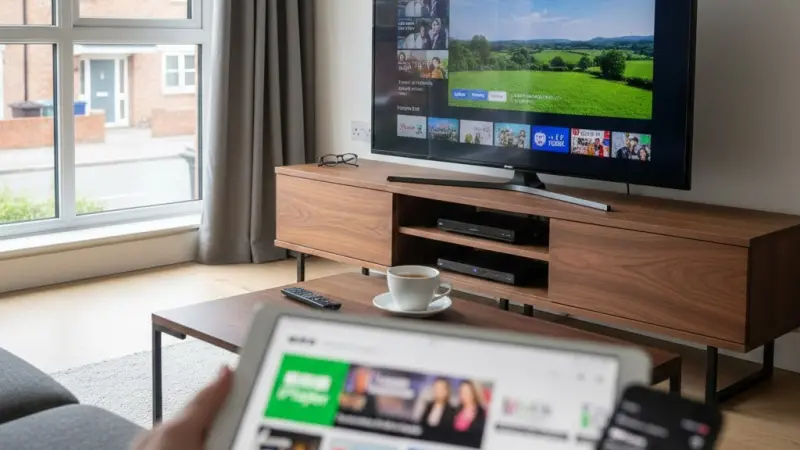
A TV Licence is a legal requirement in the United Kingdom if you watch or record programmes as they are being shown on any TV channel, or if you use BBC iPlayer. This law applies regardless of the device you use, meaning it covers mobile phones, tablets, and laptops as well as traditional television sets. Currently, the annual cost for a colour TV Licence is £169.50, while a black and white licence costs £57.00. You must be covered by a valid licence if you watch live broadcasts on any channel from any provider, including international broadcasts, or any content on BBC iPlayer. Failing to have a licence when required is a criminal offence that can lead to a court appearance and a fine of up to £1,000, plus legal costs and compensation. If you only watch on-demand services like Netflix, Disney+, or YouTube—and never watch live TV or use BBC iPlayer—you likely do not need one.
Understanding the Legal Framework for British Broadcasting
The concept of television licensing in the United Kingdom is rooted in the Communications Act 2003. This legislation dictates that any person using or installing a television receiver must be authorised by a licence. It is a common misconception that the fee is a subscription for BBC content; in reality, it is a legal permission to receive any form of live broadcast. This includes commercial channels like ITV, Channel 4, and Sky, as well as international satellite feeds. The revenue generated is primarily used to fund the public service broadcasting remit of the BBC, supporting television, radio, and online services across the nation.
The Definition of Live Content under Current Law
Under UK law, "live" does not just mean a broadcast happening at this very second, such as a football match or a news bulletin. It refers to any programme you watch or record as it is being shown on any channel. If you are watching a show via a +1 service, that is still considered live TV because it is being broadcast on a linear schedule. The distinction is vital for those using digital terrestrial TV or satellite boxes that record programmes automatically. If your equipment is set to record a live broadcast, you are legally required to hold a valid licence, even if you watch the recording weeks later.
Requirements for Streaming Services and Online Apps
In the modern era, the law has evolved to cover digital platforms. If you use an app on your smart TV or phone to watch a channel's live stream—such as watching Sky Sports via the Sky Go app or ITV1 via ITVX—you are watching live TV. This activity requires a licence. However, watching "catch-up" content on services like Channel 4 (formerly All 4) or ITVX is permitted without a licence, provided you are not watching the live feed. The only exception is BBC iPlayer, where a licence is required for all content, whether live, catch-up, or on-demand.
Current Costs and Payment Methods for Households
As of the most recent adjustment, the standard colour TV Licence is priced at £169.50 per year. For many households, this represents a significant annual expense, and the TV Licensing authority provides several ways to manage this cost. You can pay the full amount upfront, or opt for a Direct Debit scheme which can be settled monthly or quarterly. There is also a TV Licensing payment card, which allows for weekly or fortnightly payments, often used by those who prefer to budget more granularly. It is important to ensure payments are kept up to date, as a cancelled Direct Debit can lead to the licence becoming void immediately.
Concessions for Older Citizens and Specific Vulnerabilities
There are specific groups within the UK entitled to a reduction or a full waiver of the fee. Most notably, those aged 75 or over who receive Pension Credit are entitled to a free TV Licence. Previously, this was a universal benefit for all over-75s, but the rules changed in 2020. Additionally, if you are registered as blind or severely sight impaired, you are eligible for a 50% discount on the cost of your licence. This reduction applies to the entire household, provided the licence is in the name of the person who is eligible. Residents in care homes may also qualify for a "neighbourhood" licence, which costs a significantly reduced nominal fee.
Documentation Required for Discounted Applications
To claim these concessions, you must provide official evidence to TV Licensing. For the blind concession, a copy of the certificate of blindness from your local authority or an ophthalmologist is required. For the Pension Credit waiver, you will need to provide your National Insurance number so the authority can verify your status with the Department for Work and Pensions. Once the evidence is processed, the discount or waiver is usually applied to your next renewal, or a partial refund may be issued if you have already paid the full amount for the current year.
When You Do Not Need to Pay the Fee
One of the most frequently asked questions is whether one can legally opt out of the TV Licence. You do not need a licence if you never watch live TV on any channel or device, and never use BBC iPlayer. This means if your media consumption is strictly limited to on-demand services like Amazon Prime Video, Netflix, or YouTube videos that are not live streams, you are not required to pay. Many modern households, particularly younger generations, are finding that they no longer consume traditional linear television, making them exempt from the fee. However, you must be certain that no one in your home is accidentally breaching these rules.
How to Formally Declare Non-Requirement
If you are certain you do not need a licence, it is highly recommended to make a "No License Needed" declaration on the official TV Licensing website. While not a legal requirement, this declaration helps stop the automated letters that are sent to unlicensed addresses.
The declaration is typically valid for two years, after which you will be asked to confirm your status again. It is a simple online process that requires your address and a confirmation that you understand the legal requirements. By doing this, you reduce the likelihood of an enforcement officer visiting your property to verify your claim.
What Happens After Making a Declaration
Once you have informed the authorities that you do not require a licence, the frequent correspondence usually ceases. However, TV Licensing reserves the right to visit your property to confirm that your situation is as described. These visits are routine and are intended to ensure that the system remains fair for those who do pay. If you have made a declaration in good faith and truly do not watch live TV or iPlayer, you have nothing to fear from a visit. The officer will simply want to verify that no television receiving equipment is being used for live broadcasts.
Common Mistakes and Legal Misconceptions
There are several dangerous myths surrounding the TV Licence that can lead to unexpected legal trouble. A common mistake is believing that if you don't watch the BBC, you don't need a licence. As previously mentioned, the licence covers all live broadcasts from any provider, including those from overseas. Another misconception is that "smart" TVs are exempt because they use the internet. The delivery method—whether via aerial, satellite, cable, or internet—is irrelevant; it is the "liveness" of the content that triggers the requirement. Relying on these myths can lead to a criminal record.
Risks of Ignoring Official Correspondence
Ignoring letters from TV Licensing is a strategy that often backfires. The system is designed to identify addresses that do not have a licence and have not declared an exemption. Continued silence often leads to the case being passed to enforcement officers. While these letters can feel aggressive, they are a standard part of the enforcement process. Engaging with the authority, either by paying or declaring an exemption, is always the better route. Silence is often interpreted as a sign that a licence is being evaded, which prioritises your address for a physical inspection.
The Potential Impact of a Criminal Record
A conviction for TV Licence evasion is a criminal matter. While it is a non-recordable offence (meaning it doesn't appear on a standard DBS check for most jobs), it still results in a court record. For certain professions, particularly in law, finance, or security, any criminal conviction can be problematic. Furthermore, the financial burden of the fine, which can reach £1,000, is far greater than the cost of the licence itself. Avoiding the fee is a high-risk gamble with very little reward when compared to the potential long-term consequences of a court appearance.
Practical Guidance for New Tenants and Homeowners
Moving into a new property is a busy time, but ensuring your TV Licence is in order should be a priority. If you are a tenant, the responsibility for the licence usually falls on you, not the landlord, unless the tenancy agreement specifically states that bills are included. If you are moving, you can easily transfer your existing licence to your new address via the online portal. If you are a student moving into halls of residence, you generally need your own licence for your room, as your parents' licence will likely not cover you unless you are using a portable device powered only by its internal batteries.
Steps to Take When Moving House
As soon as you have a move-in date, visit the TV Licensing website to update your details. You will need your current licence number and the postcode of your new home. This ensures that you are covered from the moment you move in and prevents any "No Licence" letters from being sent to your new address. If your new property already has a licence from a previous occupant, it will not cover you; licences are generally tied to the individual and the address together, and are not transferable between unrelated people.
Checking if Your Landlord Covers the Fee
If you live in a House in Multiple Occupation (HMO) or a flat-share, the rules can be slightly more complex. In some cases, a single licence might cover the whole house if there is a joint tenancy agreement. However, if you have a separate tenancy agreement for your individual room, you will likely need your own licence. It is vital to check the wording of your contract. If the landlord says the "bills are included," double-check specifically if the TV Licence is part of that package, as it is often excluded from standard utility bundles.
Future Outlook for the Licence Fee Model
The future of the TV Licence is a subject of intense political debate in the UK. With the rise of global streaming giants and changing viewing habits, some argue that the current model is outdated. There have been discussions about replacing the licence fee with a subscription model, a household levy, or even funding the BBC through general taxation.
However, as of now, the Royal Charter ensures the licence fee remains in place until at least 2027. Any major changes would require significant legislative work and public consultation, meaning the current system is here to stay for the foreseeable future.
Proposed Alternatives and Global Comparisons
Critics often point to countries like Australia or the United States, where public broadcasting is funded through a mix of government grants, donations, and advertising. However, proponents of the UK model argue that the licence fee ensures the BBC's independence from both commercial pressures and political interference. Some European neighbours, like France, have recently abolished their TV tax in favour of other funding methods, and the UK government is watching these developments closely. The challenge lies in finding a funding method that maintains the quality of British content while reflecting modern technology.
Digital Transformation of the Licensing System
Regardless of how the fee is collected, the system is becoming increasingly digital. TV Licensing has shifted towards paperless billing and online management to reduce administrative costs. We may see a future where the licence is more closely integrated with internet service providers or device manufacturers. For now, the focus remains on ensuring the law is understood in a world where "watching TV" can mean many different things. Staying informed about these changes is the best way to ensure you remain on the right side of the law as the media landscape continues to shift.
Final Checklist for Total Compliance
To ensure you are fully compliant with UK law, perform a quick audit of your household's viewing habits. Does anyone watch the news live on a laptop? Does a child use iPlayer on a tablet? Is the Sky box set to record series? If the answer to any of these is yes, you must have a licence. If you have determined you don't need one, have you filled out the official declaration? Taking these small steps today can prevent significant stress and financial penalties in the future. Remember that the law is about the act of receiving a signal, not the quality or source of the content.
Avoiding Scams and Fraudulent Correspondence
Because the TV Licence is a near-universal requirement, it is a frequent target for scammers. Be wary of emails or texts claiming your licence has expired or that your payment failed, especially if they ask you to click a link and enter bank details. Official TV Licensing emails will usually include your name or part of your postcode and will never ask for your mother's maiden name or full credit card details via a text link. Always go directly to the official `.co.uk` website by typing it into your browser if you are unsure about the legitimacy of a message you have received.
Maintaining Your Information with the Authority
Lastly, keep your details up to date. If you change your name, or if the person who holds the licence leaves the property, inform TV Licensing immediately. This ensures that your coverage remains valid and that any refunds or concessions are correctly applied. The system works most smoothly for those who are proactive. By being clear about your needs and status, you can enjoy your media consumption—whether it's live sports or Netflix box sets—with the peace of mind that you are fully compliant with the laws of the land.
FAQ
Can I be fined if I only watch Netflix?
No, you do not need a TV Licence if you strictly only watch on-demand streaming services like Netflix, Disney+, or Amazon Prime Video. The legal requirement only applies if you watch live television broadcasts as they are being aired on any channel or use any part of the BBC iPlayer service. As long as you avoid live streams and the BBC's app, you are compliant without paying.
Does a licence cover all devices in my home?
Yes, a single TV Licence covers all devices used at the registered address. This includes televisions, computers, laptops, tablets, mobile phones, and any other equipment capable of receiving a broadcast signal or accessing BBC iPlayer. Whether you have one television or ten, the cost remains the same for the entire household, provided they are all living at that specific location and covered by the licence holder.
Do I need a licence for YouTube live streams?
The rules regarding YouTube are specific. You need a TV Licence if you are watching a live stream of a television channel that is being broadcast simultaneously on a traditional TV channel (for example, Sky News or BBC News live streams). However, you do not need a licence for content created specifically for YouTube by independent creators, provided it is not being broadcast on a linear TV channel at the same time.
What happens if a TV Licensing officer visits?
If an enforcement officer visits, their goal is to verify if television receiving equipment is being used illegally. You are not legally required to let them into your home unless they have a search warrant, which is rare. However, being cooperative and proving that you do not watch live TV can often resolve the situation quickly. If they find evidence of unlicensed viewing, they may take a statement for a potential prosecution.
Are students covered by their parents' TV Licence?
Students are generally not covered by their parents' licence while living away at university, especially in halls of residence where rooms are treated as separate addresses. However, there is a narrow exception: if you are using a device (like a laptop or phone) that is powered solely by its internal batteries and not plugged into the mains, you may be covered by your parents' licence, provided their permanent address is your main home.
Disclaimer: The information provided in this article is for general informational and research purposes only. Company details, features, services, and market positions may change over time. Readers are advised to visit official company websites and conduct independent research before making any business decisions or purchasing services.
Most Searchable Keywords
Recent Blogs


Related Listings
Categories
- Accountants (295)
- Advertising Agencies (559)
- Architects (149)
- Automobiles (377)
- Beauty (300)
- Carpenters (146)
- Cleaning Services (387)
- Dentists (189)
- Driving (62)
- Electricians (215)
- Energy (8)
- Event Organiser (686)
- Finance (602)
- Guide (3377)
- Health (2207)
- Information technology (206)
- Legal Services (357)
- Logistics (6)
- Maintenance (65)
- Manufacturing (35)
Sponsored Listings in Entertainment Services



Related Blogs

How Much BBC Radio 4 Today Programme Hosts Re...
Read this insightful article "How Much BBC Radio 4 Today Programme Hosts Really Earn" to expand your knowledge!

New UK Trade Union Access Rules for Employers...
Read this insightful article "New UK Trade Union Access Rules for Employers in 2026" to expand your knowledge!
Winter Fuel Payment Eligibility and How Much...
Read this insightful article "Winter Fuel Payment Eligibility and How Much You Could Get" to expand your knowledge!
Questions & Answers – Find What
You Need, Instantly!
How can I update my business listing?
Is it free to manage my business listing?
How long does it take for my updates to reflect?
Why is it important to keep my listing updated?
