
Ultimate Guide to Choosing the Best Accounting Software in the United Kingdom
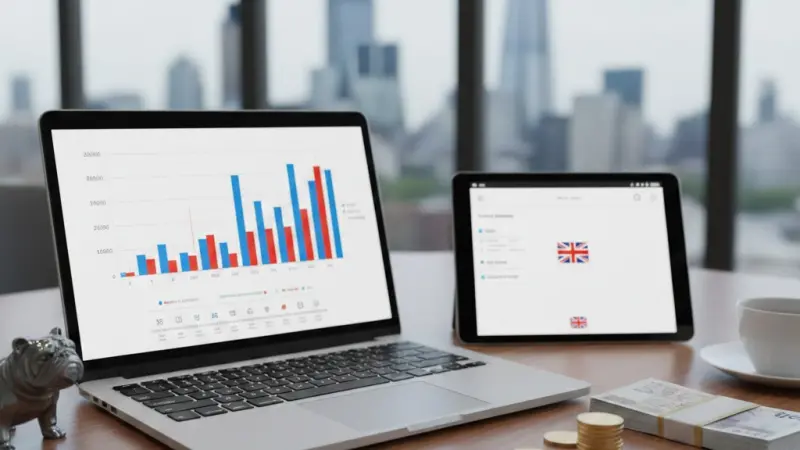
Finding the best accounting software UK businesses can rely on requires balancing HMRC compliance with operational efficiency. In the current British economic climate, the best accounting software for UK small businesses is one that offers full Making Tax Digital (MTD) compatibility, seamless bank feeds with major high-street banks, and robust VAT reporting. For most UK sole traders and limited companies, cloud-based platforms like Xero, QuickBooks, and Sage represent the gold standard, providing real-time financial visibility from any device. These tools automate tedious bookkeeping tasks, ensuring that your records are accurate for Year End and Self Assessment. By integrating your business bank account, you can reconcile transactions instantly, significantly reducing the risk of manual entry errors. Ultimately, the right choice depends on your specific turnover, whether you employ staff, and the complexity of your supply chain.
Navigating the Evolving Digital Landscape for British Business Owners
The transition toward a fully digital tax system has fundamentally altered how British entrepreneurs approach their financial records. Since the inception of Making Tax Digital, the necessity for robust, HMRC-recognised software has moved from a luxury to a legal requirement for VAT-registered entities. This shift has prompted a surge in innovation, with developers tailoring features specifically for the UK market, such as direct links to Companies House and specialized construction industry scheme modules. When you adopt a modern cloud platform, you are not just buying a ledger; you are investing in a system that understands the nuances of British fiscal policy.
Understanding the Necessity of Cloud Based Financial Management
Cloud technology allows business owners to move away from dusty spreadsheets and desktop-bound software. By hosting data on secure remote servers, these platforms ensure that your financial information is backed up and accessible to your accountant in real-time. This collaborative approach streamlines the end-of-year process, as your advisor can spot discrepancies or tax-saving opportunities as they happen, rather than months after the fact. Furthermore, the ability to snap photos of receipts via mobile apps means that "shoebox accounting" is becoming a relic of the past for UK traders.
Real Time Data Access
Having an instant snapshot of your cash flow is vital when navigating inflation and fluctuating overheads. Mobile accessibility ensures that whether you are on a job site or in a boardroom, your balance sheet is just a tap away, providing the confidence needed to make swift, informed decisions.
Selecting Platforms That Prioritise Making Tax Digital Compliance
HMRC has been very clear about its roadmap for the future of taxation in the UK. The best accounting software must be built with these regulations at its core. Compliance is no longer about filing once a year; it is about maintaining a digital link between your source data and your final submission. High-quality platforms ensure that your VAT returns are calculated automatically based on your daily bookkeeping, allowing for one-click submissions to the government. This reduces the stress of deadlines and ensures that your business remains on the right side of the law while avoiding potential late-filing penalties.
Automation Features That Reduce Human Margin of Error
Automation is the cornerstone of modern efficiency. By setting up bank rules, the software can learn how to categorize recurring expenses, such as your monthly rent or utility bills. This intelligent learning capability means that the more you use the system, the less time you spend on it. For British businesses dealing with hundreds of monthly transactions, this can save dozens of hours every month. Beyond simple categorization, automated invoice reminders help maintain a healthy cash flow by politely chasing late-paying clients without requiring manual intervention from your team.
Eliminating Manual Data Entry
Manual entry is not only time-consuming but fraught with the risk of transposition errors. By utilizing direct bank feeds, every penny that enters or leaves your account is captured automatically, ensuring that your books always match your bank statement to the penny without the need for manual typing.
Essential Features for Limited Companies and Sole Traders
The requirements of a freelancer in Brighton differ greatly from a manufacturing firm in Birmingham. For sole traders, simplicity and ease of use are paramount, often focusing on income and expenditure tracking and Self Assessment preparation. Limited companies, however, require more sophisticated tools to manage corporation tax, dividends, and director loan accounts. The best software options offer tiered pricing and modular features, allowing you to pay only for the functionality you need. This scalability is crucial as it allows the software to grow alongside your business as your turnover increases and your requirements become more complex.
Managing Payroll and Pension Contributions Effectively
If your business employs staff, payroll is an unavoidable complexity. Integrated payroll modules handle everything from PAYE calculations and National Insurance contributions to pension auto-enrolment. These systems generate payslips and submit Real Time Information (RTI) reports to HMRC automatically.
Having payroll integrated directly into your accounting suite ensures that your wage expenses are automatically reflected in your profit and loss statements. This holistic view of your business costs is essential for maintaining accurate margins and ensuring that your staff are paid correctly and on time every month.
Streamlined Employee Management
Beyond simple payments, modern payroll integrations can manage holiday requests, statutory sick pay, and maternity leave. This centralisation of employee data reduces the administrative burden on small business owners, allowing them to focus on growth rather than navigating complex employment legislation and tax calculations.
The Role of Integrated Banking and Cash Flow Management
Traditional banking and accounting used to be two separate worlds, but today they are intrinsically linked. Most major UK banks, including the likes of NatWest, Barclays, and newer digital banks like Monzo or Starling, offer seamless integration with the top accounting platforms. This synergy allows for "Open Banking," where transactions flow into your books in real-time. This level of integration provides an unparalleled view of your liquidity, enabling you to forecast future cash flow based on historical trends and upcoming bills. In an era where "cash is king," having this foresight is a significant competitive advantage for any British firm.
Tracking Expenses and Managing Digital Receipts
Gone are the days of losing paper receipts in the glove box of a van. Modern accounting software includes OCR (Optical Character Recognition) technology, which can read the data from a photo of a receipt and match it to a bank transaction. This not only keeps you organized but also ensures that you are claiming every legitimate business expense possible, thereby reducing your overall tax liability. For VAT-registered businesses, this digital audit trail is essential for proving the validity of your input tax claims should HMRC ever request an inspection of your records.
Simplified Audit Trails
Maintaining a clear and accessible digital audit trail is vital for business transparency. By attaching digital copies of invoices directly to transactions within the software, you create a permanent, searchable record that makes responding to queries from your accountant or tax authorities a simple and stress-free process.
Common Pitfalls and Mistakes to Avoid When Switching
Switching software can be a daunting task, and many British businesses make the mistake of not performing a clean cut-over. It is essential to ensure that your opening balances are accurate and that all outstanding invoices are accounted for before migrating. Another common error is choosing a platform based solely on price without considering whether it supports necessary UK-specific features like CIS (Construction Industry Scheme) or specific VAT schemes. Furthermore, failing to provide adequate training for your team can lead to poor data quality, which ultimately undermines the benefits of using the software in the first place.
Ensuring Data Security and Privacy Standards
When dealing with sensitive financial information, security cannot be an afterthought. You must ensure that the software provider adheres to UK GDPR standards and uses high-level encryption to protect your data. Most leading cloud providers offer multi-factor authentication, which adds an essential layer of security to your account. It is also worth checking where the data is stored and what the provider's uptime guarantees are. For a British business, knowing that your financial data is secure and that the service will be available when you need to file a return is non-negotiable.
Implementing Robust Access Controls
Not everyone in your organization needs to see your full profit and loss report. Modern platforms allow for granular user permissions, ensuring that staff can perform tasks like raising invoices or recording expenses without having access to sensitive salary information or high-level company financial reports.
Step by Step Guidance for Successful Implementation
The journey to digital accounting begins with a thorough audit of your current processes. Start by identifying the pain points in your current workflow—is it chasing invoices, or perhaps the complexity of your VAT returns? Once you have a clear list of requirements, you can trial different platforms.
Most providers offer a thirty-day free trial, which is an excellent opportunity to test the user interface and mobile app. After selecting a tool, the next step is to connect your bank accounts and import your chart of accounts. It is often advisable to involve your accountant at this stage to ensure everything is mapped correctly for your specific industry.
Customising Your Setup for Local Requirements
To get the most out of your software, you should customize your invoice templates to include your UK bank details and VAT number. Setting up specific tracking categories can also provide deeper insights into different areas of your business, such as various project locations or product lines. Take the time to explore the "App Marketplace" associated with your software; there are often niche integrations for e-commerce, inventory management, or time-tracking that can further automate your operations. A well-tailored setup will pay dividends in the long run through improved accuracy and reduced admin time.
Optimising Your Invoice Workflow
A professional, clear invoice is more likely to be paid on time. By including "Pay Now" buttons that link to services like GoCardless or Stripe, you make it incredibly easy for your customers to settle their debts, further improving your cash flow and reducing the time spent on credit control.
Future Outlook for Financial Technology in the UK
The future of accounting in the UK is increasingly focused on artificial intelligence and predictive analytics. We are moving toward a period where software will not just record what has happened, but predict what will happen next. Imagine a system that alerts you to a potential cash flow shortage three months in advance or suggests tax-saving investments based on your current performance. As HMRC continues to digitize, we may see more frequent reporting requirements, making the real-time nature of cloud software even more critical. Staying ahead of these technological trends will ensure that your business remains agile and compliant in an ever-changing landscape.
The Integration of Artificial Intelligence in Bookkeeping
AI is already being used to automate complex reconciliations and detect anomalies that might indicate fraud or error. In the coming years, these tools will become even more sophisticated, offering bespoke financial advice tailored to the specific needs of British SMEs. This shift will likely change the role of the accountant from a data processor to a high-level strategic advisor. By embracing these tools now, you are future-proofing your business and ensuring that you have the best possible data to drive your future growth and success in the competitive UK market.
Predictive Financial Analytics
By analyzing years of historical data, AI-driven software can identify seasonal trends and market fluctuations. This allows business owners to prepare for quieter periods or capitalize on surges in demand, turning the accounting department from a back-office function into a powerful engine for strategic growth.
Frequently Asked Questions
Is accounting software mandatory for small businesses in the UK?
While not strictly mandatory for every single micro-business, any business registered for VAT must now use functional compatible software to meet Making Tax Digital requirements. Furthermore, as the government expands MTD to Income Tax Self Assessment, most sole traders and landlords will eventually be required to keep digital records. Using software is highly recommended to ensure accuracy and simplify the tax filing process for all businesses.
Can I use free accounting software for my UK limited company?
There are free options available, such as software provided by certain banks or entry-level versions of established platforms. However, limited companies often have complex needs regarding corporation tax, dividends, and payroll that free versions may not fully support. It is important to ensure that any free tool you choose is fully MTD compliant and capable of producing the necessary reports for your annual accounts at Companies House.
How does MTD affect the way I file my VAT returns?
Making Tax Digital requires you to keep digital records and submit your VAT returns directly through MTD-compatible software. You can no longer manually type your figures into the HMRC portal. The software must create a digital link between your transactions and the final figures submitted. This process is designed to reduce errors and provide HMRC with a more accurate picture of business performance across the United Kingdom.
What is the difference between cloud accounting and traditional software?
Traditional accounting software is installed on a specific computer, meaning your data is trapped on that hardware and requires manual backups. Cloud accounting software is hosted on secure remote servers and accessed via the internet. This allows for real-time collaboration with your accountant, automatic software updates, and the ability to manage your finances from anywhere in the world using a smartphone, tablet, or laptop computer.
Will my UK accountant be able to access my software?
Yes, one of the primary benefits of modern cloud-based accounting platforms is the ability to invite your accountant as a user. They can log in remotely to review your figures, perform reconciliations, and prepare your tax returns without you needing to send them files or paperwork. This real-time access allows for better financial advice and ensures that your year-end accounts are processed much more efficiently.
Disclaimer: The information provided in this article is for general informational and research purposes only. Company details, features, services, and market positions may change over time. Readers are advised to visit official company websites and conduct independent research before making any business decisions or purchasing services.
Most Searchable Keywords
Recent Blogs


Related Listings


Categories
- Accountants (295)
- Advertising Agencies (559)
- Architects (149)
- Automobiles (377)
- Beauty (300)
- Carpenters (146)
- Cleaning Services (387)
- Dentists (189)
- Driving (62)
- Electricians (215)
- Energy (8)
- Event Organiser (686)
- Finance (602)
- Guide (3377)
- Health (2207)
- Information technology (206)
- Legal Services (357)
- Logistics (6)
- Maintenance (65)
- Manufacturing (35)
Sponsored Listings in Hotels

Related Blogs

How Much BBC Radio 4 Today Programme Hosts Re...
Read this insightful article "How Much BBC Radio 4 Today Programme Hosts Really Earn" to expand your knowledge!

New UK Trade Union Access Rules for Employers...
Read this insightful article "New UK Trade Union Access Rules for Employers in 2026" to expand your knowledge!

Winter Fuel Payment Eligibility and How Much...
Read this insightful article "Winter Fuel Payment Eligibility and How Much You Could Get" to expand your knowledge!
Questions & Answers – Find What
You Need, Instantly!
How can I update my business listing?
Is it free to manage my business listing?
How long does it take for my updates to reflect?
Why is it important to keep my listing updated?
