
Ultimate Guide to Luxury and Character in London Stays
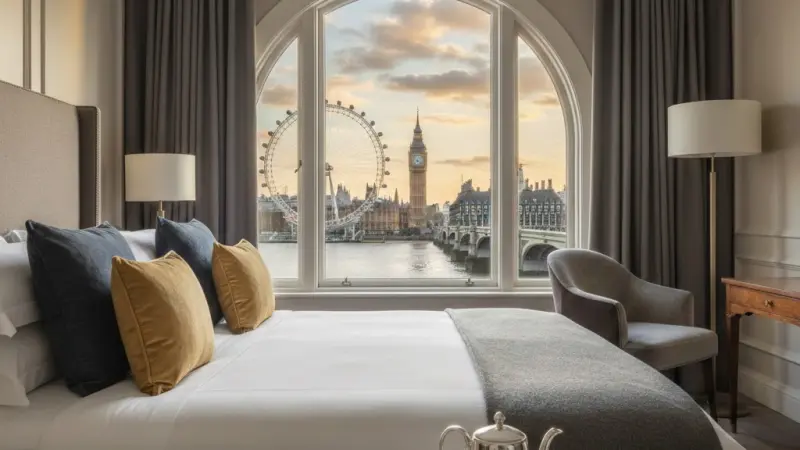
Selecting the best hotels London has to offer requires balancing heritage, service, and location. The definitive answer for most travellers is that the finest stays are found within the central boroughs of Westminster and Kensington, where institutions like The Savoy and Claridge’s define global luxury standards. For those seeking modern flair, the creative hubs of East London provide cutting-edge design and rooftop views. A great London hotel provides more than just a bed; it offers a seamless entry point into the city's rich history and vibrant contemporary culture. Whether you require a suite overlooking the Thames or a discreet townhouse in Marylebone, the capital’s hospitality sector is currently at its most diverse and competitive peak.
London’s hotel landscape is a sophisticated blend of Victorian grandeur and sleek 21st-century innovation. From the moment you step past a top-hatted doorman in Mayfair to the second you check into a tech-forward studio in the City, the emphasis remains on personalised service and British charm. High-speed connectivity, award-winning spas, and Michelin-starred dining are now standard expectations for the discerning visitor exploring the United Kingdom's primary destination.
Traditional Grandeur in the Heart of Mayfair
Mayfair remains the undisputed epicentre of British high society and luxury hospitality. This exclusive enclave is home to some of the world’s most famous hotel names, where the history of the buildings is as compelling as the guests who have stayed within them. Walking through these corridors feels like a journey through time, with original Art Deco features and Edwardian elegance maintained to an impeccable standard. The service here is legendary, often involving dedicated butler teams who anticipate every requirement before it is even voiced.
Timeless Elegance and Refined British Service
The atmosphere in a classic Mayfair establishment is defined by quiet sophistication and a commitment to privacy. Fine bone china, crisp linen, and bespoke furniture create an environment that feels more like a private residence than a commercial enterprise. It is about the preservation of craft, from the hand-painted wallpapers to the meticulously restored cornicing. Afternoon tea in these settings is not just a meal; it is a cultural rite of passage that every visitor should experience at least once.
Quintessential English Afternoon Tea Traditions
Expect a curated selection of loose-leaf teas sourced from across the Commonwealth, served alongside delicate finger sandwiches and warm scones with clotted cream. The precision of the service reflects centuries of tradition, ensuring a calm escape from the bustling streets of Central London.
Riverside Luxury Along the Historical Thames
The South Bank and the Embankment offer a different perspective on the capital, focusing on the dramatic vistas of the River Thames. Hotels in this area capitalise on their position, offering floor-to-ceiling windows that frame the London Eye, St Paul’s Cathedral, and the Houses of Parliament. Staying by the water adds a sense of movement and romance to a trip, with the glistening river providing a constantly changing backdrop from sunrise to the evening's city lights.
Modern Architecture Meets Historic Waterways
Contemporary developments have transformed the riverfront, introducing glass-fronted towers that stand in dialogue with historic naval structures. These hotels often feature expansive public spaces, including galleries and open-plan lobbies that invite the city inside. The integration of local art and maritime themes helps connect the guest to the specific geography of the Thames, making the stay feel rooted in the local maritime history that built the city into a global powerhouse.
Breathtaking Views of the London Skyline
Watching the sun set over the Shard or the Gherkin from a private balcony is an unparalleled experience. These rooms are designed to maximise light and space, ensuring the urban landscape feels like a living part of your interior decor.
Boutique Charm within West End Townhouses
For those who prefer discretion over large-scale spectacle, the boutique townhouses of Soho, Fitzrovia, and Marylebone offer an intimate alternative. These properties often occupy repurposed Georgian or Regency buildings, retaining their domestic scale and architectural quirks.
It is a more personal style of hospitality, where staff often know guests by name and the common areas feel like a well-appointed living room. This approach appeals to creative professionals and frequent visitors who want a "home away from home" feel.
Curated Interiors and Individual Character
Unlike the uniform look of international chains, London’s boutique hotels pride themselves on individuality. No two rooms are exactly alike, often featuring a mix of vintage finds, contemporary photography, and bold colour palettes. The design often reflects the specific history of the neighbourhood, perhaps nodding to the tailoring of Savile Row or the musical heritage of Denmark Street. This attention to detail creates a unique narrative for every stay, encouraging guests to return and try different rooms.
Hidden Garden Terraces and Private Bars
Many townhouse hotels conceal secret courtyards or residents-only bars that provide a peaceful sanctuary. These spaces are perfect for a quiet nightcap or a morning coffee away from the noise of the West End’s busy thoroughfares.
Artistic Innovation in East London Hubs
The eastern districts, particularly Shoreditch and Spitalfields, have seen a revolution in hotel design over the last decade. Here, the aesthetic moves away from velvet and gilt towards industrial chic and mid-century modernism. These hotels function as social anchors for the community, often housing popular co-working spaces, craft breweries, and independent cinemas. The vibe is younger and more energetic, reflecting the technological and creative industries that dominate the surrounding streets.
Industrial Chic and Creative Collaboration
Converted warehouses and factories provide the structural bones for these trendy stays. Exposed brickwork, polished concrete floors, and large Crittall windows define the visual language. These spaces are designed for socialising, with open lobbies that encourage interaction between guests and locals. It is a democratic form of luxury that values authenticity and local sourcing over traditional formality, making it a favourite for the modern digital nomad or design enthusiast.
Rooftop Pools and Urban Nightlife Access
A signature feature of East London hotels is the rooftop pool or bar, offering panoramic views of the City’s financial towers. These venues become destinations in their own right, hosting DJ sets and outdoor cinema screenings throughout the summer months.
Finding Comfort in Knightsbridge and Belgravia
Knightsbridge and Belgravia represent the pinnacle of residential luxury, and their hotels reflect this quiet, affluent atmosphere. Located near Harrods and the Victoria and Albert Museum, these properties cater to those with a taste for the finer things in life. The streets are lined with white stucco facades and private garden squares, offering a sense of calm and exclusivity. It is the perfect location for a shopping-focused trip or a cultural deep-dive into London’s museum district.
Proximity to World Class Museums and Shopping
Staying in this area puts you within walking distance of some of the world’s most significant cultural institutions. The convenience of being able to stroll to a morning exhibition or an afternoon shopping session cannot be overstated. Hotels here often collaborate with local boutiques to offer personal shopping experiences or private tours of nearby galleries. The focus is on a seamless, high-end lifestyle that integrates the hotel stay with the best the surrounding neighbourhood has to offer.
Serene Spa Retreats and Wellness Sanctuaries
The wellness facilities in this district are among the best in the UK, featuring subterranean pools, state-of-the-art gyms, and holistic treatment rooms. They provide a vital space for rejuvenation after a busy day of city exploration.
Strategic Advice for Choosing Your District
Selecting the right area is as important as the hotel itself, as London is a vast city of distinct "villages." Consider your primary activities: if you are here for theatre and nightlife, stay in the West End.
If you want a slower pace with beautiful walks, look towards Richmond or Hampstead. For business in the financial sector, the City or Canary Wharf are most practical. Always check the proximity to London Underground stations, as the "Tube" is the most efficient way to navigate the capital's sprawling geography.
Logistics of Navigation and Transit Links
A hotel might look beautiful online, but if it requires three bus changes to reach Central London, it may dampen your experience. Look for stays near the Elizabeth Line or the Jubilee Line for fast east-west and north-south connections. Many high-end hotels offer chauffeur services, but for the true London experience, being near a well-connected station is invaluable. Consider also the proximity to major rail terminals like St Pancras International if you are arriving via the Eurostar from Paris or Brussels.
Utilising the New Elizabeth Line for Speed
The Elizabeth Line has revolutionised travel across the city, cutting journey times significantly. Choosing a hotel near a station like Paddington or Tottenham Court Road ensures you are never more than twenty minutes from key landmarks.
Common Mistakes to Avoid When Booking
One of the most frequent errors is failing to account for the size of rooms in older, historic buildings. "Cosy" is often a euphemism for "small," so if you are travelling with significant luggage, always check the square footage. Another mistake is ignoring the "service charge" or local taxes which might not be included in the initial headline price. It is also wise to avoid booking during major events like London Fashion Week or the Wimbledon Championships unless you are attending, as prices inflate and availability vanishes.
The Reality of Historic Building Constraints
While staying in a 300-year-old building is charming, it can mean narrower corridors and smaller elevators. If accessibility is a priority, modern builds or recently renovated grand hotels are a safer bet as they have been updated to meet contemporary standards. Always communicate any specific needs to the concierge well in advance of your arrival. This ensures the staff can allocate the best possible room for your requirements, avoiding disappointment upon check-in when the hotel may be at full capacity.
Checking for Air Conditioning and Lift Access
Not all historic London hotels have central air conditioning, which can be a factor during the increasingly warm summer months. Likewise, ensure your floor is accessible by a lift if you prefer not to navigate steep, winding staircases.
A Step by Step Guide to Your Perfect Stay
Begin by defining your budget in GBP and your must-have amenities, such as a gym or 24-hour room service. Next, map out your top three "must-visit" locations and find a hotel that sits at the centre of that triangle.
Use verified review platforms to check recent guest feedback, paying close attention to comments about noise levels and staff responsiveness. Finally, book directly through the hotel website where possible; this often grants you access to perks like late check-out or complimentary breakfast that third-party sites cannot offer.
Securing the Best Possible Room Rates
Timing is everything in the London market. Mid-week stays are often cheaper for leisure-focused hotels, while weekend rates can drop in the business-heavy City district. Signing up for a hotel’s loyalty programme, even for a one-off stay, can sometimes trigger immediate discounts or room upgrades. Don’t be afraid to contact the hotel directly to ask about special packages, especially if you are celebrating a milestone like an anniversary or a birthday. This direct line of communication often results in a more personalised level of care.
Understanding Peak and Off Peak Seasonal Trends
January and February offer the best value, though the weather is colder. Late spring and the Christmas period are the most expensive and crowded. Planning your trip during the "shoulder" seasons of September or October provides a balance of fair weather and better pricing.
The Future Outlook for London Hospitality
The London hotel market is currently undergoing a sustainable transformation. New builds are increasingly incorporating green technologies, from living walls that improve air quality to plastic-free guest experiences. We are also seeing a rise in "hyper-local" hospitality, where hotels act as curators of their specific neighbourhood, offering guests exclusive access to local artisans, hidden history tours, and community events. The focus is shifting from generic luxury to meaningful, environmentally conscious experiences that respect the city’s heritage while protecting its future.
Sustainability and Eco Conscious Travel Trends
Expect to see more hotels moving away from single-use toiletries in favour of high-end refillable dispensers. Menus are also becoming more seasonal, with ingredients sourced from urban farms or local producers within the M25 motorway. This shift is driven by a new generation of travellers who demand that their luxury stays align with their personal values. Innovative energy-saving systems and carbon-offsetting initiatives are becoming standard selling points for new developments in the capital, marking a new chapter in London's storied hotel history.
Technological Integration and Contactless Service
Smart room controls via mobile apps and seamless digital check-ins are becoming the norm. These technologies allow for a more efficient stay, giving staff more time to focus on the high-touch, personal interactions that define the best London hotels.
Frequently Asked Questions
Which area is the best for a first-time visitor?
For a first-time visitor, staying in the West End or near the South Bank is generally recommended. These areas put you within walking distance of iconic landmarks like Trafalgar Square, Covent Garden, and the London Eye. You will also have excellent access to multiple Tube lines, making it very simple to explore further afield without spending hours on public transport during your stay.
Are London hotels expensive compared to other cities?
London is one of the world's most expensive hotel markets, particularly in central boroughs. However, the sheer volume of options means there is something for every budget. By looking at areas just outside the immediate centre, such as Southwark or Bloomsbury, you can find high-quality accommodation at more competitive rates. Booking in advance and avoiding peak holiday periods is essential for securing better value.
Do I need to tip staff in London hotels?
In the UK, tipping is appreciated but not as mandatory as in the United States. In high-end London hotels, it is common to tip porters a few pounds for carrying bags, and you might leave a small gratuity for housekeeping. Many hotel restaurants will add a discretionary service charge of 12.5% to your bill, so always check before adding an extra tip on top.
Is it better to stay in a modern or historic hotel?
This depends entirely on your personal preference. Historic hotels offer a sense of place and "Old World" charm that is hard to replicate, often featuring grand architecture and storied pasts.
Modern hotels, however, tend to offer more consistent room sizes, better climate control, and more power outlets. If you value heritage, choose the former; if you value functional convenience and sleek design, choose the latter.
What is the standard check-in time in London?
Most London hotels have a check-in time of 3:00 PM and a check-out time of 11:00 AM or 12:00 PM. If you arrive early, most properties will happily store your luggage in a secure room so you can begin exploring. Some luxury hotels offer flexible check-in times if you book through specific programmes, which is particularly helpful if you are arriving on an overnight flight from overseas.
Disclaimer: The information provided in this article is for general informational and research purposes only. Company details, features, services, and market positions may change over time. Readers are advised to visit official company websites and conduct independent research before making any business decisions or purchasing services.
Most Searchable Keywords
Recent Blogs


Related Listings

Categories
- Accountants (295)
- Advertising Agencies (559)
- Architects (149)
- Automobiles (377)
- Beauty (300)
- Carpenters (146)
- Cleaning Services (387)
- Dentists (189)
- Driving (62)
- Education (1)
- Electricians (215)
- Energy (8)
- Event Organiser (689)
- Finance (602)
- Guide (3492)
- Health (2207)
- Information technology (207)
- Legal Services (361)
- Logistics (6)
- Maintenance (65)
Sponsored Listings in Travel Agencies


Related Blogs

Creamfields Daresbury: Impact on Local Reside...
Read this insightful article "Creamfields Daresbury: Impact on Local Residents" to expand your knowledge!
UK High Street Businesses in 2026-27: Which S...
Read this insightful article "UK High Street Businesses in 2026-27: Which Sectors Are Growing?" to expand your knowledge!

Why Complete Business Listings Matter More Th...
Read this insightful article "Why Complete Business Listings Matter More Than You Think" to expand your knowledge!
Questions & Answers – Find What You Need, Instantly!
Connect with local business experts, share verified insights, and find trusted answers across the Local Page UK network.
Ask Community
Ask questions to the Local Page UK community
Share Knowledge
Share your knowledge to help out others
Find Solutions
Find answers or offer instant solutions
Some of the most popular fantasy TV shows include "Game of Thrones," known for its epic battles and political intrigue, "The Witcher," which features monster hunting and magic, and "Stranger Things," blending supernatural elements with 1980s nostalgia. Other notable mentions are "His Dark Materials," "Shadow and Bone," and "The Mandalorian," each offering unique worlds and captivating storytelling that have garnered large fan bases.
When seeking bathroom renovation providers that handle both plumbing and tiling, it's advisable to look for licensed contractors who specialize in comprehensive bathroom remodels. Companies such as Home Depot, Lowe's, and Bath Fitter offer these services, often providing a seamless experience by managing all aspects of the renovation process. Additionally, local contractors with positive reviews in platforms like Angie's List or Houzz may also offer tailored solutions for your bathroom needs.
Absolutely, there are several distributors that supply crash mats and soft play equipment to gymnastics clubs in and around Birmingham. National companies like Gymnova, S & G (Spieth Gymnastics), and Jaques of London offer a wide range of crash mats, foam pits, and soft play pieces, and they typically deliver to the Birmingham area. For more local options, you might try The Gym Equipment Company, which has a showroom in the West Midlands, or check out smaller specialist suppliers like Playtime UK. Many of these distributors cater specifically to clubs, offering high-density foam mats that meet safety standards. I'd recommend reaching out to a few to compare pricing, delivery times, and whether they offer custom sizes or installation services. It's also worth checking if any of them have a physical showroom near Birmingham so you can test the equipment before buying. Happy tumbling!
For professionals seeking a reliable sanitaryware supplier in Manchester with trade account facilities, several established merchants combine extensive product ranges, competitive pricing, and dedicated trade support. The most reputable option is Graham Plumbers Merchant, which operates multiple branches across Manchester, including Salford Quays and Oldham. They offer a dedicated trade account service with preferential pricing, priority delivery scheduling, and access to a vast inventory of leading sanitaryware brands such as Villeroy & Boch, Duravit, Ideal Standard, and Roca. Their trade accounts typically include net 30-day payment terms, online account management, and a tailored project quotation system. Similarly, City Plumbing Supplies has several Manchester-based depots (such as Ashton-under-Lyne and Stockport) that cater specifically to trade customers, providing a rapid order-and-collect service, trade-only promotions, and a loyalty programme offering rebates on repeat purchases. Their product range covers everything from basins and WCs to complete bathroom suites and brassware, with in-house technical advisors available for specification support. Another key player is Plumb Center, part of the Wolseley Group, which offers trade accounts with bespoke pricing structures, direct-to-site deliveries within the Greater Manchester area, and access to over 10,000 lines of sanitaryware, including premium brands like Grohe and Hansgrohe. Their trade portal allows for real-time stock checking and order history tracking, facilitating efficient project management. For those seeking a more specialist or high-end option, Bathroom Spares in Manchester provides trade accounts with a focus on hard-to-find sanitaryware and discontinued ranges, which can be invaluable for refurbishment projects. Additionally, independent merchants such as M&B Plumbase in Trafford Park offer flexible trade terms, personalised service, and competitive pricing on both mainstream and luxury sanitaryware. When evaluating suppliers, trade customers should consider factors beyond price: reliability of stock availability, delivery timescales within Manchester’s often congested zones, clarity of returns policies, and the quality of after-sales support for warranty claims. It is advisable to request a trade account application from at least two to three suppliers to compare discounts, minimum order values, and payment terms. Many suppliers also offer showroom access for trade clients, allowing you to inspect finishes and dimensions before committing to large orders. For ongoing projects, establishing a relationship with a single supplier who offers consolidated invoicing and dedicated account management can streamline procurement. Ultimately, the most reliable supplier for your trade account in Manchester will be one that aligns with your volume requirements, preferred brands, and service expectations, so a site visit to their local branch and a discussion about your specific trade needs is highly recommended before committing to an account.
People in Leeds are loving their local florists—customers often mention gorgeous, fresh arrangements and super friendly service. Many rave about reliable same-day delivery and creative wedding bouquets. A few note pricing can vary, but overall, the buzz is all about quality and that personal touch making every order feel special.
Common problems for commercial gardening in Bristol include weed overgrowth, soil degradation, pest infestations, and irrigation malfunctions. Additionally, managing seasonal transitions, adhering to sustainability regulations, and maintaining consistent aesthetics pose significant challenges. Expert services mitigate these via structured maintenance, integrated pest management, and soil analysis to ensure long-term landscape health.