
Best Hotels Near Me UK: Find Your Perfect Room Tonight At The Lowest Rate
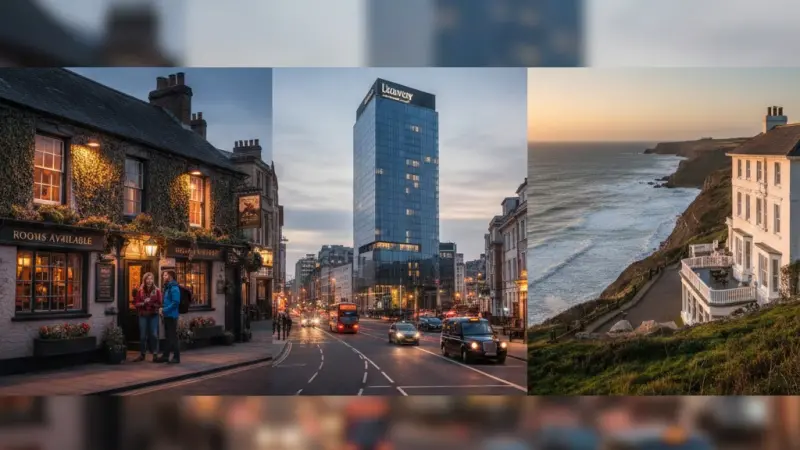
Finding the perfect hotels near me in the UK involves more than a quick search; it requires understanding the diverse landscape of British hospitality to secure the best value and comfort. Whether you are looking for a last-minute stay in a bustling city centre like Manchester or London, or a quiet retreat in the rolling hills of the Cotswolds, the UK offers a vast array of accommodation styles including historic coaching inns, modern luxury suites, and reliable budget chains. To find the best options immediately, most travellers use location-based services to identify properties within a five-mile radius that offer real-time availability and competitive pricing. The key to a successful booking is balancing proximity with amenities such as free parking, inclusive breakfast, and flexible cancellation policies, which are particularly important given the unpredictable nature of British travel schedules.
A featured snippet for hotels near me UK: The best way to find immediate accommodation is to utilise a map-based search tool, filtering for "available tonight" and checking verified guest reviews from the last six months. Prioritise hotels with transparent pricing in GBP to avoid hidden service charges often found on international booking platforms.
Selecting Perfect British Accommodation For Your Needs
The British hospitality sector is renowned for its variety, ranging from ultra-modern skyscrapers in London’s Docklands to ivy-clad manor houses in the Scottish Highlands. When searching for a stay, the first consideration should be the purpose of your visit. Business travellers often require proximity to transport hubs like Euston or New Street, whereas leisure seekers might prioritise aesthetic charm and local heritage. High-quality stays in the UK are often marked by their attention to detail, such as the provision of high-quality tea facilities and locally sourced breakfast ingredients. Understanding the local geography is also vital; a hotel might be "near" a city on a map but separated by significant traffic bottlenecks or limited public transport links during peak hours.
Boutique Charm Versus Corporate Consistency
Choosing between a boutique hotel and a major chain often comes down to the trade-off between character and predictability. Boutique hotels across Britain offer unique architectural features and personalised service that reflects the local culture of the town or county. These establishments often occupy converted warehouses, former banks, or Georgian townhouses, providing an immersive experience that chains cannot replicate. Conversely, corporate brands like Premier Inn or Travelodge provide a "no-surprises" guarantee which many find comforting, especially when arriving late at night in an unfamiliar city.
Local Heritage Stays
Many independent hotels in the UK are housed in Grade II listed buildings, offering guests a chance to sleep within walls that have stood for centuries. These properties often feature original fireplaces, sash windows, and period furniture, though they may lack the high-speed elevators or central air conditioning found in newer builds. Always check if a heritage property has been recently refurbished to ensure modern comforts.
Navigating Regional Variations In UK Hospitality
The experience of staying in a hotel can vary significantly depending on whether you are in England, Scotland, Wales, or Northern Ireland. In England, the market is dominated by a mix of high-end London luxury and coastal resorts in the South West. Scotland offers a unique "Grand Hotel" tradition, particularly in Edinburgh and near famous golf courses, where service is formal and steeped in tradition. Wales is increasingly known for its eco-friendly retreats and farm-stay conversions that cater to hikers and nature lovers. Northern Ireland boasts a growing boutique scene in Belfast, alongside legendary coastal inns along the Causeway Coast that offer warmth and legendary Irish hospitality.
Countryside Escapes And Coastal Retreats
Beyond the urban centres, the UK countryside provides some of the world’s most iconic hotel experiences. In areas like the Lake District or the Peak District, hotels often serve as base camps for outdoor enthusiasts, featuring drying rooms for hiking gear and hearty evening meals.
Coastal hotels, particularly in Cornwall or Norfolk, often pivot their service around the seasons, with summer focusing on family beach access and winter offering "storm-watching" packages with cosy fireside seating. Pricing in these areas can fluctuate wildly based on school holidays and local festivals.
Hidden Rural Gems
Often, the best value is found in "pub with rooms" establishments. These are typically smaller, managed by locals, and provide a high standard of gastropub dining alongside recently renovated guest rooms. They offer a more authentic slice of British life than larger hotels and are usually located in the heart of village communities.
Common Mistakes To Avoid When Booking Stays
One of the most frequent errors travellers make is assuming that "near me" always translates to "easy to reach." In the UK, a hotel two miles away could involve a thirty-minute taxi ride through narrow city streets or across rural lanes. Another mistake is ignoring the "hidden costs" of city centre stays, most notably parking fees which can add £30 or more to your nightly bill in cities like Bristol or Edinburgh. Many guests also fail to check the proximity of the hotel to nightlife districts; while being central is great for access, it can result in significant noise pollution on Friday and Saturday nights if the windows are not triple-glazed.
The Pitfalls Of Third Party Platforms
While aggregator sites are excellent for price comparison, they often don't show the full range of room types or specific "direct-only" deals. Many UK hotels prefer guests to book via their own website and will reward this with complimentary upgrades, late check-outs, or vouchers for the hotel bar. Furthermore, if you need to change your plans, dealing directly with a British-based hotel reception is usually much smoother than navigating the automated customer service bots of a global booking giant headquartered overseas.
Understanding Star Ratings
The UK star rating system, often overseen by the AA or VisitEngland, focuses heavily on facilities rather than just "luxury." A four-star hotel must have a certain number of hours for room service and specific onsite dining, but a three-star boutique might actually have higher-quality decor and more modern bathrooms. Don't let the star count be your only metric for quality.
Practical Steps For Securing The Best Rates
To get the best deal on a hotel near you, start by searching in "Incognito" mode to avoid price hikes based on your browsing history. Once you have identified a few candidates, call the hotel directly. Ask specifically for their "best rate for a direct booking" or if they have any unlisted cancellations. This is particularly effective after 4 PM on the day of arrival. Additionally, check for membership discounts; many UK organisations like the AA, RAC, or even certain bank accounts offer 10% to 15% off at major hotel groups. Always confirm if the VAT is included in the quoted price, as this is standard in the UK but can sometimes be obscured on international sites.
Leveraging Loyalty Programs And Apps
If you travel frequently within the UK, joining a free loyalty scheme can yield significant benefits. These aren't just for the high-end luxury brands; even budget-friendly groups offer points that lead to free nights or "member-only" floors. Many hotels now have dedicated apps that allow for mobile check-in and digital keys, which is a major time-saver if you are arriving during the busy check-in window between 3 PM and 5 PM when queues at reception can be long.
The Sunday Night Strategy
In the UK, Sunday night is statistically the cheapest night to stay in a city hotel. Business travellers have gone home, and weekend tourists have checked out.
You can often secure a five-star room for the price of a three-star simply by shifting your stay by twenty-four hours. This is a perfect tactic for a romantic getaway or a quiet city break.
Future Outlook For The British Hotel Industry
The UK hotel scene is undergoing a significant transformation, with a heavy focus on sustainability and technology-led experiences. We are seeing a rise in "aparthotels" which combine the service of a hotel with the kitchen facilities of an apartment, catering to the growing "bleisure" market where people combine work trips with holiday time. Environmental impact is also becoming a key differentiator; more guests are looking for hotels that use renewable energy, eliminate single-use plastics, and support local food producers. Smart rooms, where lighting and temperature are controlled via a smartphone, are becoming the standard in new builds from Glasgow to Southampton.
Sustainable Luxury And Eco Stays
The demand for "green" credentials is driving a new wave of refurbishments across the country. Luxury hotels are installing electric vehicle charging points and rooftop beehives, while budget brands are focusing on modular construction to reduce their carbon footprint. This shift is not just about ethics; it is about providing a cleaner, healthier environment for guests. Expect to see more "wellness" focused hotels that offer in-room yoga equipment and filtered air systems as these trends move from niche to mainstream over the next few years.
Automation And The Human Touch
While automation is increasing for check-ins and billing, the high-end UK market is doubling down on "hyper-personalisation." This means staff are trained to remember your preferences, from your favourite gin brand to your preferred pillow firmness. The future of UK hotels lies in this hybrid model: seamless technology for the boring parts of travel, and exceptional human service for the parts that matter.
Frequently Asked Questions
What is the standard check-in time for hotels in the UK?
In the United Kingdom, the standard check-in time is typically between 2:00 PM and 3:00 PM. Most establishments require guests to vacate their rooms by 10:00 AM or 11:00 AM on the day of departure.
However, many hotels offer luggage storage facilities if you arrive early or wish to explore the area after checking out, and some may offer late check-out for an additional fee or loyalty perk.
Do hotels near me in the UK usually include breakfast?
Whether breakfast is included depends entirely on the rate you book. In the UK, "Bed and Breakfast" (B&B) rates are very common and usually feature a Full English or continental spread. However, "Room Only" rates are increasingly popular in city centres to keep base prices low. It is often cheaper to add breakfast at the time of booking than to pay for it on the morning of your stay.
Is it cheaper to book a UK hotel last minute?
Booking last minute can lead to significant savings as hotels look to fill empty rooms, particularly after 4:00 PM on the day of arrival. However, this carries the risk of the hotel being fully booked, especially during graduation weeks, sporting events, or bank holidays. For peace of mind and the best choice of room types, booking at least fourteen days in advance is generally recommended for the most consistent pricing.
Are UK hotels pet-friendly as a standard rule?
While the UK is a nation of dog lovers, pet policies vary significantly between hotel brands. Many rural inns and boutique hotels are very welcoming to dogs, often providing beds and treats. Conversely, many city-centre chains only allow assistance dogs. Always check the specific "Pet Policy" on the hotel website before booking, as there is often a small additional cleaning fee ranging from £10 to £25 per stay.
Do I need to pay a security deposit at UK hotels?
Many UK hotels will "pre-authorise" a amount on your credit or debit card upon arrival to cover potential incidentals like room service or bar charges. This is not an actual charge but a temporary hold on funds. The amount varies but is typically between £20 and £50 per night. It is advisable to use a credit card for this to avoid temporarily reducing the available balance in your main bank account.
Disclaimer: The information provided in this article is for general informational and research purposes only. Company details, features, services, and market positions may change over time. Readers are advised to visit official company websites and conduct independent research before making any business decisions or purchasing services.
Most Searchable Keywords
Recent Blogs


Related Listings

Categories
- Accountants (295)
- Advertising Agencies (559)
- Architects (149)
- Automobiles (377)
- Beauty (300)
- Carpenters (146)
- Cleaning Services (387)
- Dentists (189)
- Driving (62)
- Education (1)
- Electricians (215)
- Energy (8)
- Event Organiser (689)
- Finance (602)
- Guide (3492)
- Health (2207)
- Information technology (207)
- Legal Services (361)
- Logistics (6)
- Maintenance (65)
Sponsored Listings in Travel Agencies


Related Blogs

Creamfields Daresbury: Impact on Local Reside...
Read this insightful article "Creamfields Daresbury: Impact on Local Residents" to expand your knowledge!
UK High Street Businesses in 2026-27: Which S...
Read this insightful article "UK High Street Businesses in 2026-27: Which Sectors Are Growing?" to expand your knowledge!

Why Complete Business Listings Matter More Th...
Read this insightful article "Why Complete Business Listings Matter More Than You Think" to expand your knowledge!
Questions & Answers – Find What You Need, Instantly!
Connect with local business experts, share verified insights, and find trusted answers across the Local Page UK network.
Ask Community
Ask questions to the Local Page UK community
Share Knowledge
Share your knowledge to help out others
Find Solutions
Find answers or offer instant solutions
Some of the most popular fantasy TV shows include "Game of Thrones," known for its epic battles and political intrigue, "The Witcher," which features monster hunting and magic, and "Stranger Things," blending supernatural elements with 1980s nostalgia. Other notable mentions are "His Dark Materials," "Shadow and Bone," and "The Mandalorian," each offering unique worlds and captivating storytelling that have garnered large fan bases.
When seeking bathroom renovation providers that handle both plumbing and tiling, it's advisable to look for licensed contractors who specialize in comprehensive bathroom remodels. Companies such as Home Depot, Lowe's, and Bath Fitter offer these services, often providing a seamless experience by managing all aspects of the renovation process. Additionally, local contractors with positive reviews in platforms like Angie's List or Houzz may also offer tailored solutions for your bathroom needs.
Absolutely, there are several distributors that supply crash mats and soft play equipment to gymnastics clubs in and around Birmingham. National companies like Gymnova, S & G (Spieth Gymnastics), and Jaques of London offer a wide range of crash mats, foam pits, and soft play pieces, and they typically deliver to the Birmingham area. For more local options, you might try The Gym Equipment Company, which has a showroom in the West Midlands, or check out smaller specialist suppliers like Playtime UK. Many of these distributors cater specifically to clubs, offering high-density foam mats that meet safety standards. I'd recommend reaching out to a few to compare pricing, delivery times, and whether they offer custom sizes or installation services. It's also worth checking if any of them have a physical showroom near Birmingham so you can test the equipment before buying. Happy tumbling!
For professionals seeking a reliable sanitaryware supplier in Manchester with trade account facilities, several established merchants combine extensive product ranges, competitive pricing, and dedicated trade support. The most reputable option is Graham Plumbers Merchant, which operates multiple branches across Manchester, including Salford Quays and Oldham. They offer a dedicated trade account service with preferential pricing, priority delivery scheduling, and access to a vast inventory of leading sanitaryware brands such as Villeroy & Boch, Duravit, Ideal Standard, and Roca. Their trade accounts typically include net 30-day payment terms, online account management, and a tailored project quotation system. Similarly, City Plumbing Supplies has several Manchester-based depots (such as Ashton-under-Lyne and Stockport) that cater specifically to trade customers, providing a rapid order-and-collect service, trade-only promotions, and a loyalty programme offering rebates on repeat purchases. Their product range covers everything from basins and WCs to complete bathroom suites and brassware, with in-house technical advisors available for specification support. Another key player is Plumb Center, part of the Wolseley Group, which offers trade accounts with bespoke pricing structures, direct-to-site deliveries within the Greater Manchester area, and access to over 10,000 lines of sanitaryware, including premium brands like Grohe and Hansgrohe. Their trade portal allows for real-time stock checking and order history tracking, facilitating efficient project management. For those seeking a more specialist or high-end option, Bathroom Spares in Manchester provides trade accounts with a focus on hard-to-find sanitaryware and discontinued ranges, which can be invaluable for refurbishment projects. Additionally, independent merchants such as M&B Plumbase in Trafford Park offer flexible trade terms, personalised service, and competitive pricing on both mainstream and luxury sanitaryware. When evaluating suppliers, trade customers should consider factors beyond price: reliability of stock availability, delivery timescales within Manchester’s often congested zones, clarity of returns policies, and the quality of after-sales support for warranty claims. It is advisable to request a trade account application from at least two to three suppliers to compare discounts, minimum order values, and payment terms. Many suppliers also offer showroom access for trade clients, allowing you to inspect finishes and dimensions before committing to large orders. For ongoing projects, establishing a relationship with a single supplier who offers consolidated invoicing and dedicated account management can streamline procurement. Ultimately, the most reliable supplier for your trade account in Manchester will be one that aligns with your volume requirements, preferred brands, and service expectations, so a site visit to their local branch and a discussion about your specific trade needs is highly recommended before committing to an account.
People in Leeds are loving their local florists—customers often mention gorgeous, fresh arrangements and super friendly service. Many rave about reliable same-day delivery and creative wedding bouquets. A few note pricing can vary, but overall, the buzz is all about quality and that personal touch making every order feel special.
Common problems for commercial gardening in Bristol include weed overgrowth, soil degradation, pest infestations, and irrigation malfunctions. Additionally, managing seasonal transitions, adhering to sustainability regulations, and maintaining consistent aesthetics pose significant challenges. Expert services mitigate these via structured maintenance, integrated pest management, and soil analysis to ensure long-term landscape health.