
Ultimate London Dining Guide: Where to Eat Right Now
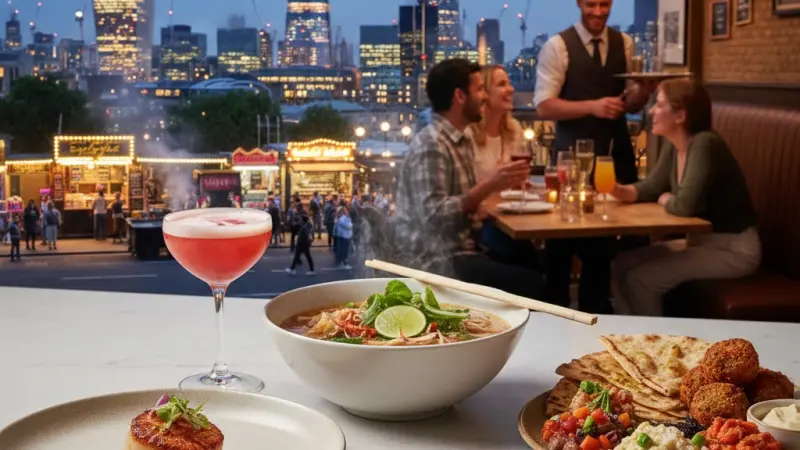
Finding the best restaurants in London involves navigating a vast, fast-moving landscape of historic dining rooms, innovative pop-ups, and Michelin-starred institutions. To answer the query directly: the finest dining experiences in the capital currently range from the timeless French elegance of Ritz Restaurant to the progressive British techniques found at CORE by Clare Smyth, and the vibrant global flavours of Soho’s bustling eateries. Whether you seek a lavish tasting menu in Mayfair or an authentic neighbourhood bistro in East London, the city’s gastronomic scene is defined by its diversity, quality of seasonal British produce, and world-class service standards. London remains a global culinary epicentre where traditional techniques meet daring modern experimentation across every borough.
For those seeking the absolute peak of the capital's food scene, the best restaurants in London are those that balance impeccable ingredient sourcing with a distinct sense of place. From the riverside charm of the River Cafe to the theatrical heights of the Shard’s dining rooms, the city offers unparalleled variety. Our curated selection focuses on establishments that consistently deliver excellence in flavour, atmosphere, and value, ensuring that every meal is a memorable event regardless of the price point or cultural influence.
Pinnacle Gastronomy and Michelin Honours
London’s high-end dining scene is currently enjoying a golden era, with more stars scattered across the capital than ever before. These establishments represent the absolute ceiling of culinary achievement, where chefs push boundaries using rare ingredients and precision techniques. Dining at this level is not merely about sustenance; it is a choreographed performance where every detail, from the weight of the silver to the temperature of the vintage wine, is meticulously managed. The focus remains firmly on local terroir, with many top-tier kitchens forging direct relationships with organic farms and coastal fisheries to ensure the freshest possible supply chain.
The Evolution of Tasting Menus
The traditional long-form tasting menu has undergone a significant transformation in recent years. Instead of the stuffy, overly formal marathons of the past, modern London icons now offer more flexible, narrative-driven experiences. Chefs use these sequences to tell a story about British seasons or personal heritage, often incorporating interactive elements that bring the diner closer to the craft. This shift has made high-end dining more accessible and engaging, focusing on pure flavour rather than just prestige. The move towards lighter, plant-forward courses within these menus also reflects a broader change in how we perceive luxury today.
A Focus on Provenance
Provenance is the bedrock of the capital's elite kitchens. Chefs now champion specific breeds of cattle or heirloom vegetables, often listing the exact farm on the menu. This transparency builds trust and elevates the dining experience by connecting the guest to the British landscape. It is this commitment to the source that distinguishes a truly great restaurant from a merely good one.
Global Flavours in the Heart of the City
The true strength of London’s food identity lies in its radical multiculturalism. Unlike many other global cities, London does not just offer international cuisine; it absorbs and evolves it. From the legendary curry houses of Brick Lane to the sophisticated Chinese dining rooms of Belgravia, the city serves as a crossroads for global talent. You can find world-class hand-pulled noodles, authentic West African stews, and traditional Japanese omakase within a few miles of each other. This density of talent creates a competitive environment where only the most authentic and high-quality concepts survive and thrive over the long term.
Authenticity and Innovation in Soho
Soho remains the beating heart of London’s casual but high-quality dining scene. It is here where many of the city’s most successful concepts are born, often starting as small counters or no-reservation spots. The area is famous for its vibrant energy and the sheer variety of its offerings. Whether it is Middle Eastern small plates designed for sharing or fiery regional Thai cooking, Soho provides a sensory overload that defines the modern London palate. The trend here is towards focused menus that do one thing exceptionally well, rather than trying to please everyone with a generic list of dishes.
The Rise of Regional Specialities
We are seeing a move away from generic national cuisines towards highly specific regional specialities. Instead of just 'Italian,' diners now seek out Venetian cicchetti or Sicilian seafood. This granularity allows for a much deeper exploration of flavour and tradition, providing a more educational and rewarding experience for the curious diner who wants to understand the origins of their food.
Defining Contemporary British Cooking
Modern British cuisine has moved far beyond the tired stereotypes of the past, establishing itself as one of the most exciting movements in the world. It is characterised by a 'nose-to-tail' philosophy, a deep respect for the seasons, and a willingness to incorporate global techniques into traditional frameworks.
Chefs are rediscovering forgotten British ingredients like sea buckthorn, medlars, and game, presenting them in ways that feel entirely fresh. The aesthetic is often minimalist, letting the quality of the primary ingredient speak for itself without the need for heavy sauces or unnecessary garnishes that might mask the natural flavours.
The Importance of Seasonal Cycles
In the best British restaurants, the menu changes almost weekly to reflect the micro-seasons of the UK. This commitment to seasonality ensures that diners are always eating produce at its peak nutritional and flavour profile. Spring brings the excitement of wild garlic and asparagus, while autumn offers a bounty of mushrooms and venison. This rhythmic approach to cooking creates a sense of time and place that is deeply satisfying. It also encourages creativity in the kitchen, as chefs must constantly adapt their dishes to whatever the local growers can provide during that specific window of the year.
Sustainable Sourcing Practices
Sustainability is no longer a buzzword but a requirement for any serious establishment. This includes reducing food waste, eliminating single-use plastics, and ensuring that all seafood is ethically caught. Restaurants that lead the way in sustainability often find that these practices actually improve the quality of their food, as ethical sourcing typically aligns with higher standards of production and better-tasting ingredients.
Uncovering Neighbourhood Secrets and Hidden Gems
While central London gets the most headlines, some of the best restaurants in London are tucked away in residential neighbourhoods. These local bistros and gastropubs often provide a more relaxed, intimate atmosphere and better value for money than their West End counterparts. They are the places where chefs go to eat on their days off, focusing on honest, soulful cooking rather than spectacle. Exploring the outer zones of the city reveals a wealth of talent, from converted warehouses in Hackney to elegant Victorian pubs in Fulham, each contributing to the rich tapestry of the city’s food culture.
The Gastropub Revolution
The British pub has evolved into a serious culinary destination without losing its essential character as a community hub. The best gastropubs serve food that rivals top-tier restaurants, featuring refined versions of classic pub fare alongside more ambitious seasonal dishes. The atmosphere remains casual—often with dogs by the fire and locals at the bar—but the kitchen operates with professional rigour. This blend of comfort and quality is uniquely British and offers a welcoming entry point for those who want exceptional food without the formalities of traditional fine dining rooms or the high price tags associated with them.
The Charm of Local Bistros
Neighbourhood bistros offer a sense of continuity and personal service that is hard to find in larger venues. The staff often know their regulars by name, and the menus are built around what is available at the local market that morning. This creates a warm, hospitable environment that makes these restaurants the true heart of their respective communities, providing a reliable and high-quality dining option for every day.
Common Dining Pitfalls and How to Avoid Them
Navigating the London restaurant scene can be tricky, especially during peak seasons or in high-traffic tourist areas. One of the biggest mistakes is failing to book in advance for popular spots, as many of the best restaurants are reserved weeks ahead. Another common error is sticking purely to the main thoroughfares; often, the best value and most authentic food are found just one or two streets away from the major landmarks. It is also wise to check for 'discretionary' service charges, which are standard in London (usually 12.5% to 15%), to avoid any surprises when the bill arrives at the end of the evening.
Understanding Reservation Culture
The rise of digital booking platforms has changed the way we secure tables, but it has also led to more 'no-shows,' causing many restaurants to implement credit card guarantees. To avoid disappointment, always confirm your booking 24 hours in advance and be aware of sitting times, as many busy venues will require the table back after two hours. If you are looking for a last-minute spot, consider dining early or late, or looking for 'counter seating' options which are often kept for walk-ins and offer a front-row view of the kitchen action, making for a more dynamic and interesting experience.
Navigating Tourist Traps
Tourist-heavy areas often feature restaurants with large, multi-language menus and aggressive touts outside. Generally, these should be avoided in favour of places with smaller, focused menus that change frequently. Look for where the locals are eating; if a restaurant is filled
with Londoners on a Tuesday night, it is a very good sign that the quality and value are consistent and that the establishment is not relying solely on passing foot traffic to fill its seats.
A Practical Guide to Planning Your Culinary Journey
Planning a successful dining itinerary in London requires a mix of research and spontaneity. Start by identifying the 'must-visit' spots that require early booking and build the rest of your trip around them. Use reputable review sites and local food critics to stay updated on new openings, but also leave room for serendipity—sometimes the best meals are the ones you stumble upon while exploring a new borough. Consider the logistics of travel, as London is large; grouping your dining choices by area (e.g., spending a day in East London) will save you time and make your experience much more enjoyable and less stressful.
Using Digital Tools and Guides
Modern diners have access to a wealth of information at their fingertips. Apps like Instagram can be useful for seeing current dishes, while dedicated restaurant platforms provide reliable user reviews and easy booking interfaces. However, it is important to cross-reference these with professional criticism to get a balanced view. Following local food influencers and journalists on social media can also give you a heads-up on soft launches and pop-ups, which often offer discounted prices during their first few days of operation as the staff get up to speed with the new menu and service style.
Budgeting for Your Experience
London dining can range from £10 for world-class street food to £400+ for a flagship tasting menu. To make the most of your budget, consider 'set lunch' menus at high-end restaurants, which offer the same quality of food and service at a fraction of the dinner price. Many of the city's top establishments also offer 'pre-theatre' menus which are excellent value. By mixing high and low-end experiences, you can enjoy the full breadth of London’s culinary offerings without breaking the bank or missing out on the most iconic dining rooms.
The Future of Dining in the Capital
The London restaurant scene is constantly evolving, driven by changes in technology, consumer habits, and environmental concerns. We can expect to see an even greater emphasis on hyper-local sourcing and hyper-seasonal menus, as well as a continued rise in plant-based dining options. Technology will play a bigger role in the dining room, from digital wine lists to seamless payment systems, but the core appeal of hospitality—human connection and great food—will remain unchanged. The boundaries between different types of dining will continue to blur, with more high-end chefs opening casual outposts and street food vendors moving into permanent, sophisticated spaces.
Technological Integration in Hospitality
While the essence of dining remains personal, technology is streamlining the 'behind-the-scenes' aspects of hospitality. This includes better inventory management to reduce waste and more sophisticated CRM systems that allow restaurants to remember your preferences and dietary requirements. This data-driven approach allows for a more personalised service, making diners feel valued and understood. However, the best restaurants will always balance this tech with a warm, human touch, ensuring that the digital elements enhance rather than distract from the physical experience of sharing a meal with friends or family.
The Continued Rise of Sustainability
Future diners will increasingly demand transparency regarding the carbon footprint of their meals. We are likely to see more 'zero-waste' restaurants and a focus on 'regenerative' agriculture. This shift is not just about ethics; it's about the long-term viability of the food industry. Restaurants that can prove their positive impact on the environment will win the loyalty of a new generation of conscious consumers, ensuring that London remains a leader in both culinary innovation and environmental responsibility for decades to come.
Frequently Asked Questions
Do I need to tip at restaurants in London?
In most London restaurants, a discretionary service charge of between 12.5% and 15% is automatically added to the bill. This goes to the staff, so additional tipping is not required unless you feel the service was truly exceptional. Always check your bill to see if it has already been included. If service was poor, you have the legal right to ask for the charge to be removed entirely.
What is the best way to get a table at a fully booked restaurant?
If a restaurant is showing as fully booked online, it is often worth calling them directly or sending an email. Cancellations happen frequently, and many venues hold a few tables for locals or walk-ins. You can also use 'alert' features on booking apps that notify you if a slot becomes available. Dining at off-peak times, such as early on a weekday evening, significantly increases your chances of securing a last-minute table.
Are London restaurants child-friendly?
Many London restaurants are very welcoming to families, especially gastropubs and casual neighbourhood spots. However, some high-end fine dining establishments may have age restrictions or lack facilities like high chairs and children's menus. It is always best to check the restaurant's website or call ahead to confirm their policy. Generally, the city is very accommodating, and many places offer simplified versions of their main dishes for younger diners upon request.
What is the typical dress code for dining in London?
Dress codes in London have become much more relaxed in recent years. For most restaurants, 'smart-casual' is perfectly acceptable—jeans are usually fine if paired with a nice shirt or top. Only a handful of traditional fine dining rooms still require a jacket and tie. If you are unsure, checking the restaurant's social media pages is a good way to see what other guests typically wear, ensuring you feel comfortable and appropriately dressed for the occasion.
How can I find the best value for money when dining out?
To find the best value, look for 'set lunch' or 'pre-theatre' menus at prestigious restaurants, which offer high-quality cooking at significantly lower prices. Exploring areas outside of Zone 1, such as Peckham, Hackney, or Brixton, often reveals incredible food at much more affordable rates. Additionally, many excellent Asian restaurants in areas like Chinatown offer fantastic value for high-quality, authentic dishes, making it possible to eat very well in London regardless of your budget.
Disclaimer: The information provided in this article is for general informational and research purposes only. Company details, features, services, and market positions may change over time. Readers are advised to visit official company websites and conduct independent research before making any business decisions or purchasing services.
Most Searchable Keywords
Recent Blogs


Related Listings
Categories
- Accountants (295)
- Advertising Agencies (559)
- Architects (149)
- Automobiles (377)
- Beauty (300)
- Carpenters (146)
- Cleaning Services (387)
- Dentists (189)
- Driving (62)
- Electricians (215)
- Energy (8)
- Event Organiser (686)
- Finance (602)
- Guide (3374)
- Health (2207)
- Information technology (206)
- Legal Services (354)
- Logistics (6)
- Maintenance (65)
- Manufacturing (35)
Sponsored Listings in Travel Agencies


Related Blogs

Meet the Fair Work Agency Changing UK Work Ru...
Read this insightful article "Meet the Fair Work Agency Changing UK Work Rules in 2026" to expand your knowledge!

Collective Redundancy Errors Now Carry Higher...
Read this insightful article "Collective Redundancy Errors Now Carry Higher 2026 Penalties" to expand your knowledge!

Explore Dog Friendly Walks in the Cotswolds f...
Read this insightful article "Explore Dog Friendly Walks in the Cotswolds for 2026" to expand your knowledge!
Questions & Answers – Find What
You Need, Instantly!
How can I update my business listing?
Is it free to manage my business listing?
How long does it take for my updates to reflect?
Why is it important to keep my listing updated?
