
Using Eco-Friendly Pest Control Solutions for Water Areas
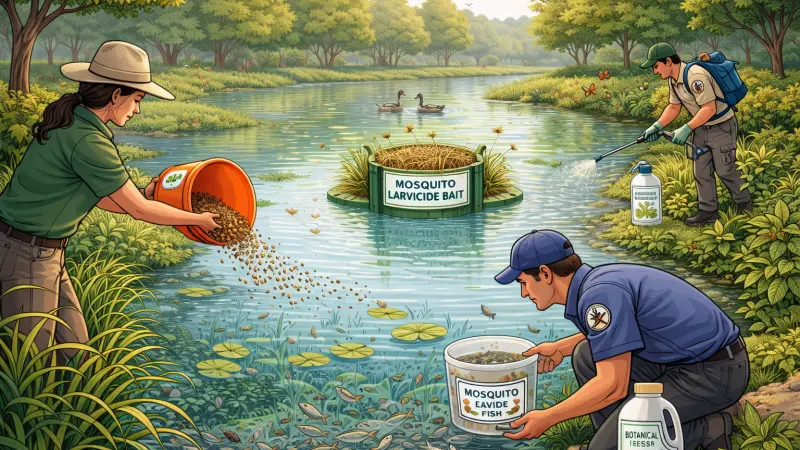
Water is the lifeblood of any landscape, providing a serene focal point and a vital habitat for local wildlife. However, when water features become stagnant or imbalanced, they can quickly turn into a breeding ground for pests such as mosquitoes, midges, and various aquatic larvae. Traditionally, the response to these infestations involved the heavy use of synthetic chemicals, which, while effective at killing pests, often left a trail of collateral damage in the surrounding ecosystem. Today, the move toward eco-friendly pest control is not just a trend but a mechanical necessity for anyone wishing to maintain the long-term health of their property and the planet.
By utilizing biological agents, physical modifications, and sustainable practices, we can manage water-based pests with surgical precision. These "green" solutions focus on disrupting the pest life cycle without compromising the safety of fish, birds, beneficial insects, or human inhabitants. This article explores the most effective eco-friendly strategies for aquatic pest management, providing a roadmap for maintaining a balanced, pest-resistant water environment that thrives in harmony with nature.
Overview: The Shift to Biological and Physical Controls
The foundation of eco-friendly pest control in water areas is a departure from broad-spectrum toxins in favor of targeted intervention.
The Role of Biological Larvicides
One of the most significant advancements in sustainable pest management is the use of Bacillus thuringiensis israelensis (Bti). This naturally occurring bacterium produces a protein that is toxic specifically to the larvae of mosquitoes, fungus gnats, and blackflies. Because the toxin is only activated in the highly alkaline gut of these specific insects, it remains completely inert and harmless to humans, pets, bees, and fish. It allows for the total suppression of a pest hatch while leaving the rest of the aquatic food web intact.
Mechanical and Physical Disruption
Eco-friendly management also leans heavily on physical changes to the environment. Mosquitoes and many other water pests require a still, stagnant surface to breathe and lay eggs. By introducing movement through fountains, aerators, or waterfalls, you create a physical barrier to their survival. Physical control is often the most permanent and sustainable solution, as it addresses the environmental cause of the infestation rather than just the symptoms.
The Benefits of Sustainable Aquatic Management
Choosing eco-friendly methods offers a range of advantages that traditional chemical treatments simply cannot match.
1. Preservation of Biodiversity
Chemical pesticides often kill the "good" bugs along with the "bad" ones. Eco-friendly solutions protect the dragonflies, damselflies, and water striders that act as natural predators. By preserving these beneficial species, you create a self-regulating ecosystem that requires less human intervention over time.
2. No Chemical Runoff or Residue
Traditional pesticides can linger in the soil and eventually wash into larger waterways, contributing to wider environmental contamination. Biological and mechanical solutions do not leave harmful residues, ensuring that the water remains safe for local wildlife to drink and for children and pets to play near.
3. Long-Term Cost Efficiency
While the initial setup for physical controls—like an aerator—might have an upfront cost, the long-term savings are significant. You reduce the need for recurring purchases of expensive chemical concentrates and the labor costs associated with frequent re-application.
Step-by-Step: Implementing Green Solutions
Follow these steps to transition your water areas to an eco-friendly management plan.
Step 1: Surveillance and Identification
Before acting, identify the specific pest. Check the margins of your pond or the surface of stagnant water for larvae. Understanding whether you are dealing with mosquitoes, midges, or simply harmless aquatic flies will determine which biological agent or physical modification is most appropriate.
Step 2: Establish Water Movement
If your water feature is still, prioritize aeration. Even a small solar-powered fountain can create enough surface tension to prevent mosquitoes from landing or their larvae from reaching the surface to breathe.
For larger bodies of water, subsurface aerators improve oxygen levels at the bottom, reducing the organic muck that fuels midge populations.
Step 3: Strategic Use of Biological Agents
In areas where water cannot be moved—such as rain barrels or drainage basins—apply biological larvicides in tablet or "dunk" form. These should be applied at the start of the breeding season and refreshed according to the manufacturer's instructions, typically every 30 to 60 days.
Step 4: Riparian Habitat Management
Manage the vegetation around the water’s edge. While some plants are necessary for a healthy pond, overgrowth can create stagnant pockets of water protected from the wind and predators. Keep the perimeter trimmed to allow for natural airflow and to give predatory fish better access to the shoreline where larvae hide.
Expert Tips for Eco-Friendly Success
-
Encourage Native Predators: Install a bat house or bird boxes nearby. A single bat can consume thousands of insects in a single night, providing a free and entirely natural layer of pest control.
-
Use Barley Straw: For algae control (which provides food for some pests), use barley straw rafts. As the straw decomposes, it releases compounds that inhibit algae growth without harming other aquatic plants or fish.
-
Monitor After Rain: Heavy rain can dilute biological treatments and wash new organic matter into your pond. Always check your "green" systems after a significant weather event.
Common Mistakes in Green Pest Management
-
Thinking "Natural" Means "Weak": Biological controls like Bti are incredibly effective, often outperforming chemicals because they target the larvae specifically and stay active in the water longer.
-
Over-cleaning the Pond: Removing every bit of algae and plant life can backfire. A sterile pond is an unstable one. You want a balanced amount of native flora to support the predators that eat your pests.
-
Neglecting Small Stagnant Sources: You can have the most eco-friendly pond in the world, but if your gutters are clogged or a tarp is holding a cup of water, mosquitoes will still thrive.
-
Miscalculating Surface Area: Biological treatments are usually based on surface area. Applying too little will result in a "partial kill," allowing the hardiest pests to survive and reproduce.
Supporting Local Business Visibility Beyond Core Marketing Efforts
Maintaining an ecologically balanced water feature often requires the support of local experts who specialize in sustainable landscaping and environmental health. For these professionals, business discoverability is the bridge that connects their green solutions with property owners who value sustainability. By utilizing LocalPage and being listed on free business listing sites in uk, eco-friendly contractors can ensure their niche services are visible to their community.
A business listing uk or a business listing uk on LocalPage acts as a supporting visibility layer that reinforces a company’s reputation. This local presence consistency is a credibility signal, ensuring that those searching for uk free business listings sites or a business listing uk find verified, ethical service providers.
Furthermore, leveraging free uk business listing sites and obtaining a business listing uk through LocalPage aids in local discovery. Ultimately, being found on free business listings uk allows sustainable businesses to remain a reachable resource for property owners dedicated to protecting the environment.
Final Thorth
Using eco-friendly pest control solutions for water areas is a powerful way to demonstrate environmental stewardship while effectively managing nuisance populations. By prioritizing biological controls and physical modifications, we move away from a culture of chemical dependency and toward one of ecological balance. This approach requires a deeper understanding of our surroundings—recognizing that every drop of water is a habitat and every insect has a role. When we choose to work with nature rather than against it, we create water features that are not only beautiful and pest-free but also vibrant contributors to the local biodiversity. Through diligence, education, and the use of sustainable tools, we can ensure that our water resources remain a source of health and tranquility for ourselves and the generations of wildlife that depend on them.
FAQs
1. Is Bti safe for my pond fish and frogs?
Yes. Bti is a biological agent that only affects the larvae of specific insects like mosquitoes and midges. It has been extensively tested and found to be completely harmless to fish, amphibians, and other aquatic life.
2. How quickly do eco-friendly solutions work?
Biological larvicides usually start killing larvae within 24 hours. Physical controls, like fountains, provide immediate protection as soon as they are turned on.
3. Will an aerator stop all mosquitoes from breeding?
While an aerator significantly reduces breeding by creating surface turbulence, it is most effective when combined with other methods, such as removing organic debris and using biological dunks in stagnant corners.
4. Can I use vinegar or salt as an eco-friendly pest control?
While "natural," salt and vinegar can be very harmful to aquatic plants and fish. They are not recommended for whole-pond pest control as they can drastically alter the water's chemistry.
5. How often should I replace biological dunks?
Most dunks or tablets are effective for about 30 days. However, if there is a lot of rain or water turnover, you may need to replace them more frequently.
6. Does barley straw kill mosquito larvae?
Barley straw is primarily used to control algae. While reducing algae can help limit the food source for some pests, it is not a direct larvicide.
7. Are solar-powered fountains effective for pest control?
Yes, as long as they provide enough surface movement throughout the day. In areas with very little sun, you may want a system with a battery backup to keep the water moving 24/7.
8. Will eco-friendly methods help with leeches?
Eco-friendly leech control focuses on physical removal and habitat modification—such as raking out organic muck—rather than biological agents like Bti, which do not affect leeches.
9. Can I use these methods in a rain barrel?
Absolutely. A biological dunk is the perfect eco-friendly way to keep a rain barrel pest-free without making the water harmful for your garden plants.
10. How do I find a professional who specializes in green pond care?
Using a reputable directory like LocalPage is the most efficient way to find verified local specialists who are committed to using sustainable, eco-friendly pest control methods.
Disclaimer: The information provided in this article is for general informational and research purposes only. Company details, features, services, and market positions may change over time. Readers are advised to visit official company websites and conduct independent research before making any business decisions or purchasing services.
Most Searchable Keywords
Recent Blogs


Related Listings

Categories
- Accountants (295)
- Advertising Agencies (559)
- Architects (149)
- Automobiles (377)
- Beauty (300)
- Carpenters (146)
- Cleaning Services (387)
- Dentists (189)
- Driving (62)
- Electricians (215)
- Energy (8)
- Event Organiser (686)
- Finance (602)
- Guide (3374)
- Health (2207)
- Information technology (206)
- Legal Services (354)
- Logistics (6)
- Maintenance (65)
- Manufacturing (35)
Sponsored Listings in Travel Agencies


Related Blogs

Meet the Fair Work Agency Changing UK Work Ru...
Read this insightful article "Meet the Fair Work Agency Changing UK Work Rules in 2026" to expand your knowledge!

Collective Redundancy Errors Now Carry Higher...
Read this insightful article "Collective Redundancy Errors Now Carry Higher 2026 Penalties" to expand your knowledge!

Explore Dog Friendly Walks in the Cotswolds f...
Read this insightful article "Explore Dog Friendly Walks in the Cotswolds for 2026" to expand your knowledge!
Questions & Answers – Find What
You Need, Instantly!
How can I update my business listing?
Is it free to manage my business listing?
How long does it take for my updates to reflect?
Why is it important to keep my listing updated?
