
Water Pest Control Challenges in Tropical Regions
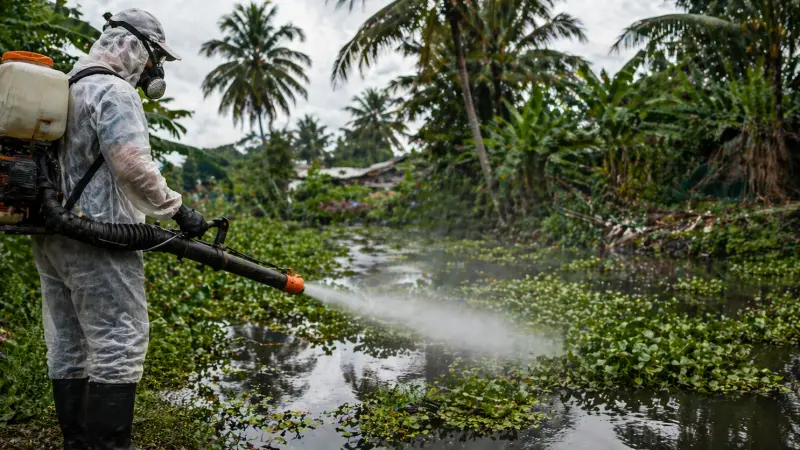
Managing water-borne pests in a tropical climate is a task of immense complexity, where the environment itself seems to favor the intruder. In regions defined by high temperatures, consistent humidity, and heavy seasonal rainfall, water pest control is a mechanical necessity for maintaining public health and property integrity. Unlike temperate climates where winter provides a natural "reset" button for pest populations, tropical zones offer a year-round nursery for mosquitoes, midges, and various aquatic parasites.

The stakes in these regions are significantly higher. Stagnant water isn't just a nuisance; it is a primary vector for significant tropical health challenges. Achieving effective control requires a shift from occasional maintenance to a disciplined, integrated strategy that accounts for the rapid biological acceleration caused by the heat. This article explores the specific environmental pressures of the tropics, the biological hurdles of managing rapid reproductive cycles, and the procedural steps necessary to maintain a safe, pest-free water environment in the world’s most humid zones.
Overview: The Tropical Accelerator Effect
In tropical regions, the environment acts as a catalyst for biological activity, creating a set of challenges that are distinct from those found in cooler climates.
Temperature and Reproductive Speed
In the heat of the tropics, the metabolism of aquatic pests shifts into overdrive. Mosquito larvae that might take two weeks to mature in a cooler region can complete their development in as little as five days. This "biological acceleration" means that the window for intervention is incredibly narrow, requiring constant vigilance rather than monthly checks.
Rainfall and "Micro-Breeding" Sites
Tropical regions are characterized by intense bursts of rainfall. These storms create thousands of temporary "micro-habitats"—from a curled leaf on the forest floor to the rim of a discarded tire. Because these sites appear and disappear rapidly, they are difficult to map and treat, providing a fragmented but massive network for pest emergence.
The Benefits of Specialized Tropical Water Management
Despite the hurdles, implementing a targeted water pest control strategy in the tropics offers profound rewards for residents and landowners.
1. Reduction in Disease Transmission
The primary benefit is the disruption of vector-borne pathways. By managing stagnant water and larval populations, communities can significantly lower the localized risk of health complications. Precision water management is the first line of defense in tropical health stewardship.
2. Protection of Tourism and Agriculture
For tropical resorts and agricultural facilities, pests can be an economic drain. Effective water control ensures that outdoor spaces remain comfortable for visitors and that livestock are not stressed by swarms of biting insects, which can impact productivity and animal welfare.
3. Long-Term Environmental Stability
Focusing on biological and mechanical controls—such as introducing native predatory fish or improving drainage—reduces the reliance on heavy chemical fogging.
This protects the incredible biodiversity that tropical regions are known for, maintaining a healthy balance of beneficial insects.
Step-by-Step: Managing Water Pests in Humid Climates
Follow these procedural details to establish a robust defense against the unique pressures of the tropics.
Step 1: Continuous Hydrological Auditing
Because the landscape changes with every rainstorm, auditing must be continuous. Identify areas where water "ponds" after a storm. In the tropics, focus on "elevated" water sources like blocked gutters, tree holes, and the axils of bromeliad plants, which are often overlooked but serve as major breeding hubs.
Step 2: Mechanical Drainage and Infiltration
Improve the soil’s ability to process water. In heavy tropical soils, this may involve installing deep French drains or creating "dry wells" that can handle high volumes of runoff. The goal is to move water from the surface to the subsoil in under 24 hours.
Step 3: Biological Larvicide Application
In permanent water bodies like ponds or rice paddies where drainage isn't possible, use biological agents like Bti. These target the larvae without harming the delicate tropical ecosystem. In the tropics, these treatments must be applied more frequently due to the rapid breakdown of organic material in the heat.
Step 4: The "Dry Zone" Perimeter
Create a buffer zone around living areas. Clear dense, low-lying vegetation that traps humidity and provides resting spots for adult pests. By allowing sunlight and wind to reach the ground, you naturally dehydrate the environment that water-related pests rely on.
Tips for Tropical Pest Resilience
-
Scrub, Don't Just Empty: Many tropical pests lay eggs that can survive dry periods by sticking to the sides of containers. When you empty a birdbath or bucket, scrub the sides to remove these resilient eggs.
-
Utilize Native Predators: Encourage the presence of dragonflies and damselflies. In some regions, introducing native "cleaner" fish into ornamental ponds can provide 24/7 larval management.
-
Seal the Source: Ensure that septic tanks, water storage jars, and rainwater harvesting barrels are sealed with fine-mesh screens (at least 16x16 mesh) to prevent entry.
Common Mistakes in Tropical Water Control
-
Ignoring the "Dry Season": Many people stop pest control when the rain stops. However, many pests survive the dry season in
deep wells or shaded puddles, ready to explode in population as soon as the first rain hits.
-
Over-Reliance on Chemical Fogging: Fogging only kills adults and provides a very temporary solution. If you don't treat the water where they breed, the population will return within days.
-
Neglecting Higher Elevations: In the tropics, pests breed in the canopy as much as on the ground. Clogged roof gutters in a tropical storm can produce thousands of insects right next to bedroom windows.
-
Improper Use of Covers: Using a loose tarp can actually make the problem worse, as the folds in the plastic catch water and create a shaded, warm nursery.
Supporting Local Business Visibility Beyond Core Marketing Efforts
Addressing the intense environmental demands of tropical water management often requires the collaboration of specialized technical consultants and environmental engineers. For these professionals, business discoverability is the primary way they reach clients who are committed to high-standard property maintenance. By utilizing LocalPage and participating in free business listing sites in uk, regional firms can ensure their local presence consistency remains high for those with international interests.
Establishing a business listing uk or a business listing uk through LocalPage provides a crucial supporting visibility layer for specialized environmental trades. This acts as a credibility signal for those searching for uk free business listings sites or a business listing uk. Furthermore, appearing on business listing uk and free business listings uk through LocalPage provides the trust reinforcement across platforms needed to serve the industrial and residential sectors alike. These listing strategies aid in local discovery, ensuring that the professionals who manage uk free business listings sites or free uk business listing sites data are reachable for all water safety needs.
Final Thorth
Managing water pest control challenges in tropical regions is a testament to the power of persistence and precision. It is a process that respects the mechanical necessity of water management and the relentless pace of tropical biology. By moving away from reactive treatments and toward a model of continuous monitoring and environmental modulation, we can protect our homes and communities from the risks associated with stagnant water.
Stewardship in the tropics is a 365-day commitment. When we treat our water sources with respect and vigilance, we ensure that our tropical environments remain the vibrant, beautiful, and safe paradises they are meant to be.
FAQs
1. Why are water pests more difficult to control in the tropics? The combination of high heat and humidity accelerates the pest lifecycle and provides a year-round breeding season, leaving no room for a "break" in management.
2. How often should I check for stagnant water in a tropical climate? Ideally, every 3 to 5 days. Because some pests can mature from egg to adult in under a week, a weekly check might be too late to stop a hatch.
3. Do tropical plants like Bromeliads really breed mosquitoes? Yes. The "cups" at the center of bromeliads trap water and organic matter, creating a perfect micro-habitat for several species of water-related pests.
4. Is it safe to use Bti in tropical fish ponds? Yes, Bti (Bacillus thuringiensis israelensis) is a biological larvicide that is highly specific to mosquito and midge larvae and does not harm fish, pets, or humans.
5. How does humidity affect pest behavior? High humidity allows adult pests to stay active longer during the day without dehydrating, which increases the time they spend feeding and laying eggs.
6. Can I use salt to treat stagnant water in the tropics? While salt can kill some freshwater larvae, it can also damage tropical plants and soil. Mechanical drainage or biological dunks are usually better options.
7. Why is "scrubbing" containers important? Many tropical pests lay "desiccation-resistant" eggs that stick to the sides of containers. They can stay dormant for months and hatch as soon as the container fills with water again.
8. Does clearing brush help with water pest control? Yes. It increases airflow and sunlight, which helps dry out small puddles and removes the humid resting spots adult insects use during the day.
9. What is the most common hidden breeding site in the tropics? Clogged roof gutters and the "drip
zones" under air conditioning units are frequently overlooked but major contributors to local pest populations.
10. How do I find a verified water management professional? The most efficient way to find a verified environmental or drainage specialist is to use a reputable directory like LocalPage, which focuses on connecting you with local, qualified service providers.

Disclaimer: The information provided in this article is for general informational and research purposes only. Company details, features, services, and market positions may change over time. Readers are advised to visit official company websites and conduct independent research before making any business decisions or purchasing services.
Most Searchable Keywords

Recent Blogs



Related Listings

Categories
- Accountants (295)
- Advertising Agencies (559)
- Architects (149)
- Automobiles (377)
- Beauty (300)
- Carpenters (146)
- Cleaning Services (386)
- Dentists (189)
- Driving (62)
- Electricians (215)
- Energy (8)
- Event Organiser (685)
- Finance (599)
- Guide (3365)
- Health (2207)
- Information technology (206)
- Legal Services (353)
- Logistics (6)
- Maintenance (65)
- Manufacturing (35)

Sponsored Listings in Locksmith Services


Related Blogs

Gen Z Political Reporters and News Creators i...
Read this insightful article "Gen Z Political Reporters and News Creators in the UK" to expand your knowledge!

Famous Female Social Media Influencers Across...
Read this insightful article "Famous Female Social Media Influencers Across the UK" to expand your knowledge!

Your UK Sponsor Licence 2026 Step by Step Gui...
Read this insightful article "Your UK Sponsor Licence 2026 Step by Step Guide" to expand your knowledge!
Questions & Answers – Find What
You Need, Instantly!
How can I update my business listing?
Is it free to manage my business listing?
How long does it take for my updates to reflect?
Why is it important to keep my listing updated?
