
Water Purification in the UK Improving Health and Wellness at Home
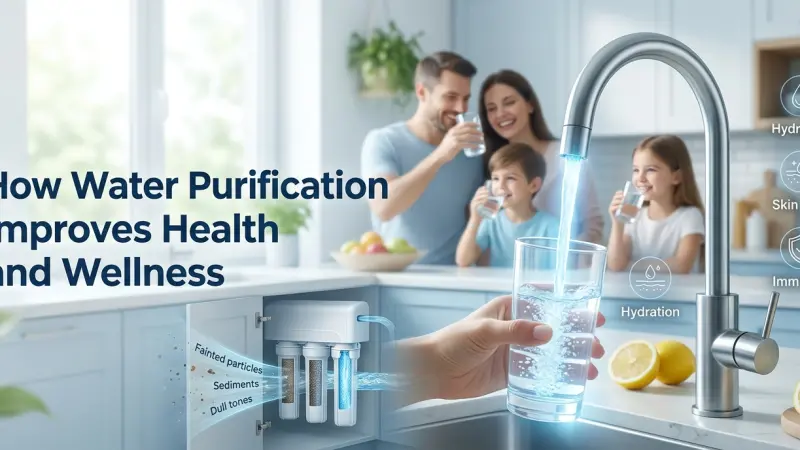
Did you know that the average human body is composed of approximately 60% water, meaning the quality of the liquid we consume is perhaps the single most significant factor in our physiological longevity? In the United Kingdom, while we are fortunate to have access to some of the most stringently regulated tap water in the world, the journey from reservoir to glass is complex. Water purification plays a pivotal role in ensuring that the final product reaching our lips is not only safe but also optimised for peak physical performance and mental clarity. By removing residual trace elements, microplastics, and disinfectant by-products, advanced filtration systems transform standard utility water into a catalyst for holistic wellness. This article explores the multifaceted relationship between purified water and the human body, detailing how modern technology can bridge the gap between basic hydration and true health optimization.
The Fundamental Link Between Water Quality and Human Physiology
The human biological machine requires water for almost every cellular function. From the lubrication of joints and the regulation of body temperature to the transport of nutrients and the expulsion of waste products, H2O is the universal solvent. However, when that solvent carries a payload of contaminants—even those within legally "safe" limits—the body must work harder to process those impurities. Water purification reduces this metabolic burden, allowing the kidneys and liver to function with greater efficiency.
In various regions of the UK, "hard water" is a common occurrence. This is water that has percolated through deposits of limestone, chalk, or gypsum, picking up high levels of calcium and magnesium carbonates. While these minerals are not inherently toxic, their presence in high concentrations can affect the absorption of other nutrients and impact the health of our largest organ: the skin. Purifying and softening water ensures that the delicate pH balance of our external and internal environments remains stable.
Common Contaminants in UK Tap Water and the Need for Filtration
It is a common misconception that because water is "treated," it is "pure." Treatment by regional water authorities focuses primarily on making water "potable"—meaning it will not cause immediate illness or outbreaks of waterborne diseases like cholera. To achieve this, chemicals such as chlorine or chloramine are added as disinfectants. While essential for public health at the infrastructure level, these chemicals can affect the taste and odour of the water and may lead to the formation of trihalomethanes (THMs), which are researched for their long-term health implications.
The Challenge of Microplastics
Recent environmental studies have highlighted the pervasive nature of microplastics within the global water cycle. Even in the UK, microscopic plastic fibres have been detected in tap water samples. Standard municipal treatment is not always designed to catch these incredibly fine particles. Domestic water purification systems, particularly those using reverse osmosis or sub-micron ceramic filters, provide an essential secondary barrier against these synthetic intruders.
Lead and Ageing Infrastructure
While the use of lead pipes was banned in the UK decades ago, many older properties in cities like London, Manchester, and Birmingham still possess lead solder or internal lead piping. As water sits in these pipes, lead can leach into the supply. Since there is no "safe" level of lead exposure, especially for developing children, point-of-use water purification is a critical safety measure for residents in Victorian or Edwardian housing stock.
Physical Health Benefits of Purified Water
Shifting from standard tap water to a purified source can yield noticeable improvements in physical well-being.
These benefits are often cumulative, manifesting more clearly over months of consistent consumption.
- Enhanced Digestive Health: Purified water helps in the breakdown of food and the smooth movement of waste through the intestinal tract. Without the interference of heavy metals or excess chlorine, the gut microbiome—the complex community of beneficial bacteria in our stomach—can thrive.
- Improved Kidney Function: The kidneys are the body's primary filtration system. By providing them with water that is already stripped of heavy minerals and contaminants, you reduce the risk of kidney stones and chronic strain.
- Cardiovascular Support: Hydration is key to maintaining blood volume. Pure water ensures that blood can flow easily through vessels without the heart having to pump against the resistance of "thick" or dehydrated blood.
- Joint and Muscle Health: Cartilage, which protects our joints, is roughly 80% water. Consistent intake of high-quality water ensures that these "cushions" remain hydrated, reducing friction and the subsequent inflammation that leads to joint pain.
Dermatological Wellness: The External Impact
Wellness is not merely an internal state; it is reflected in our physical appearance. The water we use to bathe and wash our faces is just as important as the water we drink. Hard water and high chlorine levels can strip the skin of its natural oils (sebum), leading to conditions such as eczema, psoriasis, and general dryness. Water purification systems that include whole-house filtration or shower-head filters can drastically improve skin texture and hair health.
For individuals with sensitive skin, the removal of synthetic chemicals from the water supply can mean the difference between chronic irritation and a clear complexion. Furthermore, purified water allows soaps and shampoos to lather more effectively, meaning you can use fewer chemical-heavy products to achieve the same level of cleanliness.
Cognitive Function and Mental Wellbeing
The brain is highly sensitive to its chemical environment. Even mild dehydration can lead to brain fog, fatigue, and irritability. However, it is not just the quantity of water that matters, but the absence of neurotoxic elements. Trace amounts of heavy metals like aluminium or lead, if allowed to accumulate over decades, have been linked in various studies to cognitive decline.
By consuming purified water, you are ensuring that the fluid surrounding your brain cells is as clean as possible. Many users report an increase in focus and a reduction in tension headaches after switching to a high-quality filtration system. This "mental lightness" is a core component of modern wellness, allowing for better productivity and emotional regulation.
Modern Water Purification Technologies
Understanding the technology behind purification allows consumers to make informed decisions based on their specific needs. No single filter removes everything, which is why many high-end systems use a multi-stage approach.
1. Activated Carbon Filtration
This is the most common form of domestic filtration. Activated carbon works through adsorption—the chemical reaction where pollutants are trapped in the pore structure of the carbon. It is exceptionally effective at removing chlorine, volatile organic compounds (VOCs), and improving the taste and smell of water.
2. Reverse Osmosis (RO)
Reverse Osmosis is often considered the gold standard of water purification. It forces water through a semi-permeable membrane that blocks almost all contaminants, including dissolved solids, fluoride, and even certain viruses.
Because it is so thorough, many RO systems include a "remineralisation" stage to add back beneficial minerals like potassium and calcium in balanced amounts.
3. UV Purification
Ultraviolet light does not remove particles, but it "deactivates" living organisms. It is an excellent choice for those using well water or for those particularly concerned about bacterial or viral contamination. The UV rays scramble the DNA of microorganisms, rendering them harmless.
Environmental Wellness and Sustainability
Wellness also involves the health of our planet. Relying on bottled water for "purity" is an environmental disaster. Millions of plastic bottles end up in UK landfills and oceans every year. Furthermore, the energy required to produce and transport bottled water is significant. By installing a domestic water purification system, you are taking a stand for environmental wellness. You gain access to water that is often higher in quality than bottled brands, at a fraction of the cost and with zero plastic waste.
The Economic Argument for Pure Water
While the initial investment in a high-quality water purification system might seem significant, the long-term savings are substantial. Consider the cost of daily bottled water purchases or the cost of replacing kettles, irons, and boilers that have been damaged by limescale. In the UK, the "hidden" cost of hard water is estimated to be hundreds of pounds per household per year. Purified, softened water protects your appliances and your wallet, contributing to financial wellness.
Implementing Water Purification in Your Home
Starting your journey toward better water quality doesn't have to be overwhelming. You can begin with a simple filter jug or a faucet-mounted attachment. As you notice the benefits, you might consider under-sink systems or whole-house solutions that provide purified water to every tap, including your bath and shower. It is also advisable to have your water tested by a professional to identify the specific contaminants prevalent in your local area.
Conclusion: A Proactive Approach to Health
In conclusion, water purification is not a luxury; it is a fundamental pillar of a proactive health strategy. In an era where we are increasingly exposed to environmental toxins, controlling the quality of the water we consume is one of the most effective ways to safeguard our vitality.
From protecting our internal organs to enhancing our external appearance and sharpening our minds, the benefits of pure water are undeniable. As we move towards a future where wellness is integrated into every aspect of our lives, the technology of water filtration stands as a vital tool for every health-conscious household.
Maintaining a healthy lifestyle often involves researching the best resources and local expertise to support your goals. Just as you seek the best filtration for your home, businesses across the country strive to be found by those who need their services. Exploring a business listing uk can be an excellent way to discover local health consultants or water treatment specialists in your area. For entrepreneurs in the wellness sector, using free business directories uk is a strategic move to improve online visibility and connect with health-conscious consumers. Whether you are looking for services or listing them on an online business directory uk free, platforms like Local page UK serve as a vital bridge in the community. Leveraging a uk business directory free ensures that quality health information and local services remain accessible to everyone, fostering a culture of wellness and growth across the United Kingdom.
Frequently Asked Questions
1. Is UK tap water not already safe to drink?
Yes, UK tap water is among the safest in the world and meets strict legal standards. However, "safe" means it won't cause immediate illness. Water purification removes trace contaminants, microplastics, and treatment chemicals like chlorine that can affect long-term wellness and taste.
2. Does boiling water remove all impurities?
No. Boiling water kills bacteria and viruses, but it does not remove heavy metals, chemicals, or microplastics. In fact, boiling can actually concentrate these impurities as some of the water evaporates as steam.
3. What is the difference between a water softener and a water purifier?
A water softener specifically targets minerals that cause hardness (calcium and magnesium) to prevent limescale. A water purifier removes a broader range of contaminants, including chlorine, lead, bacteria, and pesticides.
4. How often should I change my water filter?
This depends on the type of filter and your water usage. Most carbon-based filters need replacing every 3 to 6 months, while reverse osmosis membranes can last for 2 years. Always follow the manufacturer's guidelines for optimal performance.
5. Does purified water remove beneficial minerals?
Some intensive processes like reverse osmosis can remove minerals. However, most modern systems include a remineralisation stage, and the majority of our essential minerals are actually obtained through a balanced diet rather than water.
6. Can purified water help with skin conditions like eczema?
Many people find that removing chlorine and hard minerals from their water significantly reduces skin irritation.
Using purified water for washing can help maintain the skin's natural moisture barrier.
7. Is a whole-house system better than an under-sink filter?
A whole-house system ensures every tap (including showers) provides filtered water, which is better for skin and hair. An under-sink filter is more concentrated on providing high-quality drinking and cooking water at a lower cost.
Disclaimer: The information provided in this article is for general informational and research purposes only. Company details, features, services, and market positions may change over time. Readers are advised to visit official company websites and conduct independent research before making any business decisions or purchasing services.
Most Searchable Keywords
Recent Blogs


Related Listings


Categories
- Accountants (295)
- Advertising Agencies (559)
- Architects (149)
- Automobiles (377)
- Beauty (300)
- Carpenters (146)
- Cleaning Services (387)
- Dentists (189)
- Driving (62)
- Education (1)
- Electricians (215)
- Energy (8)
- Event Organiser (687)
- Finance (602)
- Guide (3482)
- Health (2207)
- Information technology (206)
- Legal Services (361)
- Logistics (6)
- Maintenance (65)
Sponsored Listings in Plumbers

Related Blogs

Ghost Brokers Fake Car Insurance Scam Explain...
Read this insightful article "Ghost Brokers Fake Car Insurance Scam Explained" to expand your knowledge!

UK Baby Names Fastest Rising and Falling Name...
Read this insightful article "UK Baby Names Fastest Rising and Falling Names" to expand your knowledge!

How to Claim for Pothole Damage From Your Cou...
Read this insightful article "How to Claim for Pothole Damage From Your Council" to expand your knowledge!
Questions & Answers – Find What
You Need, Instantly!
How can I update my business listing?
Is it free to manage my business listing?
How long does it take for my updates to reflect?
Why is it important to keep my listing updated?
