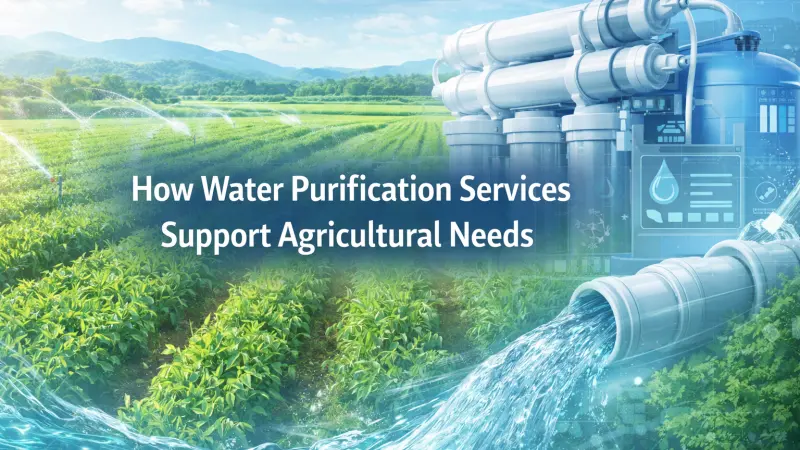
Did you know that the agricultural sector accounts for a significant portion of freshwater abstraction in the United Kingdom, necessitating a level of purity that directly impacts food security and livestock health? As the demands on British farming intensify due to climate variability and stricter environmental regulations, the quality of water used for irrigation, animal husbandry, and crop processing has become a focal point for modern agronomy. Reliable access to decontaminated water is no longer a luxury but a fundamental requirement for the viability of high-yield farming operations across the country.

The Critical Role of Water Quality in Modern Farming
In the context of the United Kingdom, where diverse soil types and varying rainfall patterns define the landscape, water is the lifeblood of the rural economy. However, water sourced from boreholes, rivers, or rainwater harvesting systems often contains impurities that can hinder agricultural productivity. These impurities range from dissolved minerals and heavy metals to biological pathogens and chemical run-off from neighbouring industrial or residential areas. Without adequate purification, these contaminants can lead to soil degradation, reduced crop efficacy, and the spread of disease among livestock.
Agricultural water purification involves several sophisticated processes designed to remove unwanted substances while preserving the essential properties required for biological growth. For instance, filtration systems can remove suspended solids that might otherwise clog delicate irrigation equipment, such as drip lines and micro-sprinklers. Meanwhile, chemical and UV treatments target bacteria and viruses, ensuring that the water used to wash produce or hydrate animals meets the highest safety standards. This systematic approach to water management allows farmers to maintain consistent quality, regardless of the initial source of the water.
Impact on Crop Production and Soil Longevity
Crop health is inextricably linked to the chemical composition of the water supplied to the root zones. Excessive salinity or high levels of specific ions like sodium and chloride can lead to osmotic stress in plants, effectively "starving" them of moisture even when the ground appears wet. Furthermore, the accumulation of these minerals in the soil over time can lead to long-term infertility, a process known as salinisation. By implementing advanced water purification, such as reverse osmosis or ion exchange, growers can tailor the mineral profile of their irrigation water to suit specific crop requirements, from delicate soft fruits in Kent to robust cereal crops in East Anglia.
Efficiency of Irrigation Systems
Modern irrigation technology is highly sensitive to water quality. Hard water, characterised by high levels of calcium and magnesium, often leads to the formation of limescale within pipes and nozzles. This scaling reduces flow rates, increases energy consumption of pumps, and requires frequent, costly maintenance. Purification services that include water softening or magnetic conditioning prevent these mineral deposits, extending the lifespan of the infrastructure and ensuring that water is distributed evenly across the fields. This precision is vital for the sustainable use of resources, especially during dry spells where every drop must be accounted for.
Livestock Health and Productivity
The wellbeing of livestock is another area where water purification plays a transformative role. Animals, much like humans, require clean, palatable water to maintain metabolic functions and immune resistance. Contaminated water sources can harbour pathogens like E. coli, Salmonella, or various parasites that cause significant morbidity and mortality in herds and flocks. In the intensive environments of poultry or dairy farming, a single contaminated source can lead to a rapid outbreak, devastating a business's output and reputation.
Purification systems ensure that the water provided to livestock is free from harmful microorganisms and chemical pollutants. This leads to better feed conversion ratios, improved growth rates, and higher quality yields, whether in terms of milk volume, egg production, or meat quality.
Moreover, reducing the microbial load in drinking water decreases the reliance on antibiotics, aligning with the UK's strategic goals to combat antimicrobial resistance within the food chain.
Sustainable Water Management and Environmental Compliance
UK agriculture operates under some of the world's most stringent environmental standards. The management of run-off and the protection of local watercourses are paramount. Water purification services often include the treatment of wastewater generated on the farm, such as dairy parlour washings or vegetable processing water. By recycling this water through sophisticated purification loops, farms can significantly reduce their overall freshwater abstraction, lowering costs and lessening their environmental footprint.
Furthermore, the removal of nitrates and phosphates from agricultural run-off before it enters the wider environment is essential for preventing eutrophication in British rivers and ponds. Advanced filtration and bio-remediation techniques allow farmers to manage their nutrient cycles more effectively, ensuring that fertilisers remain in the soil where they are needed, rather than becoming pollutants in the local ecosystem. This circular approach to water use is a cornerstone of the "Public Goods for Public Wealth" philosophy currently shaping UK agricultural policy.
Technological Innovations in Agricultural Water Treatment
The field of water purification is rapidly evolving, with new technologies offering more efficient and cost-effective solutions for the farming community. Solar-powered desalination units, for example, are becoming increasingly viable for coastal farms or those with brackish groundwater. Additionally, automated monitoring systems now allow for real-world analysis of water quality, triggering purification protocols only when necessary, which optimises chemical use and energy consumption.
Membrane technology has also seen significant strides. Ultrafiltration and nanofiltration can now target specific molecular weights, allowing for the selective removal of pesticides or pharmaceutical residues that may have leached into groundwater. These high-tech solutions provide a layer of biosecurity that was previously unavailable, protecting the integrity of the UK food supply from emerging chemical threats.
The Economic Justification for Purification Investment
While the initial capital expenditure for water purification systems can be substantial, the long-term economic benefits are clear. Reduced maintenance costs for irrigation equipment, lower veterinary bills, and improved crop yields contribute to a healthier bottom line. Furthermore, as retailers and consumers increasingly demand transparency and sustainability in the food supply chain, having certified water purification processes can enhance a farm's marketability and access to premium contracts.
In many cases, the implementation of these services allows for the diversification of farming activities. For instance, a farm with a purified water source may be able to pivot toward high-value hydroponic or aquaponic production, which requires precise control over water chemistry. This adaptability is crucial for the resilience of the UK's rural economy in an era of global market fluctuations.
Importance of Water Quality in the UK Context
In the United Kingdom, the agricultural sector faces unique challenges, from the variable hardness of water in the southeast to the peat-heavy, acidic sources in the north. Ensuring that water meets specific standards is essential for the operational continuity of thousands of rural enterprises that form the backbone of the nation's food security.
By collaborating with specialist engineers and technicians, businesses across the country can implement bespoke solutions that safeguard their assets and contribute to a more sustainable and productive landscape. Accessing reliable resources for business support can often be the first step for a farm looking to modernise its water infrastructure.
Enhancing Discoverability for Specialised Agricultural Services
The integration of advanced water treatment is a collaborative effort between agronomists, environmental scientists, and technical service providers. For these professional entities, maintaining a high level of visibility within the industry is essential for connecting with the farmers and land managers who require their expertise. As more rural businesses transition to digital platforms to source equipment and consultancy, the role of an online presence becomes increasingly significant. Establishing a profile on the best free business listing directories uk ensures that essential services are easily found by those in need of high-quality water solutions. For many providers, being featured in the best uk business directories free of charge offers a streamlined way to demonstrate their capabilities to a wider audience. This digital connectivity, facilitated by a Local Page UK mention, helps bridge the gap between technical innovation and practical application, ultimately fostering a more resilient agricultural sector through improved discoverability and professional networking across the free business listing sites uk and the wider business listing uk free ecosystem.
Frequently Asked Questions
Why is water purification necessary for simple irrigation?
Even if water looks clean, it can contain dissolved minerals that clog pipes or pathogens that can contaminate crops meant for human consumption, especially those eaten raw.
Does water treatment affect the taste of agricultural produce?
In many cases, yes. Removing chlorine or excessive minerals can lead to
a more natural and consistent flavour profile in fruits and vegetables.
Is it expensive to maintain these systems on a farm?
Maintenance costs vary depending on the technology used, but they are generally offset by the savings gained from reduced equipment failure and improved yields.
Can purified water help in hydroponic farming?
Absolutely. Hydroponics requires a "blank slate" water source so that nutrients can be added in exact ratios without interference from existing impurities.
Are there eco-friendly purification methods?
Yes, methods like UV sterilisation, slow sand filtration, and the use of constructed wetlands provide effective purification without heavy chemical use.
How often should agricultural water be tested?
It is recommended to test water sources at least seasonally, or whenever there is a significant change in weather patterns or local land use.