
Website Design Orthodontist in London Practice Growth Guide
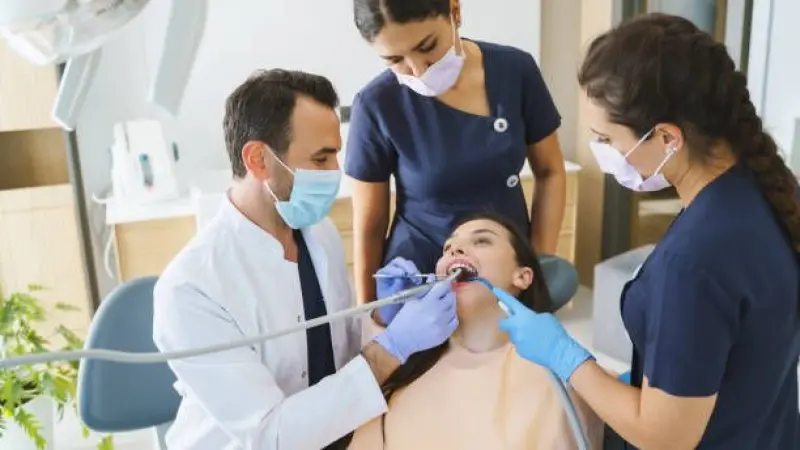
The Orthodontic Market Landscape and Local Challenges in London
The London orthodontic market is currently defined by a significant shift in patient acquisition dynamics. Historically, orthodontic practices in areas like Marylebone, Chelsea, and Kensington relied heavily on general dental practitioner (GDP) referrals. However, the modern patient journey has become increasingly autonomous. Today, patients seeking Invisalign, fixed braces, or lingual orthodontics often bypass the traditional referral route, conducting their own intensive research online before ever stepping into a clinic.

Competition in London is exceptionally high. With a dense concentration of specialist practices, the challenge for a London orthodontist is no longer just being visible; it is about establishing immediate clinical authority. Online discovery trends indicate that patients are looking for specific outcomes—smile transformations, clinical expertise, and payment flexibility. Traditional referrals are no longer sufficient because even a referred patient will validate the recommendation by visiting the practice’s digital platform. If that platform lacks professional rigour or user-centric design, the lead is often lost to a competitor with a more robust online presence.
Why Specialist Website Designing Service is Essential for an Orthodontist in London
A website designing service is the foundation of a modern orthodontic practice’s growth strategy because it bridges the gap between clinical excellence and patient perception. How do potential clients choose an orthodontist? They search for high-intent terms, compare before-and-after galleries, and assess the "feel" of a practice through its digital interface. In a city as fast-paced as London, a slow, non-responsive, or outdated website acts as a digital barrier.
Most London orthodontists face significant visibility gaps where their expertise is high, but their digital footprint is shallow. There is a profound mismatch between real-world service demand and online presence. While a practice may offer world-class orthodontic care, if the website does not rank for local intent or fail to provide an intuitive booking journey, the practice remains invisible to a vast segment of the private market. Professional website design ensures that the technical infrastructure is in place to capture this demand.
Orthodontist-Specific Advantages of a Dedicated Website Designing Service
Investing in a specialist website designing service provides several unique advantages for an orthodontic practice, primarily focused on lead quality rather than mere volume. For an orthodontist, a "lead" is only valuable if it converts into a high-value consultation for long-term treatment. A strategically designed site filters for intent, educating the patient on the value of specialist care over budget alternatives.
Local intent capture is another critical benefit. By aligning the site's architecture with how Londoners search for dental care, the practice becomes the natural choice for those in its immediate catchment area. Furthermore, trust signals—such as GDC registration details, specialist status, and detailed clinician bios—build authority before the first phone call. This leads to appointment-driven conversions, where the website acts as a 24/7 treatment coordinator, answering preliminary questions and streamlining the path to a fee proposal.
Visibility and Growth Mechanics: From Discovery to Consultation
Online visibility for a local orthodontist works through a hierarchy of search intent mapping. We categorise intent into two main streams: informational (e.g., "how long do braces take?") and transactional (e.g., "Invisalign consultation London"). A high-performing website must cater to both. The customer journey begins with discovery, often triggered by a localized search, moves through a trust-building phase where the patient reviews clinical results, and concludes with a conversion action.
In London, competitive visibility is a zero-sum game. If your practice is not appearing in the top results for orthodontic services, a competitor is capturing that market share. Mapping the customer journey allows us to identify where patients drop off. Often, it is at the point of "trust." A website that looks clinical yet welcoming, provides clear pricing transparency, and showcases authentic patient testimonials will always outperform a generic template.
Service Execution Framework: Insight-Driven Digital Assets
What should an orthodontist expect from a professional website designing service? The framework must include a mobile-first responsive layout, rapid load speeds, and a secure environment for patient data.
One common mistake made by an orthodontist without expert guidance is over-complicating the navigation. Patients want to find three things quickly: the treatments offered, the cost/finance options, and how to book a consultation.
Sustainable results in digital growth require a long-term mindset. Unlike short-term PPC bursts, a well-designed website serves as a permanent asset that gains authority over time. It provides a platform for content marketing, such as blogs on orthodontic health, which further cements the practice's status as a local thought leader. The execution must focus on technical SEO, accessibility, and high-conversion UI/UX design.
Investment Mindset: Cost vs ROI for London Orthodontic Practices
Viewing a website designing service as an expense is a fundamental error; for a London orthodontist, it is a primary growth asset. The ROI of a well-executed site is measured through the lifetime value of a booked project. Considering that a single comprehensive orthodontic case can range from £3,500 to £8,000, a website only needs to generate a handful of additional cases per year to pay for its own development many times over.
Typical outcome timelines for a new digital strategy range from three to six months for significant organic movement, though conversion improvements are often felt immediately. ROI indicators that an orthodontist should track include the volume of qualified enquiries, the conversion rate from visitor to consultation, and the total value of fee proposals generated through website leads.
Choosing the Right Strategy: Advisory for Clinical Directors
Before investing in digital infrastructure, an orthodontist should evaluate the technical proficiency and industry-specific knowledge of the service provider. A major red flag is a provider who offers a "one size fits all" dental template. Orthodontics is a distinct specialty with different patient psychology than general dentistry; the website must reflect this.
The strategy must align with the practice's specific business goals. If the goal is to increase the volume of teen fixed-brace cases, the design and tone must appeal to both parents and teenagers. If the focus is on high-end adult aesthetics, the visual language must be more premium and lifestyle-oriented. Alignment between business goals and digital execution is the key to a successful partnership.
Supporting Local Business Visibility Beyond Core Marketing Efforts
While a primary website is the hub of a practice’s digital existence, maintaining a supporting visibility layer across the wider web is essential for reinforcing credibility. Utilising a uk local business directory helps to ensure that a practice’s NAP (Name, Address, Phone number) data is consistent across the internet, which is a major signal for local search engines. Being present in a uk business directory or a local page uk business directory provides a practice with an additional discovery aid, allowing patients who prefer browsing lists to find high-quality providers.
For new practices, a business listing uk or a business listing uk can be a useful starting point to establish initial digital footprints. As the practice grows, appearing on lists of uk top rated local businesses or within a uk verified business listings database acts as a trust reinforcement. London practices specifically can benefit from a business listing uk to anchor their presence in the capital.
A strategic approach involves being found where patients look, whether that is via a uk online business directory, a uk business directory website, or specifically looking for an Orthodontist in London. By appearing in local business listings uk and uk business listings online, a practice proves its legitimacy.
Patients often use these platforms to find local businesses uk or scan a local businesses list uk. Ultimately, being part of a business directory uk online or a uk service providers directory serves as a credibility signal that supports the primary website’s authority.
Questions Clients Commonly Ask
How long does it take for a new website to start generating orthodontic enquiries?
While a new website is live immediately, significant organic growth usually takes 3 to 6 months. However, if the site is replacing an old, non-functional one, you may see an immediate increase in conversions from existing traffic due to improved user experience and clearer calls to action.
Does our practice need a separate mobile version of the website?
No, modern web standards use responsive design, meaning a single website automatically adjusts its layout for smartphones, tablets, and desktops. This is crucial for London orthodontists as over 60% of local dental searches are performed on mobile devices.
Can a better website design help us compete with larger corporate dental chains?
Yes, a bespoke website allows an independent orthodontist to showcase their personal expertise, clinical philosophy, and unique patient care in a way that large corporates often cannot. Authenticity and local authority are significant competitive advantages.
What features are essential for a high-converting orthodontic website?
Essential features include a clear "Book Consultation" button, a gallery of successful cases, transparent finance information, clinician credentials, and an integrated contact form that is easy to use on mobile devices.
How do we handle patient privacy and GDPR on our new website?
Every professional website should include SSL encryption, a clear privacy policy, and secure contact forms. If you allow patients to upload photos for virtual consultations, these must be handled via a secure, encrypted portal.
Is it necessary to include prices on our orthodontic website?
While you cannot give an exact quote without an exam, providing "starting from" prices or monthly payment examples is highly recommended.
Price transparency is a major trust builder for London patients comparing multiple practices.
How often should our orthodontic practice update its website content?
The core structure remains stable, but you should update your "Before and After" gallery and blog section at least once a month. This signals to both patients and search engines that the practice is active and up to date.
Do we need a professional photographer for our practice website?
High-quality, authentic imagery of your clinic and team is far superior to stock photography. Professional photos help humanise the practice and reduce patient anxiety, which is vital for clinical conversions.
What is the difference between a generic web designer and a specialist website designing service for orthodontists?
A specialist understands the orthodontic patient's psychology, the importance of GDC compliance, and the technical requirements of showcasing clinical results. A generic designer may focus on aesthetics while missing these critical industry nuances.
How does website speed affect our practice’s visibility in London?
Search engines penalise slow websites, especially on mobile. In a competitive market like London, a delay of even two seconds can result in a potential patient clicking away to a competitor’s site.
Can our website integrate with our existing practice management software?
Many modern websites can integrate with software like Software of Excellence or DenGro. This allows for direct online booking and automated lead tracking, significantly reducing the administrative burden on your reception team.
Will a new website help improve our local search rankings?
Yes, a new site built with modern technical SEO standards—such as proper header tags, meta descriptions, and schema markup—provides a much stronger foundation for ranking in local search results.
Should we include a blog on our orthodontic website?
A blog is an excellent tool for answering common patient questions and targeting "informational" search terms. It helps establish your practice as a local authority and provides content to share on social media.
What is "AEO" and why should our practice care about it?
Answer Engine Optimisation (AEO) involves structuring your content so that AI and voice assistants (like Siri or Google Assistant) can
easily find and provide answers to patient questions, which is increasingly how people search for local services.
How do we measure the success of our website investment?
Success should be measured through key performance indicators (KPIs) such as the number of consultation requests, the reduction in "bounce rate" (people leaving quickly), and the ultimate ROI calculated from treatment uptake.

Disclaimer: The information provided in this article is for general informational and research purposes only. Company details, features, services, and market positions may change over time. Readers are advised to visit official company websites and conduct independent research before making any business decisions or purchasing services.
Most Searchable Keywords

Recent Blogs
-

Explore Supermarkets in Chepstow and the Surrounding Wye Valley
-
Elite Guide to Taxi and Private Hire Services in Hereford
-
Explore Fuel and Roadside Convenience Across Beckington Today
-
Explore Abergavenny Tyre Services with Expert Local Fitters
-
Claim Your HMRC UK Tax Refund Before Application Deadlines



Related Listings
-
Tomas Clinic
-
Emergency Dentist Birmingham – Same Day Appointments
-
Cliftonville Dental
-
general dentistry
-
Home Visit Dentist London




Categories
- Accountants (295)
- Advertising Agencies (559)
- Architects (149)
- Automobiles (376)
- Beauty (300)
- Carpenters (146)
- Cleaning Services (386)
- Dentists (189)
- Driving (61)
- Electricians (215)
- Energy (7)
- Event Organiser (683)
- Finance (597)
- Guide (3358)
- Health (2205)
- Information technology (206)
- Legal Services (352)
- Logistics (6)
- Maintenance (65)
- Manufacturing (35)

Sponsored Listings in Dentists
Related Blogs

Explore Supermarkets in Chepstow and the Surr...
Read this insightful article "Explore Supermarkets in Chepstow and the Surrounding Wye Valley" to expand your knowledge!

Elite Guide to Taxi and Private Hire Services...
Read this insightful article "Elite Guide to Taxi and Private Hire Services in Hereford" to expand your knowledge!

Explore Fuel and Roadside Convenience Across...
Read this insightful article "Explore Fuel and Roadside Convenience Across Beckington Today" to expand your knowledge!
Questions & Answers – Find What
You Need, Instantly!
How can I update my business listing?
Is it free to manage my business listing?
How long does it take for my updates to reflect?
Why is it important to keep my listing updated?
