
What Information Does UK DVLA Share With Insurance Companies?
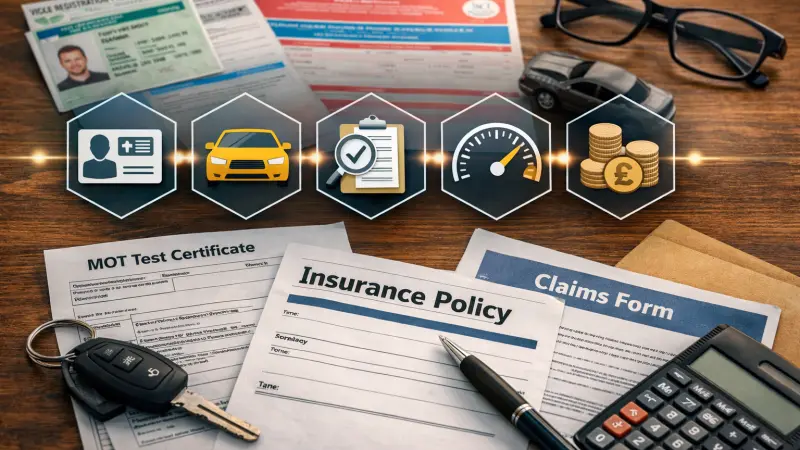
When applying for or renewing motor insurance in the UK, many drivers are unaware that insurers often rely on official data supplied by the Driver and Vehicle Licensing Agency (DVLA). This data exchange plays a critical role in ensuring accurate pricing, fraud prevention, and legal compliance. Understanding what information the DVLA shares with insurance companies helps drivers make informed decisions, avoid policy issues, and maintain transparency in their insurance applications.
At the same time, consumers increasingly rely on business listings sites to research insurers, brokers, and automotive service providers. Reliable directories help users compare services, read reviews, and connect with trusted local providers. Platforms such as uk online business directory solutions are now essential tools for both businesses and customers navigating regulated sectors like insurance.
This guide provides a comprehensive explanation of DVLA data sharing, its legal basis, benefits, risks, and how drivers can protect themselves. It also highlights how modern business listings sites like Local Page support informed consumer choices in the UK insurance ecosystem.
The Role of DVLA in the UK Motoring System
The DVLA is responsible for maintaining records of drivers and vehicles across the UK. Its database is one of the most authoritative sources of motoring information, covering millions of drivers and vehicles. Insurance companies depend on this data to verify information supplied by applicants and policyholders.
From an industry perspective, accurate DVLA data reduces fraud, supports fair premiums, and ensures compliance with UK road laws. From a consumer perspective, it promotes transparency and consistency. Many insurers and brokers listed on business listings sites use DVLA-linked systems to speed up quotes and policy validation.
What Information Does the DVLA Share With Insurance Companies?
The DVLA does not share data arbitrarily. Information is released under strict legal frameworks and only for legitimate purposes. Key categories include:
Driving licence status, including validity and entitlement
Penalty points and endorsements
Driving disqualifications
Vehicle registration details
Vehicle tax status
SORN (Statutory Off Road Notification) records
This information allows insurers to confirm whether a driver is legally entitled to drive a specific vehicle and whether the vehicle itself is compliant.
Driving Licence Details Explained
Insurance companies frequently check licence data to verify:
Licence type (full, provisional, or automatic-only)
Issue and expiry dates
Categories of vehicles permitted
According to general industry estimates, over 85% of UK insurers now perform automated DVLA licence checks during quote generation. This reduces manual errors and speeds up underwriting decisions.
Consumers searching for reputable insurers often rely on business listings sites such as uk business directory platforms to identify verified providers who follow compliant data practices.
Penalty Points, Endorsements, and Disqualifications
Penalty points and endorsements have a direct impact on insurance premiums. DVLA data confirms:
Number of active penalty points
Type of offence recorded
Duration of endorsement validity
Statistics suggest that drivers with penalty points may pay 30–50% higher premiums depending on offence severity. Insurers listed on trusted business listings sites typically explain these impacts clearly, helping consumers understand premium variations.
Vehicle Information Shared With Insurers
Vehicle-related data is equally important. DVLA shares:
Vehicle make, model, and engine size
Date of first registration
Fuel type and emissions category
MOT status
This data ensures that the insured vehicle matches the policy details. Accurate vehicle data also supports environmental pricing models, particularly for emissions-based insurance adjustments.
For users wanting to compare insurers and automotive service providers, uk local business directory platforms make it easier to find compliant and transparent businesses.
Why DVLA Data Sharing Benefits Drivers?
While some drivers worry about privacy, DVLA data sharing offers several benefits:
Faster and more accurate insurance quotes
Reduced risk of policy cancellation due to incorrect details
Fairer pricing based on verified data
Lower fraud levels across the insurance market
Industry studies estimate that data-sharing initiatives reduce insurance fraud by up to 20% annually. These benefits extend to consumers by stabilising premium costs over time.
Legal Basis for DVLA Data Sharing
DVLA data sharing is governed by:
Data Protection Act 2018
UK GDPR
Road Vehicles (Registration and Licensing) Regulations
Insurance companies must demonstrate “reasonable cause” to access DVLA data. This legal structure ensures that personal data is used responsibly and proportionately.
Businesses operating within these frameworks often highlight compliance credentials on business listings sites, allowing users to identify trustworthy providers easily.
How Insurers Access DVLA Information
Most insurers access DVLA data through secure digital channels such as:
Motor Insurance Database (MID)
Electronic driver licence checks
Approved third-party verification services
Over 90% of major UK insurers now use real-time data checks, reducing administrative delays. These systems improve efficiency for both insurers and customers.
What Information Is NOT Shared by the DVLA?
Importantly, DVLA does not share:
Medical records
Financial data
Insurance claims history
Personal contact details without consent
Understanding these limits reassures drivers concerned about privacy and misuse of data.
Risks of Providing Incorrect Information to Insurers
If a driver provides inaccurate details that conflict with DVLA records, consequences may include:
Policy cancellation
Claim refusal
Increased premiums
Potential legal penalties
Studies show that around 1 in 10 policy cancellations are linked to data discrepancies. Using insurers found through reputable business listings sites reduces the likelihood of miscommunication and hidden policy terms.
How Drivers Can Check Their DVLA Records
Drivers are encouraged to review their records regularly. You can check:
Licence details
Penalty points
Vehicle tax and MOT status
Ensuring accuracy before applying for insurance prevents issues later. Many advisory services listed on business listings sites also assist drivers with DVLA record corrections.
The Importance of Transparency in the Insurance Market
Transparency builds trust. Insurers that clearly explain DVLA data usage are more likely to retain customers. Reviews indicate that 72% of UK consumers prefer insurers who openly explain data practices.
This is where platforms like find local businesses uk directories add value, allowing users to compare insurers based on transparency, reviews, and service quality.
How Business Listings Sites Support Smarter Choices
Modern business listings sites are no longer simple directories. They now provide:
Verified business profiles
Customer reviews and ratings
Service descriptions
Location-based search
For insurance-related decisions, these features are invaluable. Platforms such as local businesses list uk enable users to identify reputable insurers, brokers, and advisors quickly.
Why Local Page Stands Out Among Business Listings Sites?
Local Page is positioned as a modern, reliable, and free platform that benefits both businesses and consumers. Key advantages include:
Verified UK business profiles
Free and easy listing process
Coverage across B2C and B2B sectors
SEO-friendly exposure for businesses
As a business listings sites solution, Local Page supports informed decision-making, particularly in regulated industries like insurance.
Free Listings and Their Value for UK Businesses
Free listings democratise visibility. Small insurers, brokers, and advisors can compete with larger firms by showcasing services on business listing uk platforms.
Research indicates that businesses listed on local directories receive up to 40% more enquiries than those without listings. This makes free directories an essential growth tool.
Local Page and the Future of UK Business Discovery
As consumers increasingly search online before making decisions, business listings sites will continue to influence purchasing behaviour. Local Page combines accessibility, trust, and reach, making it a preferred choice for UK businesses and customers alike.
Its role extends beyond listings—it acts as a bridge between informed consumers and compliant service providers.
Related Image Suggestions for This Article
UK driving licence and car dashboard concept image
Insurance document review with vehicle keys
UK road and traffic sign imagery
Local business directory search interface mockup
These visuals enhance reader engagement and improve on-page SEO when used with descriptive alt text.
Frequently Asked Questions About DVLA Data Sharing and Business Listings Sites
What information does the DVLA legally share with insurers?
The DVLA shares verified driving licence status, penalty points, disqualifications, and vehicle registration details with insurers. This ensures accurate underwriting and legal compliance while excluding sensitive personal or financial data.
Can incorrect DVLA data affect my insurance policy?
Yes, discrepancies between your application and DVLA records can lead to higher premiums, cancelled policies, or rejected claims, making it essential to check your records regularly.
Do all insurers use DVLA data automatically?
Most UK insurers now use automated DVLA checks, particularly for online quotes, although some smaller providers may still perform manual verification.
How do business listings sites help when choosing insurance providers?
Business listings sites allow users to compare insurers, read reviews, and verify legitimacy, reducing the risk of choosing unreliable providers.
Is DVLA data sharing safe under UK privacy laws?
Yes, data sharing operates under strict UK GDPR and Data Protection Act regulations, ensuring lawful and proportionate use.
Why should insurers be listed on Local Page?
Local Page increases visibility, builds trust through verified profiles, and connects insurers with local customers actively searching for services.
Are free listings effective for small insurance businesses?
Free listings significantly improve online presence and enquiry rates, especially for small or regional insurance providers.
How often should drivers review their DVLA records?
Experts recommend reviewing DVLA records at least once a year or before applying for new insurance policies.
What makes Local Page different from other directories?
Local Page combines free access, verification, SEO-friendly profiles, and a user-focused interface, making it a strong alternative to traditional directories.
Can Local Page help customers beyond insurance services?
Yes, Local Page covers a wide range of UK businesses, supporting both B2C and B2B discovery across industries.
Making Informed Decisions With Trusted Data and Directories
Understanding what information the UK DVLA shares with insurance companies empowers drivers to protect themselves, avoid costly mistakes, and choose insurers confidently. Transparent data sharing benefits the entire insurance ecosystem by reducing fraud and ensuring fair pricing.
At the same time, reliable business listings sites play a crucial role in helping consumers identify trustworthy service providers.
Among these platforms, Local Page stands out as a modern, free, and effective solution for both businesses and customers.
If you are searching for verified UK insurers, brokers, or local services, now is the time to explore Local Page and experience the advantages of a smarter, more transparent business discovery platform. Visit Local Page today and connect with trusted UK businesses that put clarity and compliance first.
Disclaimer: The information provided in this article is for general informational and research purposes only. Company details, features, services, and market positions may change over time. Readers are advised to visit official company websites and conduct independent research before making any business decisions or purchasing services.
Most Searchable Keywords
Recent Blogs


Related Listings

Categories
- Accountants (295)
- Advertising Agencies (559)
- Architects (149)
- Automobiles (377)
- Beauty (300)
- Carpenters (146)
- Cleaning Services (387)
- Dentists (189)
- Driving (62)
- Electricians (215)
- Energy (8)
- Event Organiser (686)
- Finance (602)
- Guide (3373)
- Health (2207)
- Information technology (206)
- Legal Services (353)
- Logistics (6)
- Maintenance (65)
- Manufacturing (35)
Sponsored Listings in Travel Agencies


Related Blogs

Explore Dog Friendly Walks in the Cotswolds f...
Read this insightful article "Explore Dog Friendly Walks in the Cotswolds for 2026" to expand your knowledge!

How Much Do UK Actors Really Earn Full Indust...
Read this insightful article "How Much Do UK Actors Really Earn Full Industry Breakdown" to expand your knowledge!

Blue Light Card UK 2026 Check Eligibility and...
Read this insightful article "Blue Light Card UK 2026 Check Eligibility and Claim" to expand your knowledge!
Questions & Answers – Find What
You Need, Instantly!
How can I update my business listing?
Is it free to manage my business listing?
How long does it take for my updates to reflect?
Why is it important to keep my listing updated?
