
What Marketing Tactics Engage Millennials for Life and Health Insurance
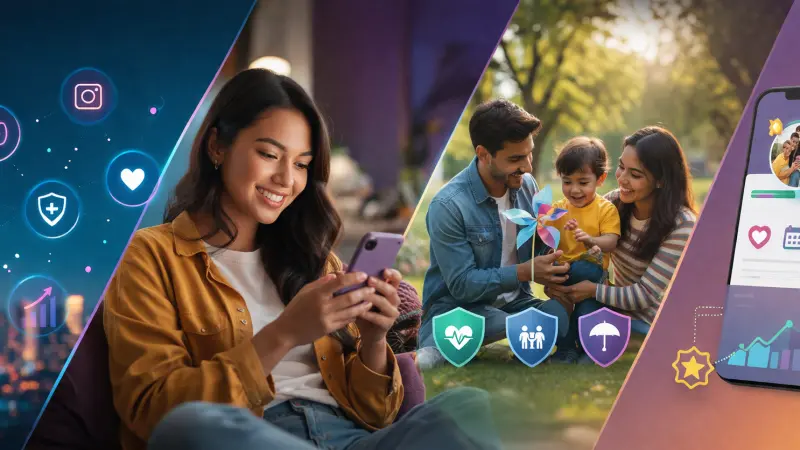
Why is it that a generation comfortable with managing their entire lives through a smartphone remains so hesitant to engage with traditional protection products? For many young adults in the United Kingdom, the concepts of mortality and long-term illness feel like distant abstractions, often overshadowed by the immediate pressures of the cost-of-living crisis and the property ladder. Consequently, traditional insurance for millennials marketing has often missed the mark by relying on fear-based narratives or complex terminology. To bridge this gap, the industry must evolve, moving away from legacy sales pitches toward authentic, value-driven communication. Engaging this demographic requires a fundamental shift in how life and health insurance are presented not as a burdensome cost, but as a vital component of a modern, proactive lifestyle strategy that supports mental and physical well-being.
The Digital-First Paradigm and Seamless User Journeys
In the UK, millennials are the first generation to have matured alongside high-speed mobile internet, which has fundamentally altered their expectations of service delivery. Marketing tactics that lead to a "call for a quote" landing page are increasingly ineffective; this cohort expects a fully digital, self-service experience. To engage millennials, insurance providers must market the "ease of use" as much as the coverage itself. This means highlighting streamlined application processes that use Big Data to reduce the number of medical questions, and providing instant, transparent pricing. A marketing strategy that prioritises "frictionless acquisition" resonates with a generation that values their time above all else. When protection is marketed as something that can be secured in under five minutes between coffee breaks, the psychological barrier to entry is significantly lowered.
Furthermore, the integration of social media platforms as educational hubs is no longer optional. Millennials do not typically browse insurance websites for fun; however, they do consume vast amounts of video content on platforms like YouTube, TikTok, and Instagram. Effective marketing tactics involve creating short-form, high-impact educational content that demystifies insurance jargon. For instance, explaining the difference between "term life" and "whole of life" through relatable scenarios—such as protecting a first mortgage—is far more effective than providing a PDF of terms and conditions. By using "snackable" content, insurers can meet millennials where they already spend their time, fostering brand familiarity and trust long before the consumer actually feels the need to click "buy." This long-term engagement strategy is essential for building a pipeline of future policyholders in an increasingly competitive digital marketplace.
The UX (User Experience) of the digital platform itself is also a primary marketing tool. If a millennial finds a mobile interface clunky or outdated, they will associate that lack of technical sophistication with a lack of reliability in the insurance product. Therefore, marketing campaigns should frequently showcase the intuitive nature of the brand’s app or website. Visual storytelling that highlights features like 24/7 digital GP access or mental health support through a smartphone app appeals directly to the millennial desire for utility. In this context, the insurance policy is marketed as a "digital health companion" rather than a static financial contract. This shift in positioning helps transition the product from a "grudge purchase" to an active service that provides daily value, regardless of whether a claim is ever made.
Authenticity, Social Proof, and the Power of Peer Influence
Millennials are arguably the most marketing-literate generation in history, possessing a highly tuned "scepticism radar" for corporate platitudes. Traditional celebrity endorsements or polished, high-budget television adverts often fail to resonate because they feel disconnected from reality. Instead, successful marketing tactics for life and health insurance now rely on authenticity and peer-to-peer validation. This involves leveraging "micro-influencers"—individuals with smaller but highly engaged followings who can speak honestly about their own experiences with financial planning. When a relatable individual discusses how critical illness cover provided a financial lifeline during a health scare, it carries far more weight than a corporate mission statement. This human-centric approach transforms insurance from a clinical product into a community-supported safety net.
Review culture is another critical component of the millennial decision-making process. Before committing to a policy, a UK millennial is likely to check Trustpilot, Google Reviews, and social media comments. Therefore, proactive reputation management is a core marketing tactic. Encouraging existing young policyholders to share their positive experiences—particularly regarding the claims process—can create a self-sustaining cycle of trust. Marketing materials should prominently feature these real-world testimonials. Additionally, addressing negative feedback publicly and constructively demonstrates a level of transparency that millennials highly value. By showing that a company is willing to listen and improve, insurers can build a level of brand loyalty that is based on mutual respect rather than just the lowest premium price.
Social responsibility and ethical business practices also weigh heavily on millennial minds. Marketing that highlights an insurer’s commitment to environmental, social, and governance (ESG) criteria can be a significant differentiator. For example, an insurance provider that invests its premiums in sustainable energy projects or supports local UK mental health charities is more likely to attract millennial customers who want their spending to align with their personal values.
"Values-based marketing" is not just a trend; it is a fundamental requirement for engaging a generation that views their purchasing power as a tool for social change. By communicating these ethical commitments clearly and authentically, insurance brands can move beyond price-based competition and establish a deeper, more meaningful connection with their target audience.
Incentivisation and Gamification of Health and Protection
The "gamification" of insurance is perhaps the most innovative marketing tactic used to engage younger adults. By linking health insurance premiums to physical activity tracked via wearable devices, insurers can create a dynamic and engaging relationship with the policyholder. Marketing these "activity-based rewards"—such as discounted gym memberships, free coffees, or reduced premiums for hitting step targets—appeals to the millennial interest in fitness and instant gratification. This transforms the insurer from a distant entity into a "wellness partner." The marketing narrative changes from "what happens when things go wrong" to "how we help you live your best life today." This proactive engagement model is particularly effective in the UK, where health-conscious millennials are increasingly looking for ways to supplement the NHS with private alternatives.
Gamification also provides a wealth of data that can be used for hyper-personalised marketing. Instead of sending generic monthly newsletters, insurers can send personalised "health reports" or congratulatory messages when a user reaches a fitness milestone. This constant, positive reinforcement keeps the brand at the forefront of the consumer’s mind in a non-intrusive way. From a marketing perspective, this creates multiple touchpoints throughout the year, rather than just at the annual renewal date. These touchpoints can be used to subtly introduce other relevant products, such as life insurance or income protection, in a way that feels like a natural progression of the user’s wellness journey. This strategy of "nurturing through value" is far more effective than cold-calling or aggressive email campaigns.
Moreover, flexible and modular policy structures are highly attractive to a generation known for the "gig economy" and career fluidity. Marketing tactics should highlight the ability to "dial up" or "dial down" coverage as life circumstances change, such as moving house, getting married, or having children. The idea of a "job for life" is gone, and millennials expect their insurance to be just as mobile as they are. Marketing insurance as a flexible subscription service—similar to Netflix or Spotify—rather than a rigid, lifelong commitment, aligns with contemporary consumption habits. By removing the fear of being "locked in," insurers can encourage more young people to start their protection journey earlier, knowing they have the freedom to adapt their coverage as their career and family life evolve.
Strategic Keywords for Millennial Insurance Engagement
- Primary Keyword: Insurance for millennials
- Secondary Keywords: Life insurance UK, millennial health cover, digital insurance trends, income protection for young adults, wellness-based insurance, protection gap UK.
- Semantic Keywords: Financial literacy for Gen Y, mobile-first protection, peer-to-peer insurance reviews, ethical insurance providers, gamified health rewards, frictionless insurance applications.
Addressing the Financial Literacy Gap through Content Marketing
One of the most significant hurdles in marketing to millennials is the prevailing lack of financial literacy regarding protection products. Many young people in Britain simply do not understand the difference between the various types of cover or the risks of remaining uninsured. Therefore, "content-led marketing" is essential. This involves creating high-quality, jargon-free guides, blog posts, and webinars that explain the "why" before the "how." For example, a campaign could focus on the "hidden costs of illness," explaining how income protection covers mortgage payments if one is unable to work. By providing genuine utility through education, an insurance brand positions itself as an authority and a helpful guide, rather than just a vendor. This builds a foundation of trust that is vital for long-term customer retention.
Content marketing must also address the "invincibility myth"—the common millennial belief that serious health issues only happen to older generations. Using data-driven infographics that show the reality of critical illness statistics among younger age groups can be a sobering and effective wake-up call. However, this must be balanced carefully to avoid being overly alarmist. The most effective approach is to pair these statistics with practical, affordable solutions. Marketing tactics that emphasize "affordable peace of mind" (e.g., "protect your future for the cost of a weekly takeaway") help to contextualise the expense and make it feel manageable within a tight budget. Clarity, relatability, and transparency are the three pillars of successful financial education for the millennial demographic.
Interactive tools, such as "risk calculators" or "coverage estimators," are also highly effective content marketing assets. Millennials enjoy interactive experiences that provide immediate, personalised results. A tool that allows a user to input their monthly expenses and see how long they could survive financially without an income creates a powerful "aha!" moment.
These tools should be marketed as a way to "take control" of one's financial future, tapping into the millennial desire for independence and self-reliance. When the consumer discovers the need for insurance through their own interaction with a tool, the subsequent "sales" message feels like a helpful recommendation rather than an external imposition. This self-discovery model is a cornerstone of modern, high-conversion insurance marketing.
Frequently Asked Questions
Why do millennials need life insurance?
Even if you don't have children, life insurance can protect a partner from mortgage debt or cover funeral costs, ensuring your loved ones aren't left with a financial burden.
Is health insurance worth it if we have the NHS?
Private health insurance for millennials often provides quicker access to specialists, private rooms, and digital GP services, which many find complements the NHS perfectly.
How can I make insurance more affordable?
Many UK insurers offer "wellness" discounts where you can lower your premiums by staying active and tracking your health through a wearable device.
What is the "protection gap" in the UK?
The protection gap refers to the large number of people who have no financial safety
net in place should they become unable to work due to illness or injury.
Can I manage my policy entirely on my phone?
Yes, most modern UK insurers now offer mobile apps that allow you to view documents, make claims, and access health rewards directly from your smartphone.
Is income protection different from life insurance?
Yes. Life insurance pays out a lump sum upon death, while income protection provides a monthly payment if you are unable to work due to illness or injury.
Are these marketing tactics ethical?
In the UK, the FCA ensures all insurance marketing is clear and fair. Tactics like gamification are designed to encourage healthier lifestyles, which benefits both the insurer and the customer.
The Future: AI-Driven Personalisation and Hyper-Relevance
As we look toward the future, the integration of Artificial Intelligence (AI) will take millennial insurance marketing to a new level of hyper-relevance. We are moving toward a world of "event-triggered" marketing, where an insurer can offer a specific product at the exact moment a consumer needs it, based on their digital footprint. For example, a millennial searching for "first-time buyer mortgages" could be served a highly targeted ad for life insurance that specifically mentions mortgage protection. This level of precision ensures that marketing spend is not wasted on disinterested parties and that the consumer is provided with solutions that are genuinely timely. In the UK’s sophisticated digital economy, the brands that can harness data to predict consumer needs will be the ones that capture the millennial market.
AI will also enable "conversational commerce" through advanced chatbots that can handle complex insurance queries in real-time. For a generation that often prefers messaging over talking on the phone, this is a game-changer. Marketing these chatbots as "24/7 personal protection assistants" appeals to the millennial need for immediate answers. These AI assistants can guide a user through the entire policy selection process, providing personalised recommendations based on the user’s specific life stage and risk profile. This reduces the cognitive load on the consumer and makes the process of buying insurance feel more like a guided conversation and less like a daunting financial transaction. The focus remains on empowering the user through technology.
Finally, the rise of "embedded insurance" where protection is included as a part of other products or services—will change the marketing landscape. Instead of marketing insurance as a standalone product, it will increasingly be marketed as a "feature" of a bank account, a car lease, or even a wellness app.
This "invisible" insurance model is perfectly suited to the millennial preference for bundled, convenient services. Marketing will shift toward highlighting the comprehensive nature of these ecosystems, where protection is simply a natural, integrated part of a modern lifestyle. As the boundaries between financial services, health, and retail continue to blur, the most successful insurance brands will be those that integrate themselves seamlessly into the daily digital lives of their customers.
Adapting to these shifting digital expectations is vital for businesses across all sectors within the UK. In an era where online credibility defines success, maintaining a strong digital footprint is essential for reaching younger audiences. For enterprises looking to enhance their visibility or for consumers searching for reputable services, utilizing a Local Page UK provides a significant advantage. Such platforms function as a free business search directory and a free company search directory, enabling specialist insurance brokers and financial advisors to be easily found by millennial shoppers. Listing your services in a company directory online ensures that your brand remains competitive and accessible. To take the next step in improving your online visibility and reaching a broader demographic, you can register for a verified business directory listing today.
Disclaimer: The information provided in this article is for general informational and research purposes only. Company details, features, services, and market positions may change over time. Readers are advised to visit official company websites and conduct independent research before making any business decisions or purchasing services.
Most Searchable Keywords
Recent Blogs


Related Listings
Categories
- Accountants (295)
- Advertising Agencies (559)
- Architects (149)
- Automobiles (377)
- Beauty (300)
- Carpenters (146)
- Cleaning Services (387)
- Dentists (189)
- Driving (62)
- Electricians (215)
- Energy (8)
- Event Organiser (686)
- Finance (602)
- Guide (3375)
- Health (2207)
- Information technology (206)
- Legal Services (354)
- Logistics (6)
- Maintenance (65)
- Manufacturing (35)
Sponsored Listings in Web Developers



Related Blogs

BBC Radio 2 Presenters Family Age and Net Wor...
Read this insightful article "BBC Radio 2 Presenters Family Age and Net Worth Guide" to expand your knowledge!

Step-by-Step Guide to Claiming a TV Licence D...
Read this insightful article "Step-by-Step Guide to Claiming a TV Licence Discount or Exemption" to expand your knowledge!

Meet the Fair Work Agency Changing UK Work Ru...
Read this insightful article "Meet the Fair Work Agency Changing UK Work Rules in 2026" to expand your knowledge!
Questions & Answers – Find What
You Need, Instantly!
How can I update my business listing?
Is it free to manage my business listing?
How long does it take for my updates to reflect?
Why is it important to keep my listing updated?
