
What to Look for in a Dependable Vehicle Breakdown & Recovery Service
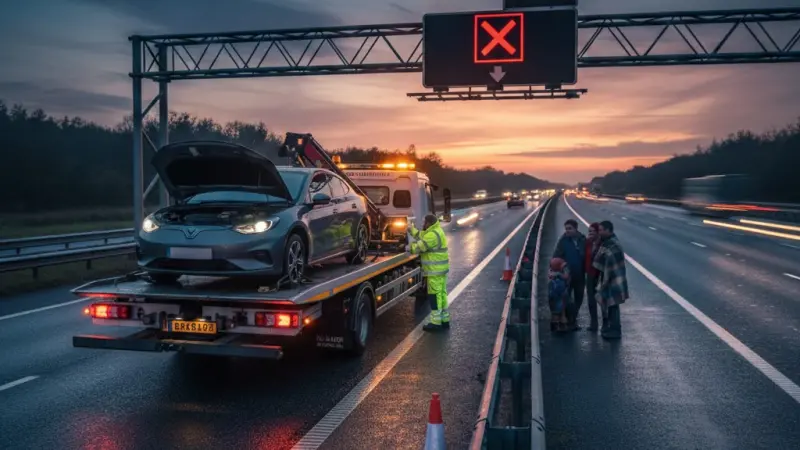
The vehicle breakdown and recovery sector is a cornerstone of the United Kingdom’s infrastructure, acting as the invisible safety net that keeps the nation’s economy moving. Every year, millions of motorists find themselves stranded on the hard shoulder of a motorway or in a quiet country lane, relying on the swift response of recovery professionals to ensure their safety and the continuity of their journey. Beyond the immediate relief provided to an individual driver, the industry plays a vital role in national logistics. When a commercial heavy goods vehicle (HGV) breaks down, it isn't just a single driver affected; it is a supply chain bottleneck that can impact supermarkets, hospitals, and construction sites across the country.
Economically, the breakdown and recovery sector contributes significantly to the UK’s GDP. It encompasses a vast network ranging from multinational corporations with massive fleets to small, family-run independent garages. For the modern consumer, navigating this landscape requires more than just a phone number; it requires an understanding of service level agreements, safety standards, and regional availability. In an age where digital convenience is paramount, many motorists turn to a uk business directory website to vet providers before they ever need to make that emergency call.
The importance of this sector has only intensified as vehicle technology becomes more complex. We are no longer in an era where a simple toolkit and basic mechanical knowledge can solve every roadside issue. The rise of sophisticated Engine Control Units (ECUs), hybrid powertrains, and high-voltage electric vehicle (EV) batteries means that recovery is now a highly specialized field requiring constant investment in training and equipment. As we delve into this guide, we will explore the nuances of the industry, from market trends to the technical criteria that define a truly "dependable" service provider.
The Landscape of Breakdown & Recovery in the UK
The UK breakdown and recovery market is a multi-billion pound industry characterized by high competition and a shift toward technological integration. Currently, the market is split between the "Big Three" clubs—which operate on a subscription model—and a robust independent sector that often serves as the backbone for local communities. Post-pandemic, the landscape has evolved significantly. While the lockdowns of 2020 saw a temporary dip in traffic volume, the subsequent "staycation" boom and the return to office-based work have led to a surge in demand.
Key regions of activity remain centered around the major arterial routes, specifically the M1, M6, and M25 corridors, where the density of traffic necessitates a high concentration of recovery assets. However, rural areas in the South West and Northern Scotland present different challenges, requiring specialized off-road recovery capabilities. The industry has also seen a trend toward consolidation, with larger firms acquiring local operators to expand their geographic footprint. For consumers and B2B partners alike, identifying the most reliable operators in these regions is simplified by using a uk local business directory to compare localized service metrics.
In the post-pandemic era, the industry has also had to grapple with a shortage of skilled technicians and rising fuel costs. This has forced many providers to optimize their dispatch logic, using AI-driven software to ensure the nearest available unit is sent to a breakdown. This evolution from a "call and wait" model to a data-driven "real-time tracking" model has set a new standard for what motorists expect. A dependable service is now defined not just by the ability to tow a car, but by the transparency and speed of the communication throughout the recovery process.
Comprehensive Services Breakdown
To the uninitiated, "breakdown recovery" sounds like a singular service. In reality, it is a suite of distinct products designed to handle various contingencies. Understanding these is essential for any motorist or fleet manager looking to secure the right level of protection.
Roadside Assistance and Repair
This is the most common service, where a technician attempts to fix the vehicle at the scene. This includes battery jump-starts, wheel changes, and minor mechanical adjustments. The goal is "fix-to-finish," allowing the driver to continue their journey without a tow.
National Recovery and Home Start
If a roadside fix is impossible, national recovery ensures the vehicle and its passengers are transported to any destination in the UK. "Home Start" is a specific add-on that covers breakdowns occurring at or within a short distance (usually one mile) of the driver’s home—a frequent occurrence during cold winter months when batteries often fail.
Specialist EV Recovery
With the rapid adoption of electric vehicles, specialized recovery has become a necessity. EVs cannot be towed in the traditional sense due to the risk of damaging the electric motors; they often require "total lift" flatbed trailers. Furthermore, technicians must be IMI-certified to work around high-voltage systems safely. For those looking for specialized providers, checking a business listing uk can help identify local garages that have invested in this niche equipment.
Commercial and HGV Recovery
Heavy recovery requires specialized "winch and underlift" vehicles capable of moving 44-tonne trucks. This sub-sector is highly regulated and
requires operators to be available 24/7 to clear motorways quickly, minimizing the economic impact of traffic jams.
Misfuelling and Key Assistance
Human error remains a major driver of the recovery business. Services now frequently include dedicated mobile units to drain fuel tanks for drivers who have put petrol in a diesel car (or vice versa), as well as locksmith services for those who have locked their keys inside the vehicle.
How to Choose the Right Service Provider
Selecting a recovery partner is a decision that should be made with a "worst-case scenario" mindset. Relying on the first result in a search engine during an emergency can lead to exorbitant costs and subpar safety standards. Instead, savvy consumers should look for specific indicators of quality.
Accreditations and Insurance: A dependable provider should hold PAS 43 (the industry standard for safe working on the roadside) and ISO 9001 certifications. Furthermore, they must have comprehensive "Public Liability" and "Goods in Transit" insurance. Without these, the vehicle owner may be liable for damages during the recovery process.
Local Reputation and Reviews: While national brands offer scale, local independent operators often provide faster response times in specific areas. The best way to vet these operators is through uk verified business listings, which highlight established firms with a track record of reliability. Look for reviews that specifically mention response times and the professionalism of the driver.
Fleet Capability: Does the provider own their trucks, or are they a "middleman" who subcontracts the work? Direct operators usually have better control over their service levels. Additionally, check if they offer "dual-cab" recovery, ensuring that if you are traveling with a family of five, the recovery truck can actually accommodate all passengers.
Pricing Transparency: Avoid "pay-on-use" services that do not provide a clear quote upfront. A reputable firm will have a clear pricing structure based on mileage and the time of day.
Industry Challenges & Future Outlook
The UK recovery industry is at a crossroads, facing both regulatory pressure and technological disruption. One of the primary challenges is the "Smart Motorway" controversy. The removal of the hard shoulder on many sections of the M-network has made roadside recovery significantly more dangerous. Industry bodies are currently lobbying for better "Red X" enforcement and more frequent Emergency Area (EA) laybys to protect recovery workers.
Sustainability and Green Initiatives: The "green" shift is no longer optional. Recovery operators are under pressure to reduce their own carbon footprints. We are beginning to see the introduction of electric recovery trucks for urban environments, though the weight of batteries remains a challenge for heavy-lift vehicles. Many firms are now listed in a free business listing site uk specifically to highlight their eco-friendly credentials to corporate clients who have strict ESG (Environmental, Social, and Governance) requirements.
Technological Shifts: Telematics and "Connected Cars" are changing how breakdowns are reported. In the near future, your car may automatically alert a recovery provider to a fault code before you even realize there is an issue. This "predictive maintenance" model will shift the industry from reactive to proactive, though it requires significant investment in data security and software integration.
Business Tips for Breakdown & Recovery Professionals
For the independent recovery operator, technical skill is only half the battle; the other half is visibility. In a hyper-local industry, if you aren't visible when a driver is searching their phone on the side of the road, you don't exist.
Digital Visibility and SEO: Local SEO is the lifeblood of a recovery business. Your website must be mobile-optimized and load lightning-fast. However, organic search is competitive.
A more efficient way to gain traction is to ensure your business is present in uk trade services listings. These platforms act as a shortcut for consumers who trust a curated directory over a random search result.
The Importance of Local Identity: While you want to look professional, don't lose your local appeal. Highlight your knowledge of the local area, your response times to specific landmarks, and your involvement in the community.
Diversification: To maintain steady cash flow, many recovery businesses also offer MOTs, servicing, and vehicle storage. This "total car care" approach ensures that even when the sun is shining and breakdowns are low, the garage remains busy. Marketing these additional services through a local network is essential for long-term sustainability.
Wrapping Up & Local Page Integration
The vehicle breakdown and recovery sector remains an essential pillar of British life. Whether it’s an individual driver being rescued from a rainy motorway or a logistics firm keeping its fleet on the move, the value of a dependable recovery service cannot be overstated. As the industry continues to professionalize and adapt to the challenges of EVs and smart motorways, the distinction between "cheap" and "dependable" will become even clearer.
For the motorist, the key to peace of mind is preparation. For the recovery professional, the key to success is being found. In both cases, a high-quality uk b2b business directory serves as the bridge. Platforms like Local Page UK provide the infrastructure necessary for businesses to showcase their accreditations and for consumers to find the help they need within minutes. In a world that never stops moving, having a trusted partner to get you back on the road is the ultimate luxury.
Boost Your Visibility with Local Page UK
In the fast-paced world of breakdown and recovery, every second counts—especially when it comes to being discovered by a stranded motorist. If you operate a recovery service, garage, or specialized automotive business in the UK, your digital presence is your most valuable asset. Competition is fierce, and relying on word-of-mouth isn't enough to sustain growth in the digital age.
By choosing to claim your business listing uk, you position your brand in front of a targeted audience actively searching for automotive solutions. Local Page UK offers a streamlined, authoritative platform that helps you build trust through verified information and localized search optimization. Don't let your competitors take the lead; join the premier directory for UK service providers today.
Frequently Asked Questions
1. What is the average response time for a recovery service in the UK?
In the UK, the industry standard for an emergency roadside response is typically between 45 and 90 minutes. However, this varies significantly based on your location, the time of day, and weather conditions. During peak "rush hour" periods or severe winter storms, wait times can increase. Professional recovery services prioritize vulnerable motorists, such as those stranded on motorways or those traveling with young children or elderly passengers. A dependable provider will give you an accurate Estimated Time of Arrival (ETA) and provide a tracking link so you can see the recovery vehicle's progress in real-time.
2. Is roadside assistance different from vehicle recovery?
Yes, there is a distinct difference. Roadside assistance refers to a technician attempting to repair your vehicle at the location where it broke down. This usually involves "quick fixes" like changing a tyre, jump-starting a battery, or minor engine adjustments. Vehicle recovery, on the other hand, occurs when the vehicle cannot be repaired on-site. In this scenario, the vehicle is loaded onto a flatbed or towed to a local garage, your home, or a designated destination. Most comprehensive policies include both, but basic policies might only offer one or the other.
3. Can electric vehicles (EVs) be towed like traditional cars?
Generally, no. Most electric vehicles should not be towed with the wheels on the ground because the electric motors are often permanently connected to the wheels and do not have a "neutral" gear in the traditional sense. Rotating the wheels can generate electricity and cause the motor to overheat or damage the high-voltage system.
For this reason, EVs usually require a "total lift" recovery vehicle, where the entire car is placed on a flatbed trailer. It is essential to inform your recovery provider that you drive an EV to ensure they send the correct equipment.
4. What should I do if my car breaks down on a Smart Motorway?
Breaking down on a Smart Motorway without a hard shoulder is a high-risk situation. You should try to reach an Emergency Area (EA) if possible. If you cannot, pull as far to the left as possible, turn on your hazard lights and sidelights, and if safe, exit the vehicle via the left-hand door. Move behind the crash barrier and stay well away from the moving traffic. Call the emergency services or your recovery provider immediately. Do not attempt any repairs yourself, even a simple tyre change, as the risk from passing traffic is extremely high.
5. How can I find a reputable local recovery service near me?
The most effective way to find a reliable local provider is to use a curated directory that verifies business details. Rather than trusting unverified social media ads, look for services listed on Localpage. This allows you to see established businesses in your specific area, check their service offerings, and ensure they have a professional presence. A reputable local firm will often have better knowledge of regional backroads and can sometimes offer faster response times than national call centers that have to dispatch from further away.
6. Do I need a specific policy for HGV or van recovery?
Standard breakdown policies almost always exclude commercial vehicles over a certain weight (usually 3.5 tonnes). If you operate a van for business or a heavy goods vehicle, you require a specialist commercial recovery policy. These policies take into account the specialized equipment needed to lift heavy loads and the specific legal requirements for commercial drivers. Commercial recovery providers also understand the importance of "uptime," often offering guaranteed response times to ensure that business disruptions and delivery delays are kept to an absolute minimum.
7. What is PAS 43 and why does it matter?
PAS 43 is the "Publicly Available Specification" for the safe working of vehicle breakdown and recovery operations. It is the gold standard for the industry in the UK. When a company is PAS 43 certified, it means they follow strict safety protocols, their equipment is regularly inspected and fit for purpose, and their technicians are properly trained in roadside safety. Choosing a provider with this accreditation significantly reduces the risk of accidents during the recovery process and ensures that the technician working on your vehicle is a qualified professional.
8. Are recovery services available 24/7 throughout the year?
Most professional recovery services operate 24 hours a day, 365 days a year, including Christmas and New Year. Breakdowns do not keep office hours, and the peak times for recovery are often during the coldest nights or the hottest summer days. When selecting a provider, ensure they have a genuine 24/7 dispatch center and not just an automated voicemail. Reliability is defined by the ability to get help at 3 AM on a rainy Tuesday just as easily as on a Saturday afternoon.
9. What happens if I misfuel my car?
Misfuelling—putting petrol in a diesel car or vice versa—is a common mistake that requires a specific "Fuel Drain" service. Do not start the engine if you realize you have used the wrong fuel, as this can circulate the contaminated fuel and cause thousands of pounds in damage to the fuel pump and injectors. Many recovery companies have dedicated mobile units equipped with specialized pumping equipment to drain and flush your tank at the petrol station, allowing you to refuel correctly and continue your journey without a tow.
10. Does breakdown cover follow the driver or the vehicle?
This depends entirely on the type of policy you have purchased. "Vehicle Cover" stays with the specific car, meaning anyone driving that vehicle is covered if it breaks down. "Personal Cover" follows the individual, meaning you are covered regardless of which car you are driving or even if you are a passenger in someone else's car. For families with multiple cars, personal cover is often more cost-effective, whereas vehicle cover is the standard choice for single-car households or business fleets.
11. What is "Home Start" coverage?
"Home Start" is an optional add-on to many breakdown policies. Standard policies often exclude breakdowns that occur within a short distance (usually 1/4 to 1 mile) of your registered home address. Since many car batteries fail on the driveway on cold mornings, Home Start is a vital feature for those who rely on their car for a daily commute. It ensures a technician will come to your house to get the car started or tow it to a garage if it refuses to turn over at home.
12. Can a recovery service fix a car on the motorway?
While technicians can perform minor tasks like changing a wheel or jump-starting a battery on the motorway, they will generally avoid complex mechanical repairs for safety reasons. The "live" environment of a motorway is extremely dangerous. If the fault cannot be fixed within a very short timeframe (usually 20-30 minutes), the standard procedure is to recover the vehicle to a safer location, such as a motorway service station or a local garage, to complete the work or arrange further transport.
13. What details should I have ready when calling for recovery?
To speed up the process, you should have your vehicle registration number, your exact location (using a smartphone "pin," a road name, or a motorway marker post), a brief description of the fault, and a contact phone number. If you are in a dangerous position, such as a live lane of traffic, make this clear immediately so the dispatcher can alert the police and prioritize your recovery. Additionally, let them know if there are any passengers with special needs or if you are carrying pets.
14. Are there any items I should keep in my car for a breakdown?
Yes, being prepared can make a breakdown much more bearable. It is recommended to keep a "breakdown kit" in your boot, including a high-visibility jacket for every passenger, a warning triangle (though not for use on motorways), a torch with spare
batteries, a portable phone power bank, a warm blanket, and some bottled water. Having these items ensures you stay safe and warm while waiting for the recovery vehicle to arrive, especially during the winter months.
15. Why is digital presence important for local recovery firms?
In the modern era, the physical "Yellow Pages" have been replaced by digital searches. When a breakdown occurs, the driver's first instinct is to search on their smartphone. If a local recovery firm does not have a professional online presence or isn't listed in a trusted Local page directory, they will miss out on the majority of emergency call-outs. Being easily discoverable online is the difference between a thriving business and one that struggles to find new customers.
Disclaimer: The information provided in this article is for general informational and research purposes only. Company details, features, services, and market positions may change over time. Readers are advised to visit official company websites and conduct independent research before making any business decisions or purchasing services.
Most Searchable Keywords
Recent Blogs


Related Listings
Categories
- Accountants (295)
- Advertising Agencies (559)
- Architects (149)
- Automobiles (377)
- Beauty (300)
- Carpenters (146)
- Cleaning Services (387)
- Dentists (189)
- Driving (62)
- Electricians (215)
- Energy (8)
- Event Organiser (686)
- Finance (602)
- Guide (3373)
- Health (2207)
- Information technology (206)
- Legal Services (353)
- Logistics (6)
- Maintenance (65)
- Manufacturing (35)
Sponsored Listings in Travel Agencies



Related Blogs

Explore Dog Friendly Walks in the Cotswolds f...
Read this insightful article "Explore Dog Friendly Walks in the Cotswolds for 2026" to expand your knowledge!

How Much Do UK Actors Really Earn Full Indust...
Read this insightful article "How Much Do UK Actors Really Earn Full Industry Breakdown" to expand your knowledge!

Blue Light Card UK 2026 Check Eligibility and...
Read this insightful article "Blue Light Card UK 2026 Check Eligibility and Claim" to expand your knowledge!
Questions & Answers – Find What
You Need, Instantly!
How can I update my business listing?
Is it free to manage my business listing?
How long does it take for my updates to reflect?
Why is it important to keep my listing updated?
