
Who Are the UKs Wealthiest Musicians in 2026
- 👤 Ryan Reynolds
- 👁️ 37 Views
- Last Updated: July 30, 2026
- 🏷️ News
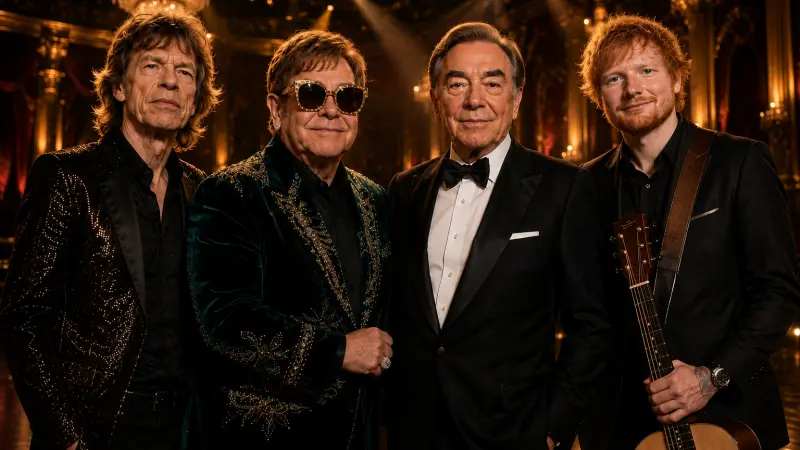
When corporate event planners, brand directors, and investment firms look at the entertainment landscape, they do not just see artists; they see multinational enterprises. To Meet the UK's Wealthiest Musicians in 2026 is to understand complex corporate structures, intellectual property portfolios, and highly lucrative touring models. The British music market remains one of the most powerful cultural and economic exports in the world, generating billions in revenue through live events, publishing rights, and commercial endorsements.
For commercial buyers whether you are a brand seeking alignment, a sync licensing agency, or a private corporate buyer understanding the financial architecture of these individuals is paramount. This comprehensive industry guide provides deep market insights, entity-rich commercial guidance, and strategic evaluation criteria based on the most recent financial data.
Industry Overview: The Business of Music in 2026
The landscape for the richest British music stars has shifted dramatically over the past decade. Wealth is no longer solely derived from physical album sales or basic touring. Today's elite artists operate as diversified holding companies. Their income streams are split across mechanical royalties, performance rights, real estate portfolios, venture capital investments, and back-catalogue sales.
In 2026, we have witnessed unprecedented valuations for music rights. Legacy acts have leveraged their historical catalogues, selling publishing and master rights to private equity firms and specialist music funds for hundreds of millions of pounds. Simultaneously, active touring artists are utilising dynamic ticketing and VIP hospitality packages to maximise gross revenues on stadium tours.
Current UK Trends and Market Insights
The UK music industry net worth has seen a notable consolidation at the very top. The financial gap between the top 1% of artists and the rest of the market continues to widen. Key commercial trends for 2026 include:
-
Catalogue Monetisation: Heritage artists are generating massive wealth without releasing new material, relying instead on streaming algorithms and film/television sync placements to rejuvenate classic tracks.
-
Brand Equity: The top artists are no longer just faces for campaigns; they demand equity stakes in the businesses they endorse.
-
Live Sector Dominance: Despite economic headwinds, stadium tours remain recession-proof for heritage and mega-pop acts, generating unprecedented box office receipts.
These trends make managing UK music acts at the highest level more akin to running a FTSE 100 company than traditional talent representation.
Market Leaders: The Top 5 Financial Heavyweights
We have isolated the top five individuals who dominate the financial landscape. These five entities represent the absolute pinnacle of commercial success in UK music.
1. Paul McCartney
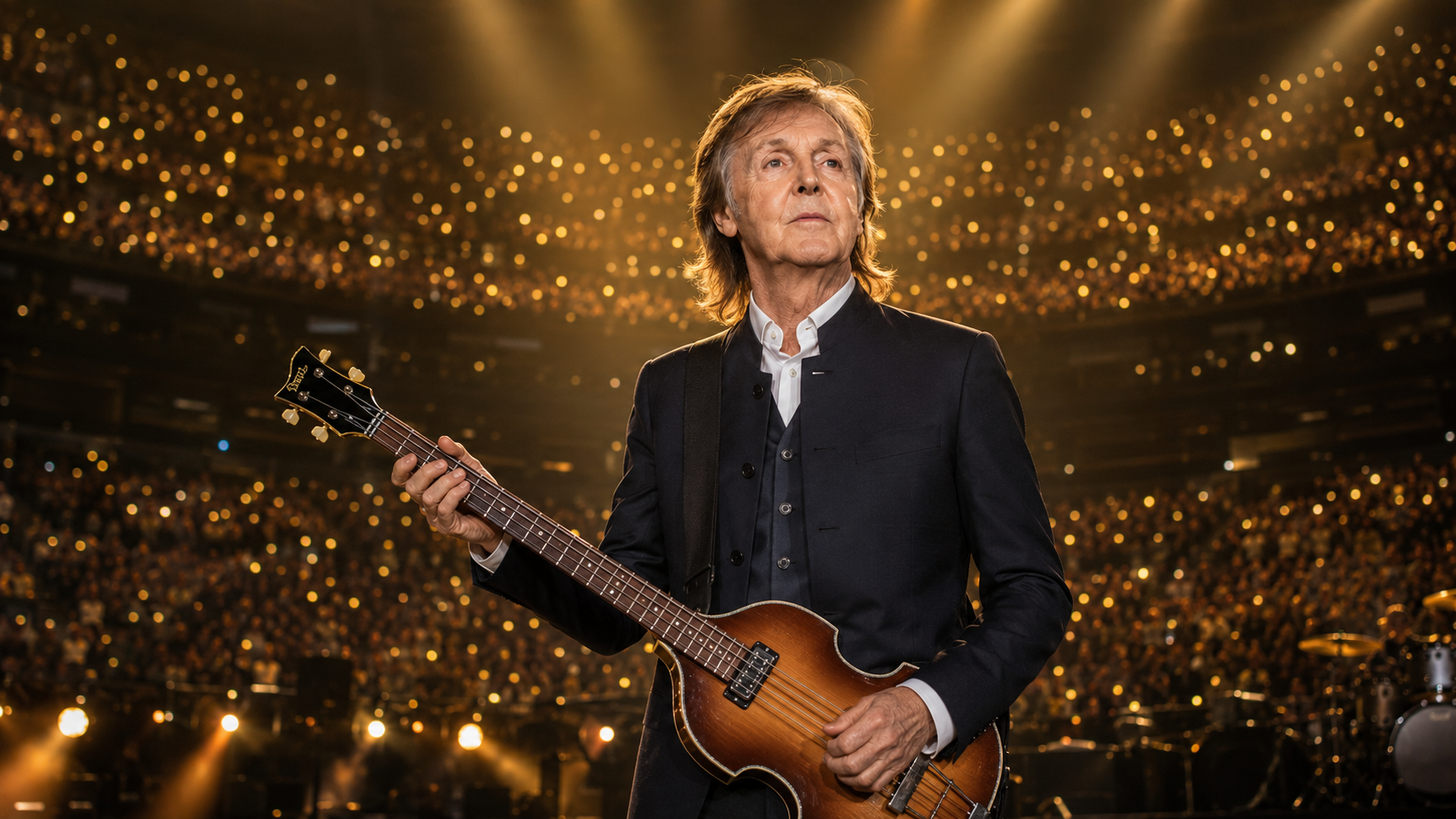
As a foundational pillar of modern popular music, Paul McCartney stands alone in his financial achievements. He remains the definitive British music billionaire, a status he officially achieved in 2024 and maintained through 2025 and 2026,.
-
Net Worth:£1.055 billion.
-
Estimated Salary / Annual Earnings: £25 million to £60 million per annum, driven heavily by global touring and publishing,.
-
Social Profiles: Active heavily on Instagram (@paulmccartney) with over 5.1 million followers, driving high engagement for tour announcements and merchandise.
-
Deep Research Content: His immense wealth is a masterclass in IP management. His recent 'Got Back' world tour contributed heavily to a £25 million year-on-year wealth increase. Furthermore, his publishing catalogue is constantly revitalised; recently, a high-profile cover of his 1968 track 'Blackbird' drove 14 million US streams in a single week, adding significantly to his mechanical royalties. His estate management, combined with his wife's corporate interests, solidifies his position as a corporate juggernaut.
2. Andrew Lloyd Webber

Operating primarily in the theatrical sector, Andrew Lloyd Webber demonstrates the immense yield of owning
both the intellectual property and the physical venues where that property is exploited.
-
Net Worth:£516 million,.
-
Estimated Salary / Annual Earnings:Variable, but historically reported to increase by £16 million year-on-year based on box office receipts and licensing.
-
Social Profiles: Maintains a professional presence across major platforms, utilising digital channels to promote West End and Broadway productions to a highly targeted, affluent demographic.
-
Deep Research Content: He has consistently ranked as one of the top earning UK musicians due to his ownership of the Really Useful Group. He benefits from a vertically integrated business model—he writes the scores, produces the shows, and operates the theatres. His wealth saw an £80 million surge in previous years, proving the timeless commercial viability of productions like The Phantom of the Opera and Cats.
3. Elton John

A pioneer of the modern stadium tour and Las Vegas residency, Elton John represents the gold standard for sustained commercial appeal over five decades.
-
Net Worth:£480 million,.
-
Estimated Salary / Annual Earnings: Estimated at up to £50 million annually during active tour cycles.
-
Social Profiles: Highly active and influential social media presence (@eltonjohn), leveraging his platforms to champion social causes, promote new collaborations, and drive physical media sales.
-
Deep Research Content: As one of the wealthiest singers in the UK, his financial strategy has relied on a mix of relentless global touring, smart back-catalogue management, and extensive real estate investments. His final multi-year farewell tour was one of the highest-grossing in history. Furthermore, his strategic collaborations with younger artists ensure his back catalogue remains relevant to algorithmic streaming playlists, maintaining high ongoing royalty cheques.
4. Mick Jagger
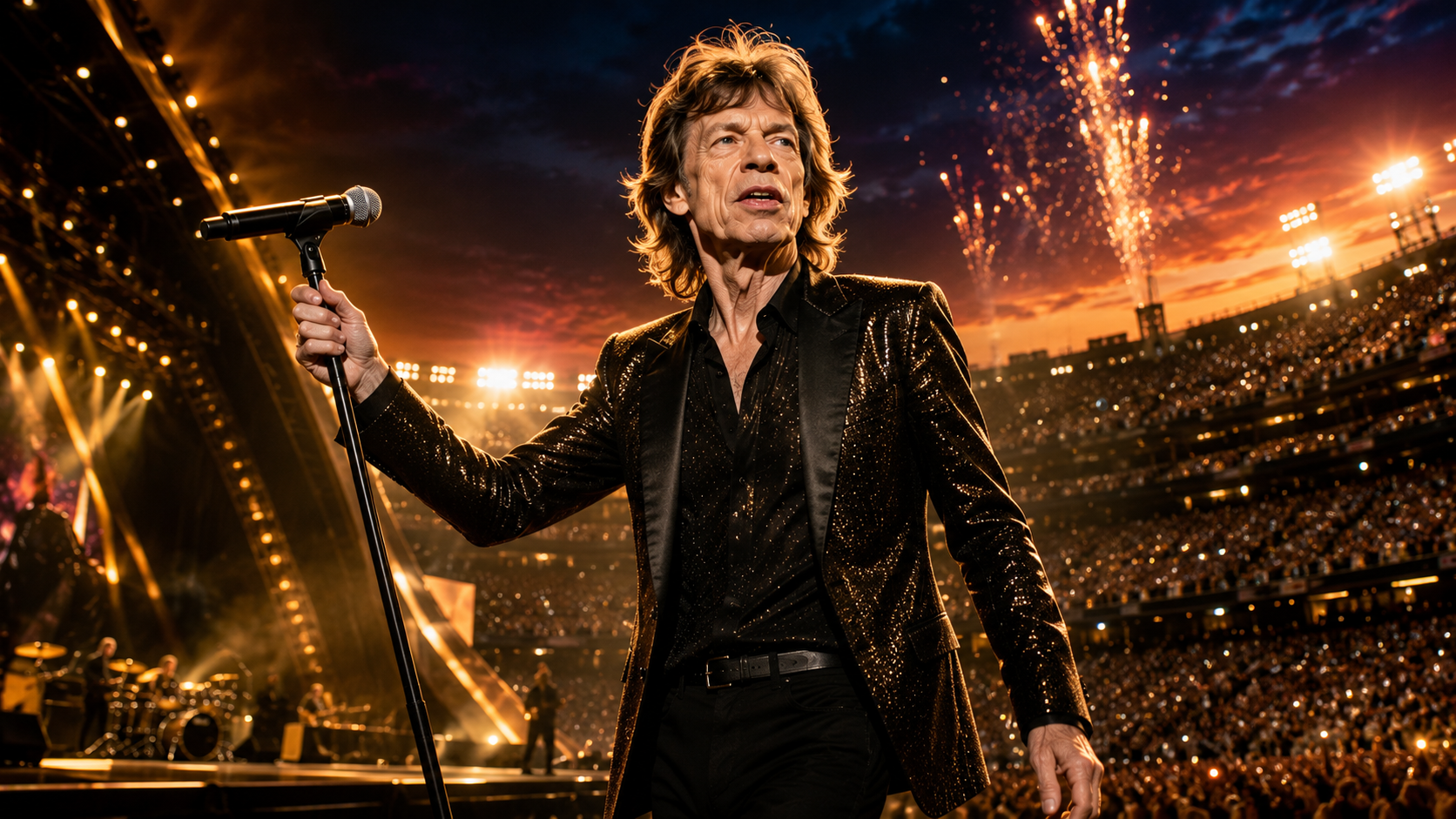
As the ultimate frontman, Mick Jagger's financial profile is built on the foundation of the world's most enduring rock brand.
-
Net Worth:£450 million,.
-
Estimated Salary / Annual Earnings:Estimated at £25 million in recent annual increases, heavily tied to stadium tour cycles.
-
Social Profiles: A curated presence (@mickjagger) that balances personal branding with corporate tour marketing for his band's global operations.
-
Deep Research Content: He is consistently ranked among the wealthiest British rock stars. The commercial machinery behind his band operates with extreme efficiency, pioneering corporate sponsorships in live music, VIP ticketing tiers, and global merchandise licensing. His personal wealth is heavily supplemented by a sophisticated real estate portfolio and private investments, demonstrating a highly risk-averse approach to wealth preservation.
5. Ed Sheeran

Representing the modern era of the music industry, Ed Sheeran has built a staggering
fortune in a fraction of the time it took his heritage counterparts.
-
Net Worth:£410 million,.
-
Estimated Salary / Annual Earnings: Over £30 million annually, with past years seeing jumps of £80 million during peak global stadium tours.
-
Social Profiles:Commands a massive digital footprint (@teddysphotos) with nearly 48 million Instagram followers and over 59 million YouTube subscribers, generating up to an estimated $234,000 monthly purely from digital platform monetisation,.
-
Deep Research Content: He is the definitive blueprint for modern highest paid British artists. His Divide tour grossed over £775 million, making it one of the most lucrative in history.His upcoming 2026 Loop Tour across 26 North American stadiums is projected to add tens of millions to his net worth.Beyond touring, his wealth is protected by investments in nearly 30 London properties, a minority stake in a professional football club, and his own record label, Gingerbread Man Records.
Commercial Guidance: Procurement and Brand Alignment
For corporate entities looking into booking top UK music talent for private events, or seeking extensive UK music brand partnerships, these five figures represent the absolute apex of the market. Engaging with talent at this level requires an understanding of their specific commercial requirements and risk profiles.
Buying Considerations for Corporate Agencies
When dealing with the Sunday Times Rich List musicians, standard talent procurement rules do not apply. Buyers must consider:
-
Lead Times: Talent of this magnitude operates on 18-to-24-month planning cycles.
-
Production Logistics: Booking top-tier talent requires underwriting massive logistical costs, including private aviation, specialized security, and stadium-level production scaling even for private corporate environments.
-
Equity vs. Fee: Traditional flat fees are often dismissed in favour of equity stakes or revenue-sharing models for long-term brand partnerships.
Supplier Comparison Advice
Evaluating these "suppliers" of entertainment requires mapping their brand equity against your corporate objectives.
| Artist / Entity | Core Commercial Offering | Target Demographic | Primary Revenue Stream | Brand Alignment Strength |
| Paul McCartney | Legacy prestige, global universality | 35 - 75+ (High Net Worth) | Touring, Back-Catalogue | Heritage luxury, global finance |
| Andrew Lloyd Webber | Theatrical rights, bespoke composition | 40 - 70+ (Cultured Urban) | West End/Broadway Box Office | Arts, tourism, high-end hospitality |
| Elton John | High-fashion aesthetic, philanthropy | 25 - 70+ (Broad inclusive) | Live Residencies, Royalties | Fashion, progressive corporate brands |
| Mick Jagger | Rebellious luxury, enduring stamina | 45 - 75+ (Affluent Rock) | Stadium Tours, Merchandising | Automotive, premium lifestyle brands |
| Ed Sheeran | Relatable authenticity, mass pop appeal | 15 - 50 (Mass Market) | Streaming, Stadium Tours | FMCG (e.g., FMCG foods), sports, retail |
Expert Tips for Talent Investment
For agencies looking to partner with mega-stars, consider these expert tips to ensure a high return on investment:
-
Look Beyond the Follower Count: While social reach is important, evaluate the artist's conversion rate. An artist with highly engaged fans will drive more retail sales than one with passive algorithmic listeners.
-
Align with Album Cycles: To maximise Meet the UK's Wealthiest Musicians in 2026 data, time your brand partnerships to coincide with major tour announcements or album releases to draft off their organic PR momentum.
-
Secure Multi-Territory Exclusivity: Ensure your contract restricts the artist from endorsing competitor
brands globally, not just in the UK market.
Common Mistakes in Music Brand Partnerships
Corporate buyers frequently make costly errors when engaging high-net-worth talent:
-
Underestimating Rider Costs: Failing to budget for the complex technical and hospitality riders demanded by billionaire-tier artists.
-
Misunderstanding IP Ownership: Assuming that hiring the artist grants the right to use their back catalogue in your advertising. Publishing and master rights are often held by third-party corporations and require separate, highly expensive licensing negotiations.
-
Forcing Brand Voice: Demanding that established artists alter their natural tone of voice for social media deliverables, resulting in inauthentic campaigns that alienate consumers.
Benefits and Challenges of Elite Talent Alignment
The Benefits
Partnering with the absolute top tier of British music guarantees immediate global visibility. These artists provide instant credibility, unparalleled media reach, and the ability to cut through saturated digital advertising markets. They bring a built-in, loyal consumer base that trusts their commercial choices.
The Challenges
The primary challenge is the sheer capital required for entry. Furthermore, the power dynamic in negotiations is inverted; the artist dictates the terms, not the corporate buyer. There is also the inherent reputational risk; while these specific five artists are seasoned professionals, any brand aligned with a human entity takes on the risk of potential PR controversies or sudden tour cancellations due to health, which can derail multi-million-pound marketing campaigns.
Selection Criteria for Commercial Licensing
When evaluating whose music to license for global campaigns, commercial buyers must employ rigorous selection criteria:
-
Lyrical Relevance: Does the track directly support the commercial narrative?
-
Demographic Penetration: Does the artist's core audience match your target consumer profile?
-
Budgetary Scope: Can your campaign support the sync fees demanded by these top five entities, which regularly reach into the high six figures for a single 30-second commercial placement?
By understanding these dynamics, buyers can safely navigate the complex, lucrative world of top-tier British musical talent.
Frequently Asked Questions
1. Who is the absolute richest musician in the UK in 2026?
Sir Paul McCartney holds the top position, maintaining his status as a billionaire with an estimated net worth of £1.055 billion.
2. How do heritage artists continue to increase their wealth without releasing new albums?
They rely heavily on back-catalogue monetisation, lucrative sync licensing for film and television, and global stadium tours that command high ticket prices.
3. Are social media earnings a major factor for these legacy acts?
While older acts use social media primarily for tour marketing, modern acts leverage it directly for income. For example, some top artists can generate hundreds of thousands of pounds monthly through YouTube and Instagram monetisation alone.
4. Why are commercial partnerships so expensive with these specific artists?
You are paying for decades of built-in global brand equity. These artists do not need the money, so their baseline fees are set exceptionally high to filter out all but the most premium, complimentary corporate brands.
5. How much does a stadium tour actually contribute to an artist's net worth?
Massively. A successful global stadium tour can gross anywhere from £300 million to over £700 million, resulting in tens of millions in direct profit for the artist after promoters, crew, and management take their percentages.
Disclaimer: The information provided in this article is for general informational and research purposes only. Company details, features, services, and market positions may change over time. Readers are advised to visit official company websites and conduct independent research before making any business decisions or purchasing services.
Most Searchable Keywords
Recent Blogs


Related Listings

Categories
- Accountants (295)
- Advertising Agencies (559)
- Architects (149)
- Automobiles (377)
- Beauty (300)
- Carpenters (146)
- Cleaning Services (387)
- Dentists (189)
- Driving (62)
- Education (1)
- Electricians (215)
- Energy (8)
- Event Organiser (686)
- Finance (602)
- Guide (3379)
- Health (2207)
- Information technology (206)
- Legal Services (358)
- Logistics (6)
- Maintenance (65)
Sponsored Listings in Restaurants

Related Blogs
Who Are the UKs Wealthiest Musicians in 2026
Read this insightful article "Who Are the UKs Wealthiest Musicians in 2026" to expand your knowledge!
Strictly Come Dancing Judges Study Love Life...
Read this insightful article "Strictly Come Dancing Judges Study Love Life and Income" to expand your knowledge!

Basel 3.1 Final What UK Banks Must Complete B...
Read this insightful article "Basel 3.1 Final What UK Banks Must Complete Before 2026" to expand your knowledge!
Questions & Answers – Find What
You Need, Instantly!
How can I update my business listing?
Is it free to manage my business listing?
How long does it take for my updates to reflect?
Why is it important to keep my listing updated?
