
Why Embedded Insurance is Becoming Essential in Modern Marketing Funnels
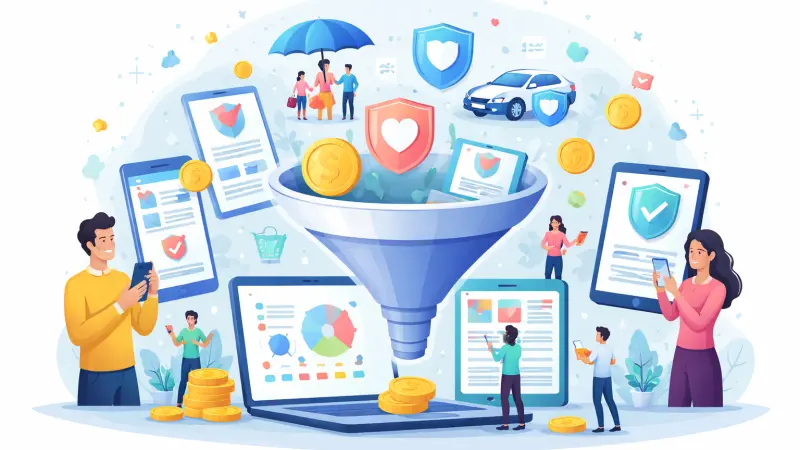
Could the future of financial security be hidden in plain sight within your everyday digital transactions? In the rapidly evolving landscape of the United Kingdom’s digital economy, the traditional boundaries between retail, technology, and financial services are blurring at an unprecedented rate. Embedded insurance the integration of insurance products directly into the purchase journey of a non-insurance product or service is no longer just a niche fintech trend. It has emerged as a fundamental pillar of modern marketing funnels, transforming how brands interact with consumers and how risk is managed in a high-speed, digital-first world. By shifting the conversation from a separate, often tedious administrative task to a seamless, one-click addition, companies are finding that they can significantly enhance customer value while opening new revenue streams that were previously inaccessible.

The primary driver behind the rise of embedded insurance is the fundamental shift in consumer expectations regarding convenience and relevance. In the modern UK market, consumers are increasingly resistant to fragmented experiences that require them to leave a platform to complete a secondary task. When a traveller books a flight on a mobile app, the most logical moment to consider travel insurance is during the checkout process, not three days later via a separate broker. This contextual relevance is the "secret sauce" of embedded insurance. It places the solution exactly where the problem (or the risk) is identified. For marketers, this means the top-of-funnel awareness and middle-of-funnel consideration stages are collapsed into a single, high-conversion moment at the bottom of the funnel, significantly reducing friction and increasing the lifetime value of every customer interaction across various digital touchpoints.
The Evolution of the Digital Marketing Funnel and Risk Mitigation
Traditionally, marketing funnels were designed to lead a prospect through a linear journey: awareness, interest, desire, and action. However, the digital age has introduced a "circular" or "looping" funnel where post-purchase satisfaction and protection play a critical role in brand loyalty. Embedded insurance fits perfectly into this new architecture by providing an immediate sense of security at the point of sale. For instance, when a consumer purchases a high-end electronic device or a bicycle in London, offering a "Verified Business" backed insurance policy at the checkout provides instant peace of mind. This integration ensures that the marketing effort does not end at the transaction but extends into the usage phase of the product, fostering a deeper relationship between the brand and the consumer that is built on trust and proactive care rather than just a one-off sale.
Furthermore, the data-driven nature of modern UK marketing allows for hyper-personalisation that traditional insurance models simply cannot match. By leveraging real-time data from the primary transaction, brands can offer insurance premiums that are tailored to the specific item, user profile, and context of the purchase. This precision marketing reduces the "noise" typically associated with financial products. Instead of broad, generic policies, consumers are presented with "bite-sized" coverage that is easy to understand and even easier to accept. This level of clarity and simplicity is essential in a market where consumers are increasingly wary of complex "fine print." By making insurance a transparent and natural extension of the product, brands can improve their conversion rates while simultaneously educating their audience on the importance of risk management in a non-intrusive, helpful manner.
From a technical perspective, the rise of Application Programming Interfaces (APIs) has made the integration of insurance products into existing marketing funnels smoother than ever before. In the past, a retailer would need to build complex infrastructure to handle insurance regulations and claims. Today, specialist insurtech providers offer "plug-and-play" solutions that handle the regulatory heavy lifting, allowing the brand to focus on the customer experience. This technological democratisation means that even small-to-medium enterprises (SMEs) in the UK can now offer sophisticated protection products, levelling the playing field with larger corporations. As more businesses adopt these tools, the expectation for "protection-as-a-service" will become standard, making embedded insurance an essential component for any business looking to remain competitive in a saturated digital marketplace.
Enhancing Customer Trust and Brand Loyalty in the UK
Trust is the most valuable currency in the modern UK economy, particularly when it relates to financial transactions and personal data. Embedded insurance serves as a powerful trust-building tool because it demonstrates that a brand is looking out for the customer's long-term interests. When a platform offers protection against accidental damage or theft at the moment of purchase, it signals a commitment to the customer's ongoing satisfaction.
This proactive approach helps to mitigate the "buyer's remorse" that often occurs after a significant purchase. By providing a safety net, the brand reduces the perceived risk of the transaction, which is especially important for high-ticket items or services. Consequently, the customer feels more supported and valued, which is a key driver for long-term retention and positive word-of-mouth marketing in a competitive landscape.
The role of embedded insurance in building loyalty is further amplified by the ease of the claims process. In many embedded models, the claims journey is just as integrated as the purchase journey. For example, if a consumer has purchased transit insurance for a delayed delivery, the system can automatically trigger a refund or a claim without the user needing to fill out lengthy forms. This "frictionless" service recovery is a marketing dream; it turns a potentially negative experience into a positive demonstration of brand reliability. In the UK, where consumer rights are robust, providing an experience that goes above and beyond legal requirements can differentiate a brand significantly. It transforms the insurance product from a "grudge purchase" into a valuable service that enhances the overall utility of the primary product being sold.
Moreover, embedded insurance allows brands to tap into the "peace of mind" psychology that is prevalent among UK consumers. Life is increasingly unpredictable, and the ability to "set and forget" protection for one's assets is highly attractive. Marketers who understand this can position their products as more than just physical items; they are "protected experiences." This shifts the value proposition from the features of the product to the lifestyle and security it provides. By integrating these elements into the marketing funnel, companies can appeal to the emotional needs of their audience, creating a more resonant and lasting brand image. This strategy is particularly effective for subscription-based models, where insurance can be bundled as an "added value" feature, increasing the perceived worth of the monthly fee and reducing churn rates.
Strategic Advantages for Businesses and Service Providers
- Increased Conversion Rates: Reducing transaction friction by offering relevant protection at the point of sale helps close deals faster.
- New Revenue Streams: Businesses can earn commissions or fees from insurance partners without needing to manufacture their own financial products.
- Deeper Customer Insights: The data gathered through insurance interactions provides a clearer picture of customer risk profiles and preferences.
- Improved Competitive Positioning: Offering integrated protection distinguishes a brand from competitors who only provide the "naked" product.
- Enhanced Lifetime Value (LTV): Customers who feel protected are more likely to return for future purchases and remain loyal to the ecosystem.
In the context of the UK’s "Silicon Roundabout" and the wider fintech ecosystem, the collaboration between traditional retailers and insurtech firms is creating a more resilient economy. By distributing risk more effectively across the digital supply chain, the entire market becomes more stable. For the individual business owner, this means less exposure to customer complaints and a more professionalised approach to service delivery. As we move further into the decade, the absence of an embedded insurance option in a high-value marketing funnel may soon be seen as a glaring omission, similar to a website not accepting modern mobile payments. The integration is no longer a luxury; it is a standard requirement for a comprehensive, customer-centric digital strategy that prioritises the long-term health of the consumer relationship.
Practical Examples of Embedded Insurance Integration
Consider the automotive sector in the UK, which is currently undergoing a massive shift towards electric vehicles (EVs) and flexible leasing. Car manufacturers are increasingly embedding insurance into their monthly subscription packages. This simplifies the marketing funnel by providing the customer with a single "all-in" price, removing the need for the buyer to shop around for separate cover, which can often be complicated for new EV technology. By bundling the insurance, the manufacturer controls the entire customer journey, ensuring that any repairs are handled by certified technicians using genuine parts. This not only secures a revenue stream for the brand’s after-sales department but also guarantees a high standard of service for the customer, reinforcing the brand's premium positioning.
Another excellent example is found in the "gig economy" and freelance platforms. Many UK-based marketplaces for independent contractors now embed professional indemnity or public liability insurance into their service fees. This is a brilliant marketing move because it addresses a primary pain point for freelancers: the complexity of managing their own business insurance.
By making the insurance "invisible" and automatic, the platform becomes much more attractive to high-quality professionals who value the security and professional standing that comes with being insured. This integration helps the platform build a "Verified Business" environment, which in turn attracts more clients who are looking for reliable and protected services, creating a virtuous cycle of growth and trust within the digital marketplace.
The travel industry continues to lead the way in this space as well. Beyond simple flight insurance, many UK travel tech companies are now embedding "cancel for any reason" protection and real-time medical assistance apps into their booking flows. This is particularly relevant in the post-pandemic era, where flexibility and health security are top priorities for British travellers. By using predictive analytics, these platforms can offer insurance that specifically covers the most likely risks for a particular destination or time of year. This high level of relevance ensures that the insurance offer feels like a helpful suggestion rather than a pushy upsell, fitting perfectly with the informational and helpful tone that modern consumers respond to most effectively during their research and booking phases.
FAQs: Understanding Embedded Insurance in the UK
1. What exactly is embedded insurance?
Embedded insurance is the practice of integrating insurance coverage directly into the purchase journey of another product or service, such as a flight, an electronic device, or a rental agreement, allowing the consumer to opt-in with a single click at the point of sale.
2. Is embedded insurance regulated in the UK?
Yes, all insurance activities in the UK, including embedded models, must comply with the regulations set out by the Financial Conduct Authority (FCA). This ensures that products are fair, transparent, and provide value to the consumer.
3. How does it benefit the average consumer?
It offers extreme convenience, often lower costs due to targeted coverage, and ensures that the protection is perfectly
relevant to the item or service being purchased, saving the consumer time on research and comparison.
4. Can small businesses offer embedded insurance?
Absolutely. Thanks to modern API-driven insurtech platforms, even small retailers or service providers can integrate insurance products into their checkout process without needing to be an insurance expert themselves.
5. Does embedded insurance make the checkout process longer?
On the contrary, when implemented correctly, it should be a seamless addition that requires minimal effort from the user, often involving just a simple tick-box or a "Yes" button based on pre-filled information.
6. Is the data used for embedded insurance safe?
UK businesses must adhere to strict GDPR and data protection laws. Data shared for insurance purposes is typically limited to what is necessary to quote and bind the policy, and it is handled with high levels of security.
Conclusion and Future Outlook
As we look towards the future of digital commerce in the United Kingdom, the integration of financial protection into the consumer journey is set to become even more sophisticated. We can expect to see more "usage-based" models where insurance is active only when the product is in use, driven by Internet of Things (IoT) technology.
This evolution will further refine the marketing funnel, allowing for real-time adjustments and even more personalised engagement. For businesses, the message is clear: the modern consumer values security as much as convenience. By making protection an inherent part of the value proposition, brands can build more resilient, trusting, and profitable relationships with their audiences, ensuring they remain relevant in an increasingly complex digital world.
In this digital age, maintaining a strong online presence and high visibility is crucial for any business looking to succeed. Whether you are a local service provider or a growing tech firm, being part of a free business search directory can significantly enhance your reach. Local Page UK offers a comprehensive free company search directory that helps UK businesses improve their online visibility and connect with more customers. By ensuring your details are listed in a company directory online or a verified business directory, you can build the trust necessary to implement advanced strategies like embedded insurance. Strengthening your foundations through a reliable business listing is the first step toward mastering the modern marketing funnel.

Disclaimer: The information provided in this article is for general informational and research purposes only. Company details, features, services, and market positions may change over time. Readers are advised to visit official company websites and conduct independent research before making any business decisions or purchasing services.
Most Searchable Keywords

Recent Blogs


Related Listings


Categories
- Accountants (295)
- Advertising Agencies (559)
- Architects (149)
- Automobiles (377)
- Beauty (300)
- Carpenters (146)
- Cleaning Services (386)
- Dentists (189)
- Driving (62)
- Electricians (215)
- Energy (8)
- Event Organiser (685)
- Finance (599)
- Guide (3365)
- Health (2207)
- Information technology (206)
- Legal Services (353)
- Logistics (6)
- Maintenance (65)
- Manufacturing (35)

Sponsored Listings in Locksmith Services


Related Blogs

Gen Z Political Reporters and News Creators i...
Read this insightful article "Gen Z Political Reporters and News Creators in the UK" to expand your knowledge!

Famous Female Social Media Influencers Across...
Read this insightful article "Famous Female Social Media Influencers Across the UK" to expand your knowledge!
Your UK Sponsor Licence 2026 Step by Step Gui...
Read this insightful article "Your UK Sponsor Licence 2026 Step by Step Guide" to expand your knowledge!
Questions & Answers – Find What
You Need, Instantly!
How can I update my business listing?
Is it free to manage my business listing?
How long does it take for my updates to reflect?
Why is it important to keep my listing updated?
