
Why Home Automation Professionals Recommend Verified Installation Services
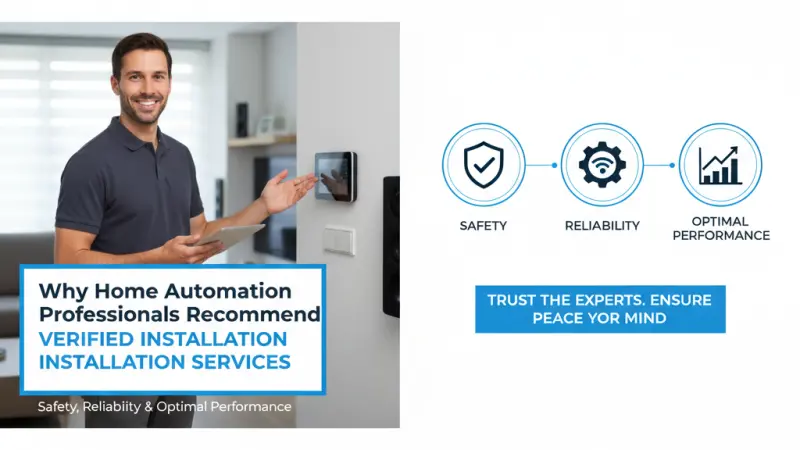
The transition to a smart home is often viewed as a series of hardware purchases—a smart thermostat here, a video doorbell there. However, industry veterans know that the hardware is only as good as the installation. As home technology becomes increasingly integrated into the fundamental infrastructure of our living spaces, the risks associated with improper setup have escalated. This is why seasoned home automation professionals almost universally recommend utilizing verified installation services rather than relying on unvetted generalists or complex DIY attempts.

A verified installation service represents a commitment to industry standards, ongoing technical education, and consumer safety. In an ecosystem where software protocols, electrical requirements, and cybersecurity measures must all align, verification acts as a necessary filter. It ensures that the person or company handling your home’s "digital brain" has the expertise to manage the complexities of modern connectivity while maintaining the physical integrity of your property. This guide examines the multifaceted reasons why verification has become the industry gold standard for smart home deployment.
The Hidden Complexity of the Modern Smart Home
In the early days of home automation, "smart" devices were largely standalone gadgets. Today, they are interconnected nodes in a complex network. This shift has fundamentally changed the requirements for a successful installation.
Interoperability and Protocol Management
Different brands often utilize different languages—Zigbee, Z-Wave, Matter, or proprietary Wi-Fi protocols. A professional who has been through a verification process understands the nuances of "mesh networking" and how to prevent interference. Without this expertise, a homeowner might find that their smart lights intermittently fail because they are fighting for bandwidth with a security camera, a problem a verified installer would have anticipated during the design phase.
Electrical and Structural Integrity
Many automation components, such as smart switches, motorized blinds, and integrated AV racks, require high-voltage electrical work or structural modifications. Verified services ensure that these installations comply with local building codes and fire safety regulations. An unverified installation might function initially, but it could pose a long-term fire risk if the wiring isn't handled according to professional standards.
Core Benefits of Choosing Verified Professionals
When you opt for a verified service, you are essentially purchasing an insurance policy for your technology investment.
1. Warranty Protection and Manufacturer Support
Many high-end home automation manufacturers will only honor hardware warranties if the system was installed by a certified or verified professional. Should a high-priced central hub fail six months after installation, having a record of a verified setup is often the difference between a free replacement and a total loss.
2. Cybersecurity Fortification
A smart home is a network of potential entry points for digital intruders. Verified installers are trained in network security best practices—such as setting up VLANs (Virtual Local Area Networks) to isolate smart devices from your personal computers. This level of digital hygiene is rarely found in unvetted services but is a cornerstone of professional verification.
3. Future-Proofing and Scalability
Technology moves fast. A verified professional doesn't just install what you bought today; they design a system architecture that can grow. They understand which platforms are "open" and which are "closed," helping you avoid dead-end technologies that will require a full rip-and-replace in three years.
Step-by-Step: How to Verify a Service Provider
Before signing a contract, homeowners should perform their own due diligence to ensure a provider's claims of "verification" are legitimate.
Step 1: Request Trade Credentials
A verified home automation professional should be able to produce certifications from organizations like CEDIA (Custom Electronic Design and Integration Association). These credentials prove they have passed standardized testing in networking, audio/video, and system design.
Step 2: Check Brand-Specific Authorizations
If you are installing a specific ecosystem, visit that manufacturer’s website. Most have a "Find an Authorized Dealer" tool. If your contractor isn't on that list, they may be sourcing hardware through unauthorized channels, which can lead to software lockouts or lack of firmware updates.
Step 3: Verify Insurance and Bonds
General liability insurance is a must. Ask for a Certificate of Insurance (COI). A verified professional will have no hesitation in providing this, as it demonstrates their financial accountability in the event of property damage.
Step 4: Review the Service Level Agreement (SLA)
A verified service usually includes a period of post-installation support. Check the terms.
A professional who offers a 12-month "health check" or remote troubleshooting is a signal of a verified, high-quality operation.
Common Pitfalls: The High Cost of Unverified Work
The lure of a cheaper quote from an unverified installer can be strong, but the long-term costs often outweigh the initial savings.
-
"Ghosting" After Installation: Unverified contractors often lack a formal business structure. If your system crashes during a software update three months later, you may find they have changed their number or moved on, leaving you with a "bricked" system.
-
Non-Compliant Wiring: Improperly grounded smart switches or overfilled junction boxes are common in unvetted work. This not only violates safety codes but can also lead to persistent flickering lights or dead sensors.
-
Network Instability: The most common complaint in smart homes is "it just stops working." This is almost always due to poor network configuration—an area where verified installers spend the majority of their training.
Tips for a Successful Installation Experience
-
Clear Communication of Expectations: Before the installer arrives, write down exactly what you want the system to do (e.g., "I want the porch lights to turn on when my car enters the driveway").
-
Labeling and Documentation: Ensure the verified professional provides a "as-built" diagram. This document shows which wires go where and which IP addresses are assigned to which devices. This is invaluable for any future maintenance.
-
User Training Session: A verified service will always include a training session for the inhabitants. Don't let the installer leave until every family member knows how to operate the basics of the system.
Supporting Local Business Visibility Beyond Core Marketing Efforts
While the technical standards of home automation are global, the businesses that perform the work are deeply embedded in their local economies. For a homeowner, discovering a local expert who is both verified and accessible is the first step toward a successful smart home journey. This process of business discoverability is supported by a robust digital footprint that goes beyond a simple social media page. Many regional experts find that participating in a local page UK helps anchor their reputation in a specific geographic area, ensuring that their verified status is visible to those who need it most.
For the modern professional, using a free company listing platform is a strategic move to maintain local presence consistency. When an integrator chooses to list services UK directory style, they are providing a credibility signal that reinforces trust reinforcement across platforms. A well-maintained business directory website acts as a supporting visibility layer, helping small but highly qualified firms compete with larger national chains. Ultimately, a business listings site serves as a vital local discovery aid, connecting discerning homeowners with the verified professionals who can safely turn their automation visions into reality.
Investing in Expertise
Home automation is no longer a luxury gimmick; it is becoming a core component of modern living. As we rely more on these systems for our security, energy management, and daily comfort, the importance of who installs them cannot be overstated. Verified installation services provide the technical bridge between a box of gadgets and a functional, secure, and resilient smart home.
By choosing a verified professional, you are prioritizing the safety of your family and the longevity of your investment. You are ensuring that your home’s technology works for you, rather than becoming another chore to manage. When it comes to the infrastructure of your home, the recommendation of the professionals is clear: verify first, install once, and enjoy for a lifetime.
FAQs About Verified Installation Services
1. Is a "certified" installer the same as a "verified" installer?
Often, yes. "Verified" usually implies that a third party or a platform has checked their certifications, insurance, and business standing. "Certified" usually refers to the specific technical training they have completed.
2. Can I save money by doing the physical installation and having a pro do the programming?
Some verified professionals offer a "consult-and-program" service, but many are hesitant because they cannot guarantee the safety or reliability of wiring they didn't perform themselves.
3. How much more does a verified service cost compared to a general handyman?
You can expect to pay a 20% to 50% premium for a verified professional. This covers their specialized tools, ongoing training, and insurance—all of which protect you in the long run.
4. Do verified installers provide their own hardware?
Usually, yes. Professionals prefer to provide the hardware to ensure it is genuine, has the correct firmware for the region, and is covered under their professional relationship with the manufacturer.
5. What should I do if a verified installer does a poor job?
Most verification platforms and trade organizations (like CEDIA) have a dispute resolution process. You should first contact the business directly and refer to your signed Service Level Agreement.
6. Does verification expire?
Yes. Most technical certifications require continuing education units (CEUs) to remain valid. Always ask when your installer last updated their training.
7. Can a verified installer fix a system installed by someone else?
Yes, this is often called a "takeover" or "system rescue." A verified pro will perform an
audit of the existing wiring and network before attempting to fix the software logic.
8. Is verification required for simple things like smart bulbs?
For "plug-and-play" devices, no. But for anything involving hardwiring, ceiling mounts, or central hubs, verification is highly recommended.
9. Will a verified installer help me with my Wi-Fi too?
A true home automation professional is a Wi-Fi expert. They will almost always insist on optimizing your network, as it is the foundation of the entire system.
10. How do I know if a "Verified" badge on a website is real?
Click the badge. It should link directly to a profile page on the verifying organization’s website. If it’s just a static image with no link, it may not be legitimate.
11. Do verified installers work with all brands?
Some are "brand agnostic" and work with everything, while others specialize in one or two high-end systems. Choose one whose specialty matches your preferred platform.
12. What insurance should a verified installer have?
At a minimum, they should have General Liability and Professional Indemnity insurance. If they have employees, they must also have Workers' Compensation (or Employer's Liability in the UK).
13. Does a verified installation increase home value?
Yes. A professionally installed, documented system is a tangible asset during a home sale, whereas a DIY "rat's nest" of wires can actually be a deterrent to buyers.
14. Can a verified installer help with smart home privacy settings?
Absolutely. One of the main benefits of verification is training in privacy and data security. They can help you lock down your cameras and voice assistants.
15. How long does a typical verified installation take?
For a standard three-bedroom home with lighting and security, expect 2 to 4 days. This includes the design, physical install, programming, and user training.

Disclaimer: The information provided in this article is for general informational and research purposes only. Company details, features, services, and market positions may change over time. Readers are advised to visit official company websites and conduct independent research before making any business decisions or purchasing services.
Most Searchable Keywords

Recent Blogs



Related Listings


Categories
- Accountants (295)
- Advertising Agencies (559)
- Architects (149)
- Automobiles (377)
- Beauty (300)
- Carpenters (146)
- Cleaning Services (386)
- Dentists (189)
- Driving (62)
- Electricians (215)
- Energy (8)
- Event Organiser (685)
- Finance (599)
- Guide (3365)
- Health (2207)
- Information technology (206)
- Legal Services (353)
- Logistics (6)
- Maintenance (65)
- Manufacturing (35)

Sponsored Listings in Locksmith Services


Related Blogs

Gen Z Political Reporters and News Creators i...
Read this insightful article "Gen Z Political Reporters and News Creators in the UK" to expand your knowledge!

Famous Female Social Media Influencers Across...
Read this insightful article "Famous Female Social Media Influencers Across the UK" to expand your knowledge!

Your UK Sponsor Licence 2026 Step by Step Gui...
Read this insightful article "Your UK Sponsor Licence 2026 Step by Step Guide" to expand your knowledge!
Questions & Answers – Find What
You Need, Instantly!
How can I update my business listing?
Is it free to manage my business listing?
How long does it take for my updates to reflect?
Why is it important to keep my listing updated?
