
Why Micro-Influencers Are Effective in Humanising Insurance Marketing Campaigns
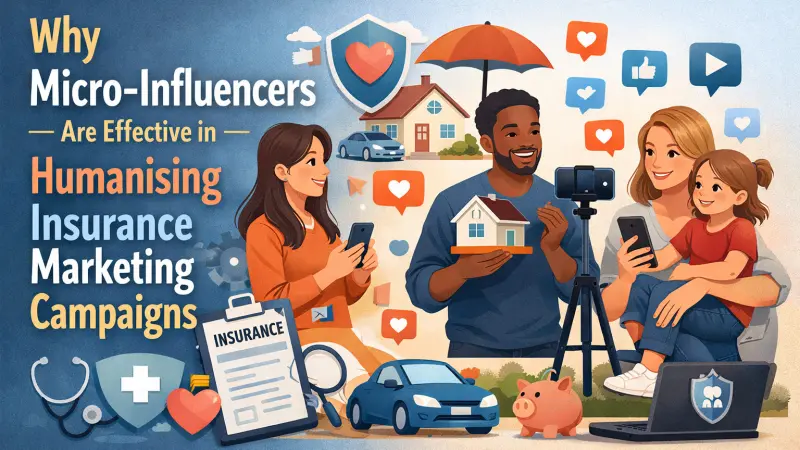
Have you ever found yourself scrolling through a social media feed and stopping at a post from someone who feels like a knowledgeable friend, rather than a faceless corporation? This phenomenon is at the heart of why micro-influencers insurance marketing has become a cornerstone of modern financial services strategies in the United Kingdom. In an industry traditionally defined by complex jargon, dense policy documents, and a perceived lack of transparency, the challenge for insurance providers has always been one of relatability. For many British consumers, purchasing insurance is seen as a "grudge purchase" a necessary legal or financial obligation that offers little emotional satisfaction. However, the rise of niche content creators is fundamentally shifting this narrative. By leveraging the authentic voices of individuals with smaller but highly engaged followings, insurance brands are successfully breaking down barriers, translating complex financial products into human experiences, and building a level of trust that traditional television or billboard advertisements simply cannot replicate in the digital age.
The effectiveness of these creators stems from their ability to bridge the gap between a technical product and a personal need. When a micro-influencer shares their genuine experience of making a claim after a home flood or explains how life insurance provided peace of mind for their young family, the message moves from "sales pitch" to "helpful advice." In the UK, where consumer skepticism regarding financial institutions remains a notable factor, this peer-to-peer approach is invaluable. This article explores the multifaceted reasons why these creators are so successful, examining the psychology of trust, the importance of niche communities, and the tactical advantages of micro-influencer partnerships within the highly regulated landscape of the UK insurance sector.
Addressing the Trust Deficit in Financial Services
The primary hurdle for any insurance marketing campaign is the inherent lack of trust some consumers feel toward the industry. Historically, insurance companies have been viewed as large, bureaucratic entities that are quick to collect premiums but slow to pay out claims. To combat this, humanisation is not just a stylistic choice; it is a strategic necessity. Micro-influencers—typically defined as social media creators with between 10,000 and 100,000 followers—excel here because they operate within a "circle of trust." Unlike celebrity influencers who may endorse products solely for a high fee, micro-influencers often build their reputation on expertise and honesty. Their followers view them as authentic, and their recommendations carry a weight similar to a word-of-mouth referral from a colleague or neighbour.
In the context of the UK, the Financial Conduct Authority (FCA) maintains strict guidelines regarding how financial products are promoted. Micro-influencers are often better positioned to navigate these requirements because their content is naturally educational. Instead of making grand, unsubstantiated claims, they focus on the practicalities of a policy. This grounded approach aligns perfectly with the need for "clear, fair, and not misleading" communications. By focusing on the human element—the "why" behind the insurance—rather than just the "what," they help demystify the industry and make it more approachable for the average person concerned about their financial security.
Furthermore, the engagement rates of micro-influencers are statistically higher than those of their "macro" counterparts. This is because they actively interact with their community, answering questions in the comments and participating in discussions. For an insurance brand, having a representative who can explain the nuances of a "no-claims bonus" or "excess payments" in a conversational tone is far more effective than a static FAQ page on a corporate website. This two-way dialogue creates a sense of community and support, which is vital when discussing sensitive topics like health, life, or property protection.
The Power of Niche Communities and Specificity
One of the most compelling reasons for the success of micro-influencers in insurance marketing is their specialisation. Insurance is not a "one size fits all" product. A young professional buying their first flat has vastly different needs than a small business owner in the Cotswolds or a classic car enthusiast in Manchester. Micro-influencers often cater to these specific niches. For instance, a "FinTech" enthusiast on LinkedIn might be the perfect advocate for a new digital-first contents insurance app, while a "home renovation" blogger on Instagram might naturally discuss the importance of buildings insurance during a construction project.
By targeting these specific segments, insurance companies can ensure their marketing spend is directed toward audiences that are already primed for the message. This relevance is key to humanisation. When an influencer who has spent years building a community around "van life" explains the specific type of cover needed for a campervan conversion, the audience listens because the advice is tailored to their unique lifestyle. It feels personal. This specificity removes the generic feel of traditional mass-market advertising, replacing it with a curated experience that acknowledges the individual circumstances of the consumer.
Moreover, this niche focus allows for a more detailed exploration of policy benefits. In a standard 30-second TV ad, there is barely enough time to mention the brand name, let alone the specific benefits of a policy’s "legal expenses cover." A micro-influencer, however, can produce a long-form video or a series of detailed stories that walk through the actual value of these features.
This depth of content is essential for complex financial products where the value is often hidden in the details. By highlighting these practical benefits through the lens of a specific interest, influencers make the insurance product feel like a tool for empowerment rather than a burdensome cost.
Prioritising Relatability Over Aspirational Perfection
Traditional marketing often relies on "aspirational" imagery—polished actors in perfect homes representing the "ideal" life. While visually appealing, this can sometimes alienate the average consumer who does not see their own life reflected in those images. Micro-influencers offer the opposite: relatability. Their content often features real homes, real challenges, and real language. For an insurance brand, this "unpolished" reality is a powerful asset. It suggests that the brand understands the messy, unpredictable nature of real life, which is exactly what insurance is designed to protect.
When a micro-influencer discusses the stress of a broken boiler or the anxiety of a lost luggage incident while travelling, they are tapping into shared human experiences. By positioning the insurance product as the solution to these relatable problems, they humanise the brand's purpose. The insurer is no longer just a collector of premiums; it is a helper in times of crisis. This shift in perception is fundamental to building long-term brand loyalty. In the UK market, where price comparison websites have made insurance a commodity, building an emotional connection through relatability is one of the few ways to drive retention and reduce churn.
This relatability also extends to the language used. British English is rich with nuances and regional variations. Micro-influencers who speak the same "language" as their audience—whether that is through regional accents or specific cultural references—create a sense of belonging. They avoid the stiff, formal "corporatese" that often characterizes financial marketing, opting instead for a tone that is helpful and accessible. This linguistic alignment further reinforces the idea that the brand is "one of us," making the prospect of engaging with an insurance company feel much less daunting for the consumer.
Strategic Advantages: Cost and Agility
From a business perspective, the use of micro-influencers is highly efficient. Large-scale celebrity endorsements often require astronomical budgets and lengthy legal negotiations, and the resulting content can sometimes feel detached from the brand's core values. In contrast, partnering with several micro-influencers allows an insurance company to diversify its reach across multiple demographics for a fraction of the cost. This "portfolio" approach to influencer marketing reduces risk and increases the total number of touchpoints with potential customers.
Furthermore, micro-influencers are often more agile. They can react quickly to current events or seasonal trends. For example, during a particularly cold winter in the UK, a group of DIY and home-care influencers can quickly produce content about preventing frozen pipes, naturally integrating a mention of the brand's home emergency cover. This level of responsiveness is difficult to achieve with traditional media cycles. It allows the brand to remain relevant and helpful in real-time, which is a key component of a human-centric marketing strategy.
Data also suggests that the "return on investment" for micro-influencer campaigns can be significantly higher in terms of actual conversions. Because the audience is more targeted and the trust level is higher, the "intent to purchase" following a recommendation is often much stronger. For insurers, this means more high-quality leads and a lower "cost per acquisition." By focusing on quality of engagement over raw reach, brands can build a more sustainable and effective marketing ecosystem that prioritises genuine human connection over fleeting impressions.
Navigating the UK Regulatory Landscape
The UK insurance market is one of the most strictly regulated in the world. Any marketing material must adhere to the FCA's "Consumer Duty" regulations, which require firms to act to deliver good outcomes for retail customers. Micro-influencers can actually be a boon for compliance.
Because their content is typically more educational and focused on "outcomes" rather than just "features," they are well-aligned with the spirit of modern regulation. However, it is vital that brands provide these creators with clear guidelines and "compliance toolkits" to ensure that all financial promotions are appropriately labelled and technically accurate.
Transparency is also a key factor. UK law requires that all paid partnerships be clearly disclosed (usually through the #ad or #paidpartnership tags). Far from damaging the human element, this transparency can actually enhance it. Modern British consumers are savvy; they know that influencers need to earn a living. What they appreciate is the honesty of the disclosure. When an influencer says, "I'm working with this insurance brand because I actually use their app," and the post is clearly marked as an advertisement, it reinforces the trust between the creator and the audience.
By working closely with influencers to ensure they understand the "Consumer Duty" requirements, insurance brands can create content that is both engaging and legally sound. This collaborative approach leads to better quality information for the consumer, helping them make informed decisions about their financial future. In this way, the humanisation of the brand through influencers also serves a higher purpose of consumer protection and financial education.
Practical Steps for Insurance Brands
To successfully implement a micro-influencer strategy, UK insurance brands should focus on long-term relationships rather than one-off "shout-outs." Brand ambassadorships, where an influencer works with a company over several months or years, are far more effective at humanising a brand. It allows the audience to see a sustained commitment and a genuine integration of the product into the influencer's life. This consistency is what builds the "familiarity" that eventually leads to trust and conversion.
Brands should also prioritise creators who are already talking about financial wellness or related lifestyle topics. An influencer who already shares tips on "how to save for a mortgage" or "budgeting for a new baby" is a natural fit for life or mortgage protection insurance. The key is to find "brand-safe" creators whose values align with the insurer's. This alignment ensures that the partnership feels organic and that the content produced will resonate with the intended audience.
Finally, measurement should go beyond "likes" and "shares." Insurers should look at sentiment analysis, the quality of the comments, and the use of unique tracking links to measure actual quote starts or policy purchases. By understanding what types of stories and which influencers drive the best outcomes, brands can continually refine their strategy to be more human, more helpful, and more effective.
Frequently Asked Questions
What is a micro-influencer in the context of insurance?
A micro-influencer is a social media creator with a following typically between 10,000 and 100,000. In the insurance sector, they are often experts
in specific areas like personal finance, property, or small business management, providing authentic and relatable advice to their niche audience.
How do micro-influencers build trust for insurance brands?
They build trust by acting as a relatable peer rather than a corporate entity. Their recommendations are viewed as genuine advice based on real-life experience, which is more persuasive than traditional advertising in the skeptical financial services market.
Are there specific rules for influencers promoting insurance in the UK?
Yes, influencers must comply with the Financial Conduct Authority (FCA) rules on financial promotions, ensuring content is clear, fair, and not misleading. They must also clearly disclose paid partnerships using tags like #ad in accordance with ASA guidelines.
Which insurance products work best with influencer marketing?
Lifestyle-related products often see the most success, such as pet insurance, travel insurance, home insurance for first-time buyers, and life insurance for new parents, as these align closely with the daily lives of many content creators.
Can micro-influencers help with insurance claims transparency?
Absolutely. By sharing their own (or their community's) experiences with the claims process, micro-influencers can humanise one of the most stressful parts of the insurance journey, explaining what to expect and how the brand supports its customers.
Is micro-influencer marketing more expensive than traditional ads?
Generally, no. Working with a group of micro-influencers is often much more cost-effective than large-scale TV campaigns or celebrity endorsements, offering a better return on investment through higher engagement and targeted reach.
How do brands find the right micro-influencers?
Brands look for creators whose audience demographics match their target customers and whose content values align with the brand’s mission. Using a business directory or specialist agency can help identify these niche voices.
Conclusion
In conclusion, the efficacy of micro-influencers insurance marketing lies in the shift from institutional authority to personal authenticity. By embracing the niche expertise, relatability, and engaged communities of these creators, UK insurers can transform their brand image from a distant financial utility to a trusted partner in life's journey.
This human-centric approach not only helps in navigating the complexities of the modern regulatory environment but also builds the lasting emotional connections that drive customer loyalty in an increasingly competitive marketplace. As the digital landscape continues to evolve, the ability to communicate with empathy and clarity through human voices will remain the most valuable asset for any insurance marketing campaign.
For those looking to discover a verified business directory or explore local expertise, finding the right partners is essential for growth. Whether you are searching for a free business search directory to list your own services or browsing a free company search directory to find local providers, Local Page UK offers a comprehensive company directory online designed to assist in improving online visibility and helping consumers connect with the businesses that serve their communities best.
Disclaimer: The information provided in this article is for general informational and research purposes only. Company details, features, services, and market positions may change over time. Readers are advised to visit official company websites and conduct independent research before making any business decisions or purchasing services.
Most Searchable Keywords
Recent Blogs


Related Listings
Categories
- Accountants (295)
- Advertising Agencies (559)
- Architects (149)
- Automobiles (377)
- Beauty (300)
- Carpenters (146)
- Cleaning Services (387)
- Dentists (189)
- Driving (62)
- Electricians (215)
- Energy (8)
- Event Organiser (686)
- Finance (602)
- Guide (3372)
- Health (2207)
- Information technology (206)
- Legal Services (353)
- Logistics (6)
- Maintenance (65)
- Manufacturing (35)
Sponsored Listings in Travel Agencies


Related Blogs

How Much Do UK Actors Really Earn Full Indust...
Read this insightful article "How Much Do UK Actors Really Earn Full Industry Breakdown" to expand your knowledge!

Blue Light Card UK 2026 Check Eligibility and...
Read this insightful article "Blue Light Card UK 2026 Check Eligibility and Claim" to expand your knowledge!

BBC Radio 1 DJs Net Worth Ranking Revealed
Read this insightful article "BBC Radio 1 DJs Net Worth Ranking Revealed" to expand your knowledge!
Questions & Answers – Find What
You Need, Instantly!
How can I update my business listing?
Is it free to manage my business listing?
How long does it take for my updates to reflect?
Why is it important to keep my listing updated?
