
Why More SMEs Should Export Globally
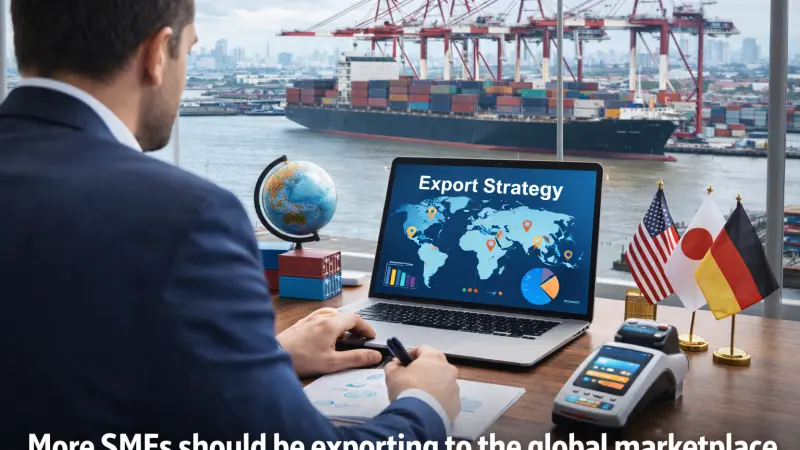
Small and medium sized enterprises play a vital role in economic growth, innovation, and job creation. However, many SMEs still focus primarily on domestic markets and miss out on the opportunities available through international trade. Expanding into the global marketplace can unlock new revenue streams, diversify risk, and strengthen long term business resilience.
With advances in technology, logistics, and digital platforms, exporting is more accessible than ever before. Businesses can reach customers across the world without needing a physical presence in every market. Despite this, many SMEs remain hesitant due to perceived risks, lack of knowledge, or resource constraints.
In this article, we explore why more SMEs should be exporting to the global marketplace, the benefits it offers, and practical steps businesses can take to succeed internationally.
The Importance of SMEs in the Economy
SMEs are the backbone of most economies, contributing significantly to employment and economic activity. Their ability to innovate and adapt quickly makes them well suited to exploring international markets.
By exporting, SMEs can expand their impact beyond local markets and contribute to global trade. International growth also strengthens the economy by increasing exports and improving competitiveness.
Encouraging more SMEs to export can drive economic development and create new opportunities.
Access to Larger Markets
One of the biggest advantages of exporting is access to a much larger customer base. Domestic markets may have limited growth potential, while international markets offer new opportunities to scale.
Expanding globally allows businesses to increase sales and reach customers with diverse needs and preferences. This broader reach can significantly boost revenue and brand recognition.
Access to new markets helps businesses grow beyond local limitations.
Diversifying Revenue Streams
Relying on a single market can be risky, especially during economic downturns or market changes. Exporting allows businesses to diversify their revenue streams and reduce dependence on domestic demand.
Diversification improves financial stability and helps businesses adapt to changing conditions. If one market experiences challenges, others may continue to perform well.
This resilience supports long term growth and sustainability.
Increasing Competitiveness
Entering international markets encourages businesses to improve quality, efficiency, and innovation. Exposure to global competition can drive improvements in products, services, and processes.
Companies that export often become more competitive overall, strengthening their position both domestically and internationally.
Competitiveness helps businesses stay relevant in a rapidly evolving marketplace.
Building Brand Recognition
Exporting can enhance brand visibility and reputation. A global presence often increases credibility and demonstrates that a business can compete internationally.
Strong brand recognition can lead to new partnerships, investment opportunities, and customer trust. International success can also strengthen brand perception in domestic markets.
Building a global brand opens new growth opportunities.
Leveraging Digital Platforms
Digital technologies have made exporting more accessible for SMEs. E commerce platforms, online marketplaces, and digital marketing tools allow businesses to reach international customers without large investments.
Online platforms also provide insights into customer behaviour, helping businesses tailor their strategies to different markets.
Technology reduces barriers and makes global expansion more achievable.
Government Support and Trade Agreements
Many governments offer support programmes to help SMEs export, including training, funding, and trade advice. Trade agreements can also reduce barriers such as tariffs and simplify access to international markets.
Taking advantage of these resources can help businesses navigate the complexities of exporting and reduce risks.
Support programmes provide valuable guidance and financial assistance.
Overcoming Common Export Challenges
Despite the benefits, SMEs may face challenges such as regulatory requirements, logistics, cultural differences, and currency fluctuations. Understanding these challenges and planning ahead can help businesses succeed.
Working with trade experts, conducting market research, and building local partnerships can reduce risks and improve outcomes.
Preparation and knowledge are key to overcoming export barriers.
Developing an Export Strategy
A clear export strategy is essential for success. Businesses should identify target markets, understand customer needs, and evaluate competition.
Pricing strategies, distribution channels, and marketing plans should be tailored to each market. Starting with one or two markets can help businesses test strategies before expanding further.
A structured approach increases the likelihood of success.
The Role of Innovation
Innovation plays a crucial role in international success. Businesses that continuously improve products and services are better positioned to meet diverse customer needs.
Adapting offerings to local preferences and staying ahead of industry trends can help businesses stand out in competitive markets.
Innovation supports sustainable growth and differentiation.
Strengthening Supply Chains
Efficient supply chains are essential for successful exporting. Businesses must ensure they can meet demand, manage logistics, and maintain quality standards.
Strong relationships with suppliers and logistics partners help ensure reliable delivery and customer satisfaction.
Supply chain management supports smooth international operations.
Financial Benefits of Exporting
Exporting can increase profitability by expanding sales and achieving economies of scale. Higher production volumes can reduce costs and improve margins.
Access to international markets also provides opportunities for premium pricing in certain regions.
Financial growth supports reinvestment and business expansion.
Encouraging a Global Mindset
A global mindset is essential for businesses looking to succeed internationally. This involves understanding cultural differences, adapting communication styles, and being open to new opportunities.
Training employees and building diverse teams can support international growth.
A global perspective helps businesses navigate international markets effectively.
Future Opportunities for SME Exporters
As global trade continues to evolve, opportunities for SMEs are expected to grow. Emerging markets, digital commerce, and new technologies will create new possibilities for international expansion.
Businesses that embrace global opportunities early can gain a competitive advantage.
The future of SME growth is increasingly connected to global markets.
Exporting offers SMEs a powerful opportunity to grow, diversify revenue, and strengthen competitiveness. By accessing larger markets, leveraging technology, and developing clear strategies, businesses can unlock new opportunities and build resilience.
While exporting comes with challenges, the potential benefits far outweigh the risks when businesses are well prepared. Encouraging more SMEs to explore global markets can drive innovation, economic growth, and long term success.
With the right support and mindset, SMEs can thrive in the global marketplace and achieve sustainable growth.
FAQs
Why should SMEs export to global markets Exporting helps businesses grow revenue, reach new customers, and diversify risk.
What are the benefits of exporting Benefits include increased sales, improved competitiveness, and stronger brand recognition.
Is exporting risky for small businesses There are risks, but careful planning and research can minimise them.
How can SMEs start exporting By conducting market research, developing a strategy, and seeking expert advice.
Do governments support SME exports Yes, many offer funding, training, and trade support programmes.
What challenges do exporters face Common challenges include regulations, logistics, and currency fluctuations.
Can digital platforms help with exporting Yes, e commerce and digital marketing make global reach easier.
How does exporting improve competitiveness It encourages innovation and efficiency improvements.
What is an export strategy A plan outlining target markets, pricing, and distribution methods.
Do SMEs need large budgets to export Not necessarily, digital tools have reduced entry costs.
How can businesses choose target markets By analysing demand, competition, and economic conditions.
What role does innovation play in exporting Innovation helps meet diverse customer needs and stand out.
Can exporting improve brand reputation Yes, global presence often increases credibility and trust.
How can SMEs manage export risks Through planning, partnerships, and market research.
What is the future of SME exporting Digital trade and emerging markets will create new opportunities.
Disclaimer: The information provided in this article is for general informational and research purposes only. Company details, features, services, and market positions may change over time. Readers are advised to visit official company websites and conduct independent research before making any business decisions or purchasing services.
Most Searchable Keywords
Recent Blogs


Related Listings
Categories
- Accountants (295)
- Advertising Agencies (559)
- Architects (149)
- Automobiles (377)
- Beauty (300)
- Carpenters (146)
- Cleaning Services (387)
- Dentists (189)
- Driving (62)
- Electricians (215)
- Energy (8)
- Event Organiser (686)
- Finance (602)
- Guide (3374)
- Health (2207)
- Information technology (206)
- Legal Services (354)
- Logistics (6)
- Maintenance (65)
- Manufacturing (35)
Sponsored Listings in Travel Agencies



Related Blogs

Meet the Fair Work Agency Changing UK Work Ru...
Read this insightful article "Meet the Fair Work Agency Changing UK Work Rules in 2026" to expand your knowledge!

Collective Redundancy Errors Now Carry Higher...
Read this insightful article "Collective Redundancy Errors Now Carry Higher 2026 Penalties" to expand your knowledge!

Explore Dog Friendly Walks in the Cotswolds f...
Read this insightful article "Explore Dog Friendly Walks in the Cotswolds for 2026" to expand your knowledge!
Questions & Answers – Find What
You Need, Instantly!
How can I update my business listing?
Is it free to manage my business listing?
How long does it take for my updates to reflect?
Why is it important to keep my listing updated?
