
Why Online Offline Integration Attracts Customers
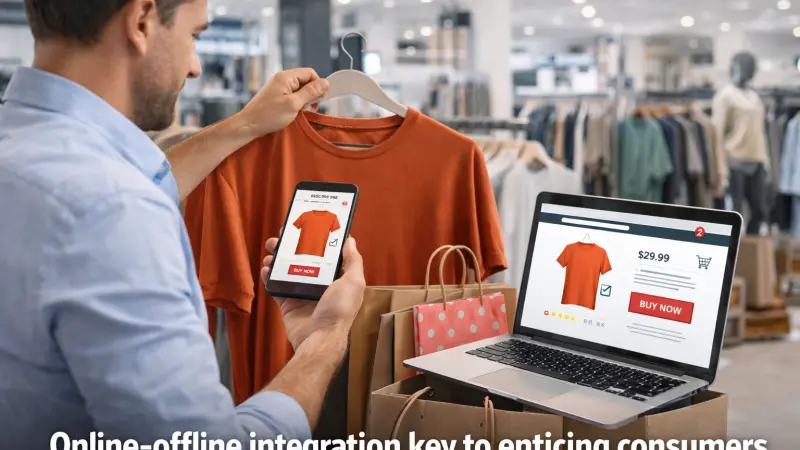
Consumer behaviour has changed dramatically in recent years, with customers expecting seamless experiences across both digital and physical channels. Today’s shoppers may research products online, visit a store to see them in person, and then complete their purchase through a mobile device. Because of this shift, businesses can no longer treat online and offline operations as separate entities.

Online offline integration, often referred to as an omnichannel strategy, has become essential for attracting and retaining customers. By connecting digital platforms with physical experiences, businesses can create a smooth and convenient journey that meets modern expectations.
In this article, we explore why online offline integration is key to enticing consumers, the benefits it offers, and how businesses can implement effective strategies.
Understanding Online Offline Integration
Online offline integration involves connecting digital channels such as websites, apps, and social media with physical touchpoints like stores, events, and customer service interactions. The goal is to create a unified experience where customers can move seamlessly between channels without friction.
Instead of operating separately, all channels work together to provide consistent messaging, service, and brand experience. This approach ensures customers receive the same level of quality and convenience regardless of how they interact with a business.
Changing Consumer Expectations
Modern consumers expect convenience, speed, and personalisation. They want the ability to browse online, check product availability, and choose how and where they complete their purchase.
Customers also expect consistent pricing, promotions, and service across all channels. Businesses that fail to meet these expectations risk losing customers to competitors who offer more seamless experiences.
Meeting these expectations requires a coordinated approach that integrates digital and physical operations.
Creating a Seamless Customer Journey
Integration allows businesses to create a smooth customer journey from discovery to purchase and beyond. For example, customers can research products online, visit a store for advice, and receive follow up communication through email or apps.
A seamless journey reduces friction and improves satisfaction, making customers more likely to return. It also helps businesses build stronger relationships by providing consistent experiences at every touchpoint.
Improving Customer Experience
A unified approach improves customer experience by providing convenience and flexibility. Customers can choose how they interact with a brand based on their preferences.
Features such as click and collect, online returns in store, and mobile payments enhance convenience and create a more enjoyable shopping experience.
Better experiences lead to higher satisfaction, positive reviews, and increased loyalty.
Increasing Sales Opportunities
Online offline integration creates more opportunities for sales by allowing customers to engage with products across multiple channels. For example, customers who see products online may be encouraged to visit stores, while in store experiences can drive online purchases.
Businesses can also use digital tools to recommend products and provide personalised offers, increasing the likelihood of conversion.
An integrated approach maximises revenue potential.
Personalisation Through Data
Combining online and offline data provides valuable insights into customer behaviour and preferences. Businesses can use this information to personalise marketing campaigns, product recommendations, and customer interactions.
Personalisation makes customers feel valued and increases engagement. Tailored experiences often lead to higher conversion rates and stronger customer relationships.
Data driven strategies help businesses better understand their audiences.
Strengthening Brand Consistency
Consistency is essential for building trust. Integrated channels ensure that branding, messaging, and customer service remain consistent across all touchpoints.
When customers receive a cohesive experience, they are more likely to perceive the brand as professional and reliable. Consistency reinforces brand identity and improves recognition.
Strong brand consistency helps businesses stand out in competitive markets.
Enhancing Customer Engagement
Integration enables businesses to engage with customers more effectively through multiple channels. Social media, mobile apps, and in store experiences can all work together to create meaningful interactions.
For example, customers may receive personalised offers through mobile apps while shopping in store. These interactions create memorable experiences and strengthen customer relationships.
Engagement helps build loyalty and long term connections.
Supporting Flexible Shopping Options
Flexible shopping options are a major benefit of integration. Customers can choose to shop online, visit stores, or use a combination of both.
Options such as buy online pick up in store, curbside pickup, and
online reservations provide convenience and meet diverse customer needs.
Flexibility increases satisfaction and encourages repeat business.
Building Competitive Advantage
Businesses that successfully integrate online and offline channels gain a competitive edge. They can respond more quickly to customer needs and provide superior experiences compared to competitors with disconnected systems.
An integrated approach also supports innovation and helps businesses adapt to changing market trends.
Companies that invest in integration are better positioned for long term success.
Challenges of Integration
While integration offers many benefits, it also comes with challenges such as technology costs, system compatibility, and organisational changes. Businesses must ensure staff are trained and processes are aligned to support integration.
Clear planning and investment in the right tools can help overcome these challenges.
Successful integration requires commitment and ongoing optimisation.
Strategies for Implementing Integration
Businesses should start by understanding customer journeys and identifying key touchpoints. Investing in integrated technology systems such as customer relationship management platforms and unified inventory systems can support seamless operations.
Training staff to provide consistent service across channels is also essential. Regularly collecting customer feedback helps identify areas for improvement.
A strategic approach ensures effective implementation.
Future Trends in Omnichannel Experiences
Emerging technologies such as artificial intelligence, mobile commerce, and augmented reality are expected to further enhance online offline integration. These innovations will create more personalised and immersive experiences.
As technology evolves, businesses will have new opportunities to connect digital and physical environments.
The future of retail and service industries will continue to focus on seamless integration.
Online offline integration is no longer optional but essential for attracting and retaining modern consumers. By creating seamless experiences, improving personalisation, and offering flexible shopping options, businesses can meet evolving expectations and build stronger relationships.
While integration requires investment and planning, the benefits in terms of customer satisfaction, loyalty, and revenue make it a valuable strategy. Businesses that embrace omnichannel approaches will be better equipped to thrive in a competitive and rapidly changing marketplace.
FAQs
What is online offline integration It is the process of connecting digital and physical channels to create a seamless customer experience.
Why is integration important for businesses It improves customer experience, increases sales opportunities, and strengthens brand consistency.
What is an omnichannel strategy An approach that provides a unified experience across multiple customer touchpoints.
How does integration improve customer experience It offers convenience, flexibility, and consistent service across channels.
Can integration increase sales Yes, it creates more opportunities for engagement and conversion.
What are examples of online offline integration Click and collect, online returns in store, and mobile payment options.
How does data support integration Data helps personalise experiences and understand customer behaviour.
What challenges do businesses face Technology costs, system integration, and organisational changes.
How can small businesses implement integration Start with simple solutions like unified communication and consistent branding.
Does integration improve customer loyalty Yes, seamless experiences encourage repeat business and trust.
What technologies support integration CRM systems, inventory management tools, and analytics platforms.
Is integration only for retail businesses No, it benefits service industries, hospitality, and many other sectors.
How can businesses measure success Through customer satisfaction, engagement, and sales performance metrics.
What is the future of omnichannel experiences More personalisation and immersive technologies like AI and augmented reality.
Why do customers prefer integrated experiences Because they offer convenience and a consistent journey across channels.

Disclaimer: The information provided in this article is for general informational and research purposes only. Company details, features, services, and market positions may change over time. Readers are advised to visit official company websites and conduct independent research before making any business decisions or purchasing services.
Most Searchable Keywords

Recent Blogs



Categories
- Accountants (295)
- Advertising Agencies (559)
- Architects (149)
- Automobiles (375)
- Beauty (300)
- Carpenters (146)
- Cleaning Services (386)
- Dentists (189)
- Driving (61)
- Electricians (215)
- Energy (6)
- Event Organiser (683)
- Finance (594)
- Guide (3356)
- Health (2205)
- Information technology (206)
- Legal Services (352)
- Logistics (6)
- Maintenance (65)
- Manufacturing (35)
Sponsored Listings in Real Estate


Related Blogs

Things to Do with Kids in Reading for Memorab...
Read this insightful article "Things to Do with Kids in Reading for Memorable Family Days" to expand your knowledge!

Step by Step Guide to Claiming Free School Me...
Read this insightful article "Step by Step Guide to Claiming Free School Meals in the UK" to expand your knowledge!

Free Things to Do in Newport Explore Local At...
Read this insightful article "Free Things to Do in Newport Explore Local Attractions Today" to expand your knowledge!
Questions & Answers – Find What
You Need, Instantly!
How can I update my business listing?
Is it free to manage my business listing?
How long does it take for my updates to reflect?
Why is it important to keep my listing updated?
