
Why Water Purification Is Essential for Emergency Preparedness
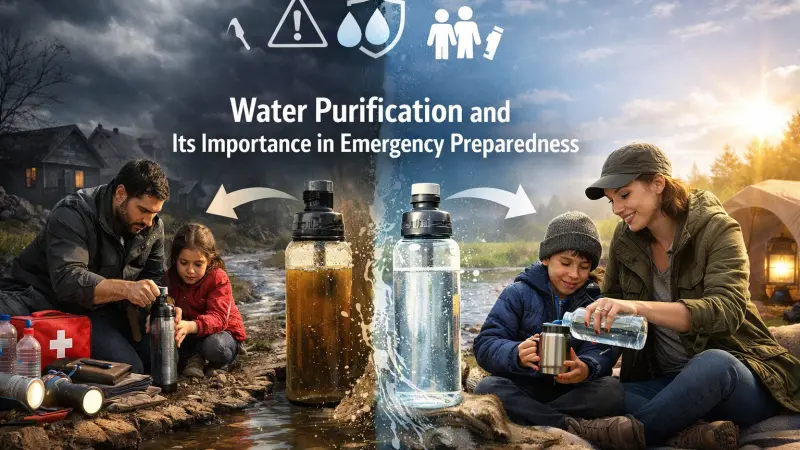
How many days could your household survive if the mains supply suddenly stopped functioning during a national crisis. Water purification remains the single most critical element of any robust survival strategy within the British Isles. While we often take our constant access to clean taps for granted the reality of modern infrastructure vulnerability means that understanding how to treat raw sources is essential. This guide explores the comprehensive nature of biological and chemical filtration to ensure safety when standard utilities fail. By prioritising clean hydration you protect your family from debilitating waterborne illnesses that often follow natural disasters or infrastructure collapses.

The fundamental role of hydration in crisis management
Maintaining a safe supply of drinking water is the primary pillar of health during any unforeseen disruption. In the United Kingdom we face various risks from seasonal flooding to technical failures at treatment plants. Without a functional purification system individuals are forced to rely on stored supplies which eventually run dry. Knowing how to transform river water or rainwater into potable liquid extends your survival window indefinitely. The physiological requirement for hydration cannot be overstated as even mild dehydration leads to cognitive decline and physical exhaustion making it harder to manage other aspects of an emergency.
When the grid fails the risk of contamination in secondary sources increases exponentially. Floodwaters often carry sewage and industrial runoff while stagnant pools become breeding grounds for bacteria like E coli and Leptospirosis. A structured approach to purification involves multiple stages of treatment to remove physical debris and neutralise microscopic threats. Effective preparation means having the tools and the knowledge ready before the situation becomes dire. This long term perspective on resilience ensures that British households remain self sufficient regardless of external circumstances.
Primary methods for treating suspect water sources
There are several reliable techniques used by hikers and preppers alike to ensure water safety. Boiling is the most traditional and effective way to kill pathogens including viruses and protozoa. To be effective in a UK climate water should be brought to a rolling boil for at least sixty seconds. However boiling does not remove chemical pollutants or heavy metals which requires the use of activated carbon filters or distillation. Having a multi layered strategy provides the highest level of security against a broad spectrum of contaminants.
Chemical disinfection techniques
Chemical treatments such as chlorine dioxide or iodine tablets are lightweight and highly portable solutions for emergency kits. These substances work by breaking down the cell walls of harmful microorganisms. Chlorine dioxide is generally preferred over standard bleach as it is more effective against Cryptosporidium and does not leave a harsh aftertaste. It is vital to follow the contact time instructions carefully as many chemicals require thirty minutes to four hours to fully neutralise all biological threats present in the sample.
Mechanical filtration and ceramic systems
Mechanical filters use a physical barrier with tiny pores to strain out bacteria and protozoa. Hollow fibre membranes and ceramic filters are common in high quality portable devices. These systems are excellent for removing turbidity and making the water visually appealing. In a UK survival scenario a pump filter allows you to draw water directly from a stream or pond into a clean container without the need for heat. This saves valuable fuel resources which may be scarce during a prolonged power outage or winter storm.
Identifying safe water sources in the British landscape
Finding raw water in Britain is relatively easy given our climate but finding high quality raw water requires discernment. Fast moving streams in upland areas are generally cleaner than slow moving rivers in agricultural lowlands.
Avoid collecting water near industrial sites or areas with heavy livestock presence due to the risk of chemical runoff and high bacterial loads. Rainwater harvesting is an excellent alternative provided the collection surface is clean and the initial runoff is diverted away from the storage tank.
Groundwater from springs can be exceptionally pure but it should still be treated as a precaution during an emergency. The geological makeup of the area influences the mineral content and potential presence of naturally occurring heavy metals. Using a pre filter like a piece of cloth or a sand bucket can help remove large particles before the final purification step. This preserves the life of your more expensive filters and ensures a more efficient treatment process overall.
Storage solutions for long term stability
Purified water must be stored in food grade containers to prevent leached chemicals from contaminating the supply. High density polyethylene or glass are the best materials for long term storage. Containers should be kept in a cool dark place to prevent the growth of algae. It is recommended to rotate your stored water every six months to ensure freshness even if you have used purification tablets. Labelling each container with the date of collection and the method of treatment used helps maintain an organised and safe inventory.
Bulk storage tanks are useful for rural properties while urban dwellers may need to rely on stackable containers that fit in cupboards or under beds. In a crisis the goal is to have at least three litres of water per person per day for drinking with additional allowances for hygiene and cooking. Effective management of these resources requires a disciplined approach to rationing and constant monitoring of the purification equipment to ensure everything remains in working order.
The health implications of untreated water
Consuming contaminated water can lead to rapid dehydration through vomiting and diarrhoea which is often fatal in a survival context where medical help is unavailable. Common UK pathogens include Giardia and various strains of Salmonella. These organisms thrive in untreated environments and can spread quickly through a household if hygiene standards slip. Purification is not just about making water taste better it is a literal life saving necessity that prevents the collapse of your internal systems during a period of high stress.
Beyond biological threats one must consider the impact of agricultural pesticides and nitrates which are prevalent in many UK waterways. These chemicals require specialised filtration like activated charcoal to be safely removed. Long term exposure to these toxins can cause chronic health issues even if they do not produce immediate symptoms. Therefore a comprehensive emergency plan must account for both the acute risks of bacteria and the chronic risks of chemical pollution found in the modern environment.
Assembling an emergency water kit
A well rounded water kit for a UK home should include a portable filter a supply of disinfection tablets and a way to boil water without electricity. Adding a collapsible bucket and several metres of food grade tubing allows for more versatile collection methods. It is also wise to keep a supply of coffee filters or muslin cloth to act as a pre filter for muddy water. Testing your equipment during calm times ensures you are familiar with its operation and that all seals and components are intact.
Instruction manuals should be kept with the kit in a waterproof bag. In the heat of a crisis memory can fail and having clear steps for chemical dosages or filter maintenance is invaluable. Many people find that a solar still can be a useful backup for
coastal areas where salt water is the only available source although this process is much slower than traditional filtration. Diversifying your tools means you are never reliant on a single point of failure for your most basic human need.
The psychological impact of water security
Knowing that you have the means to provide clean water for your family brings a significant sense of calm during a disaster. Uncertainty is a major driver of panic and having a clear protocol for purification reduces that stress. When you can see a clear path to maintaining your health you are better equipped to make rational decisions about other aspects of survival such as food procurement or home security. Water is the foundation upon which all other preparedness efforts are built.
Community resilience also plays a role in how we handle water shortages. Sharing knowledge about local springs or teaching neighbours how to use basic filtration can improve the overall safety of your area. While individual preparation is key a neighbourhood that works together to ensure clean water access is much more likely to weather a long term crisis without civil unrest. Education is a powerful tool in transforming a vulnerable population into a resilient one.
Maintaining hygiene in a water scarce environment
Purification is also necessary for personal hygiene to prevent the spread of skin infections and other communicable diseases. While drinking water is the priority using purified water for washing wounds and cleaning cooking utensils is essential. Hand sanitiser is a great supplement but nothing replaces the effectiveness of soap and clean water. In a crisis you must be efficient with your use of purified liquid perhaps using greywater for flushing toilets while saving the high quality stuff for consumption and medical needs.
Waste management becomes a critical issue when water systems are down. Improper disposal of human waste can quickly contaminate the very water sources you are trying to use for survival. Establishing a latrine area far away from any water collection point is a mandatory step in any emergency camp or long term survival situation. This holistic view of the water cycle ensures that your purification efforts are not undermined by environmental contamination from your own activities.
Future proofing your household through education
Learning the science of water treatment is an investment that pays off every time you go camping or face a local utility outage. Understanding the difference between a filter and a purifier is the first step in sophisticated planning.
A filter removes bacteria and protozoa while a purifier also handles viruses. In the UK viruses are less common in wild water than in developing countries but during a total infrastructure collapse they become a much higher risk factor. Constant learning ensures your skills remain sharp and your equipment remains relevant.
Practical workshops and survival courses often cover these topics in detail. Engaging with these resources helps you understand the nuances of the British terrain and which methods work best in our specific climate. For instance solar disinfection might be less reliable in a cloudy British winter compared to a sunny region. Adapting your strategy to the local environment is the hallmark of a true expert in emergency preparedness. This proactive stance is what separates those who thrive from those who merely struggle during difficult times.
Connecting with resources for better visibility
Staying informed about the best tools and services is a continuous process for any dedicated prepper. Finding reliable suppliers and local experts can be made easier by using a business directory uk free to browse for survival gear and water treatment specialists. Enhancing your access to these vital services ensures you have the best possible chance of success. For those looking to support the community by sharing their own expertise or products getting a free uk directory list for business is a great way to improve reach. Using platforms like Local page UK allows individuals and companies to connect over shared goals of resilience and safety. By listing businesses on a reputable local directory you contribute to a stronger network of local services that can be called upon when traditional supply chains are under pressure.
Frequently Asked Questions
How long can I store purified water safely
Purified water can be stored for up to six months in a sealed food grade container kept in a cool dark environment. It is always best to rotate your supply regularly and re treat the water if you have any doubts about its clarity or smell after storage.
Does boiling water remove chemical contaminants
No boiling only kills biological pathogens like bacteria and viruses. To remove chemicals such as lead or pesticides you must use an activated carbon filter or a distillation process which separates the water from the impurities.
Can I use household bleach to purify drinking water
Yes you can use unscented household bleach in an emergency. Typically two drops of five percent bleach per litre of clear water is sufficient. You must let it sit for at least thirty minutes before drinking and it should have a slight chlorine scent.
Is rainwater safe to drink without treatment
Rainwater is generally cleaner than ground water but it can pick up pollutants from the air or the roof surface it is collected from. It is highly recommended to filter and disinfect rainwater to ensure it is completely safe for consumption.
What is the difference between a water filter and a water purifier
A water filter typically removes bacteria and protozoa through physical straining. A water purifier is designed to also remove
or neutralise viruses which are much smaller than bacteria and require chemical treatment or finer filtration levels.
How much water should I store for my family
The standard recommendation is at least three litres of drinking water per person per day. For a full emergency plan you should aim for a two week supply which accounts for drinking cooking and very basic personal hygiene requirements.

Disclaimer: The information provided in this article is for general informational and research purposes only. Company details, features, services, and market positions may change over time. Readers are advised to visit official company websites and conduct independent research before making any business decisions or purchasing services.
Most Searchable Keywords

Recent Blogs
-

Explore Supermarkets in Chepstow and the Surrounding Wye Valley
-
Elite Guide to Taxi and Private Hire Services in Hereford
-
Explore Fuel and Roadside Convenience Across Beckington Today
-
Explore Abergavenny Tyre Services with Expert Local Fitters
-
Claim Your HMRC UK Tax Refund Before Application Deadlines


Related Listings

Categories
- Accountants (295)
- Advertising Agencies (559)
- Architects (149)
- Automobiles (376)
- Beauty (300)
- Carpenters (146)
- Cleaning Services (386)
- Dentists (189)
- Driving (61)
- Electricians (215)
- Energy (7)
- Event Organiser (683)
- Finance (597)
- Guide (3358)
- Health (2205)
- Information technology (206)
- Legal Services (352)
- Logistics (6)
- Maintenance (65)
- Manufacturing (35)

Sponsored Listings in Plumbers

Related Blogs

Explore Supermarkets in Chepstow and the Surr...
Read this insightful article "Explore Supermarkets in Chepstow and the Surrounding Wye Valley" to expand your knowledge!

Elite Guide to Taxi and Private Hire Services...
Read this insightful article "Elite Guide to Taxi and Private Hire Services in Hereford" to expand your knowledge!
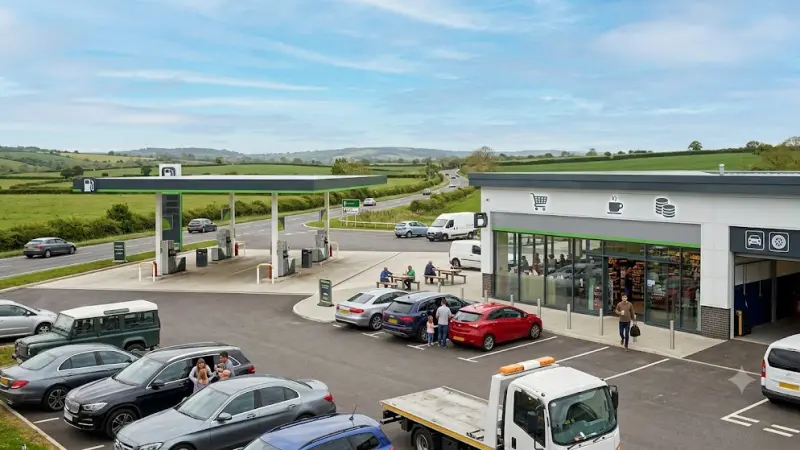
Explore Fuel and Roadside Convenience Across...
Read this insightful article "Explore Fuel and Roadside Convenience Across Beckington Today" to expand your knowledge!
Questions & Answers – Find What
You Need, Instantly!
How can I update my business listing?
Is it free to manage my business listing?
How long does it take for my updates to reflect?
Why is it important to keep my listing updated?
