
Netflix’s ‘Devil May Cry’ Anime to Conclude With Third and Final Season: A ‘Movie Trilogy Disguised as TV’
 Previous

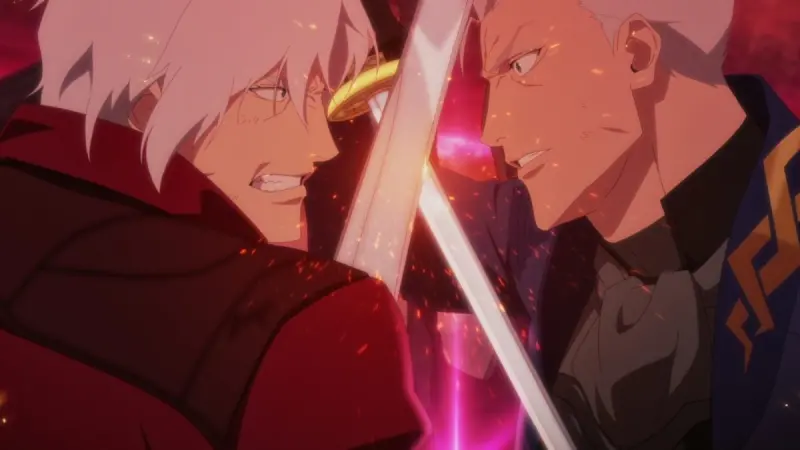

Netflix’s stylish, gun-slinging anime adaptation of Capcom’s legendary Devil May Cry franchise is drawing its final curtain. The streaming giant has officially confirmed that the series will bow out after its upcoming third season, a move that showrunner Adi Shankar insists was baked into the creative DNA from day one.
Announced alongside the greenlight for Season 3, the news has sent shockwaves through the anime and gaming communities—but for those who have been decoding Shankar’s cryptic episode titles, the reveal is less a surprise and more a poetic conclusion. “This was always Dante’s Divine Comedy with guns and a red coat,” Shankar wrote in the press release. “Season 1 was Inferno. Season 2 was Purgatorio. Season 3 will be Paradiso. These three seasons make up ‘The Force Edge Saga.’ Since inception, it was designed as a movie trilogy disguised as a television series.”
The announcement, made on June 4, 2026, positions the show’s end as a carefully orchestrated arc rather than a premature cancellation—a rarity in Netflix’s volatile content landscape, where many series are axed without resolution. With Studio Mir’s fluid animation and Shankar’s signature gonzo storytelling, the Devil May Cry anime has carved out a unique niche: polarizing yet unignorable.
A Legacy of Rebellion and Style
For the uninitiated, Devil May Cry began as a Capcom video game in 2001, introducing the world to Dante—a half-demon, half-human smart-mouthed demon hunter with a flair for acrobatic combat and leather fashion. The franchise spawned multiple sequels, a prequel, and even a 2007 anime series, but Netflix’s adaptation marked the first time the property received a full, serialized Western-animated treatment.
Shankar, best known for his work on Netflix’s Castlevania and the anthology series Dirty Laundry, brought his trademark irreverence and deep reverence for source material to the project. The result was a show that split audiences: die-hard fans of the games praised its kinetic action and Easter eggs, while purists balked at its loose adaptation of canon. io9’s Season 2 review described the series as “an elaborate prank” and “a really good abridged parody series—like TeamFourStar-level parody,” suggesting that Shankar’s unapologetic, meta-laden approach is best appreciated on its own terms.
Love it or hate-watch it, the numbers don’t lie. Netflix’s press release touted that the series debuted on the platform’s Global Top 10 Shows List, though at the time of writing, the show has slipped off that chart (the current animated entries on the movie side include Swapped, Goat, and KPop Demon Hunters). Still, the cultural footprint is undeniable: memes, fan theories, and heated debates over character design have kept the show in the conversation.
The ‘Force Edge Saga’ Unlocks Its Final Chapter
Shankar’s framing of the series as a “movie trilogy” is a clever structural choice that aligns with modern binge-watching habits. Each season functions as a discrete act, with a clear beginning, middle, and end. Season 1 (Inferno) established Dante’s chaotic underworld; Season 2 (Purgatorio) explored the gray morality of demon-hunting; Season 3 (Paradiso) promises a heavenly—or hellish—finale. The title “The Force Edge Saga” references Dante’s iconic sword, which itself is a fusion of the Rebellion and the Devil Sword Sparda in the games, hinting at a climactic unification of themes and characters.
For longtime franchise followers, the show’s ending at three seasons feels fitting. The video game series itself often operates in trilogies, with Devil May Cry 3 serving as a prequel and Devil May Cry 5 as a soft capstone to the original story. Shankar’s adaptation—which blends elements from across the timeline—treats its own narrative with similar reverence, leaving room for possible future spinoffs or even a continuation in another medium.
Industry Implications: Netflix’s Anime Strategy in Focus
Netflix has been aggressively doubling down on anime adaptations of popular video games, from Cyberpunk: Edgerunners to the upcoming Cyberpunk: Edgerunners 2 and Castlevania: Nocturne. The Devil May Cry series fits into a broader trend of high-budget, creator-driven adaptations that appeal to both fans and newcomers. However, the decision to end the show after three seasons—especially after positive reception and a vocal fanbase—signals a shift in Netflix’s strategy toward finite, prestige-style storytelling rather than endless renewals.
Shankar’s own trajectory mirrors this. After Castlevania ended with four seasons, he moved on to Devil May Cry and is now teasing a potential Dante’s Divine Comedy-themed saga that could expand into other Capcom properties. In a tweet accompanying the announcement, Shankar declared, “Adi Shankar is a generational talent,” a self-aggrandizing statement that drew both eye-rolls and nods of agreement from fans who appreciate his uncompromising vision.
What’s Next for Dante and the Demon-Hunting Universe?
With production on Season 3 already underway at Studio Mir (the Seoul-based powerhouse behind The Legend of Korra and Dota: Dragon’s Blood), the final episodes are expected to deliver on the promise of “Smokin’ Sexy Style”—the franchise’s hallmark rank for flawless combat. While plot details remain under wraps, Shankar has hinted that the season will finally explore the full dynamic between Dante and his twin brother Vergil, whose relationship has been a core emotional anchor across the games.
For now, fans can rewatch the first two seasons and debate every frame, from the redesign of Lady to the inclusion of Nelo Angelo. Whether you consider the series a faithful homage or a gleeful desecration, one thing is certain: Adi Shankar’s Devil May Cry will go out swinging, challenging the very nature of what a video game adaptation can be. As the credits roll on Paradiso, the line between heaven and hell—and between television and cinema—will blur into something entirely new.
Disclaimer - All celebrity-related content, information, and images on this website are based on publicly available online sources and AI-generated insights/data. Information such as biography, age, career, personal details, and images may change without notice over time. While we strive for accuracy, we do not guarantee the accuracy, completeness, reliability, or timeliness of any information or imagery displayed on this website. This content is provided for general informational purposes only.

Top Trending News of Netflix
 👁️ 523 views
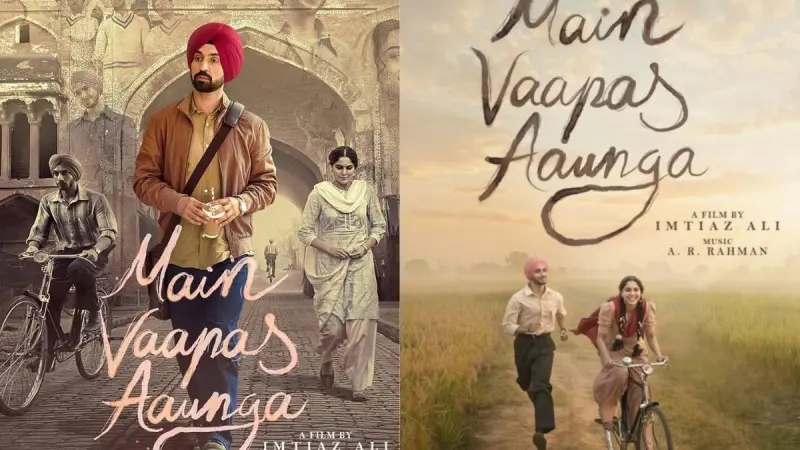
🔥 ‘Main Vaapas Aaunga’ OTT Home Revealed: Diljit Dosanjh, Vedang Raina & Sharvari’s Partition Love Story Heads to Netflix After Theatrical Run
Imtiaz Ali's Main Vaapas Aaunga starring Diljit Dosanjh, Vedang Raina, and Sharvari heads to Netflix after June 12 theatrical release. Get OTT details, Ektaa Kapoor's review, and why this Partition love story is Bollywood's most anticipated film of 2026.
 👁️ 285 views
🔥 ‘Passenger’ (2026) Horror Movie: Streaming Release Date, Theatrical Run, and Where to Watch the Supernatural Thriller
Is the 2026 horror movie 'Passenger' streaming on Netflix or Amazon Prime? Directed by André Øvredal, this supernatural thriller stars Jacob Scipio and Lou Llobell. Find out where to watch, digital release date, and Paramount+ streaming plans.








Details
Send Us an Enquiry
We'll get back to you as soon as possible.
Thank You!
Your enquiry has been submitted. We'll be in touch shortly.