
Summer Movie Season 2026: 5 Burning Questions as Superheroes, Star Wars and Spielberg Face a Box-Office Reckoning
 Previous

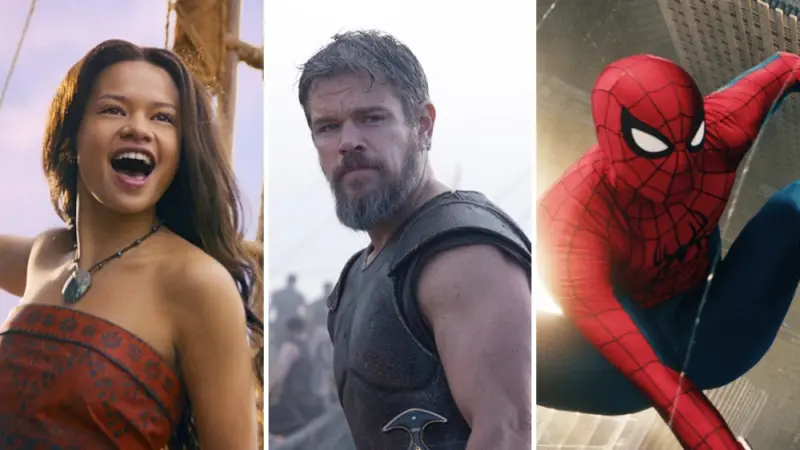
Hollywood enters the summer of 2026 with bated breath and a checkbook that burns a little brighter. The industry’s most lucrative stretch—May through August—accounts for roughly 40% of the annual domestic box office, but recent years have humbled even the mightiest studios. After a disappointing 2025 that saw comic-book tentpoles like Thunderbolts and Fantastic Four: First Steps stumble, along with the long-in-the-tooth Mission: Impossible – The Final Reckoning, the $4 billion seasonal threshold remains tantalizingly out of reach. Now, with a slate packed with risky sequels, original epics from auteurs, and a live-action Disney remake on the clock, every weekend from May to August will serve as a referendum on what modern audiences truly crave. From the fate of superhero cinema to the small-screen drift of Star Wars, here are the five questions that will define popcorn season.
1. Will Superheroes Rise Again—or Is the Genre Truly Grounded?
For over a decade, comic-book movies were Hollywood’s unstoppable engine. But the post-pandemic era has exposed cracks in that fortress. Audiences are increasingly selective, punishing formulaic entries while rewarding fresh takes. Sony’s Spider-Man: Brand New Day (July 31) is poised to be a juggernaut, riding the residual goodwill of Tom Holland’s No Way Home and the multiverse craze. Yet its success is almost preordained—the real litmus test lands a month earlier with DC’s Supergirl (June 26).
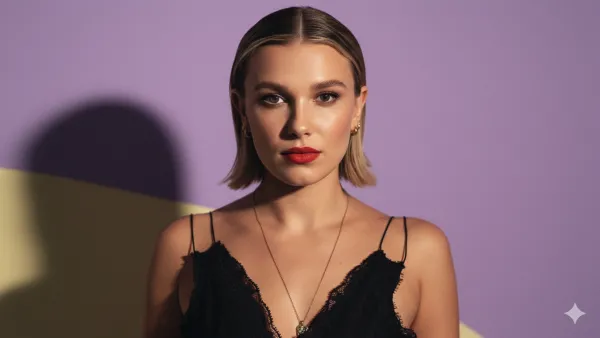
Last summer’s Superman reboot grossed a respectable $618 million globally, but it relied on the Kryptonian’s iconic status. Now, Milly Alcock steps into the crimson cape as Kara Zor-El—a character beloved in niche comic circles but far from a household name. If Supergirl soars, it signals that audiences are hungry for a broader DC Universe, potentially greenlighting projects like Power Girl or Superman’s Pal, Jimmy Olsen. If it stumbles, studios may retreat to only the most bankable brand pillars—Spider-Man, Batman, Wonder Woman—and abandon the ambitious shared-universe expansion that defined the 2010s.
2. Can Spielberg and Nolan Remind Hollywood That Originality Still Pays?
In a summer flooded with sequels, remakes, and spinoffs, two of the most anticipated titles are stubbornly original. Steven Spielberg’s Disclosure Day (June 12) marks the director’s first pure popcorn spectacle in nearly a decade—a high-stakes drama about corporate whistleblowing, starring Emily Blunt. Meanwhile, Christopher Nolan follows his Oppenheimer triumph with The Odyssey (July 17), a non-traditional adaptation of Homer’s epic that reportedly blends IMAX spectacle with intimate storytelling. Both films are released by Universal, a studio betting big on auteur-driven blockbusters.
This isn’t just a battle of box-office numbers; it’s a philosophical clash. For years, Hollywood has leaned on IP, arguing that audiences won’t show up for something unfamiliar. But 2023’s Oppenheimer—a three-hour biopic about a physicist—grossed nearly $1 billion. If both Spielberg and Nolan deliver commercial hits, it could embolden studios to greenlight more mid-budget original concepts, reversing the trend toward only mega-franchises. The real winner may be the idea that star power behind the camera, not just on screen, still commands global attention.
3. Disney’s Live-Action Moana: Nostalgia Gold or Overkill?
Disney’s live-action remake strategy has produced extremes: Lilo & Stitch and The Lion King became billion-dollar smashes, while Snow White and Dumbo fizzled. Now the studio tests the waters with Moana (July 10), a shot-for-shot reimagining of the 2016 animated hit. The challenge is timing. The original Moana is only a decade old—barely enough to generate the deep nostalgia that propelled Lilo & Stitch. Worse, a direct-to-streaming sequel, Moana 2, was hastily retooled into a theatrical release in November 2024, meaning audiences have seen this story twice in under two years.
Can Dwayne Johnson’s Maui and Auli’i Cravalho’s voice (reprising the character) lure families away from streaming the animated version at home? The answer could dictate Disney’s entire remake pipeline. If Moana succeeds, expect accelerated greenlights for Tangled or The Princess and the Frog. If it fails, Disney may finally retire the remake wheel and pivot to original IP—or double down on live-action versions of its most distant classics, like The Black Cauldron.
4. Is Star Wars a Streaming Franchise Now—or Can It Reclaim Theaters?
It’s been seven long years since The Rise of Skywalker closed the Skywalker saga, and Lucasfilm has struggled to launch a new theatrical chapter. In that time, the company shifted focus to Disney+, producing series like The Mandalorian, Ahsoka, and Andor. Now, Jon Favreau’s The Mandalorian and Grogu (May 22) attempts to bridge the gap—bringing the beloved bounty hunter and Baby Yoda to the big screen for the first time.
The film faces a unique challenge: it must satisfy fervent fans of the streaming show while enticing casual moviegoers who never subscribed to Disney+. If it performs below expectations, it could signal that Star Wars has permanently migrated to home screens, where episodic storytelling thrives. A strong showing, however, would reignite interest in upcoming theatrical projects like the untitled James Mangold film and the Sharmeen Obaid-Chinoy directed Rey sequel. The Force is strong, but is it cinematic?
5. Can Indie Films Break Through the Tentpole Noise?
Every summer, a handful of lower-budget titles aim to serve as counterprogramming to the blockbuster behemoths. This year’s hopefuls include Olivia Wilde’s comedy The Invite (a Sundance breakout that triggered a bidding war), the Anthony Bourdain biopic Tony, the conversion therapy horror Leviticus, and the YouTube-generation sci-fi thriller Backrooms. Yet the indie ecosystem remains fragile post-COVID. Recent hits like The Drama ($122 million), Marty Supreme ($191 million), and Materialists ($107 million) succeeded because they sparked cultural conversations—often via social media virality or star power from names like Timothée Chalamet and Zendaya.
The question is whether A24, Neon, and other specialty distributors can harness the zeitgeist again. With streaming platforms cannibalizing mid-budget dramas, the art-house box office has become a winner-take-all game. One breakout could prove that theatrical theatricality—eventizing an original story—still works. But the margin for error has never been thinner.
As the curtains rise on May’s first weekend, Hollywood holds its breath. The answers to these five questions will ripple through development meetings, greenlight committees, and contract negotiations for years to come. One thing is certain: the audience’s voice—pocketbook in hand—will be loud and clear.
Disclaimer - All celebrity-related content, information, and images on this website are based on publicly available online sources and AI-generated insights/data. Information such as biography, age, career, personal details, and images may change without notice over time. While we strive for accuracy, we do not guarantee the accuracy, completeness, reliability, or timeliness of any information or imagery displayed on this website. This content is provided for general informational purposes only.
Top Trending News of Netflix
 👁️ 585 views
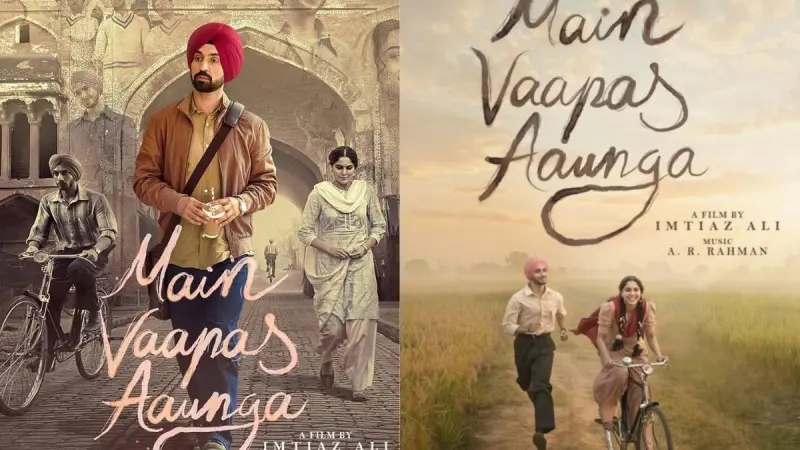
🔥 ‘Main Vaapas Aaunga’ OTT Home Revealed: Diljit Dosanjh, Vedang Raina & Sharvari’s Partition Love Story Heads to Netflix After Theatrical Run
Imtiaz Ali's Main Vaapas Aaunga starring Diljit Dosanjh, Vedang Raina, and Sharvari heads to Netflix after June 12 theatrical release. Get OTT details, Ektaa Kapoor's review, and why this Partition love story is Bollywood's most anticipated film of 2026.
 👁️ 490 views
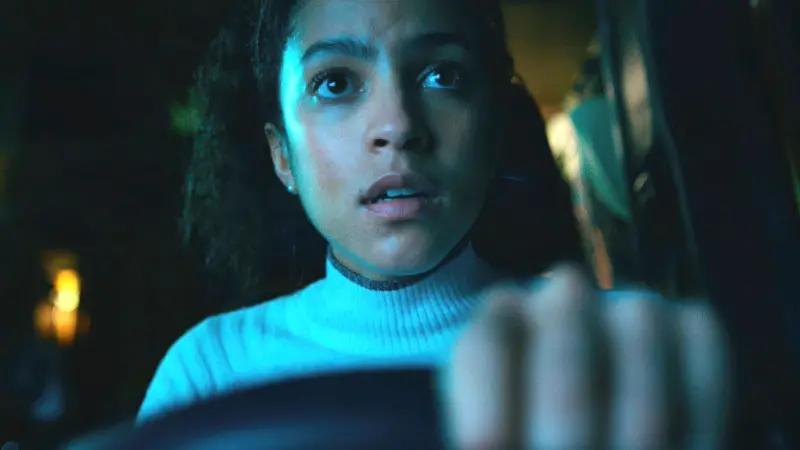
🔥 ‘Passenger’ (2026) Horror Movie: Streaming Release Date, Theatrical Run, and Where to Watch the Supernatural Thriller
Is the 2026 horror movie 'Passenger' streaming on Netflix or Amazon Prime? Directed by André Øvredal, this supernatural thriller stars Jacob Scipio and Lou Llobell. Find out where to watch, digital release date, and Paramount+ streaming plans.





Details
Send Us an Enquiry
We'll get back to you as soon as possible.
Thank You!
Your enquiry has been submitted. We'll be in touch shortly.