
Beyond the Headlines: 20 Essential True Crime Films and TV Shows That Redefine the Genre
 Previous

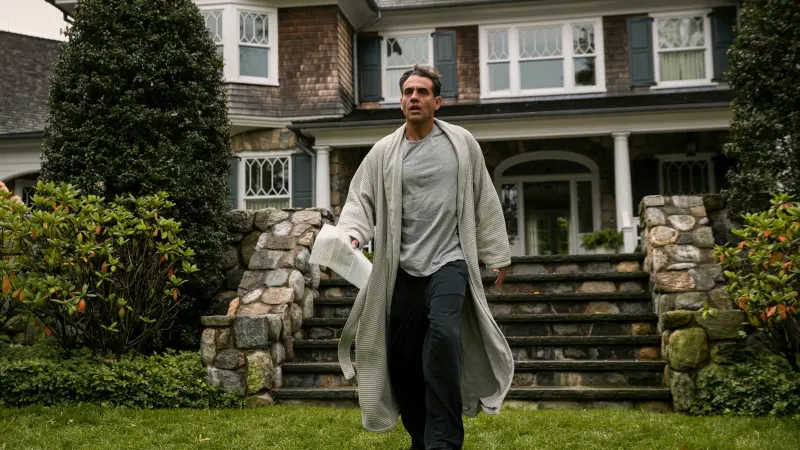
True crime has evolved from a niche fascination into a cultural juggernaut, dominating streaming queues and water-cooler conversations alike. The genre’s appeal lies in its ability to transform real-life horror into gripping drama, offering audiences a chance to grapple with the darkest corners of human nature from the safety of their couches. With studios and networks investing heavily in adaptations of infamous cases, the landscape is richer than ever. Here, we break down 20 essential films and television series that every true crime devotee must watch—from the hauntingly classic to the trendsetting modern.
The Streaming Era’s Most Addictive True Crime Series
Streaming platforms have become the primary home for serialized true crime, allowing for deep dives into complex narratives that unfold over multiple episodes. These series not only retell events but also examine the psychological and systemic factors behind them.
“The Watcher”
This Hulu thriller, anchored by a chilling performance from Naomi Watts alongside Bobby Cannavale and Jennifer Coolidge, is based on the real-life ordeal of a New Jersey family terrorized by anonymous letters after buying their dream home. The show masterfully blurs the line between suburban paranoia and genuine threat, tapping into a universal fear of violated privacy. Its success underscores the streaming appetite for slow-burn mysteries rooted in everyday dread.
“Dirty John”
Before it was a Bravo series starring Connie Britton, this story began as a gripping LA Times podcast. The tale of a charismatic con artist who seduces a successful California woman is almost too bizarre to believe, yet its exploration of manipulation and vulnerability resonates deeply. The show’s taut pacing and Britton’s nuanced performance make it a benchmark for podcast-to-screen adaptations.
“Mindhunter”
David Fincher brought literary precision to the small screen with this Netflix series, adapted from the FBI profiler’s memoir. It follows two agents in the late 1970s as they interview incarcerated serial killers to understand criminal psychology. Though canceled after two seasons, “Mindhunter” remains a cult favorite for its meticulous period detail and unnerving dialogue—a masterclass in forensic drama that has influenced countless subsequent crime procedurals.
“When They See Us”
Ava DuVernay’s limited series is an unflinching indictment of the justice system, recounting the wrongful conviction of the Central Park Five. The show’s raw emotional power and detailed historical reconstruction earned critical acclaim and sparked renewed conversations about racial bias in law enforcement. It stands as a testament to how true crime can serve as a tool for social justice.
“The Staircase”
Colin Firth delivers a career-best turn as Michael Peterson, a novelist accused of murdering his wife after she falls down a staircase. The series, based on the acclaimed documentary of the same name, explores the ambiguities of the case and the media circus surrounding it. Its layered storytelling forces viewers to question what they would believe if faced with a similar tragedy.
Cinematic Masterpieces Based on Real Events
The silver screen has long been fascinated by true crime, producing films that are as artistically ambitious as they are harrowing. These movies often distill complex cases into two hours of searing drama.
“In Cold Blood”
Richard Brooks’ 1967 adaptation of Truman Capote’s groundbreaking book is widely credited with launching the modern true crime genre. Shot in stark black-and-white, the film follows the senseless murder of a Kansas family and the killers’ subsequent downfall. Its documentary-like realism and psychological depth remain influential, setting a standard for empathy without glamorizing violence.
“Spotlight”
Tom McCarthy’s Oscar-winning film chronicles the Boston Globe’s investigation into the Catholic Church’s child sex abuse cover-up. With an ensemble cast including Mark Ruffalo, Rachel McAdams, and Stanley Tucci, the movie focuses on the journalistic process rather than sensationalism. It’s a reminder that some of the most gripping true crime stories involve the pursuit of institutional accountability.
“The People v. O.J. Simpson: American Crime Story”
Ryan Murphy’s anthology series redefined the true crime TV landscape by turning the most publicized trial in history into a meditation on race, celebrity, and media. John Travolta and Sarah Paulson deliver standout performances, but the series’ depth lies in its critique of a justice system that often prioritizes spectacle over truth. It remains essential viewing for understanding how the case changed America.
“Catch Me If You Can”
Steven Spielberg’s 2002 caper is a rare lighthearted entry in the true crime canon, tracking the exploits of legendary con artist Frank Abagnale (Leonardo DiCaprio). While some details are embellished, the film captures the audacity of a teenager who forged his way through airlines, hospitals, and law firms. Its mix of charm and tension proves that true crime doesn’t always have to be grim.
“Monster”
Charlize Theron’s transformative Oscar-winning performance as Aileen Wuornos, a sex worker who killed seven men, is a harrowing character study. Director Patty Jenkins avoids exploitation, instead delving into Wuornos’s traumatic past to humanize a figure often dismissed as a monster. The film sparked debates about mental health, poverty, and the death penalty—issues that remain painfully relevant.
Classics and Cult Favorites That Shaped the Genre
Some true crime films and shows have earned legendary status for their audacity, style, or historical significance. They continue to influence new generations of storytellers.
“The Black Dahlia”
Brian De Palma’s 2006 neo-noir takes on the still-unsolved 1947 murder of Elizabeth Short. While the film leans into campy melodrama, its lush visuals and period atmosphere offer a stylized entry point into one of Hollywood’s most infamous cold cases. Starring Josh Hartnett and Scarlett Johansson, it’s a flawed but fascinating artifact of early 2000s true crime filmmaking.
“JFK”
Oliver Stone’s controversial epic about the assassination of President John F. Kennedy is a masterwork of conspiracy theory cinema. Mixing archival footage with fictionalized courtroom drama, Stone builds a compelling if speculative case about government cover-ups. Whether you agree with its conclusions, the film’s influence on public skepticism toward official narratives is undeniable.
“Changeling”
Clint Eastwood directs Angelina Jolie in this 1928-set drama about a mother told her missing son has been found—only to realize the boy is an impostor. The story exposes the corruption of the Los Angeles Police Department and the era’s lack of forensic science. Jolie’s restrained grief anchors a film that feels both period-specific and eerily timely.
“Lost Girls”
This Netflix film focuses on the still-unsolved Long Island serial killer case, centering on the families of missing sex workers. Amy Ryan’s raw performance as a mother demanding justice highlights the systemic indifference toward victims from marginalized communities. It’s a somber reminder that true crime often fails to provide closure.
“Extremely Wicked, Shockingly Evil and Vile”
Zac Efron’s chilling portrayal of Ted Bundy generated buzz for its unconventional approach, showing the killer through the eyes of his girlfriend (Lily Collins). The film takes its title from the judge’s sentencing remarks and leans into the banality of evil, making it a polarizing but memorable addition to the Bundy filmography.
From Podcast to Screen: The New Wave of True Crime Adaptations
The success of podcast-driven narratives has led to a surge in prestige TV adaptations, often blending dark humor with sharp social commentary.
“Dr. Death”
This Peacock series recounts the terrifying tale of Dr. Christopher Duntsch, a Texas neurosurgeon whose botched surgeries left patients maimed or dead. Joshua Jackson’s unnerving performance captures the arrogance of a sociopath operating within a broken medical system. The show is a cautionary tale about the dangers of unchecked authority in healthcare.
“The Dropout”
Amanda Seyfried’s Emmy-winning turn as Elizabeth Holmes, the disgraced Theranos founder, is the standout in this Hulu series. It traces Holmes’s rise and fall with a mix of tragic ambition and sheer absurdity—a techno-thriller that illustrates how Silicon Valley hubris can lead to massive fraud. The series is essential for understanding the intersection of true crime and corporate malfeasance.
“The Thing About Pam”
Renée Zellweger disappears under prosthetics and a Southern drawl to play Pam Hupp, a Missouri woman convicted of murder. The series, criticized by some for its flippant tone, offers a campy but gripping look at how a small-town crime unraveled into a web of lies. Zellweger’s committed performance makes it a guilty pleasure for true crime enthusiasts.
“Unbelievable”
Based on a Pulitzer Prize-winning article, this Netflix series follows a survivor of a serial rapist who is initially disbelieved by police. The story, told with restraint, highlights the failures of the justice system and the perseverance of two female detectives. It’s a searing indictment of victim-blaming and a tribute to the power of investigative journalism.
“The Trial of the Chicago 7”
Aaron Sorkin wrote and directed this electrifying Netflix film about the 1968 anti-war protesters charged with conspiracy. Sacha Baron Cohen and Jeremy Strong lead a stellar cast in a courtroom drama that feels both historically accurate and urgently relevant. The film reminds us that true crime often intersects with political dissent and state overreach.
As the appetite for true crime continues to grow, these 20 works represent the genre’s best—stories that inform, unsettle, and provoke. Whether you’re a seasoned fan or a newcomer, they offer a window into the real-world dramas that keep us riveted, while also challenging us to ask deeper questions about justice, truth, and the human capacity for darkness. The next great true crime adaptation is surely already in development, waiting to turn tomorrow’s headlines into tomorrow’s obsessions.
Disclaimer - All celebrity-related content, information, and images on this website are based on publicly available online sources and AI-generated insights/data. Information such as biography, age, career, personal details, and images may change without notice over time. While we strive for accuracy, we do not guarantee the accuracy, completeness, reliability, or timeliness of any information or imagery displayed on this website. This content is provided for general informational purposes only.
Top Trending News of TV Series
 👁️ 220 views
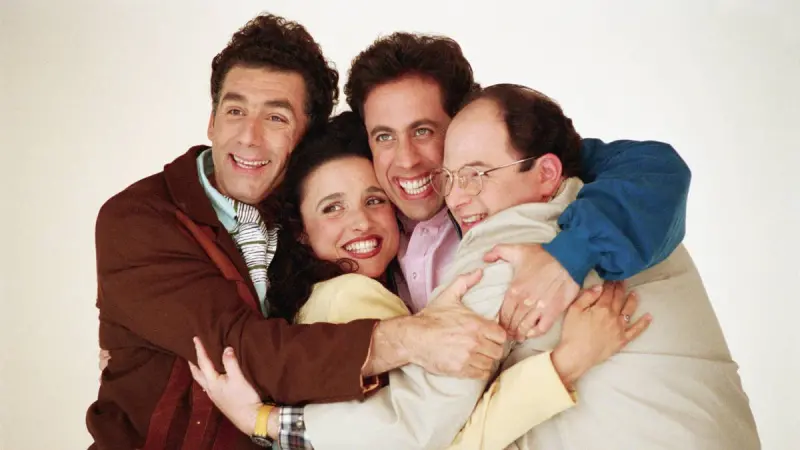
🔥 Netflix Loses ‘Seinfeld’ This Year: Here’s the Last Day to Watch the Iconic Sitcom
Netflix’s five-year deal for ‘Seinfeld’ expires October 1, 2026. We break down what happens next, potential bidding wars, and why the classic sitcom still matters in the streaming era.
 👁️ 175 views
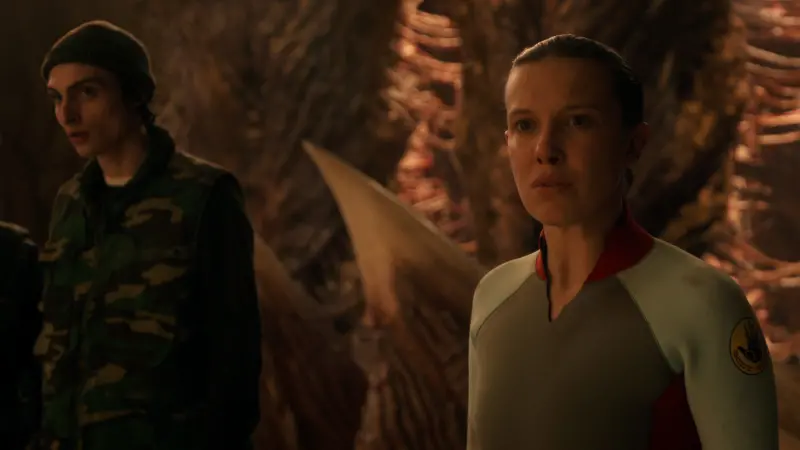
🔥 ‘Stranger Things’ Dominates 2025-26 TV Season as Nielsen’s Multiplatform Rankings Reshape the Ratings Landscape
Stranger Things tops Nielsen's 2025-2026 multiplatform rankings with 32.9M viewers, as Netflix dominates and Taylor Sheridan's Marshals leads broadcast. Full analysis of the most-watched TV series of the season.

Details
Send Us an Enquiry
We'll get back to you as soon as possible.
Thank You!
Your enquiry has been submitted. We'll be in touch shortly.