
Beyond the Shadows: The Essential Horror Anime That Redefine Terror
 Previous

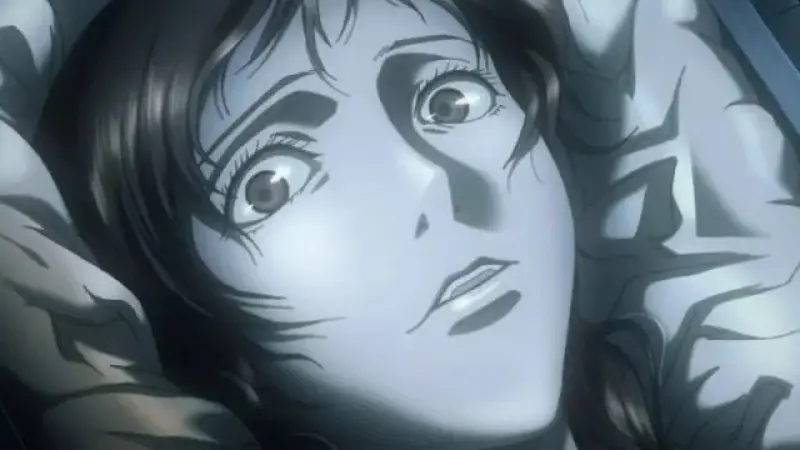
In the vast landscape of global animation, Japan has long served as a sanctuary for horror—a realm where the supernatural seeps into everyday life and animation itself becomes a canvas for the macabre. Unlike Western markets that often pigeonhole cartoons as children's fare, Japan's cultural embrace of manga and anime for all ages has allowed creators to explore terror with unflinching maturity. From psychedelic nightmares to existential dread, the best horror anime don't just scare—they haunt. Here’s a curated deep dive into the titles that have shaped the genre and continue to terrify audiences as of 2026.
The Art of Fear: Why Japanese Anime Dominates Horror
Japan's affinity for the supernatural runs deep, rooted in folklore of yokai, vengeful spirits, and curses. This cultural bedrock, combined with a willingness to treat animation as a serious medium for adult themes, has produced a horror tradition unlike any other. While live-action horror relies on jump scares and gore, anime can bend reality, distort bodies, and conjure psychological torment with unparalleled freedom. Yet, the genre has faced challenges: many series pivot to comedy at the first shriek, underestimating the audience's appetite for genuine dread. Still, a select group of works stands as testament to what horror anime can achieve—and they are required viewing for any fan of the genre.
Belladonna of Sadness (1973) – The Psychedelic Gothic Opera
Long before adult animation became a streaming mainstay, director Eiichi Yamamoto crafted a visual poem of revenge and despair. Set in medieval France, this film follows Jeanne, a peasant woman brutally violated by a local baron under the archaic droit du seigneur. Traumatized and betrayed, she makes a pact with a mysterious demonic figure, gaining power to wage war against her oppressor—but at the cost of her humanity. The film's watercolor aesthetic, blending slowly animated frames with hallucinatory imagery, creates a trance-like horror that feels both ancient and avant-garde. Despite bombing upon release, it later gained a cult following for its unflinching examination of sexual violence and bodily autonomy—a rarity for its time, and still striking today.
Akira (1988) – The Body Horror Masterpiece
Whether one categorizes it as science fiction or horror, Katsuhiro Otomo's Akira remains the gold standard for animated terror. Set in a post-apocalyptic Neo-Tokyo, the story follows Tetsuo Shima, a teenager who develops godlike psychic powers after a motorcycle accident. His transformation—from rebellious youth to grotesque, world-ending entity—is a descent into body horror that has inspired countless imitators. The film's imagery, from flesh-melting mutations to the chilling cry of “Tetsuo!” is seared into the collective unconscious of anime fandom. Akira not only pushed the boundaries of animation but also proved that the medium could deliver horror as visceral as any live-action film.
Perfect Blue (1997) – The Psychological Nightmare That Predicted the Internet Age
Satoshi Kon's directorial debut remains a cornerstone of psychological horror. Mima Kirigoe, a J-Pop idol, abandons her singing career to become a serious actress—only to be stalked by an obsessive fan, Me-Mania, who refuses to let go of her innocent persona. As murders surround her and reality begins to fracture, Mima questions her own identity. Kon's use of blurred boundaries between performance and reality prefigured the anxieties of the digital era: social media stalking, invasive fandom, and the erosion of self. The film's Hitchcockian tension and eerie prescience make it as relevant today as it was in 1997. It’s a must-watch for anyone who understands that the most terrifying monsters often live inside our own heads.
Vampire Hunter D: Bloodlust (2000) – Gothic Existentialism
Yoshiaki Kawajiri's follow-up to the 1985 classic refines the formula into a sleek, haunting adventure. D, a dhampir mercenary, is hired to rescue a kidnapped woman—only to discover she has willingly eloped with a vampire lord. The film layers vampire mythology with a decaying, dystopian world where even the undead are weary. Kawajiri’s direction improves pacing and world-building, while the animation captures a gothic grandeur that elevates the horror beyond simple bloodsucking. The result is a film that explores loneliness, immortality, and the horror of a life without end.
Mouryou no Hako (Goblin's Box, 2008) – The Quiet Unraveling of Sanity
Don't let the title fool you: there are no goblins here—only the slow, creeping dread of a world unraveling. Directed by Ryūtarō Nakamura, this 13-episode series follows a journalist and a detective investigating a series of grisly murders in postwar Japan, with dismembered bodies packed into wooden boxes. The occult researchers who join them believe something ancient and malevolent is pulling the strings. With no gore to speak of, the horror is entirely psychological, rooted in atmosphere and the unbearable weight of unanswered questions. It's a series that rewards patience and leaves a lasting chill.
Shiki (2010) – Vampires in the Countryside
If Stephen King's Salem's Lot were reimagined as anime, it might look something like Shiki. Set in a remote village, a mysterious plague of deaths spreads as the dead rise to prey on the living. The show doesn't flinch from portraying the brutality of survival, and its art direction—with eerie, angular character designs—amplifies the unease. This series flies under the radar but deserves a spot alongside the greats for its masterful pacing and tragic character arcs. Watch it through your fingers, if you must.
Gyo: Tokyo Fish Attack (2012) – Junji Ito’s Absurdist Body Horror
From the mind of horror manga legend Junji Ito comes a tale that is as ridiculous as it is terrifying: fish with robotic legs terrorize Okinawa. What begins as a bizarre premise soon reveals a horrifying backstory rooted in WWII biological experiments. Director Takayuki Hirao captures Ito's distinctive visual style, turning laughter into screams. The film forces you to laugh at the absurdity—until the full scope of the horror dawns on you. It's a testament to Ito's genius that a story about walking fish can be genuinely unsettling.
Yamishibai: Theatre of Darkness (2013) – Short, Sharp, and Supernatural
Inspired by the kamishibai paper theater tradition, this anthology series features five-minute tales told by a man in a raincoat at dusk. Each episode is a ghost story drawn from Japanese folklore, varying in tone from silly to sleep-stealing. The minimalist animation style—evocative of shadow plays—creates an atmosphere of classic campfire terror. It's a perfect introduction to Japanese ghost stories, and for fans seeking more, series like Ayakashi: Samurai Horror Tales and Requiem from the Darkness offer similar chills.
Parasyte: The Maxim (2014) – Alien Body Horror With Heart
Hitoshi Iwaaki's manga comes to life in this gripping series about alien parasites that take over human bodies. High schooler Shinichi Izumi narrowly escapes when a parasite only occupies his right hand, naming itself Migi. Together, they navigate a world where humans are being consumed from within. The show balances visceral body horror with a surprisingly philosophical exploration of identity and coexistence. It's a crowd-pleaser for good reason: few anime blend action, horror, and emotion so seamlessly.
Uzumaki (2024) – The Spiral Curse Brought to Life
Junji Ito's most famous work finally received a worthy anime adaptation in 2024. A town is cursed by an obsession with spirals—patterns that begin appearing everywhere, contorting reality and bodies in horrifying ways. The mini-series captures Ito's distinctive linework and suffocating atmosphere, making the viewing experience as unsettling as reading the manga. It's a visual feast of the macabre, proving that sometimes the simplest geometric shape can be the most terrifying.
How We Chose the Best Horror Anime
Horror is a broad church. Some fans crave gore; others prefer psychological torment or a touch of dark comedy. Our list deliberately spans decades and subgenres to showcase the diversity of horror anime. We avoided leaning too heavily on one director (though Yoshiaki Kawajiri could easily fill a list alone) and prioritized works that left a lasting impact on the genre. From 1973's psychedelic experiments to 2024's spiral nightmares, these titles prove that horror anime is not a niche—it's a vital, ever-evolving art form.
The future of horror anime shines bright, with new adaptations of classic manga and original stories pushing boundaries. As long as Japan continues to embrace the strange and the unsettling, fans will have no shortage of nightmares to explore.
Disclaimer - All celebrity-related content, information, and images on this website are based on publicly available online sources and AI-generated insights/data. Information such as biography, age, career, personal details, and images may change without notice over time. While we strive for accuracy, we do not guarantee the accuracy, completeness, reliability, or timeliness of any information or imagery displayed on this website. This content is provided for general informational purposes only.
Top Trending News of TV Series
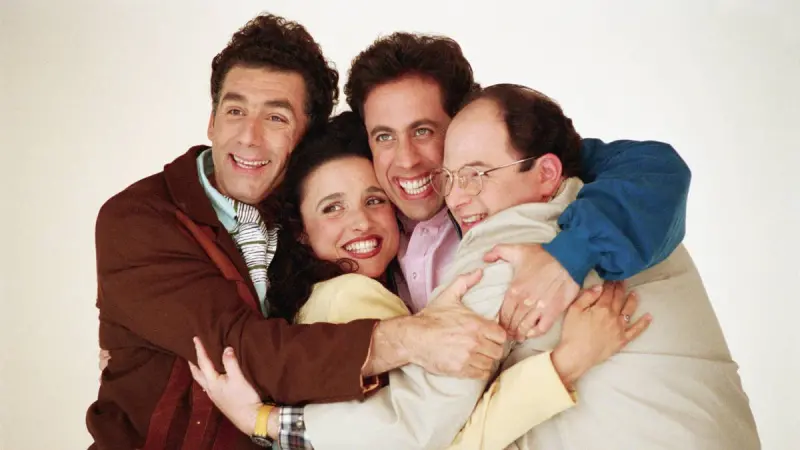 👁️ 220 views
🔥 Netflix Loses ‘Seinfeld’ This Year: Here’s the Last Day to Watch the Iconic Sitcom
Netflix’s five-year deal for ‘Seinfeld’ expires October 1, 2026. We break down what happens next, potential bidding wars, and why the classic sitcom still matters in the streaming era.
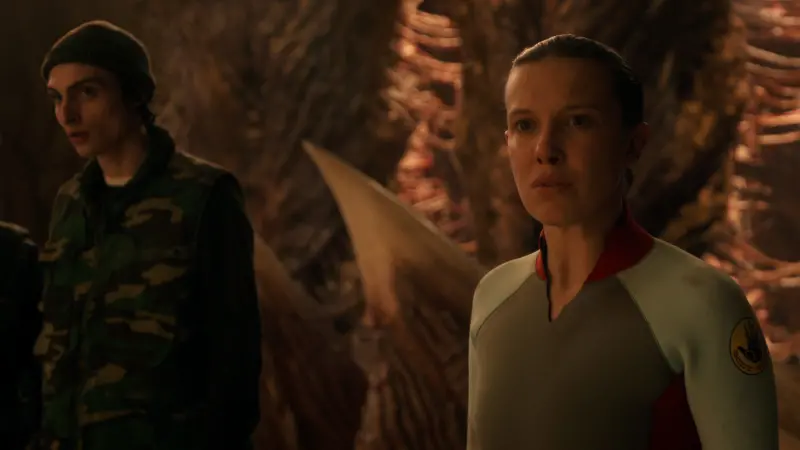 👁️ 175 views
🔥 ‘Stranger Things’ Dominates 2025-26 TV Season as Nielsen’s Multiplatform Rankings Reshape the Ratings Landscape
Stranger Things tops Nielsen's 2025-2026 multiplatform rankings with 32.9M viewers, as Netflix dominates and Taylor Sheridan's Marshals leads broadcast. Full analysis of the most-watched TV series of the season.







Details
Send Us an Enquiry
We'll get back to you as soon as possible.
Thank You!
Your enquiry has been submitted. We'll be in touch shortly.