
‘Euphoria’ Series Finale: Did Season 3 Just Prove the Show Should Have Ended at Season 2?
 Previous

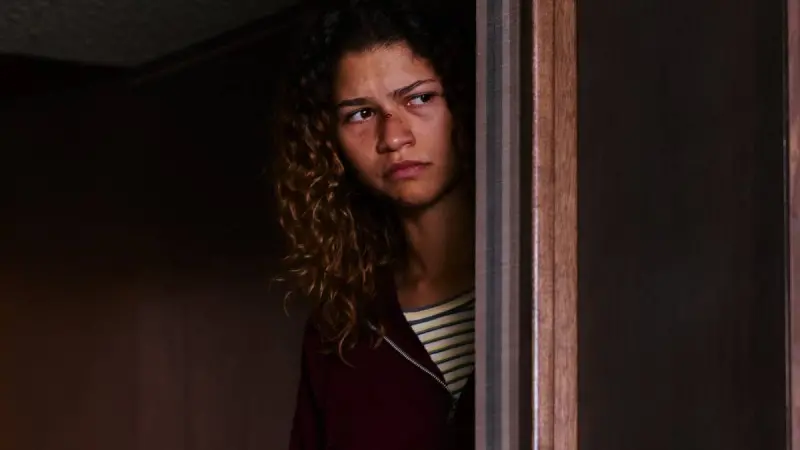
HBO’s Euphoria has always been a lightning rod for debate, but its long-awaited third and final season has ignited a firestorm of criticism that may ultimately define its legacy. After a two-year hiatus, creator Sam Levinson’s hyper-stylized teen drama returned not with a whisper, but with a brutal, genre-bending swerve into crime epic territory—leaving many fans and critics questioning whether the show ever needed a third season at all. With its series finale now streaming, the conversation has shifted from anticipation to disappointment, as the conclusion seems to contradict the very emotional core that made the first two seasons so resonant.
The Long-Awaited Season 3: A Radical Shift in Tone
From its debut in 2019, Euphoria set itself apart with an unflinching look at addiction, trauma, and the chaotic intensity of adolescence. Zendaya’s Rue Bennett became an instant icon—a recovering addict whose journey promised a fragile but hopeful arc. Season 2 ended with Rue recommitting to sobriety, leaving viewers eager to see her navigate a life of recovery. But Season 3, set several years later, threw those expectations aside. Instead of a grounded continuation, Levinson pivoted to a sprawling narrative involving criminal underworlds, neo-Nazi encounters, and an attempt to channel his cinematic influences—from Martin Scorsese to Quentin Tarantino.
The shift was jarring. Where the earlier seasons reveled in a relatable, if exaggerated, version of modern teen life, Season 3 placed its characters in a more “adult” world that often felt disconnected from their original struggles. The result was a season that felt less like a natural progression and more like a filmmaker indulging in homage at the expense of character integrity.
Where Did It Go Wrong? Character Arcs Derailed
The most damning critique of Euphoria Season 3 is how it mishandled its beloved ensemble. What started as a show about complex, flawed teenagers devolved into a series of baffling choices that left characters as hollow archetypes:
- Nate Jacobs (Jacob Elordi)—once the terrifying antagonist—is tortured and brutally murdered in a storyline that felt gratuitous rather than cathartic.
- Cassie Howard (Sydney Sweeney) transforms into a parody of herself, her nuanced vulnerability replaced by shallow, one-note melodrama.
- Maddy Perez (Alexa Demie) makes shortsighted decisions that seem driven solely by plot convenience, sacrificing the fierce intelligence she once embodied.
- Lexi Howard (Maude Apatow) is reduced to a creatively bankrupt Hollywood figure, stripping away the quiet empathy that made her a fan favorite.
- Jules Vaughn (Hunter Schafer)—integral to Rue’s emotional landscape—is given barely any screen time, a baffling omission that undermines the series’ most crucial relationship.
But the most devastating misstep involves Rue herself. Zendaya’s character, who had been a beacon of resilience, is plunged into a world of constant danger and degradation. She spends most of the season under the thumb of Alamo (Adewale Akinnuoye-Agbaje), a sexist criminal, and surrounded by neo-Nazis. The show seems determined to punish her, and the fleeting moment of happiness she experiences is revealed to be a dream—a cruel narrative trick that implies recovery is nothing more than an illusion.
Rue’s Tragic Fate and the Missed Opportunity for Hope
The series finale delivers its most controversial blow: Rue is killed off mid-episode. Her death is not just a shocking plot point; it becomes a catalyst for a revenge mission by her sponsor, Ali (Colman Domingo). Ali, previously a man of quiet strength and peace, is transformed into a violent avenger—a choice that feels both exploitative and tonally inconsistent. In his final scene, he begins using his Christian name, seemingly renouncing his Muslim faith to honor Rue, which many viewers found disrespectful and thematically muddled.
The religious symbolism throughout Season 3 is equally confusing. The show frames Rue as a Moses-like figure leading others to a promised land in Texas, yet it never explores her faith or why this biblical parallel matters. When Lexi delivers a speech about the Bible, it lands with a thud—more pretentious than profound.
For a series that once confronted addiction with raw honesty, this finale feels like a betrayal. Rue’s arc was supposed to be about hope, but instead it reinforces a cynical message that darkness always wins. Zendaya’s performance remains powerhouse, but she was denied the closure that her character—and the audience—deserved.
A Show That Lost Its Way
Euphoria has always walked a fine line between artistry and provocation. The first two seasons used excess intentionally, mirroring the heightened emotions of youth. But Season 3 abandons that purpose, replacing emotional truth with cinematic references and shocking violence. The show’s liberal use of classic film clips feels like a crutch, and its attempt to ground the story in a “realistic” criminal underworld fails because the characters haven’t earned that world.
The series also suffers from a lack of coherence. Where Season 2 gave Rue a hopeful conclusion—a commitment to sobriety—Season 3 erases that progress. The very idea that Rue needed to die to validate Ali’s journey or to serve as a martyr for some larger theme is a creative misstep that undermines the entire narrative foundation.
Legacy and What Could Have Been
Zendaya’s star power remains untarnished. She continues to earn acclaim for her film roles, and her portrayal of Rue will be remembered as a landmark performance. But Euphoria as a whole leaves behind a complicated legacy. It launched careers, sparked conversations about addiction and trauma, and pushed boundaries in TV storytelling. Yet Season 3 may be remembered as a cautionary tale of a show that outgrew its original vision.
Many fans now argue that Season 2’s finale—with Rue at a family dinner, sober and hopeful—would have been a more fitting end. It allowed ambiguity while honoring the character’s journey. Instead, the series closed on a note of nihilism that feels unearned.
In the end, Euphoria proved that even the most culturally impactful series can lose its way when it prioritizes style over substance. The show’s official ending may satisfy those who craved a shocking conclusion, but for those who fell in love with Rue’s struggle and resilience, it feels like a missed opportunity—a reminder that sometimes the most powerful stories know when to stop.
Disclaimer - All celebrity-related content, information, and images on this website are based on publicly available online sources and AI-generated insights/data. Information such as biography, age, career, personal details, and images may change without notice over time. While we strive for accuracy, we do not guarantee the accuracy, completeness, reliability, or timeliness of any information or imagery displayed on this website. This content is provided for general informational purposes only.
Top Trending News of TV Series
 👁️ 220 views
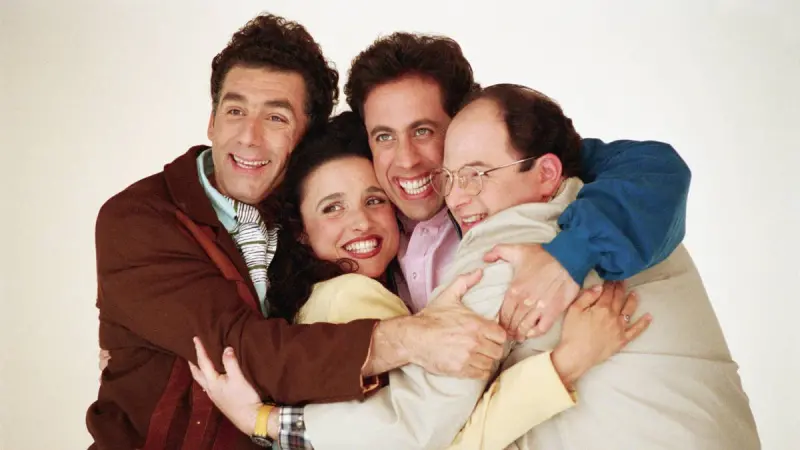
🔥 Netflix Loses ‘Seinfeld’ This Year: Here’s the Last Day to Watch the Iconic Sitcom
Netflix’s five-year deal for ‘Seinfeld’ expires October 1, 2026. We break down what happens next, potential bidding wars, and why the classic sitcom still matters in the streaming era.
 👁️ 175 views
🔥 ‘Stranger Things’ Dominates 2025-26 TV Season as Nielsen’s Multiplatform Rankings Reshape the Ratings Landscape
Stranger Things tops Nielsen's 2025-2026 multiplatform rankings with 32.9M viewers, as Netflix dominates and Taylor Sheridan's Marshals leads broadcast. Full analysis of the most-watched TV series of the season.



Details
Send Us an Enquiry
We'll get back to you as soon as possible.
Thank You!
Your enquiry has been submitted. We'll be in touch shortly.