
‘Star City’ Soars to a Perfect 100% Rotten Tomatoes Score, Cementing Apple TV+ as the Home of Prestige Sci-Fi
 Previous

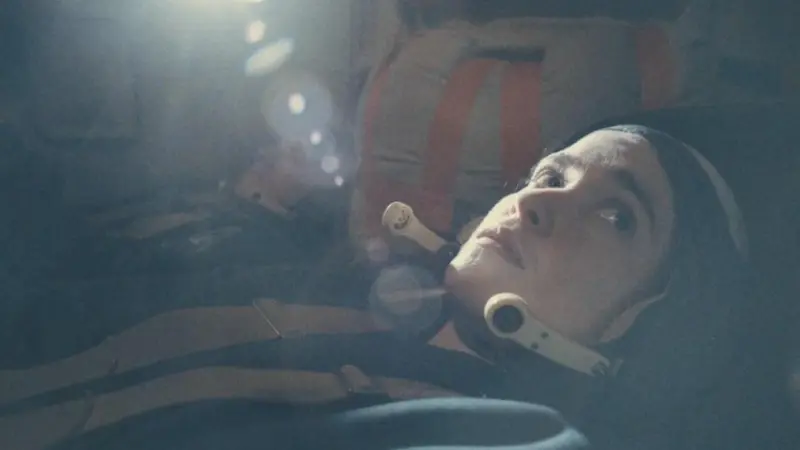
Apple TV+ has done it again. The streaming service that has quietly become the gold standard for prestige sci-fi is now home to the highest-rated live-action genre series of 2026. Star City, the highly anticipated For All Mankind spinoff, has blasted off with a perfect 100% Rotten Tomatoes critic score, instantly positioning itself as a must-watch for anyone who believes that streaming television can still deliver ambitious, thoughtful, and visually spectacular storytelling.
In an era when even the most hyped blockbuster series often settles for good enough, Star City arrives as a reminder of what happens when a platform gives visionary creators the resources, freedom, and runway to build something truly distinctive. The series does not simply expand the For All Mankind universe; it reorients the entire narrative, pulling viewers behind the Iron Curtain and into the high-stakes world of the Soviet space program.
A Soviet-Side Story With Universal Stakes
Unlike most American-produced space dramas, which tend to frame the space race through NASA's lens, Star City flips the perspective entirely. The spinoff is set in the same alternate timeline as For All Mankind, but it trades Houston mission control for the secretive, high-pressure corridors of the Soviet space program. The official synopsis teases exactly what makes this premise so compelling: In this expansion of the For All Mankind universe, experience a what-if take on the global space race from the Soviet Union perspective; go behind the Iron Curtain, where it's more dangerous on the ground than in space.
That final phrase is the key. Star City is not merely a Cold War techno-thriller about rockets and orbital mechanics. It is a character-driven drama about paranoia, ambition, and the personal costs of a state-driven race to reach the stars. By grounding the story in the Soviet experience, the show adds a layer of tension that the original series could only hint at from the outside. The result is a sci-fi series that feels both intimate and epic, with every triumph in space shadowed by the dangers of a surveillance state that treats failure as treason.
For fans of For All Mankind, this is familiar territory with a completely new emotional geography. The original series has spanned decades of an alternate history in which the Soviet Union beat the United States to the Moon, triggering a cascading wave of technological breakthroughs that eventually led to Mars colonies, lunar bases, and even asteroid heists. Star City goes back to the very beginning of that altered timeline, showing the foundational events from the other side of the global divide.
From ‘For All Mankind’ to ‘Star City’: A Universe in Alternate Orbit
Part of what makes Star City so remarkable is that it never feels like a cheap spinoff. In the hands of a lesser creative team, the premise could have been reduced to a simple villain swap, with Soviet cosmonauts substituting for American astronauts while following the same plot beats. Instead, the series uses its perspective shift to explore a fundamentally different kind of drama. The Soviet space program was not just a technological enterprise; it was a political and ideological instrument. Every launch carried the weight of the state, and every failure could have devastating personal consequences.
The show also benefits from the rich foundation built by For All Mankind, which has long been celebrated for its meticulous world-building and slow-burn character arcs. Created by Ronald D. Moore and his collaborators, the franchise has carved out a unique niche in modern television by combining historical revisionism with hard sci-fi realism. It has never been afraid to take risks, and Star City is perhaps its boldest risk yet.
Apple TV+ has spent years building a reputation as the streaming service with the best batting average in the industry. While rivals chase volume and algorithmic optimization, Apple has leaned into a smaller, more curated slate of ambitious projects. That strategy has produced hits like Silo, Severance, and Foundation, and it has allowed daring series like For All Mankind to develop a devoted following over multiple seasons. Star City is the latest and clearest evidence that this bet is still paying off.
The 2026 Sci-Fi Scorecard
To understand just how impressive Star City's 100% score is, it helps to look at the competition. 2026 has been a banner year for sci-fi television, with several high-profile returns and bold new swings. Yet Star City currently stands above them all among live-action releases:
- Star City – 100% critic score
- Fallout season 2 – 96% critic score
- The Boys season 5 – 93% critic score
- Spider-Noir – 91% critic score
- For All Mankind season 5 – 90% critic score
- Star Trek: Starfleet Academy – 85% critic score
If animated series are included in the conversation, Invincible also holds a 100% score, meaning Star City shares the top spot on the overall 2026 sci-fi leaderboard. But for live-action storytelling, with real actors, real sets, and real money on screen, Star City is the clear critical champion of the year so far.
Can Star City Keep Its Perfect Score?
Of course, a 100% Rotten Tomatoes score is a snapshot, not a guarantee. The series currently has a limited number of reviews from early screenings and premiere-week critics, and that number could change as more outlets publish their takes. A single mixed review would knock the score down from perfection. But even if that happens, the fact that Star City opened to universal acclaim is a significant achievement in itself.
Looking ahead, the show will face stiff competition from a slate of high-profile science fiction releases in the second half of 2026. Among the most anticipated titles are Silo season 3, 3 Body Problem season 2, Blade Runner 2099, Lanterns, and Neuromancer. With that kind of lineup, the race for the title of best sci-fi show of the year is far from settled.
Renewal prospects for Star City remain unclear, but there is reason for optimism. For All Mankind has been confirmed to end with its sixth season, which means Apple may look to Star City as the ongoing flagship of the franchise. If the spinoff maintains its quality and audience retention, a second season would be a natural move for a streamer that has shown unusual patience with this universe.
Star City is proof that the golden age of television is not over. It has simply moved to Apple TV+—and now it is speaking Russian.
Disclaimer - All celebrity-related content, information, and images on this website are based on publicly available online sources and AI-generated insights/data. Information such as biography, age, career, personal details, and images may change without notice over time. While we strive for accuracy, we do not guarantee the accuracy, completeness, reliability, or timeliness of any information or imagery displayed on this website. This content is provided for general informational purposes only.
Top Trending News of TV Series
 👁️ 273 views
🔥 Netflix Loses ‘Seinfeld’ This Year: Here’s the Last Day to Watch the Iconic Sitcom
Netflix’s five-year deal for ‘Seinfeld’ expires October 1, 2026. We break down what happens next, potential bidding wars, and why the classic sitcom still matters in the streaming era.
 👁️ 201 views
🔥 ‘Stranger Things’ Dominates 2025-26 TV Season as Nielsen’s Multiplatform Rankings Reshape the Ratings Landscape
Stranger Things tops Nielsen's 2025-2026 multiplatform rankings with 32.9M viewers, as Netflix dominates and Taylor Sheridan's Marshals leads broadcast. Full analysis of the most-watched TV series of the season.









Details
Send Us an Enquiry
We'll get back to you as soon as possible.
Thank You!
Your enquiry has been submitted. We'll be in touch shortly.