
Adele’s ‘Proud to Be a Woman’ Speech Sparks Transphobia Accusations at Gender-Neutral Brit Awards
 Previous

The Brit Awards 2022: A Night of Firsts – and Fiery Debate
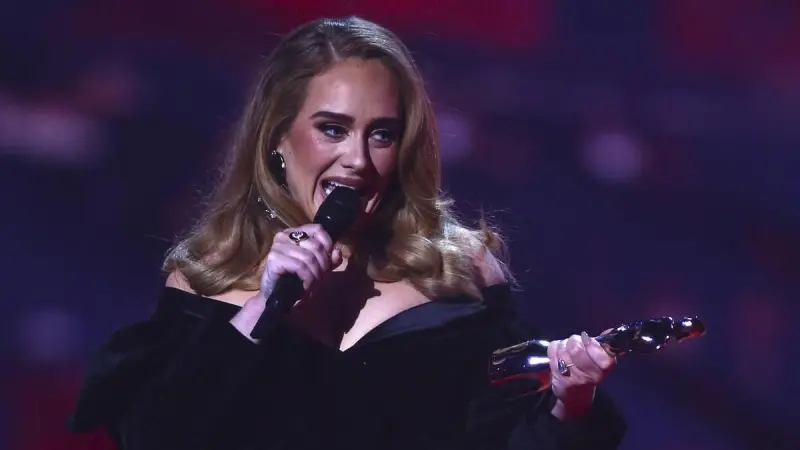
When Adele took the stage at London’s O2 Arena on Wednesday night to collect the coveted Artist of the Year award, she likely expected a wave of adoration. Instead, the pop powerhouse found herself at the center of a social media firestorm after a single, heartfelt line ignited accusations of transphobia.
The 2022 Brit Awards made history by removing gendered categories for the first time. The move, hailed by many as progressive, aimed to create a more inclusive ceremony. But when Adele accepted her trophy, she paused to address the change with a statement that would send shockwaves through the internet.
The Quote That Started It All
“I understand why the name of this award has changed,” Adele said, as the audience applauded. “But I really love being a woman and being a female artist. I do! I’m really proud of us, I really, really am.”
Inside the arena, the moment was met with cheers. But outside, on Twitter, the reaction was anything but unified. Within hours, a chorus of users accused the global superstar of being a “TERF” – a trans-exclusionary radical feminist – and called for boycotts of her music.
The Online Backlash
The hashtag #Adele trended rapidly as tweets poured in from both sides of the divide. Some of the most incendiary posts declared the singer’s remarks an attack on the transgender community.
- “Who’d have thought Adele was a transphobe and would use her platform to call for the destruction of the trans community?” one user raged.
- “Especially the confused teenagers,” another wrote, implying the comment could harm vulnerable youth.
- Others, however, later admitted they were joking – but the damage was already done. The narrative of Adele as a villain spread like wildfire.
Celebrities and commentators quickly weighed in. Piers Morgan, never one to shy away from controversy, roared in defense of the singer. “How dare Adele have the brass-neck audacity to ignore gender-neutral bulls*** and take pride in being female? She’s clearly an evil TERF who must be cancelled immediately,” he wrote, his sarcasm unmistakable.
Author Jane Symons echoed the sentiment: “A decade ago, if someone had said a woman would be criticised for the thought-crime of saying she liked being a woman, I would have laughed at such a ludicrous suggestion.”
Divided Opinions: A Social Media Frenzy
What began as a handful of critical tweets snowballed into a full-blown cultural argument. Supporters of Adele argued that her words were simply an expression of pride in her identity, not a rejection of anyone else’s.
- “So basically, proudly defining you’re a member of a specific sex is transphobic? It’s utter nonsense,” one defender wrote.
- “Astonishing how a woman can go on stage, say how much she enjoys being a woman and being female and that’s enough to label her a TERF,” added another.
In The Spectator, teacher Debbie Hayton – a trans woman herself – penned a powerful op-ed defending Adele. “Here was a woman — who has sold tens of millions of albums — telling the world she was proud to be a woman. That’s something to celebrate, not condemn,” Hayton wrote.
As of now, Adele has not publicly addressed the controversy, allowing the storm to rage on without her input.
The Bigger Picture: A Career Under the Microscope
This is not the first time Adele has faced backlash – though her controversies are rare compared to her megawatt success. The 33-year-old singer has navigated public scrutiny over her weight loss, her divorce from Simon Konecki, and her new romance with Rich Paul. Yet, she has always maintained a gritty authenticity that endears her to fans.
But this time, the stakes are higher. In an era where every word is dissected for hidden meanings, a simple expression of female pride has become a flashpoint. The debate touches on the very definition of gender, the space for women’s voices in a gender-fluid world, and the limits of inclusivity.
Adele’s Career: From Tottenham to Superstardom
To understand the weight of this moment, one must look at Adele’s trajectory. Born in Tottenham, London, in 1988, she burst onto the scene with her debut album 19 in 2008, showcasing a voice that could shatter glass and break hearts. Follow-up albums 21, 25, and 30 only cemented her status as a generational talent, selling over 120 million records globally.
Her raw, emotional ballads about heartbreak and motherhood have earned her 16 Grammy Awards and an Oscar for the James Bond theme “Skyfall.” She is one of the best-selling music artists of all time, and her fan base spans continents and demographics.
So when Adele speaks, people listen – and they judge.
What This Means for the Future of Awards Shows
The Brit Awards’ decision to go gender-neutral was a landmark moment. Other ceremonies, like the Grammys and MTV VMAs, have already moved toward similar structures. But Adele’s speech highlights a tension: how do we celebrate individual identity while honoring group solidarity?
Some critics argue that the criticism of Adele was overblown and that the real issue is the weaponization of the term “TERF” against any woman who dares to affirm her femininity. Others insist that in a space created to be inclusive of all genders, highlighting a binary identity is inherently exclusionary.
Regardless of where one stands, the incident has reignited a necessary conversation about language, intent, and impact. And it’s a conversation that isn’t going away anytime soon.
The Waiting Game
All eyes are now on Adele’s next move. Will she issue a statement clarifying her remarks? Or will she let the noise fade, as she has with previous controversies? The singer is set to resume her Las Vegas residency “Weekends with Adele” later this month, and the public’s reception could hinge on how this drama unfolds.
One thing is clear: Adele’s ability to command attention – whether through her voice or her words – remains unmatched. And as the debate rages, her legacy as an artist who speaks from the heart seems more complicated and more human than ever.
Disclaimer - All celebrity-related content, information, and images on this website are based on publicly available online sources and AI-generated insights/data. Information such as biography, age, career, personal details, and images may change without notice over time. While we strive for accuracy, we do not guarantee the accuracy, completeness, reliability, or timeliness of any information or imagery displayed on this website. This content is provided for general informational purposes only.
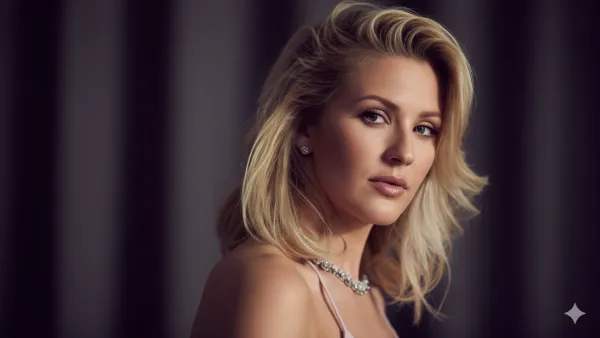
Iconic Photos of Adele
Top Trending News of Adele
 👁️ 133 views
🔥 Adele Candlelight Concert Lights Up Ipswich in 2026
An immersive Candlelight tribute to Adele’s greatest hits is coming to Ipswich in 2026, offering fans an unforgettable candlelit music experience.
 👁️ 94 views
🔥 Adele Surpasses Whitney Houston’s Historic Album Record
Adele has officially overtaken Whitney Houston to claim the bestselling female album record, marking a defining moment in modern music history.

Details
Send Us an Enquiry
We'll get back to you as soon as possible.
Thank You!
Your enquiry has been submitted. We'll be in touch shortly.