
We Bury the Dead Review: Daisy Ridley’s Bold Zombie Twist
 Previous

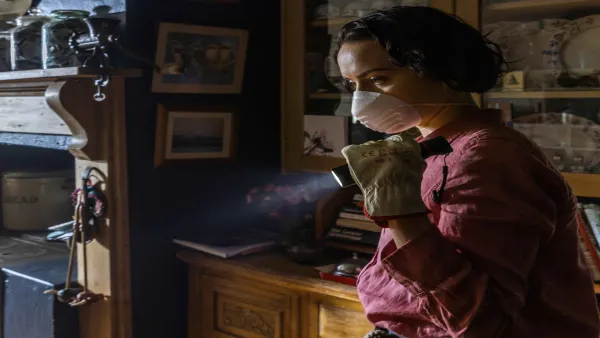
The zombie genre is one of the most crowded in cinema, often oscillating between the frantic gore of 28 Days Later and the campy fun of Zombieland. However, Zak Hilditch’s latest film, We Bury the Dead, which arrived in theaters in early January 2026, carves out a somber, uniquely emotional space. Starring Daisy Ridley in what critics are calling one of her most visceral performances to date, the film is less about the "how" of the apocalypse and more about the "who" we lose within it.
Currently holding an impressive 85% on Rotten Tomatoes, the film has successfully navigated the difficult balance of satisfying horror fans while delivering a "sledgehammer" of a grief-driven drama.
A Premise Born of Tragedy
The story begins with a terrifying, localized catastrophe. The United States accidentally detonates an experimental electromagnetic weapon off the coast of Tasmania, instantly killing over 500,000 people. The pulse causes immediate neural failure in every living thing within range, leaving the island a silent, smoking graveyard.
Daisy Ridley stars as Ava Newman, an American physiotherapist who was living in Tasmania with her husband, Mitch. When the blast occurs, Mitch is away on a business trip in the south of the island. Desperate for closure—or a miracle—Ava joins a military body-retrieval unit. Her job is grim: search through the wreckage, identify the dead, and move them to mass burial sites. However, it isn't long before the "dead" begin to show unsettling signs of life.
The "Solid Zombie Twist"
What sets We Bury the Dead apart is its specific take on the undead. In a departure from the "virus" tropes, Hilditch introduces the idea that the dead are coming "back online" not as mindless monsters, but as tragic figures driven by unfinished business.
The "twist" lies in the nature of their reanimation:
-
Initial Docility: At first, the undead are surprisingly benign. They are seen performing repetitive, haunting actions—one father is spotted calmly digging a grave for his own family.
-
The Escalation: As the film progresses, the military’s assurance that the dead are "harmless" is proven dangerously false. The zombies become more active, aggressive, and "jittery" the longer they remain in their reanimated state.
-
The Sound Design: Critics have universally praised the film’s sound design, specifically the "bone-chilling grinding" of the zombies' teeth, which serves as a constant, eerie reminder of their presence even when they are off-screen.
A "Magnetic" Performance from Daisy Ridley
Daisy Ridley carries the film with a reserved, gritty magnetism. Known to global audiences as Rey from Star Wars, Ridley sheds the "hero" archetype to play a woman drowning in regret. Through a series of flashbacks, we learn that Ava and Mitch's marriage was fractured by a failed attempt to conceive and a subsequent affair.
Her search for Mitch is fueled by a desperate need to say the things she left unsaid. Director Zak Hilditch noted that Ridley was "pushed to her limit" during the shoot, particularly during the physically demanding third act where Ava must fight through both the undead and her own psychological trauma.
The Supporting Cast
Ridley is joined by Brenton Thwaites (Titans), who plays Clay, a local volunteer with a cynical veneer who becomes Ava’s reluctant partner. Thwaites provides a grounded, weary foil to Ava’s frantic hope. Mark Coles Smith also delivers a standout, albeit unsettling, performance as Riley, a lone soldier whose own grief has curdled into something far more dangerous than the zombies he is meant to hunt.
The Verdict: A Meditation on Loss
While some viewers looking for high-octane action might find the film’s pacing a bit "slow-burn," most critics agree that the deliberate speed serves the story’s themes. As Variety’s Siddhant Adlakha noted, the film is at its most exciting when it uses the zombie framework to "open a cinematic window into the darkest parts of the human condition."
The ending—featuring a "little tiny miracle" involving a newborn baby found amidst the devastation—leaves audiences with a glimmer of hope. It suggests that while we must bury the dead, the living must eventually find a way to carry the light forward.
Source - https://www.theguardian.com/film/2026/jan/02/we-bury-the-dead-movie-review-daisy-ridley
Disclaimer - All celebrity-related content, information, and images on this website are based on publicly available online sources and AI-generated insights/data. Information such as biography, age, career, personal details, and images may change without notice over time. While we strive for accuracy, we do not guarantee the accuracy, completeness, reliability, or timeliness of any information or imagery displayed on this website. This content is provided for general informational purposes only.
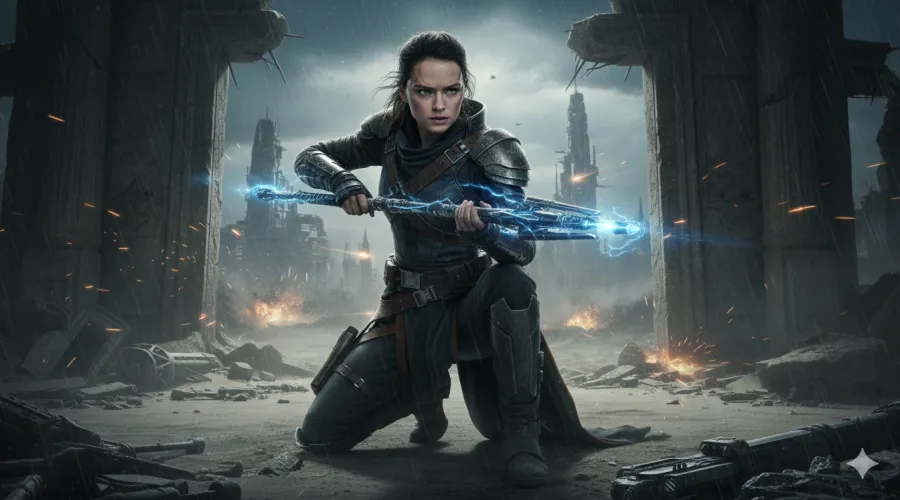
Iconic Photos of Daisy Ridley
Top Trending News of Daisy Ridley
 👁️ 161 views
🔥 Daisy Ridley: 6 Fun Facts You Didn't Know
From boarding school at age nine to her "cross-dominant" traits, discover the most fascinating facts about Star Wars and We Bury the Dead star Daisy Ridley.
👁️ 130 views
🔥 We Bury the Dead Review: Daisy Ridley’s Bold Zombie Twist
Daisy Ridley stuns in We Bury the Dead, a 2026 zombie thriller that swaps traditional tropes for a haunting, 85% RT-rated meditation on grief and closure.


Details
Send Us an Enquiry
We'll get back to you as soon as possible.
Thank You!
Your enquiry has been submitted. We'll be in touch shortly.