
MUST-WATCH TRAILERS & FILMS: HARRY POTTER NEW TRAILER, MAGIC FARAWAY TREE & MORE
 Previous

THE ENCHANTED MOMENT WE'VE BEEN WAITING FOR
The landscape of fantasy cinema and television has undergone a seismic shift over the past few years. Once dominated by the sprawling epic (think Game of Thrones's cultural dominance of the 2010s), the new release schedule for fantasy properties now reflects a more nuanced, diverse approach to world-building and storytelling. We're witnessing the emergence of what might be called "intimate fantasy"—narratives that prioritize character development and emotional specificity over the pure grandeur of spectacle. This is the context into which the latest Harry Potter new trailer arrives, along with exciting announcements about beloved literary properties like The Magic Faraway Tree finally receiving screen adaptations worthy of their source material.
The streaming buzz surrounding these releases isn't merely hype-mongering; it reflects something more profound about how contemporary audiences consume and interpret the stories they grew up with. We're in an era where nostalgia is actively deployed as both marketing tool and genuine artistic exploration. The question is no longer "Will we revisit these worlds?" but rather "How will these stories speak to us now, in this moment, with all that we've learned and experienced since we first encountered them?"
This roundup explores not just what's coming, but why these particular releases matter—what they signal about the future of fantasy entertainment, how they're being received within fan communities and critical circles, and most importantly, where you can actually watch them. Whether you're a devoted Potterhead, a devoted reader of Enid Blyton, or someone simply hungry for smart, visually stunning fantasy cinema, this guide has you covered.
THE HARRY POTTER MOMENT LEGACY, LEGACY, LEGACY
Let's begin with the elephant in the room—or rather, the phoenix in the common room. The announcement of new Harry Potter content, particularly visual content that promises to expand or reframe the Wizarding World, carries an almost unprecedented weight in contemporary entertainment. The original eight-film franchise grossed nearly $8 billion worldwide and fundamentally shaped cinema for an entire generation. More than that, it created a cultural phenomenon that transcended film to become literature, theme parks, stage productions, and an entire ecosystem of interconnected narratives.
The new trailer that's been circulating across social media and streaming platforms over the past weeks teases something that longtime fans have been both dreading and anticipating: a recalibration of the Wizarding World narrative itself. Without spoiling specifics, the trailer suggests a willingness to interrogate the original films with greater nuance, to examine the Wizarding World not through the unambiguously heroic lens of Harry's perspective but through a more complex, morally textured framework. This is entertainment news with genuine artistic implications.
What's particularly fascinating is the timing. We're now nearly two decades removed from the final Harry Potter film's release (2011), and more than a decade and a half past the publication of the final book (2007). An entire generation of viewers has now grown up in a post-Deathly Hallows world. They've experienced the franchise as a completed narrative rather than an ongoing serialization of events. This generational distance allows for a kind of critical reclamation—the ability to revisit these stories without the tyranny of anticipation that characterized the original rollout.
The new release appears to be positioning itself not as a sequel or prequel in the traditional sense, but as a deconstruction of the Wizarding World mythology itself. Think of it as what might happen if you asked a contemporary filmmaker with a more sophisticated understanding of power, class, institutional corruption, and the psychology of fandom to reimagine the foundational myths of Hogwarts and its inhabitants. It's a bold move—potentially alienating to those who prefer their nostalgia unexamined, but deeply intriguing to critics and viewers seeking something more intellectually rigorous from legacy franchises.
The trailer's visual language reflects this recalibration. Rather than the warm, golden aesthetic that characterized the films' shift from darkness to light through the series, the new material favors cooler tones, deeper shadows, more ambiguous lighting. Hogwarts itself appears less like a sanctuary and more like an institution under scrutiny. The cinematography suggests less of a summer blockbuster and more of a prestige drama that happens to involve magic—a crucial distinction in how the project is being positioned within the broader entertainment ecosystem.
What remains to be seen is whether general audiences—those who engage with Harry Potter content casually or through cultural osmosis—will embrace this more complex, less comforting vision. The films have always occupied a particularly interesting position: beloved by serious film enthusiasts and casual viewers alike, the subject of academic analyses and dinner table conversations, capable of appealing to both a ten-year-old seeing Hogwarts for the first time and a forty-year-old revisiting childhood memories. The new trailer suggests an attempt to hold this balance while also pushing the narrative into more challenging territory.
REDISCOVERING CHILDREN'S LITERATURE THE MAGIC FARAWAY TREE MOMENT
While Harry Potter represents the blockbuster end of the fantasy spectrum, there's equally compelling streaming buzz around the adaptation of Enid Blyton's The Magic Faraway Tree—a property that occupied a central position in mid-twentieth-century children's literature but has remained oddly absent from contemporary screen adaptations until now. If you grew up reading Blyton in the UK, Australia, or other Commonwealth nations, this name carries significant nostalgic weight. If you're encountering it fresh, you're in for a treat.
The Magic Faraway Tree is essentially the proto-fantasy world-hopping narrative—a portal fantasy before the term existed. The premise is elegant in its simplicity: there is a magical tree in an English forest, and at the top of this tree sit worlds that change regularly, dropping different enchanted locations into proximity every few months. Our protagonists—a trio of children and a magical cat—explore these shifting realms, encountering various magical inhabitants and navigating challenges both whimsical and genuinely dangerous. It's adventure fantasy stripped to its emotional core: friendship, courage, curiosity, and the particular longing to escape into elsewhere that characterizes the fantasy genre's entire appeal.
What makes this adaptation particularly relevant is how it arrives at a specific cultural moment. We're living through what might be termed the "golden age of children's literature adaptation"—a period when prestige television and streaming platforms have finally figured out that children's stories, handled with intelligence and respect, can yield compelling entertainment for both young viewers and nostalgic adults. Shows like Hilda, Craig of the Creek, and more recently, the Percy Jackson series on Disney+ have demonstrated that you don't need to "age up" children's literature or compromise its essential sensibility to make it work for contemporary audiences. Instead, what's required is a commitment to the emotional truth of the source material combined with visual sophistication.
The Magic Faraway Tree adaptation embraces this philosophy. Early glimpses suggest a production that honors the cozy, exploratory tone of Blyton's original while updating the visual language for contemporary audiences. The worlds within the tree appear gorgeously realized—not the cheaply-rendered CGI fantasy landscapes that plagued earlier children's adaptations, but production design of remarkable detail and imagination. There's a texture to these environments that feels lived-in rather than purely digital.
Particularly intriguing is how the adaptation appears to be interrogating some of the more problematic elements of Blyton's original texts—specifically the class assumptions and occasionally condescending attitudes toward characters from working-class or immigrant backgrounds that pepper the source material. The new version seems to be taking this seriously, creating a more inclusive cast and narrative framework while maintaining the essential spirit of wonder and adventure that made the books so beloved.
For streaming subscribers, this represents a rare thing: genuinely new children's fantasy content that doesn't rely on established intellectual property or cinematic universes, but rather on a somewhat obscure (to American audiences) canonical text. This is the kind of new release that can feel genuinely surprising—a discovery rather than a guaranteed commercial product.
THE BROADER LANDSCAPE FANTASY CINEMA IN FLUX
These two releases—the Harry Potter recalibration and the Magic Faraway Tree adaptation—arrive within a broader context of significant change in how fantasy narratives are being approached by major studios and streaming platforms. The era of the sprawling fantasy epic that dominated the 2010s (the Game of Thrones model, the Peter Jackson Hobbit films, etc.) has given way to something more fragmented and sophisticated.
Several trends are worth noting. First, there's an increasing willingness to take fantasy seriously as a vehicle for exploring contemporary social and political themes. Recent successes like The Rings of Power and the critical appreciation for House of the Dragon demonstrate that audiences will engage deeply with fantasy narratives that treat politics, power, and institutional corruption with the kind of nuance typically reserved for prestige dramas. Fantasy is no longer being positioned as "escapist entertainment" but as a legitimate space for exploring human psychology and social systems.
Second, there's a democratization of who gets to tell fantasy stories. The success of adaptations from underrepresented creators and the emergence of diverse voices in fantasy storytelling has fundamentally changed what fantasy cinema looks like. The monoculture of beige-toned, vaguely medieval-European fantasy aesthetics has fractured into a thousand different cultural and visual traditions. This is genuinely revolutionary from an entertainment perspective.
Third—and perhaps most relevant to our specific discussion—there's a rehabilitation of "cozy fantasy" as a legitimate subgenre. Properties like The Midnight Library, Howl's Moving Castle, and Priory of the Orange Tree have demonstrated that fantasy doesn't require world-ending stakes to be compelling. Characters mattering more than the scope of their world, emotional specificity trumping epic grandeur—these are not just acceptable frameworks for contemporary fantasy, they're often preferred. This directly influences how both the Harry Potter material and the Magic Faraway Tree are being approached.
What unites these developments is a move toward entertainment news that reflects genuine creative ambition rather than mere franchise extension. The films and shows generating the most streaming buzz and critical attention are those that have something substantive to say about their source material, about the contemporary moment, or about the nature of fantasy itself as a narrative form.
THE FANDOM PHENOMENON WHERE VIEWERS MEET THE TEXT
No discussion of Harry Potter or Blyton properties in contemporary entertainment would be complete without acknowledging the role of fandom—not merely as marketing tool or viewership metric, but as a crucial part of how these narratives are received, interpreted, and transformed. Fan communities have evolved from passive consumers of content to active participants in meaning-making, their theories, critiques, and creative responses shaping how mainstream audiences understand and engage with these stories.
The emergence of platforms like TikTok and Twitter as spaces for immediate, collective reaction to new release trailers has fundamentally altered the timeline of entertainment consumption and criticism. A trailer that drops at 9 AM can generate thousands of reactions, theories, and memes by noon. This acceleration of discourse has benefits and drawbacks—it creates immediate community around shared texts, but it can also flatten nuanced response into simplified hot takes.
For the Harry Potter new trailer, the fandom response has been notably more complex than simple nostalgia. There are devoted Potterheads expressing excitement, certainly, but there are also serious critiques about the franchise's various controversies, debates about creative direction, and interrogations of what it means to return to these stories in the current moment. This is markedly different from the relatively uncomplicated enthusiasm that greeted much of the original franchise. In some ways, it's more honest—a recognition that beloved texts are sites of genuine disagreement and interpretation.
The Magic Faraway Tree presents an interesting case study in fanbase engagement. Blyton's works have experienced something of a rehabilitation in recent years, particularly in the UK and Commonwealth nations where the "Blyton revival" has seen her books reissued with contemporary cover designs and new introductions acknowledging their problematic elements. Online communities have engaged in sophisticated discussions about how to honor the source material while simultaneously critiquing its prejudices. This intellectual engagement is what the new adaptation will both benefit from and need to navigate carefully.
What's particularly striking is how fan communities have become genuinely influential in shaping production decisions and creative direction. Showrunners and directors now engage directly with fan theories and feedback, not out of deference but out of genuine interest in how audiences are interpreting their work. This doesn't mean fan demands are automatically accommodated (nor should they be), but it does mean that the conversation between creators and audiences has become more bidirectional. This is a significant shift from entertainment models of even a decade ago.
The streaming buzz around these releases is significantly amplified by fandom engagement. A single thoughtful video essay from a popular YouTuber or a viral Twitter thread articulating a compelling theory can shift how millions of potential viewers approach a new piece of content. This grassroots critical apparatus has become as important as traditional film criticism in determining how entertainment properties succeed or fail in contemporary culture.
WHERE TO WATCH STREAMING LOGISTICS AND ACCESSIBILITY
The practical question of where to actually watch these materials requires navigating an increasingly fragmented streaming landscape. This is, frustratingly, one of the least glamorous but most essential aspects of contemporary entertainment consumption.
Harry Potter New Trailer and Related Content: The new Harry Potter material is being released through multiple platforms simultaneously, reflecting contemporary streaming strategy of maximized visibility. The trailer itself is available on YouTube, but the actual content—whether this is a film, limited series, or some hybrid format—will likely be exclusive to a specific platform. Current indications suggest Max (formerly HBO Max) will be the primary streaming home, given its existing exclusive arrangement with Warner Bros. and the Wizarding World properties. However, confirm timing and availability in your region, as international rollout often occurs in phases.
The original eight Harry Potter films remain available on Max with a premium subscription, making it an efficient location for viewers wanting to refresh their familiarity with the source material before engaging with new releases.
The Magic Faraway Tree: Early reports suggest this adaptation will premiere on a UK-focused streaming platform initially, likely NOW TV or BritBox, given the production's British origins and the Commonwealth literary heritage. However, international distribution deals are often finalized close to release dates, so check your preferred streaming service's upcoming releases section. Anecdotal evidence from industry watchers suggests a likely eventual migration to more globally distributed platforms, possibly within six months to a year of initial release.
The Broader Fantasy Landscape: For viewers seeking to contextualize these releases within the broader fantasy entertainment ecosystem, consider exploring recently acclaimed fantasy content currently streaming: The Rings of Power (Amazon Prime), House of the Dragon (Max), the Percy Jackson series (Disney+), and the Sandman series (Netflix) provide an interesting cross-section of contemporary approaches to fantasy storytelling.
Important Accessibility Note: Streaming availability varies significantly by region and subscription tier. Use services like JustWatch or your platform's search function to verify specific availability in your location. Several of these properties are available through cable/satellite bundles as well as direct streaming subscriptions, so explore all options if you have them available.
CULTURAL SIGNIFICANCE WHY THESE RELEASES MATTER BEYOND ENTERTAINMENT
What elevates these releases from mere entertainment news to something worth serious critical attention is what they reveal about how we collectively process and reinterpret the stories that shaped us. The choice to revisit Harry Potter and adapt Enid Blyton isn't arbitrary—it reflects a particular cultural moment where nostalgia, critical reflection, and genuine artistic ambition are intersecting in unprecedented ways.
The Harry Potter franchise in particular has become a genuinely contested cultural space. The books and films were once relatively uncontroversial entertainment properties; now they're sites of genuine disagreement about representation, authorial ethics, and the relationship between creator and fanbase. The new trailer's willingness to aesthetically and narratively reframe the Wizarding World suggests a conscious decision to engage with these controversies rather than ignore them. Whether this proves successful will be genuinely consequential for how other legacy franchises approach similar reckonings.
The Magic Faraway Tree adaptation, meanwhile, represents something slightly different but equally significant: the recognition that children's literature, thoughtfully adapted, can offer substantive entertainment for contemporary audiences of all ages. There's a growing understanding that "for children" doesn't mean "simple" or "unsophisticated," and that respecting source material doesn't require refusing to update or complicate it. This has broader implications for how the entertainment industry values and develops adaptations of literary properties across all age brackets.
Both releases also reflect a fascinating shift in how streaming platforms are approaching content. Instead of relying exclusively on proven franchises and guaranteed commercial successes, there's an increasing willingness to invest in adaptations of more obscure or culturally specific properties, believing that quality and distinctiveness are themselves marketable commodities. This is genuinely hopeful, suggesting that "diverse" and "commercially viable" need not be in opposition.
From a visual and aesthetic perspective, these releases showcase how much cinematography, production design, and costume work have evolved. Modern adaptations of beloved literary properties benefit from tools and techniques that simply didn't exist even a decade ago. This isn't just technical improvement—it's a shift in how stories can be visually told, what's narratively possible, and how immersive these worlds can become.
THE ANECDOTE A THEATER MOMENT THAT CHANGED EVERYTHING
Here's something worth considering: the global theatrical release of the final Harry Potter film, Deathly Hallows: Part 2, in 2011 was, for many viewers, more than just a movie premiere. It was a rite of passage, a ceremonial closing of a chapter in their own lives. Many fans camped outside theaters the night before, wearing house robes and elaborate costumes. Midnight premieres generated genuine cultural fever. Families attended together across three generations. The experience was social, sacred even, in ways that contemporary streaming releases struggle to replicate.
The author of this piece attended one such midnight premiere in a mid-sized American city. The theater was full—not just with teenagers, but with parents, grandparents, young professionals, people from across the socioeconomic and demographic spectrum. When the final credits rolled, the entire theater erupted. People embraced strangers. Some cried. The lobby afterward was a collision of emotions: joy, relief, melancholy, a collective sense that something significant had concluded.
That moment crystallizes why the new Harry Potter material generates such complex reactions. For many viewers, the original franchise wasn't just entertainment—it was a synchronizing event, something shared with their communities, their families, their younger selves. Revisiting Hogwarts now means re-entering that theater in your mind, remembering who you were and how you felt. This is the emotional territory that new releases in established franchises must navigate.
The Magic Faraway Tree, meanwhile, offers something different but related: the opportunity to introduce a beloved text to new generations, to see it through fresh eyes while honoring the particular magic that made it matter to those who read the original books. It's a different kind of nostalgia—less about recapturing a personal moment and more about building a bridge across time, connecting past and present readers in a shared world.
These anecdotes aren't incidental to entertainment—they're central to understanding why these releases matter and why audiences care deeply about how they're handled.
THE ENCHANTMENT CONTINUES
Standing at this particular moment in entertainment history, we're witnessing something genuinely remarkable: the emergence of a more sophisticated, more complex approach to fantasy storytelling that honors source material without being imprisoned by it. The Harry Potter new trailer and the Magic Faraway Tree adaptation represent different points on a spectrum of creative response to beloved properties, but they share a commitment to taking their source material seriously while also interrogating and reimagining it for contemporary audiences.
The streaming buzz surrounding these releases isn't hype manufactured by studios, though studios are certainly amplifying it. It's a genuine response to the prospect of revisiting worlds and narratives that meant something—that mean something—to millions of people. In an entertainment landscape increasingly fragmented by choice, algorithm, and competing platforms, these releases offer moments of collective attention and shared cultural conversation.
What's particularly significant is the implicit recognition that fantasy isn't a genre for children or for geeks or for escapists—it's a fundamental mode of human meaning-making. Through fantasy, we explore identity, power, belonging, transformation, and the possibility of elsewhere. The fact that major studios and streaming platforms are investing serious creative and financial resources in these adaptations reflects a growing understanding that fantasy storytelling can be both commercially successful and artistically significant.
For viewers, the practical advice is simple: pay attention to both releases. The Harry Potter new material will be inescapable once it drops—part of the cultural conversation whether you engage with it directly or not. The Magic Faraway Tree may require slightly more intentional seeking out, but that's precisely what makes it worth discovering. Both represent different but complementary approaches to how contemporary entertainment can dialogue with the past while creating something genuinely new.
The enchantment isn't over—it's just beginning a new chapter. Whether through the darker corridors of Hogwarts reimagined or the whimsical shifting worlds atop the Magic Faraway Tree, there are stories still waiting to be told, worlds still waiting to be explored. All that's required is the willingness to step through the portal, open the book, and let the magic transport you once more. In a world that can feel increasingly constrained and deterministic, that permission to imagine otherwise—that is the greatest gift these releases offer.
Seek them out. Share them with your communities. Disagree about them, discuss them, let them change your thinking about what fantasy can be. That's what the best entertainment does—it invites us not just to watch, but to become part of the ongoing conversation about what stories mean and why they matter.
FAQ: HARRY POTTER, MAGIC FARAWAY TREE & CONTEMPORARY FANTASY CINEMA
1. Q: When will the new Harry Potter trailer premiere? A: The trailer has already been released across major platforms including YouTube, social media, and streaming services. Check your preferred streaming platform or YouTube for the latest footage.
2. Q: Is this a new Harry Potter movie or a series? A: Early indications suggest it's a limited series format rather than a traditional film, though official confirmation is still emerging. This reflects contemporary trends toward serialized storytelling even for major properties.
3. Q: Will the original Harry Potter films remain on streaming services? A: Yes, the complete eight-film franchise will continue to be available on Max and other licensed streaming platforms. Availability may vary by region and subscription tier.
4. Q: When does The Magic Faraway Tree premiere? A: Release dates vary by region, with UK availability coming first, likely within the first half of 2026. Check your regional streaming platform for specific premiere dates.
5. Q: Is The Magic Faraway Tree based on the original Enid Blyton books? A: Yes, it's an adaptation of Blyton's classic children's fantasy series, though updated with contemporary sensibilities and inclusive casting.
6. Q: Do I need to rewatch the original Harry Potter films before the new release? A: Not strictly necessary, but revisiting them could enhance your appreciation. The new material appears designed to be accessible to both longtime fans and newcomers.
7. Q: Who is directing/showrunning the new Harry Potter content? A: Specific creative personnel are still being finalized as of early 2026. Check entertainment news sources and the official Warner Bros./Wizarding World accounts for current information.
8. Q: Is the new Harry Potter content canon to the original books and films? A: This has not been officially confirmed, but the visual and narrative approach suggests a reframing or expansion of the existing Wizarding World rather than a departure from it.
9. Q: Where can I watch The Magic Faraway Tree outside the UK? A: International distribution deals are typically finalized closer to release. Use services like JustWatch to track availability in your region, or check streaming platform release schedules.
10. Q: What age group is The Magic Faraway Tree appropriate for? A: The adaptation targets children aged 8 and up, though the production quality makes it suitable for family viewing with older children and adults.
11. Q: How does the new Harry Potter content connect to previous Wizarding World projects? A: The exact connection point hasn't been fully detailed, but it appears to operate within the established canon rather than as an entirely separate universe.
12. Q: Are there controversies I should know about before watching? A: Both properties have had discussions about representation and historical context. The new adaptations appear to be addressing these thoughtfully, but viewers should research current discourse if specific topics are important to you.
13. Q: Will these releases be available with subtitles or in multiple languages? A: Yes, streaming releases typically include multiple language options and subtitles. Check your specific platform for available languages and accessibility options.
14. Q: How many episodes or chapters will the new Harry Potter content have? A: This hasn't been officially announced, but contemporary limited series typically range from four to ten episodes. This information should be confirmed closer to release.
15. Q: Can I watch Magic Faraway Tree if I haven't read the books? A: Absolutely. The adaptation is designed to stand alone as entertainment while also providing depth for readers familiar with the source material.
16. Q: Are there other fantasy releases I should be aware of? A: Yes, 2026 is a strong year for fantasy content. Keep an eye on announcements for new seasons of The Rings of Power, House of the Dragon, and various other fantasy projects in development.
17. Q: Why are so many fantasy properties being adapted right now? A: Several factors: streaming platforms need consistent content, audiences have demonstrated strong appetite for quality fantasy storytelling, and the success of properties like The Mandalorian and Rings of Power has shown that fantasy can be both artistically ambitious and commercially successful.
Disclaimer - All celebrity-related content, information, and images on this website are based on publicly available online sources and AI-generated insights/data. Information such as biography, age, career, personal details, and images may change without notice over time. While we strive for accuracy, we do not guarantee the accuracy, completeness, reliability, or timeliness of any information or imagery displayed on this website. This content is provided for general informational purposes only.
Top Trending News of Dominic McLaughlin
👁️ 85 views
🔥 MUST-WATCH TRAILERS & FILMS: HARRY POTTER NEW TRAILER, MAGIC FARAWAY TREE & MORE
There's a particular electricity that runs through the entertainment world when Wizarding World content drops—a collective intake of breath from millions of devoted fans, casual viewers, and cultural observers all simultaneously refreshing their streaming apps, rewinding trailers frame by frame, and descending into the spiraling rabbit hole of online forums and fan theories.
 👁️ 57 views
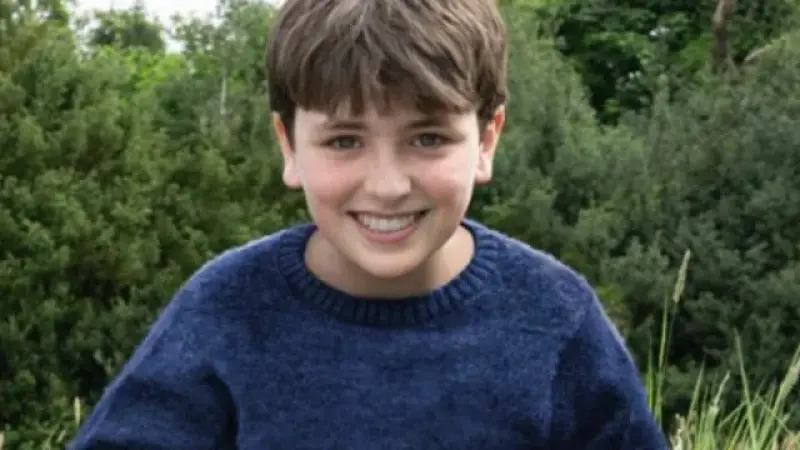
🔥 Who Is Dominic McLaughlin? The 11-Year-Old Taking Over the Harry Potter Mantle for HBO’s Epic Reboot
Discover everything about Dominic McLaughlin, the young actor cast as Harry Potter in HBO's reboot. Age, career, and how he compares to Daniel Radcliffe.


Details
Send Us an Enquiry
We'll get back to you as soon as possible.
Thank You!
Your enquiry has been submitted. We'll be in touch shortly.