
Netflix's April Fools' Marketing Empire: How a Streaming Giant Mastered the Art of Digital Deception
 Previous

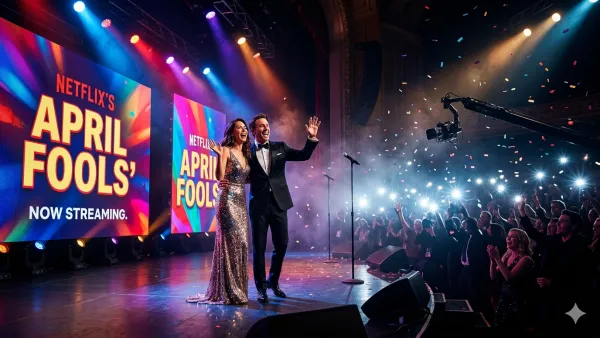
The Day Netflix Stopped Being Serious
Every April 1st, millions of Netflix subscribers log in expecting to find their usual menu of shows and movies. What they encounter instead is controlled chaos—fake announcements, impossible products, and absurdist humor disguised as genuine corporate updates. For the past thirteen years, this annual tradition has become as inevitable as spring itself, transforming a streaming service's homepage into a carefully orchestrated joke that frequently goes viral across social media platforms. And somehow, year after year, Netflix's April Fools' Day pranks capture something that most corporate marketing desperately fails to achieve: authentic delight.
What began in 2013 as a simple algorithmic joke—creating absurdly specific movie categories like "Movies Starring Estelle Getty and Some Other Guy" and "Movies That Are in English But Still Require Subtitles"—has evolved into a sophisticated cultural institution. The prank has expanded far beyond category names. In 2019, Netflix gave the world a full 73-minute video of a rotisserie chicken slowly rotating on a spit. In 2017, Will Arnett narrated an entire evening of live television featuring him describing incredibly mundane objects with seriousness typically reserved for existential documentaries. In 2026, the company promoted a fictional interactive cooking show where viewers could supposedly direct the chef's next culinary decision, except the entire show existed only in imagination.
This consistency, this evolution, this commitment to humor that knows itself—it's become something rare in contemporary entertainment marketing. Netflix's April Fools' tradition stands as a masterclass in digital deception that respects its audience enough to let them in on the joke almost immediately. It's a tradition that demonstrates how a company can engage consumers through laughter rather than manipulation, through creativity rather than conventional advertising. At a moment when corporate social media feels overwhelmingly desperate and tone-deaf, Netflix's April Fools' pranks remind us that brands can be funny without trying to "relate" to us, surprising without being obnoxious, and creative without sacrificing authenticity.
The Genesis of Algorithmic Humor: 2013 and the First Genre Takeover
Netflix's 2013 April Fools' prank seems quaint in retrospect, but it contained the seeds of everything that would follow. The company understood something fundamental about its own platform: its recommendation algorithm was funny. Not intentionally funny—but funny in the way that perfect precision sometimes becomes absurd. Netflix's system categorizes content with such granular specificity that it creates categories that seem almost satirical.
Rather than creating entirely fictional categories, Netflix simply made the absurdity explicit. "Movies Starring Estelle Getty and Some Other Guy" wasn't a fantasy—it was the digital equivalent of describing reality with such literalism that the humor becomes unmissable. Other categories that appeared to Netflix users on April 1st, 2013 included "Movies That Require Tissues," "Movies That Accurately Portray Workplace Dysfunction," and "Movies Featuring a Questionable Relationship Dynamic." Each was true in some sense, yet utterly ridiculous in its specificity.
This first prank established the Netflix April Fools' formula: take something real about the platform and exaggerate it to the point of absurdity. The prank worked because it was rooted in observable truth. Everyone who uses Netflix has experienced the way algorithms categorize content in increasingly specific ways. By highlighting this through humor, Netflix turned a potential criticism—that its system is weirdly invasive and hyper-targeted—into something charming. The prank didn't mock users; it invited them into the joke about the platform's own behavior.
The Evolution of Absurdity: From Chickens to Will Arnett
By the mid-2010s, Netflix's April Fools' pranks had begun evolving beyond algorithmic humor into full multimedia experiences. This evolution reflected Netflix's growing sophistication with content creation and a deeper understanding of internet culture. In 2016, John Stamos appeared in promotional material claiming he would star in his own Netflix variety show. In 2018, Seth Rogen appeared in a video where he signed a contract literally selling his soul to Netflix for original content ideas. These weren't simple category manipulations anymore—they were productions.
But the turning point came in 2019, when Netflix released what might be its most audacious prank: a full 73-minute video titled Rotisserie Chicken. The video was exactly what the title promised—nothing more, nothing less. A chicken rotated slowly on a spit for the entire runtime. No edits. No narrative arc. Just poultry undergoing the slow transformation that rotisserie cooking provides. The genius of the prank wasn't the video itself; it was the entire ecosystem surrounding it. Netflix promoted it seriously. They created a press release. They added it to the platform like a legitimate release. They understood that the prank's power came from audiences discovering it and then having to reconcile whether this was real.
Rotisserie Chicken became a cultural touchstone. Social media exploded with screenshots of the video appearing on Netflix's interface. The prank achieved something remarkable: it made people talk about Netflix on April Fools' Day for reasons that had nothing to do with announcements or new features. The company had created content that existed purely for the joke. The video had no streaming value. It wasn't advertising anything. It was simply Netflix saying to its audience: "We think you'll find this amusing," and trusting that humor alone was sufficient engagement.
In 2017, Netflix's "Netflix Live" prank featured Will Arnett narrating an entire evening of livestreamed mundane content. The format parodied television's traditional "live" broadcasts while simultaneously mocking the obsession with real-time content and streaming's relentless need for novelty. Arnett's distinctive voice, treating a bowl of cereal or a blank screen with the gravitas of a nature documentary, created humor through the fundamental absurdity of treating trivial objects with profound seriousness. The prank was anti-live-streaming satire at the exact moment when "going live" had become a cultural obsession.
The Marketing Genius: Why Pranks Work Better Than Advertising
Here's what separates Netflix's April Fools' pranks from traditional corporate marketing: they're designed with the expectation that people will want to share them. Not because Netflix commanded sharing through viral-optimized hashtags or influencer partnerships, but because the pranks are genuinely clever enough that audiences voluntarily spread them across social media.
This is the opposite of how corporate social media typically functions. Most brand engagement operates through calculated emotional appeals, manufactured urgency, or attempts at relatable "fellow kids" humor that inevitably falls flat. Netflix's April Fools' pranks succeed because they understand that the best marketing doesn't feel like marketing. When you encounter a screenshot of an interactive cooking show that doesn't exist, or read about a 73-minute video of rotating poultry, your first instinct is to share it with friends—not because you've been marketed to, but because you've encountered something surprising and amusing.
The pranks also function as a form of corporate self-awareness. By mocking its own features, trends, and the binge-watching culture it helped create, Netflix positions itself as a company that isn't entirely self-serious. In a media landscape where corporations frequently face criticism for tone-deaf messaging, Netflix's ability to poke fun at itself demonstrates confidence. The company isn't afraid to appear foolish because foolishness on April Fools' Day is the entire point. This self-deprecating humor builds brand loyalty not through product claims but through shared amusement.
Moreover, these pranks generate engagement that no traditional advertisement could match. A traditional Netflix commercial tells you the platform has shows worth watching. An April Fools' prank makes you engage with the Netflix brand in a moment of genuine entertainment. You don't scroll past a rotisserie chicken video—you either click on it or read about it, and in both cases, you've actively engaged with Netflix's messaging. The prank has transformed viewers from passive consumers of content into active participants in a shared joke.
2026: The Fictional Interactive Cooking Show and the Next Evolution
Netflix's 2026 April Fools' prank reveals how the tradition continues to evolve with cultural trends. This year, the company promoted an "interactive cooking show" where viewers could supposedly choose what the chef prepared next, interacting in real-time with the content. The prank was deliberately vague—some users weren't entirely certain whether the show was real until they attempted to access it.
This particular prank is clever because it targets the contemporary streaming obsession with interactivity. Netflix and competitors have invested heavily in interactive content—choose-your-adventure films, branching narratives, real-time engagement features. The 2026 prank takes this genuine industry trend and extrapolates it into absurdity. An interactive cooking show sounds like something Netflix would actually produce. The prank works precisely because interactive food content sits at the intersection of streaming trends (cooking shows, interactive format, real-time engagement) and audience interests (food content, personalization). For approximately twenty-four hours on April 1st, some Netflix users genuinely wondered whether the show existed.
What's particularly interesting about this year's prank is how it demonstrates Netflix's understanding that April Fools' humor must evolve with technological possibility. Seven years ago, an interactive cooking show might have seemed genuinely impossible. In 2026, the technology exists to create such content. Netflix therefore could mock the trend while simultaneously playing into it—the fictional cooking show is both impossible and plausibly real, which is where the humor lives. The prank suggests that as streaming technology becomes more sophisticated, the pranks will become more targeted toward contemporary industry obsessions.
The Cultural Impact: How April Fools' Pranks Became Streaming's Performance Art
Beyond marketing effectiveness, Netflix's April Fools' tradition has evolved into a form of cultural performance. The pranks have become annually anticipated events that generate genuine discourse about corporate identity, brand humor, and what large companies can achieve when they're willing to appear foolish. Media outlets dedicate coverage to these pranks. Entertainment journalists write roundups. Social media communities anticipate what Netflix might announce.
This anticipation reflects something significant about contemporary media culture. In an era when corporate authenticity is questioned and brand-washing is endemic, Netflix has established a tradition where audiences know exactly what to expect: clever, self-aware humor that respects audience intelligence. The pranks work because Netflix has never used them as vehicles for deception outside the joke's intended timeframe. There are no surprise product launches disguised as pranks. There are no bait-and-switch announcements. The company maintains clear boundaries around what's joke and what's genuine, which paradoxically makes the jokes more effective.
The tradition has also influenced how other streaming platforms and major corporations approach April Fools' Day. If Netflix succeeded with Rotisserie Chicken, perhaps other companies should embrace absurdism. The result has been a broader evolution in corporate April Fools' marketing, with companies like Spotify (announcing a feature for dogs to stream customized playlists), Tesla (promoting a hovering car), and others attempting their own variations. Whether these pranks match Netflix's success is debatable, but the company has clearly set a cultural template for how technology companies can engage audiences through humor.
The Psychology of Successful Corporate Pranking
What makes Netflix's April Fools' tradition psychologically effective? Several factors converge. First, timing matters. April Fools' Day exists in cultural memory as a day when deception is expected and tolerated. By launching pranks on this day, Netflix operates within established norms about when humor-based deception is appropriate. Second, the company always reveals the prank quickly. There's no extended confusion or concern that the company is actually trying to fool people. Third, the pranks target genuine aspects of Netflix's platform or industry trends, which means they feel rooted in reality rather than purely fantastical.
Most importantly, Netflix's April Fools' pranks never take advantage of audiences. The company isn't using the jokes to trick people into signing up, canceling services, or providing personal information. The pranks exist purely for entertainment. This respects audience agency in a way that most corporate marketing fails to achieve. People willingly engage with Netflix's April Fools' jokes because engaging with them carries no hidden agenda. You can safely enjoy the joke without wondering whether you're being manipulated.
The consistency of the tradition matters equally. By repeating this pattern annually, Netflix has created an expectation. Users anticipate that April 1st will bring something amusing. This anticipation transforms the prank from surprise to appointment entertainment. You don't stumble upon Netflix's April Fools' joke—you seek it out. The company has essentially created a voluntary tradition where audiences look forward to being fooled in specific, harmless ways.
When Corporations Understand the Assignment
Netflix's April Fools' tradition represents something increasingly rare in corporate America: a company that understands how to engage audiences through genuine creativity rather than manufactured virality. The pranks succeed not despite Netflix's corporate identity but because of it. The company has enough self-awareness to recognize its own absurdities, enough confidence to appear foolish, and enough restraint to know when to reveal the joke.
As streaming platforms compete increasingly on content libraries and technical features, Netflix has established a tradition that no other company can easily replicate: the cultural moment when millions of users collectively engage with a brand not because they must, but because they want to. Whether through rotisserie chickens, fictional cooking shows, or whatever absurdity Netflix will dream up next year, the company has proven that the best marketing isn't marketing at all. It's simply inviting an audience to laugh with you, knowing that laughter creates loyalty far more effectively than any feature list ever could.
Frequently Asked Questions About Netflix's April Fools' Tradition
- When did Netflix start doing April Fools' Day pranks?
Netflix began its April Fools' tradition in 2013 with the famous genre category prank that featured absurdly specific movie categories like "Movies Starring Estelle Getty and Some Other Guy." This marked the beginning of what would become an annual tradition of creative pranks that evolved significantly over the following years.
- What was the Rotisserie Chicken prank about?
In 2019, Netflix released a video titled "Rotisserie Chicken" that was literally 73 minutes of a chicken rotating on a spit. The video was promoted like a legitimate Netflix release, and the prank's genius was in its complete absurdity. It was exactly what the title promised—nothing more. The prank went viral because it was so pointlessly committed to the joke.
- Did Netflix actually create an interactive cooking show in 2026?
No. Netflix's 2026 prank promoted a fictional interactive cooking show where viewers could supposedly direct what the chef made next. The show doesn't actually exist—it was entirely a prank designed to target the streaming industry's contemporary obsession with interactive content.
- What was the Will Arnett "Netflix Live" prank?
In 2017, Netflix promoted "Netflix Live," an evening-long livestream featuring actor Will Arnett narrating mundane objects and activities with the seriousness typically reserved for nature documentaries. The prank mocked the television industry's obsession with "going live" while simultaneously creating satire about the treatment of trivial content as entertainment.
- How does Netflix reveal that the April Fools' pranks are jokes?
Netflix typically reveals its April Fools' pranks relatively quickly on the same day, usually within a few hours. The company doesn't maintain the deception for extended periods. This approach allows audiences to enjoy the joke without experiencing prolonged confusion about whether the prank is genuine. The quick reveal respects audience intelligence and maintains trust.
- Why are Netflix's April Fools' pranks more successful than other companies' pranks?
Netflix's pranks succeed because they're rooted in genuine aspects of the platform or real industry trends, they maintain clear boundaries about what's joke versus what's genuine, they don't attempt to deceive audiences in harmful ways, and they demonstrate creative confidence. The company treats its audience as intelligent participants in shared humor rather than targets for manipulation.
- Has Netflix ever had celebrity involvement in April Fools' pranks?
Yes. Netflix has featured celebrities in several pranks, including John Stamos in 2016 and Seth Rogen in 2018. In Rogen's prank, he appeared to sign a contract literally selling his soul to Netflix in exchange for original content ideas. Celebrity involvement adds another layer to the pranks while maintaining the self-aware humor that characterizes Netflix's tradition.
- How has Netflix's April Fools' tradition influenced other companies?
Netflix's success with April Fools' pranks has inspired other tech companies and streaming services to develop their own prank traditions. Companies like Spotify, Tesla, Google, and others now create April Fools' content. However, Netflix's pranks remain culturally dominant because the company has refined the formula through over a decade of practice and maintains high creativity standards.
- What makes April Fools' pranks effective marketing tools?
April Fools' pranks work as marketing because audiences voluntarily engage with them, share them across social media, and remember them long-term. Unlike traditional advertising, pranks create positive emotional associations with brands through shared amusement. The engagement is voluntary rather than forced, which makes it more authentic and memorable.
- Can you actually watch Rotisserie Chicken on Netflix?
While the original 73-minute rotisserie chicken video was created for the April Fools' prank, clips and references to it have appeared in various Netflix releases and specials since 2019. The complete prank video itself exists in internet culture but isn't available as standard Netflix content.
- What year did Netflix have the genre category prank?
The famous genre category prank occurred in 2013, Netflix's first year of April Fools' participation. The prank created absurdly specific categories like "Movies Starring Estelle Getty and Some Other Guy" and "Movies That Are in English But Still Require Subtitles," highlighting how the platform's algorithm categorizes content with extreme precision.
- How does Netflix's April Fools' strategy relate to brand loyalty?
Netflix's April Fools' pranks build brand loyalty by creating positive emotional associations. Users appreciate that Netflix doesn't take itself too seriously and respects audience intelligence. The annual tradition gives subscribers something to look forward to each year, creating a sense of community around shared amusement.
- What is Netflix's April Fools' prank strategy based on?
Netflix's strategy involves identifying genuine aspects of the platform or real industry trends, exaggerating them to the point of absurdity, maintaining creative quality in the prank's execution, revealing the joke relatively quickly to maintain trust, and never using pranks for deceptive purposes outside the April Fools' context.
- How have Netflix's pranks evolved over thirteen years?
Netflix's pranks evolved from simple category jokes (2013) to full-production videos (2016+), celebrity involvement (2016-2018), absurdist content like Rotisserie Chicken (2019), and pranks targeting contemporary streaming trends like interactivity (2026). The evolution reflects Netflix's increasing production capabilities and deeper understanding of what resonates with audiences.
- Why is authentic humor important in corporate marketing?
Authentic humor matters in corporate marketing because it creates genuine engagement without feeling manipulative. Netflix's pranks demonstrate that audiences respond more positively to brands that can laugh at themselves than to brands attempting manufactured "relatability." Authentic humor builds trust and creates memorable brand associations.
- What was unique about the 2026 interactive cooking show prank?
The 2026 prank was unique because it targeted contemporary streaming trends (interactive content, real-time engagement, food entertainment) that have become genuine industry focuses. The prank's effectiveness came from audiences genuinely not knowing whether the show was real for several hours, demonstrating how Netflix's pranks evolve with technological and cultural changes.
- What can other companies learn from Netflix's April Fools' tradition?
Other companies can learn that successful pranks require authenticity, respect for audience intelligence, clear boundaries around deception, creative execution, and consistency over time. Netflix demonstrates that audiences will engage with and share brand content if they feel respected rather than manipulated. The tradition shows that corporate humor works best when it doesn't take the company too seriously.
Disclaimer - All celebrity-related content, information, and images on this website are based on publicly available online sources and AI-generated insights/data. Information such as biography, age, career, personal details, and images may change without notice over time. While we strive for accuracy, we do not guarantee the accuracy, completeness, reliability, or timeliness of any information or imagery displayed on this website. This content is provided for general informational purposes only.
Iconic Photos of Ioan Gruffudd






Details
Send Us an Enquiry
We'll get back to you as soon as possible.
Thank You!
Your enquiry has been submitted. We'll be in touch shortly.