
Matthew Goode Goes Dark: Inside Netflix’s Grim ‘Dept. Q’ and the Battle to Banish His Charm
 Previous

The Man Behind the Misery
Matthew Goode has built a career on playing charming, sophisticated men. From the aristocratic Henry Talbot in Downton Abbey to the debonair spy in The Imitation Game, he exudes an effortless appeal. That makes his latest role all the more jarring.
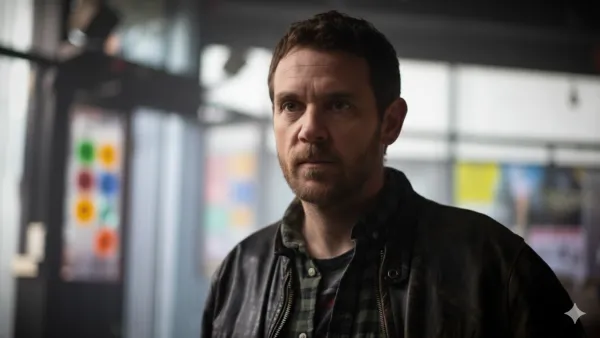
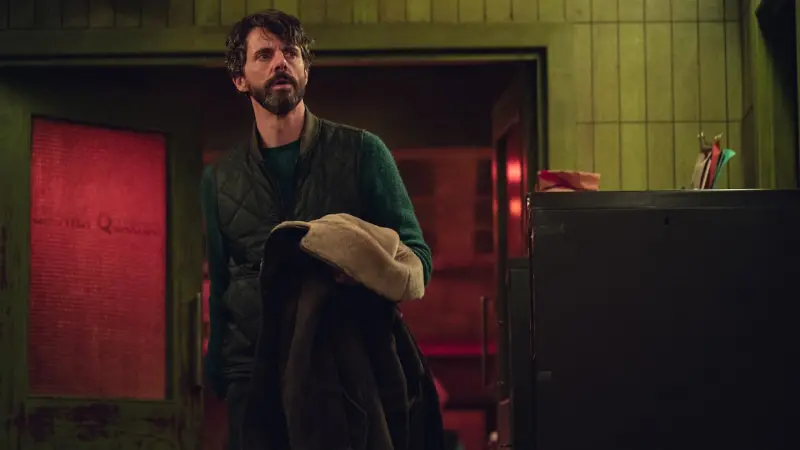
In Netflix's new series Dept. Q, Goode steps into the shoes of Carl Morck, a misanthropic homicide detective exiled to cold cases after a traumatic shooting. The show, streaming May 29, is based on the bestselling novels by Danish author Jussi Henry Adler-Olsen. As revealed in Screenshot (550).png, the adaptation shifts the action from Denmark to Scotland, where Goode struggles mightily to seem as unpleasant as Morck is supposed to be.
Fans expecting the actor's usual warmth will be in for a shock. Goode's Morck is grumpy, isolated, and deeply wounded—a far cry from the suave figures he usually portrays.
A High-Stakes Reinvention
Created by Scott Frank, the mastermind behind The Queen’s Gambit, Dept. Q aims to deliver a dark, psychological thriller. Frank is known for elevating prestige television, and his involvement signals ambition. Yet the show's relentless grimness may test even dedicated viewers.
According to Screenshot (550).png, Dept. Q has been designed to appeal to fans of Apple TV+'s Slow Horses. Both series feature brilliant yet abrasive men exiled to undesirable departments, leading teams of misfits. But where Slow Horses leans into cynical humor, Dept. Q stays steeped in melancholy. The show spends excruciating time on the grimy details of a missing woman's fate, ratcheting up tension without offering levity.
The Team: Underdogs and Outsiders
Morck's team is equally complex. Rose (Leah Byrne) is a young detective sidelined by mental health struggles. She brings an irrepressible energy to the screen, cracking jokes despite her own trauma. Akram (Alexej Manvelov) is a Syrian immigrant with a mysterious background, who may be smarter than Morck himself. The dynamic between them is a highlight.
Byrne and Manvelov steal scenes, injecting warmth into the cold procedural. Their characters are allowed to engage with the case—and each other—in ways that Morck cannot. As the story unfolds, the show hints that these underdogs might form a crack squad if only their leader would stop shouting at everyone.
Behind the Grimness: A Look at the Cast
The ensemble also features Chloe Pirrie and Jamie Sives. Sives plays Hardy, Morck's paralyzed former partner, who later provides vital support from his hospital bed. His presence brings a touch of humanity to the bleak narrative.
For Goode, the role is a career pivot. Known for his work in The Crown (as Antony Armstrong-Jones) and Watchmen (as Adrian Veidt), he now dives into full-blown misery. The challenge is making Morck compelling when his anger is driven by a single traumatic event. In Slow Horses, Gary Oldman’s Jackson Lamb has decades of cynicism to fall back on. Morck, by contrast, feels one-note—a trap the show struggles to escape.
The Slow Horses Comparison
It's impossible to ignore the parallels. Both series feature brilliant men leading misfit teams. Both revel in gritty realism. But while Slow Horses finds humor in its bleakness, Dept. Q doubles down on dread. The comparison highlights a fundamental difference: Dept. Q wants you to feel every ounce of its protagonist's pain.
That might work for some viewers, but others may find it exhausting. The show's handling of its female victim—a woman held in peril but (according to the source) not sexually assaulted—still carries the threat of violence. It's a fine line, and the show doesn't always walk it gracefully.
What Works, What Doesn't
The strongest elements of Dept. Q are its supporting cast. Leah Byrne as Rose brings a spark that the central character lacks. Alexej Manvelov's Akram adds mystery. Even Jamie Sives' Hardy offers relief from Morck's relentless anger.
But the lead remains a challenge. Goode is stuck emoting at the tortured end of soulful, but his character is a trap. We need to find him compelling, yet the show keeps repeating how upset he is. It's a lesson in why Slow Horses works better: Lamb has a past. Morck only has a present.
Scott Frank's pedigree ensures the series is well-crafted, but it may not find the same audience as The Queen’s Gambit. That show was about triumph; this one is about endurance.
If Dept. Q can turn down the dial on its protagonist's grimly shouting, the motley crew might just cohere into a crack squad. As it stands, the show offers a compelling mystery wrapped in a blanket of melancholy.
Disclaimer - All celebrity-related content, information, and images on this website are based on publicly available online sources and AI-generated insights/data. Information such as biography, age, career, personal details, and images may change without notice over time. While we strive for accuracy, we do not guarantee the accuracy, completeness, reliability, or timeliness of any information or imagery displayed on this website. This content is provided for general informational purposes only.
Iconic Photos of Jamie Sives


Top Trending News of Jamie Sives
👁️ 18 views
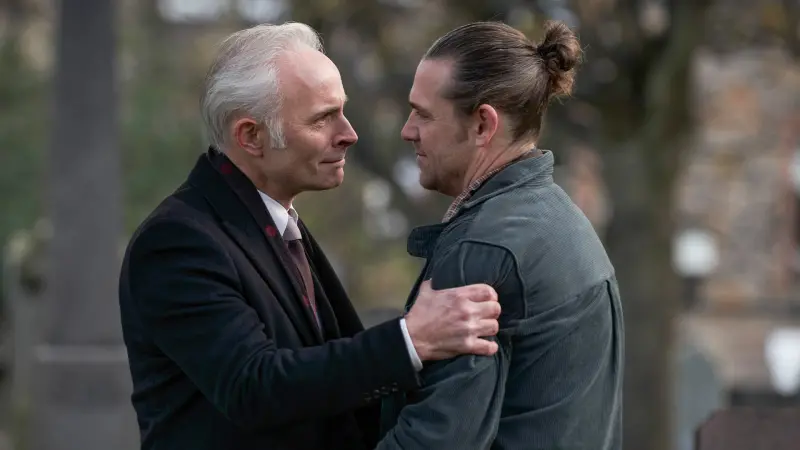
🔥 Matthew Goode Goes Dark: Inside Netflix’s Grim ‘Dept. Q’ and the Battle to Banish His Charm
Matthew Goode stars in Netflix's grim procedural 'Dept. Q,' a dark adaptation of Jussi Adler-Olsen's novels. Creator Scott Frank delivers a chilling drama, but can Goode shed his charm?
 👁️ 17 views
🔥 Farewell to 'Guilt': The Cast Reflects on Three Seasons of Dark Comedy and Scottish Pride
The cast of 'Guilt' says goodbye after three seasons. Mark Bonnar, Jamie Sives, Phyllis Logan, and Emun Elliott share their favorite memories and what they'll miss most.









Details
Send Us an Enquiry
We'll get back to you as soon as possible.
Thank You!
Your enquiry has been submitted. We'll be in touch shortly.