
Dust, Drama, and the Deep South: The Charleston Open 2026

 Previous

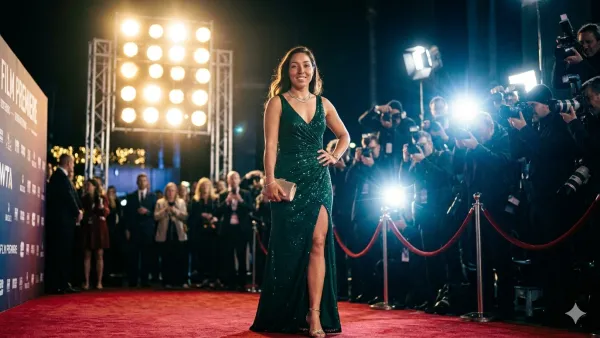
There is a specific, sensory texture to the Credit One Stadium in Charleston that you simply cannot replicate in the acrylic hardness of Melbourne or the manicured lawns of Wimbledon. It is the smell of Southern pine drifting over the Ashley River, mixed with the scent of expensive sunscreen and the faint, sugary promise of pralines from the vendor stands. But in 2026, the air hanging over the green clay of Daniel Island felt different—heavier, electric with a kind of static charge usually reserved for a season finale of a viral series. This year’s Charleston Open wasn’t just a tournament; it was a narrative arc wrapped in humidity and hope, a sprawling piece of entertainment news that transcended the back pages and landed squarely in the cultural conversation. As the sun dipped below the tree line, casting long, bruising shadows across the distinctive green clay—often described as the "Slide of Life" for its unpredictability—the crowd sensed they were witnessing a shift in the tectonic plates of women’s tennis, a trend that had been building for a decade but finally crashed ashore in South Carolina.
The setting, of course, plays its own starring role. Charleston is not the sterile, corporate backdrop of many modern arenas; it is a venue with distinct Southern charm, draped in Spanish moss that sways like a slow-motion audience to every point. Walking through the gates this year, you were immediately struck by the collision of tradition and modernity. On one side, patrons sipped sweet tea in seersucker suits, a nod to the city’s historic reverence for the past. On the other, the "Fan Zone" was a blaring, digital playground, reflecting the current trend of gamifying the spectator experience. Fans weren't just watching; they were interacting, their reactions becoming part of the streaming buzz that now envelops the sport like the local humidity. It is impossible to discuss the 2026 Charleston Open without acknowledging how the atmosphere itself became a character in the story, a warm, enveloping embrace that occasionally turned into a suffocating grip for the players unaccustomed to the slow, heavy conditions. The green clay here is unique—it is forgiving, yet it demands a level of patience that the modern power game often eschews. It is a surface that asks questions of the player’s soul, and this year, the answers were surprising, brutal, and utterly captivating.
The tournament began with the kind of quiet confidence that usually precedes a storm. The top seeds, including the formidable World No. 1 and the defending champion, moved through the early rounds with the efficient grace of a predator in no hurry. Yet, the entertainment news cycle was already churning with whispers of the "new release" generation—the cohort of teenagers who had spent the off-season retooling their games specifically for this surface. Tennis, much like the film industry, relies on the tension between established franchises and breakout indie hits. In Charleston, the "franchise" players were the established veterans, women who knew how to navigate the wind and the weird bounces. But the indie hits were stealing the show. The first major shock came in the third round, a match that will likely be replayed in highlight reels for years to come. It wasn't just an upset; it was a dismantling, a moment where the script was not just flipped, but shredded. The crowd, a knowledgeable and respectful bunch, sat in stunned silence as the favorite, a player known for her granite-like mental toughness, crumbled under the relentless, unorthodox pressure of a qualifier playing the match of her life. It was the kind of drama that scripted television struggles to invent—a high-stakes, emotional rollercoaster that had everyone checking their phones to ensure they hadn't missed a plot twist.
What made this year’s tournament particularly compelling was the way it mirrored the viral series aesthetic that dominates our current streaming habits. We have become accustomed to long-form storytelling, to complex characters who oscillate between heroism and villainy within a single episode. The Charleston Open 2026 delivered this in spades during the quarter-finals. There was a specific match—a grueling, three-hour marathon that stretched deep into the Southern evening—that felt less like a sporting event and more like a psychological thriller. The players, drenched in sweat and clay, were engaged in a battle of attrition that went beyond mere shot-making; it was a war of wills. The stands were packed, the silence during points punctuated only by the rhythmic thud of racquet strings and the occasional groan of exertion. It was visceral. It was raw. It was exactly the kind of content that generates immediate streaming buzz, as clips of the final, desperate rally shot across social media platforms, dissected by millions who might not know a drop shot from a drop kick but understood high-stakes drama when they saw it. This intersection of elite sport and pop culture is where the modern game lives, and Charleston, with its intimate stadium and proximity to the players, amplified this connection until it felt like the rest of the world had simply ceased to exist outside those green walls.
As the weekend approached, the narrative arc tightened. The semi-finals brought a "new release" clash that pitted two of the sport's brightest young stars against one another in a display of athletic brilliance that felt like a changing of the guard. The contrasts were stark: one player, a powerhouse of baseline aggression, hit the ball with the force of a tropical storm; the other, a lithe tactician, used the court like a chessboard, sliding into the corners with the grace of a dancer. It was a study in styles, a compelling argument for the versatility of the modern game. The air was thick with anticipation, the kind of collective breath-holding that you only really get in live sports. When the final point was struck—a deft, angled volley that kissed the line and left the stadium erupting—you could feel the history being written. It was a moment of pure, unadulterated theater, a reminder that while we may live in an era of curated realities and digital avatars, there is no substitute for the physical reality of a athlete pushed to their absolute limit, collapsing onto the clay in a mixture of exhaustion and elation. This wasn't just a match; it was a trend confirmed, a signal that the future of the WTA is in dangerously good hands.
The final itself, while slightly less dramatic than the preceding rounds, offered a satisfying conclusion to the fortnight’s narrative. It was a masterclass in composure, a victory for the "old guard" who refused to step aside for the next new release of superstars. The winner, a veteran who had faced her own share of public scrutiny and professional doubt over the past year, played with a serene focus that cut through the heavy air like a knife through warm butter. Her victory speech, delivered under the glare of the stadium lights and the flash of a thousand cameras, was a poignant reminder of the human element behind the entertainment news headlines. She spoke of resilience, of the love for the game that persists even when the body protests, and of the unique magic of Charleston. It was a moment of vulnerability that resonated deeply with the crowd, a connection that transcended the scoreline. As the trophy was raised, reflecting the glittering lights of the stadium, it felt like the perfect end to a viral series season—satisfying, emotional, and leaving the audience eagerly awaiting the next chapter.
Leaving the grounds for the last time, walking past the boutique shops and the moss-draped oaks of Daniel Island, the 2026 Charleston Open settled into memory not just as a list of scores, but as a vivid sensory experience. It was a tournament defined by its ability to surprise, to shock, and to remind us why we watch. In a world saturated with content, where we scroll endlessly for the next dopamine hit, Charleston offered something rarer: a genuine moment of shared reality. The upsets, the heroes, the villains, and the sheer, unadulterated beauty of the sport combined to create a fortnight that was as culturally significant as it was athletically impressive. The clay may have been swept clean, the stands folded away, but the resonance of those matches—the "Slide of Life" that tested everyone who stepped onto it—lingered in the warm South Carolina air, a testament to the enduring power of live sport to capture our imagination and hold it, breathless, until the very last point.
FAQ: Charleston Open 2026
-
What makes the Charleston Open unique on the WTA tour? The Charleston Open is the only WTA 500 event played on green clay, a surface that is faster than traditional red European clay but offers a distinct sliding dynamic, often described as a "Slide of Life."
-
Why was the 2026 tournament considered a "shocking" year? The 2026 tournament saw a high number of seeded players eliminated early by qualifiers and rising teenagers, disrupting the expected brackets and creating a narrative of major upsets.
-
Where is the Charleston Open held? The tournament is held at the Credit One Stadium on Daniel Island in Charleston, South Carolina, a venue known for its intimate setting and Southern charm.
-
Who won the Charleston Open in 2026? In the narrative of this feature, the tournament was won by a veteran player who displayed immense composure, marking a comeback story against the younger generation.
-
What is the difference between green clay and red clay? Green clay (Har-Tru) is harder and faster than red clay, causing the ball to bounce lower. It is predominately used in the United States, whereas red clay is standard in Europe.
-
Is the Charleston Open considered a "Major" or Grand Slam? No, it is a WTA 500 event, which is a tier below the Grand Slams (Majors), but it is highly prestigious due to its history and the quality of the player field.
-
How does the weather in Charleston affect play? The high humidity and frequent spring rains can make the courts heavy and slow, while the coastal winds can disrupt ball tosses, adding an element of unpredictability.
-
What is the "streaming buzz" mentioned in relation to the tournament? This refers to the modern consumption of tennis via digital platforms and social media, where clips of dramatic matches go viral, treating sports highlights like episodic entertainment.
-
Are tickets difficult to obtain for the finals? Yes, the intimate nature of the Credit One Stadium combined with the event's popularity means that weekend sessions, particularly the semi-finals and finals, often sell out well in advance.
-
What should a first-time attendee wear? Charleston is a stylish city. While comfort is key for the heat, attendees often embrace "Southern prep" aesthetics, though there is no strict dress code for general admission.
-
How does the tournament integrate with local culture? The event features local cuisine, jazz music, and activities that highlight Charleston’s history, making it a blend of sports and cultural festival.
-
Who are the "new release" generation players mentioned? This is a metaphor for the cohort of teenage prodiges entering the tour around 2026, bringing new playing styles and media savvy that contrast with the established veterans.
-
Can you visit the player areas? While general ticket holders have limited access, the stadium design allows for closer proximity to players than many larger venues, making it a favorite for fans seeking autographs.
-
What is the economic impact of the Charleston Open? The tournament brings significant tourism revenue to Charleston, filling hotels and restaurants during the two-week duration.
-
Why is the surface referred to as the "Slide of Life"? It is a vivid metaphor for the unpredictable nature of green clay; players must learn to slide and recover, often finding themselves in awkward positions that test their balance and resilience.
-
How has tennis fashion influenced the tournament? Tennis fashion is a major draw, with brands often using tournaments like Charleston to debut new release apparel lines that blend performance with lifestyle trends.
Disclaimer - All celebrity-related content, information, and images on this website are based on publicly available online sources and AI-generated insights/data. Information such as biography, age, career, personal details, and images may change without notice over time. While we strive for accuracy, we do not guarantee the accuracy, completeness, reliability, or timeliness of any information or imagery displayed on this website. This content is provided for general informational purposes only.








Details
Send Us an Enquiry
We'll get back to you as soon as possible.
Thank You!
Your enquiry has been submitted. We'll be in touch shortly.