
Cara Delevingne’s ‘The Climb’ Crashes and Burns: Inside the £300K Indie Film Disaster

 Previous

The Ambitious Pitch
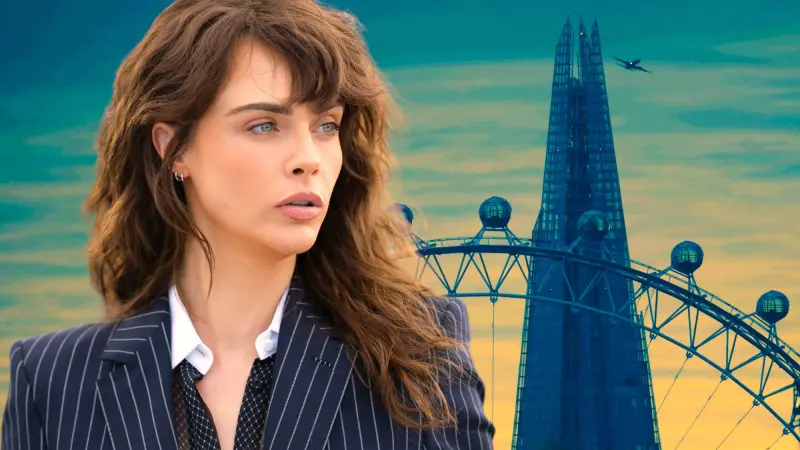
It was supposed to be the indie thriller that would scale new heights. Cara Delevingne, the Carnival Row star turned eco-activist, was attached to play a fearless protester ascending London’s iconic Shard in The Climb. Inspired by a real 2013 Greenpeace stunt, the film promised vertigo-inducing action and a timely environmental message. But instead of a triumphant ascent, the production collapsed into a free fall of debt, bitterness, and unpaid wages totalling over £300,000 ($400,000).
The film’s premise was undeniably cinematic: a daredevil woman scales Western Europe’s tallest building to protest Arctic oil drilling. Director Hayley Easton Street, a VFX veteran from Star Wars: The Force Awakens, wrote the script with visions of using cutting-edge virtual production technology. The Shard itself was secured for sweeping aerial shots—those same images that now serve as a haunting reminder of what might have been.
A Star-Studded Cast That Faded
Delevingne’s involvement was the golden ticket. The supermodel-turned-actress, who had already flashed her action chops in Valerian and the City of a Thousand Planets and Carnival Row, seemed perfect for the physically demanding role. Beta Cinema, the sales house, quickly pre-sold the project across Europe. But as production delays piled up, Delevingne’s schedule evaporated. Enter Ivanna Sakhno, best known for Ahsoka and the upcoming M3GAN 2.0. The shift in leading ladies only hinted at the chaos behind the scenes.
Meanwhile, the crew was already in motion. Set designers flew to Rome’s Cinecittà Studios to scout Dimension Studio’s massive LED wall—a 25-metre-wide rotating stage that would create the illusion of scaling the Shard. The Aerial Film Company and The Helicopter Girls were hired to capture breathtaking London panoramas. A fake news network was even created for the film’s die-hard realism.
The Money That Never Came
But the film’s financial scaffolding was as shaky as a ladder on glass. The funding was supposed to come from Singularity Entertainment, a venture run by Dimension’s Steve Jelley and Steve Griffith. Eclipse Films, the producer, claimed Singularity had committed to fully fund the £15 million feature and signed a term sheet. Singularity, however, insisted that Eclipse never satisfied the “conditions precedent”—typical financing triggers like a signed budget and cast approvals.
“You walked into those offices, and you were struck by all these images of James Bond and massive action movies. You immediately think: I feel safe,” one crew member recalled. That sense of security evaporated fast. Despite the lack of guaranteed funds, Eclipse pressed ahead with pre-production in late 2024, spending money it didn’t have.
The Free Fall
By January 2025, the whole venture imploded. Sigmund Film, the special-purpose vehicle set up to produce The Climb, was liquidated, leaving £340,019 in debts. The largest creditor was The Aerial Film Company, owed £61,000 for those Shard shots. Individual freelancers—camera operators, art directors, riggers—were left holding tens of thousands of pounds in unpaid invoices. “Play your film financing games by all means, but don’t hire crew if you haven’t got the money,” one victim fumed. “That’s really nasty, and you should be exposed.”
The blame game quickly erupted. Eclipse’s managing director Andrew Berg sent an email to crew in December 2024, apologizing and noting that Singularity was “involved in every step” of starting production. Singularity’s Steve Jelley countered, “Singularity and Dimension acted in good faith … we had no idea the production was spending money it did not have.” A proposed settlement—paying 30% of debts upfront, with the rest due on principal photography—was rejected because it required director Easton Street to hand over the film’s rights. Many saw it as a ransom.
The Human Toll
For the crew, the collapse was more than a business failure—it was a personal betrayal. The indie film sector was already reeling from post-strike contractions, and this added insult to injury. “It’s what makes this industry so volatile,” said one creative. Another added that Eclipse “decided to risk it all” on a promise that never hardened into cash. Director Hayley Easton Street, who worked for months without pay, lost the film but still holds the rights. She’s now shopping it in the U.S., including tentative talks at the 2025 Cannes Film Festival.
Cara Delevingne’s name remains attached in the public imagination, though she was long gone by the time the money ran out. Her departure, sources say, was amicable—just scheduling. But the association is a blemish on her already complicated career trajectory. After a meteoric rise from modeling to Paper Towns and Suicide Squad, Delevingne faced scrutiny for box office misses and a high-profile split with actress Ashley Benson. A new project, The Punishing with John Boyega, is in the pipeline, but the stench of The Climb’s ashes could linger.
Virtual Reality Check
Dimension Studio’s virtual production tech—which promised to shoot the entire Shard ascent on an LED stage—was both a selling point and a liability. The technology, while cutting-edge, is notoriously complex. Singularity’s other sci-fi project, White Mars starring Bridgerton’s Luke Newton, also faced difficulties. “That was also a very complicated movie,” said a source. “The tech is so advanced that it’s not like making a traditional film.” Virtual production may be the future, but The Climb proves it’s no substitute for basic financial transparency.
As for the Shard, those stunning aerial shots remain in a vault, a beautiful ghost of a film that could have been. The unpaid crew are unlikely to see a penny—insolvency rarely leaves crumbs for the little guys. Meanwhile, the dueling narratives continue: Eclipse blames Singularity, Singularity blames Eclipse, and the crew blames everyone. It’s a classic indie film cautionary tale, with celebrities and The Shard as the glittering backdrop to a very human tragedy.
What’s Next for Cara Delevingne?
Delevingne has kept a relatively low profile since the pandemic, focusing on fashion campaigns and the occasional film role. Her star power remains bankable—especially for activist-themed projects like The Climb was meant to be. But the celebrity journalism cycle loves a downfall, and this story feeds into the narrative of troubled productions and empty promises. Still, Delevingne’s fans are loyal, and her ability to reinvent herself (remember her breakout in Anna Karenina?) suggests she’ll weather this storm.
The bigger question is whether indie film can learn from this disaster. The collapse leaves a trail of broken dreams, unpaid bills, and a valuable lesson: never climb without solid ropes. For now, The Climb remains a cautionary tale—a Hollywood skyscraper that fell before it ever reached the clouds.
Disclaimer - All celebrity-related content, information, and images on this website are based on publicly available online sources and AI-generated insights/data. Information such as biography, age, career, personal details, and images may change without notice over time. While we strive for accuracy, we do not guarantee the accuracy, completeness, reliability, or timeliness of any information or imagery displayed on this website. This content is provided for general informational purposes only.
Iconic Photos of John Boyega



Top Trending News of John Boyega
 👁️ 198 views
🔥 3SIX9 Studios Slate: Woody Allen & More
3SIX9 Studios unveils slate with Woody Allen's next film, John Boyega horror, Maxi Iglesias project & Arnaud Desplechin feature.
 👁️ 198 views
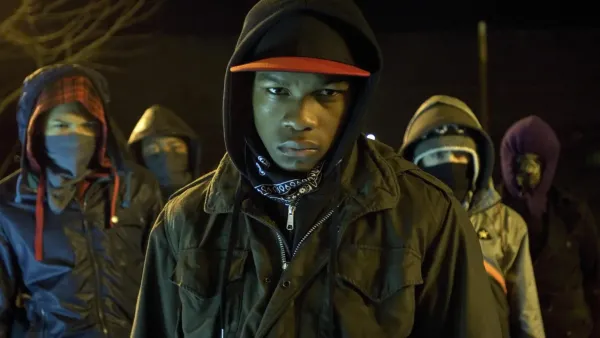
🔥 John Boyega Co-Writing Attack the Block Sequel
John Boyega reveals he's co-writing the sequel to cult classic Attack the Block with Joe Cornish – development updates, story hints, and why fans are buzzing.




Details
Send Us an Enquiry
We'll get back to you as soon as possible.
Thank You!
Your enquiry has been submitted. We'll be in touch shortly.