
From Tony Stark to Lex Luthor: How Hollywood's Evil Billionaires Are Reflecting Our Darker Times
 Previous


The Rise and Fall of the Heroic Tech Billionaire
For nearly a decade, the billionaire hero ruled Hollywood. Robert Downey Jr.'s Tony Stark—a genius, billionaire, playboy, philanthropist—was the poster child for a cultural moment that believed the ultra-wealthy could save us all. In Iron Man 2, Stark proudly declared he had privatized world peace. The message was clear: the only way to stop a bad billionaire with a private army is a good billionaire with his own arsenal.
This narrative reflected the real-world optimism of the 2010s, when tech moguls like Elon Musk were hailed as visionaries. Musk was literally called the real-life Tony Stark. Silicon Valley was seen as a force for good, unshackled from government bureaucracy. But as the source text in Screenshot (550).png reveals, that era is over.
The Reemergence of the Evil Billionaire
Fast-forward to 2025, and the cultural pendulum has swung hard. Today's blockbusters are reintroducing the billionaire as a threat—not a hero. Nicholas Hoult's Lex Luthor in James Gunn's Superman is the standout example. According to the detailed analysis in Screenshot (550).png, Hoult's performance captures the aloof, petty arrogance of a man who believes his wealth entitles him to reshape reality. This isn't the campy Luthor of the past; it's a chillingly modern take.
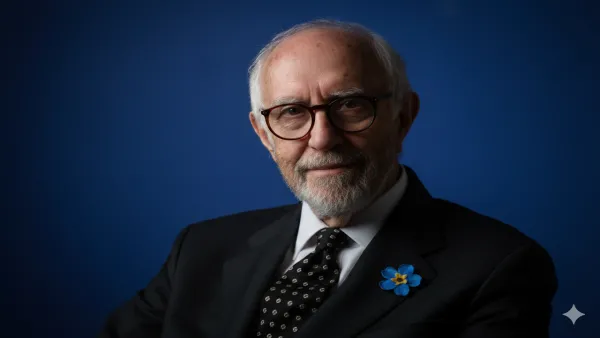
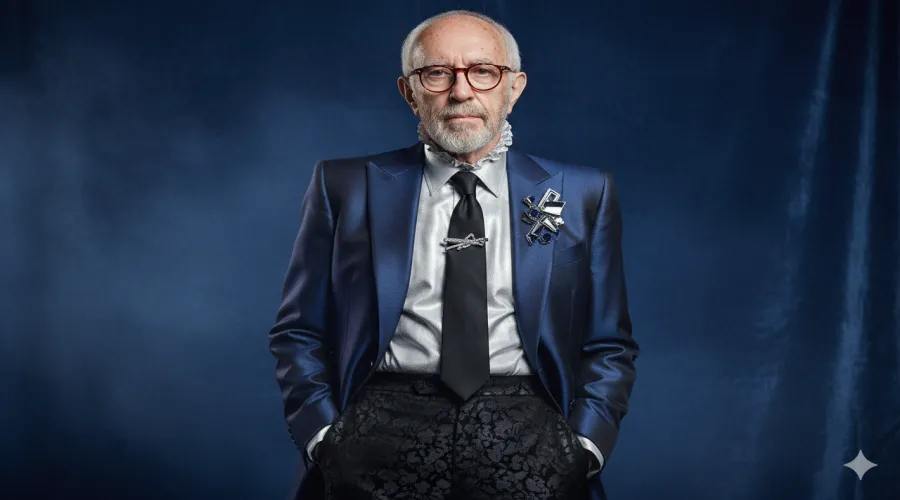
The text in Screenshot (550).png also highlights Jonathan Pryce's Elliot Carver from Tomorrow Never Dies (1997). Initially dismissed as ridiculous, Carver's scheme to start a war for ratings now seems eerily prescient. His monologues about media control and information as the ultimate weapon feel ripped from today's headlines. YouTube comment sections are flooded with viewers calling the film ahead of its time.
Jonathan Pryce's Carver: A Villain Ahead of His Time
Pryce's performance as the media mogul was once seen as over-the-top. But in a world of misinformation and algorithm-driven outrage, Carver's plan to manufacture conflict for profit is no longer far-fetched. The source in Screenshot (550).png notes that his speeches about molding reality to his benefit have aged like fine wine.
Nicholas Hoult's Lex Luthor: A Perfect Storm
Hoult's Luthor, on the other hand, required the right script, the right performance, and the right cultural moment. The text from Screenshot (550).png explains that the character's 80-year comic legacy finally got a big-screen portrayal that works—because it mirrors our current anxieties about the ultra-wealthy. Hoult's Luthor doesn't just want to defeat Superman; he wants to control the narrative by using an army of monkeys to troll the Man of Steel on social media. It's a brilliant, terrifying update.
Real-World Parallels: From Musk to Musk
The shift on screen reflects real-world disillusionment. As the source in Screenshot (550).png points out, the opinion of the ultra-wealthy has sharply declined. Economic conditions have worsened for most people, while fortunes at the top have exploded. The same Elon Musk once celebrated as a real-life Tony Stark is now a polarizing figure, often criticized for his management of Twitter (now X) and erratic behavior. Nobody calls him the real-life Tony Stark anymore.
This change is also evident in Rian Johnson's Glass Onion: A Knives Out Mystery. Edward Norton's tech billionaire character is revealed as a lucky fool who convinced everyone of his genius. As the text in Screenshot (550).png notes, the film's satire of Musk is so direct it's practically text, not subtext.
The Bond Connection: From Carver to Webb
Even the James Bond franchise has caught up. The recent game 007: First Light introduces Nicholas Webb, a genius industrialist whose AI system THEIA is supposed to be infallible. But Webb's cleanup crew alters reality to hide THEIA's mistakes. When confronted, he uses his insider knowledge to force a pardon and engineer a coup. The parallels to Carver are striking, as detailed in Screenshot (550).png: both men try to shape reality for personal gain.
This thread runs through all these villains—from Luthor's troll army to Webb's AI cover-up. The billionaire has always been a force that can mold the world to their vision. For a brief window, that power was viewed with hope. Now, it's viewed with fear. As faith in individualism and personal responsibility erodes, expect more films to serve up billionaires not as saviors, but as villains who embody our deepest anxieties about unchecked wealth and power.
Disclaimer - All celebrity-related content, information, and images on this website are based on publicly available online sources and AI-generated insights/data. Information such as biography, age, career, personal details, and images may change without notice over time. While we strive for accuracy, we do not guarantee the accuracy, completeness, reliability, or timeliness of any information or imagery displayed on this website. This content is provided for general informational purposes only.
Iconic Photos of Jonathan Pryce



Top Trending News of Jonathan Pryce
 👁️ 95 views
🔥 Jonathan Pryce Revisits Welsh Roots in Under Salt Marsh
Acting legend Sir Jonathan Pryce returns to North Wales for the Sky crime thriller Under Salt Marsh, playing a formidable patriarch in his native land.
 👁️ 69 views
🔥 Jonathan Pryce on Aging: "I Don’t See an Old Person"
Acting legend Sir Jonathan Pryce discusses his outlook on age, his role in the new crime drama 'Under Salt Marsh,' and why he has no plans to retire at 78.







Details
Send Us an Enquiry
We'll get back to you as soon as possible.
Thank You!
Your enquiry has been submitted. We'll be in touch shortly.