

 Previous

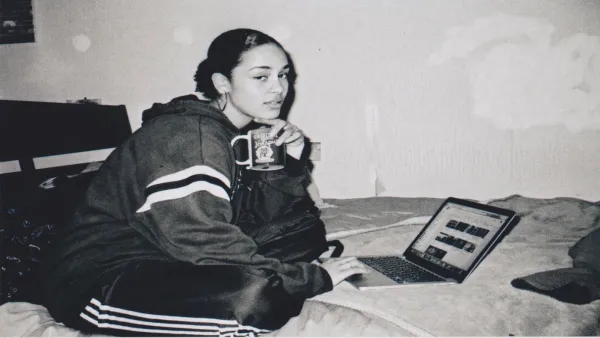
In a recent interview with The Guardian (published February 2026), British soul artist Jorja Smith opened up about the song that first put her on the map: her 2016 breakthrough single “Blue Lights.” The track, released independently when she was just 18, remains one of the most revered and emotionally resonant songs of the past decade—a haunting meditation on police brutality, racial profiling, systemic injustice, and the quiet terror of being young, Black, and British.
Reflecting on its creation and lasting impact, Smith said: “Blue Lights came from a real place. I was watching the news, seeing the same stories over and over—young Black men stopped, searched, sometimes worse—and feeling this mix of anger and helplessness. I wanted to write something that felt honest, not preachy. Something that could sit in your chest and make you feel the weight of it.”
The song’s title nods to the flashing blue lights of police cars, a visual that has become tragically familiar in communities across the UK and beyond. Over a sparse, atmospheric beat produced by frequent collaborator Joel Pott (of Athlete), Smith’s voice—rich, controlled, and deeply felt—delivers lyrics that are both poetic and painfully direct:
“Blue lights in my rear view / Every time I see them, I feel like I’m being watched too / Am I next? Or is it you?”
The track doesn’t shout; it simmers. It captures the everyday anxiety of being pulled over for “driving while Black,” the fear passed down through generations, and the exhaustion of having to prove innocence before guilt is even assumed. Yet it also carries a quiet defiance—a refusal to be silenced.
From Bedroom Demo to Global Resonance
“Blue Lights” began as a simple demo recorded in Smith’s bedroom in Walsall. She uploaded it to SoundCloud in early 2016, and within weeks it had spread organically through blogs, playlists, and word-of-mouth. Drake gave it an early co-sign by playing it on OVO Sound Radio, and the song quickly became a touchstone for a new wave of British soul and R&B artists unafraid to tackle social issues.
The track’s breakthrough moment came when Smith performed it live on Later… with Jools Holland in late 2016—an appearance that introduced her to a wider audience and led to her signing with FAMM (her own label) and later a major deal. Critics hailed it as one of the most important British singles of the decade, with outlets like The Observer calling it “a modern protest song wrapped in velvet.”
Over the years, “Blue Lights” has taken on new layers of meaning. It became an unofficial anthem during the 2020 Black Lives Matter protests in the UK, was sampled and referenced by other artists, and continues to resonate as conversations around policing, race, and justice remain painfully relevant.
Jorja’s Reflection in 2026
In her recent interview, Smith reflected on how the song has aged and how she feels about it now:
“It still feels urgent. I wish it didn’t. I wish we were in a place where a song like that felt like history, but it’s still happening—people are still scared when they see blue lights. I’m proud of it because it was honest. I wasn’t trying to be political for the sake of it; I was just writing what I felt. And somehow it connected with so many people who felt the same.”
She also spoke about the personal cost of putting such raw emotion into the public eye: “It was scary at first. You put something that vulnerable out there, and suddenly everyone has an opinion. But the messages I got—people saying ‘this is how I feel every day’—made it worth it.”
A Timeless Legacy
Nearly a decade after its release, “Blue Lights” remains Jorja Smith’s most-streamed and most-discussed track. It introduced the world to her singular voice—smoky, soulful, unflinching—and set the tone for an artist who has never shied away from truth-telling, whether in songs about love, mental health, or systemic inequality.
As Smith prepares for her third album (rumored for 2026–2027), her reflection on “Blue Lights” serves as a reminder of where she began: not chasing trends, but speaking from the heart about the world she lives in. In doing so, she gave voice to countless others—and created a modern classic that still makes listeners pause, reflect, and, yes, sometimes weep.
Stream “Blue Lights” again. Listen closely. It still hits hard.
Source - https://theface.com/music/jorja-smith-interview-blue-lights-2016-demos
Disclaimer - All celebrity-related content, information, and images on this website are based on publicly available online sources and AI-generated insights/data. Information such as biography, age, career, personal details, and images may change without notice over time. While we strive for accuracy, we do not guarantee the accuracy, completeness, reliability, or timeliness of any information or imagery displayed on this website. This content is provided for general informational purposes only.
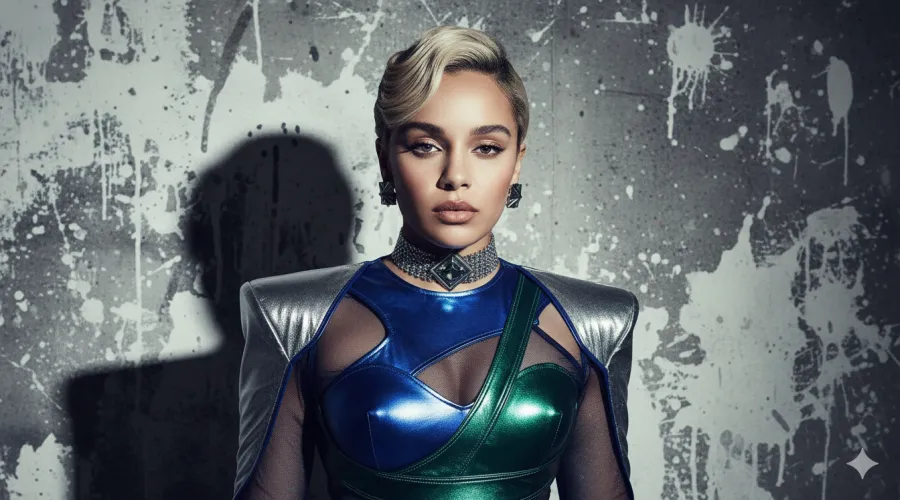
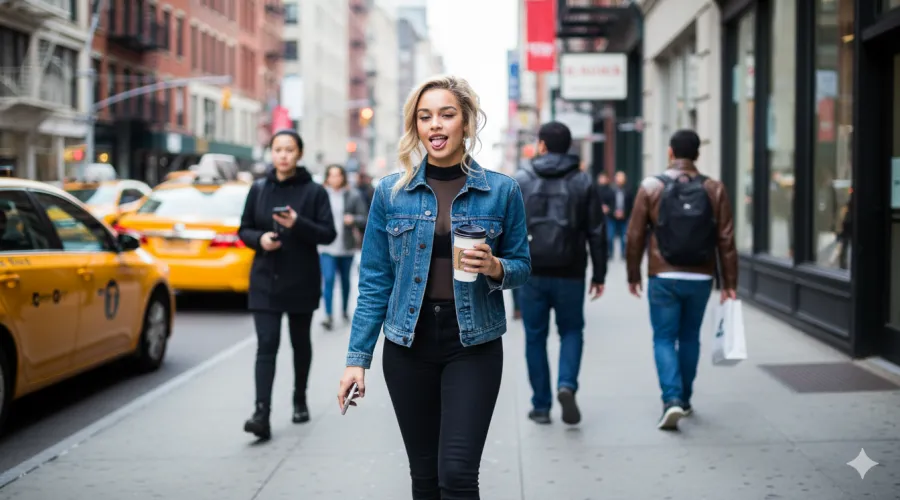
Iconic Photos of Jorja Smith


Top Trending News of Jorja Smith
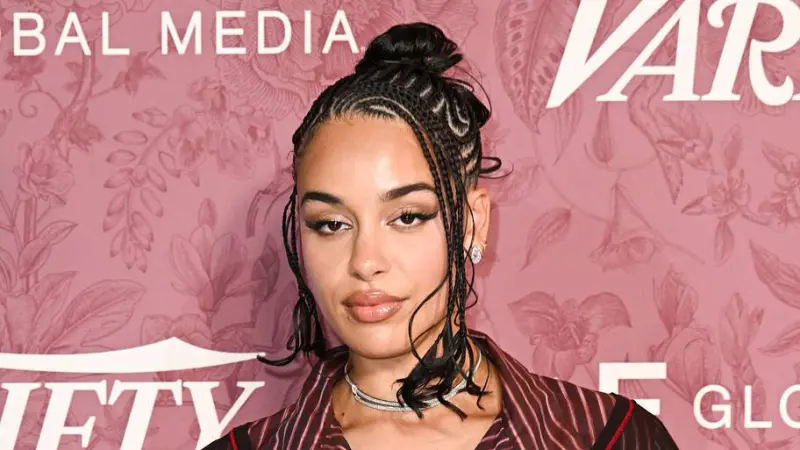 👁️ 291 views
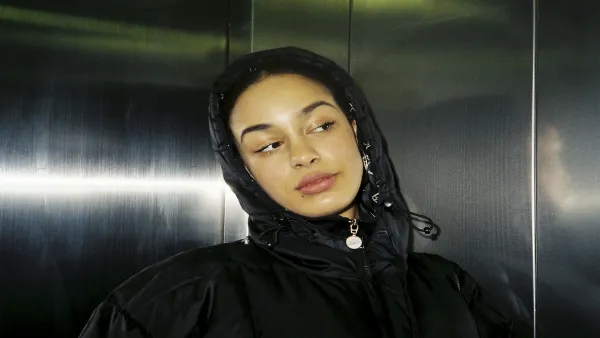
🔥 Jorja Smith Unveils New Album 'What Are the Odds' and Massive 2026 Tour — Here's Everything You Need to Know
Jorja Smith announces her new album 'What Are the Odds' dropping August 21, 2026, along with a global tour. Get the full tracklist and tour dates.
 👁️ 61 views
🔥 10 Years of Jorja Smith: What's Next?
Jorja Smith celebrates 10 years since her breakout – from Lost & Found to new music in 2026. What's next for the BRIT.


Details
Send Us an Enquiry
We'll get back to you as soon as possible.
Thank You!
Your enquiry has been submitted. We'll be in touch shortly.